We may earn a commission from qualifying purchases made through links in this guide, at no additional cost to you.
Finding the best 20-amp circuit breaker for your home electrical panel is a critical safety decision for any homeowner performing a residential electrical upgrade. Whether you're adding new circuits or replacing old hardware, selecting the right breaker ensures your home can handle modern power demands safely. If you are performing the installation yourself, refer to our guide on how to replace a circuit breaker safely before attempting any panel work. Upgrading your electrical infrastructure to ensure wiring can handle modern power demands without overheating is essential for preventing electrical fires and maintaining system stability. Whether you are installing a high-capacity mini-split, expanding kitchen circuitry, or adding dedicated outlets for high-performance cooking gear like a professional induction cooktop for high-draw appliances, selecting a breaker that matches your panel brand and adheres to National Electrical Code (NEC) standards is non-negotiable. While some areas only require a 15-amp AFCI breaker like the Eaton BRCAF115, kitchens, garages, and laundry rooms typically demand 20-amp protection (critical for heavy-duty units like the LG Compact Washer)—essential for high-efficiency appliances. This guide explains how to match amperage to wiring gauge, the necessity of GFCI/AFCI protection, and how to ensure total panel compatibility. For those upgrading their entire home safety infrastructure, we also recommend reviewing our ADT self-setup security guide.
Understanding the 20-Amp Circuit Breaker
A circuit breaker is essentially a safety switch designed to protect your home's electrical wiring from overheating. (While we focus here on AC residential panels, those managing marine or DC systems should refer to our detailed review of marine DC breakers for different specifications.) When too much current flows through a wire, the resistance creates heat; if left unchecked, this heat can melt insulation and ignite structural timber. A 20-amp breaker is specifically engineered to "trip" or shut off power once the current exceeds 20 amperes, ensuring the circuit does not exceed the thermal limits of the installed wire.
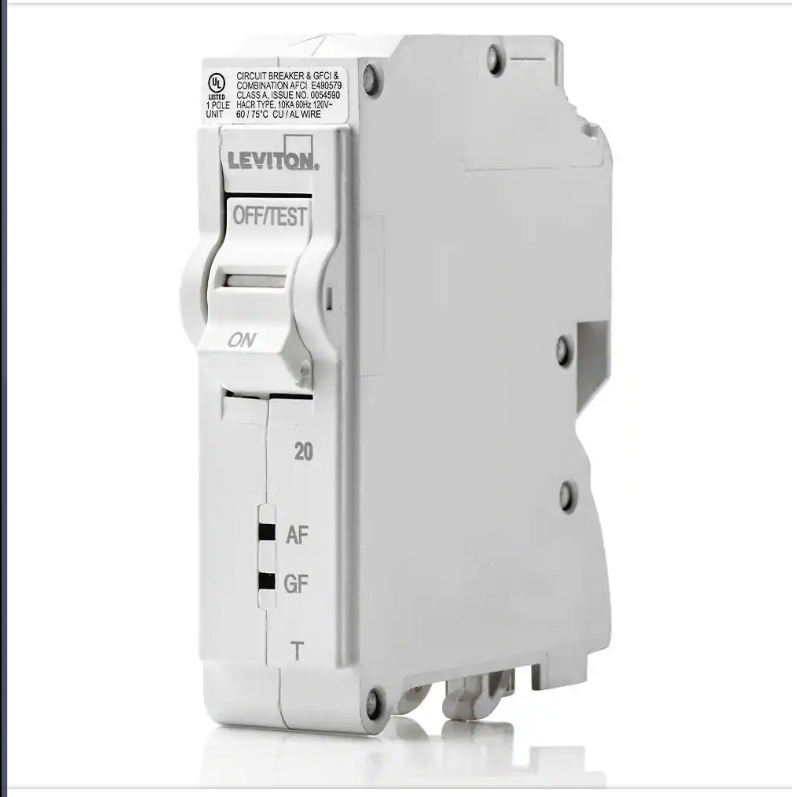
In a residential setting, 20-amp circuits are the gold standard for areas with high power demands. While 15-amp circuits are common for bedroom lighting, 20-amp circuits are required for kitchens, bathrooms, garages, and laundry rooms—often the same areas where you might install a GE whole-house water filter or other whole-house filtration systems. These circuits support high-capacity appliances like the LG Compact Front-Load Washer or specialized basement moisture control equipment like the Ridgid SP-650C (including the Ridgid buying guide and a Wayne vs Zoeller comparison), including the options we analyze in our guide to the best submersible utility pumps or our Wayne vs Zoeller comparison such as the GE ADEL50LZ dehumidifier (see our full buying guide) and similar heavy-duty equipment for moisture control. For those managing areas prone to flooding, integrating a Wayne ESP25 battery backup sump pump (see our full performance review) is a critical addition for homeowners using equipment like the Ridgid SP-650C. (see our Basement Watchdog BW1033 review and buying guide) often requires these higher-amperage circuits. Other high-draw devices, such as those detailed in our MrCool DIY mini-split buying guide (or high-efficiency options like Bosch mini-split heat pumps or the Daikin RXB12AXVJU or the Pioneer WYS018GMFI22RL), often require dedicated 20-amp circuits to avoid instantly tripping a standard 15-amp breaker.
It is a common misconception that you can simply swap a 15-amp breaker for a 20-amp breaker to "stop the tripping." This is a dangerous practice. The breaker protects the wire, not the appliance. A 20-amp breaker requires 12-gauge wire (12 AWG). If you install a 20-amp breaker on 14-gauge wire (standard for 15-amp circuits), the wire will overheat and potentially start a fire before the breaker ever detects a fault.
The Physics of Overcurrent Protection
To understand why the 20-amp threshold is so specific, one must understand Joule heating. As electricity flows through a conductor, some energy is lost as heat. The amount of heat generated is proportional to the square of the current. This means that doubling the current from 10 amps to 20 amps doesn't just double the heat—it quadruples it. 12 AWG wire has a larger cross-sectional area than 14 AWG, allowing it to dissipate this heat more effectively.
When a 20-amp breaker is installed, it acts as the "weakest link" in the chain. In a perfectly safe system, the breaker should always fail (trip) before the insulation on the wire reaches its melting point. If you install a breaker with a higher rating than the wire can handle, the wire becomes the weakest link, turning your walls into a heating element.
The Different Types of 20-Amp Protection
Not all 20-amp breakers are created equal. Depending on where the circuit is located in your home, electrical codes (such as the National Electrical Code or NEC) require specific types of protection to prevent different kinds of electrical failures.
Standard Thermal-Magnetic Breakers
These are the basic breakers found in older panels. They protect against two things: overloads (too many devices plugged in) and short circuits (a hot wire touching a neutral or ground). They use a bimetallic strip that bends when hot to trip the switch, and an electromagnetic coil that trips instantly during a massive surge. These are suitable for general-purpose lighting or outlets in low-risk areas of the home where moisture and arc risks are minimal.
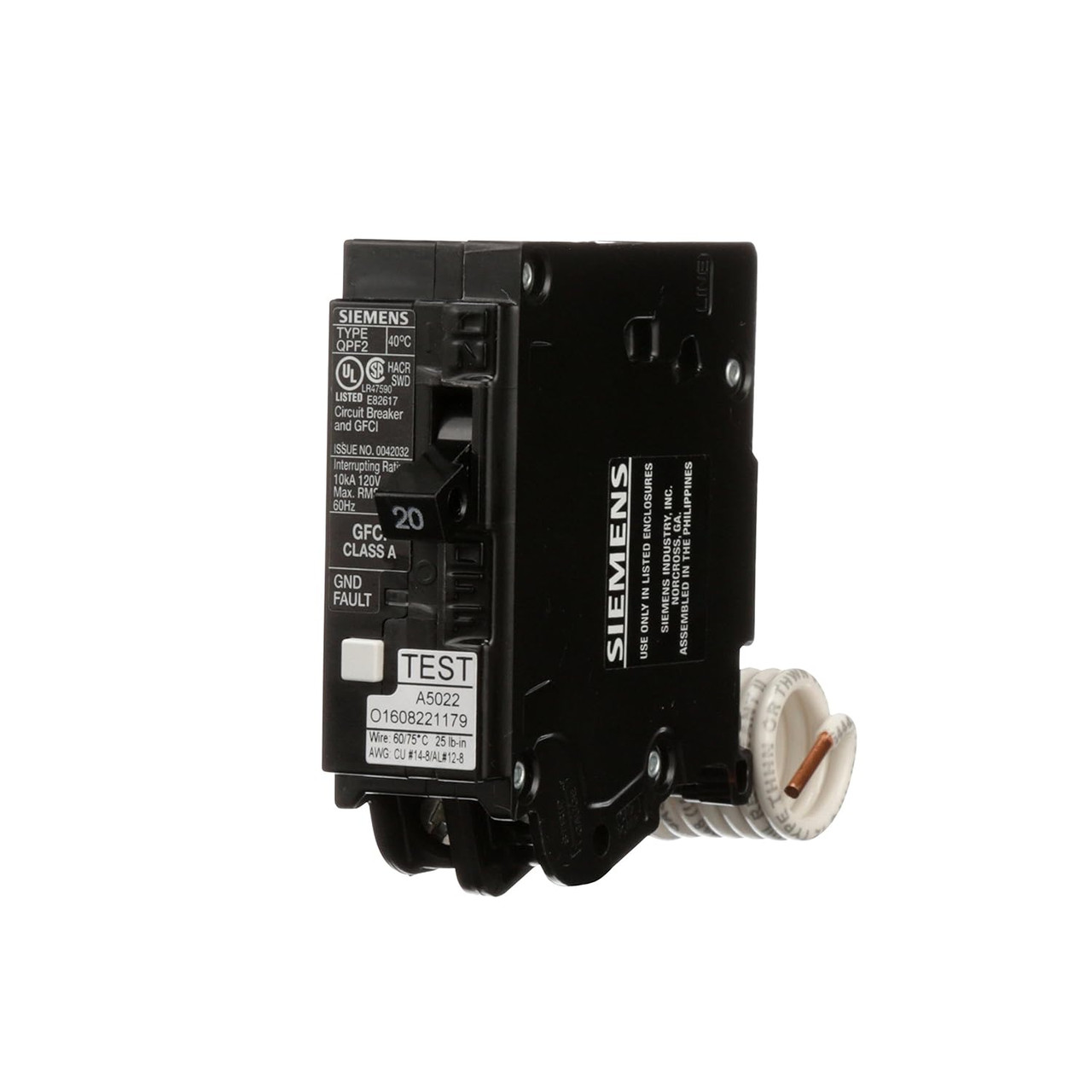
GFCI (Ground Fault Circuit Interrupter)
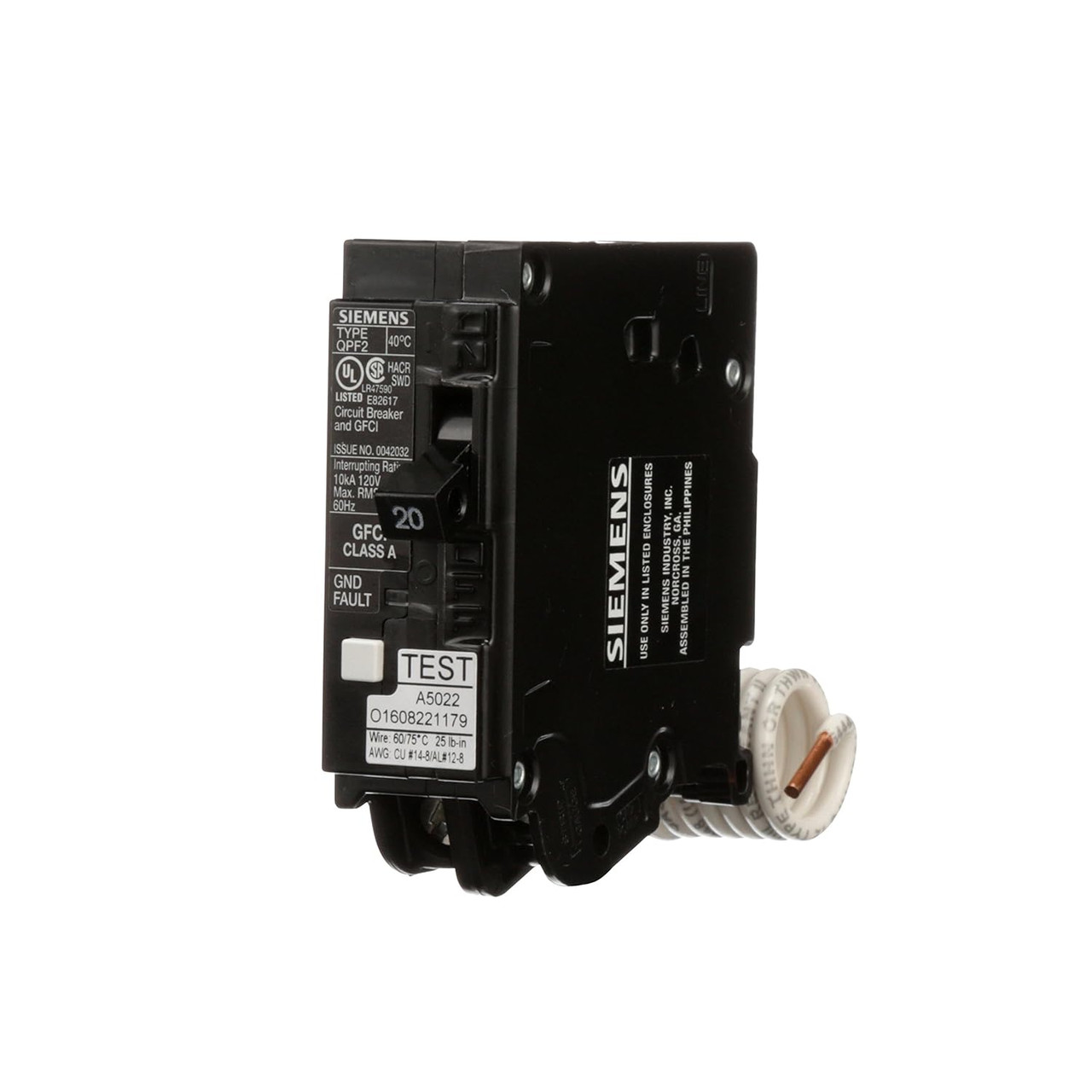
Ground Fault breakers are designed to protect people. They monitor the balance of current flowing between the hot and neutral wires. If a tiny amount of current "leaks" out—perhaps through a person touching a faulty appliance in a wet bathroom—the GFCI detects the imbalance and trips in milliseconds to prevent electrocution. In modern homes, 20-amp GFCI breakers are mandatory for kitchens, outdoor outlets, and bathrooms (where high-efficiency ventilation like the Panasonic WhisperGreen Select FV-08VKS3 (see our complete buying guide) is often installed).
AFCI (Arc Fault Circuit Interrupter)
While GFCI protects people, AFCI protects the structure. For a detailed look at how these function in practice, we recommend our in-depth review of the Eaton BRCAF115 AFCI breaker, which provides a technical look at how these devices isolate hazardous arcs, a real-world performance analysis of arc-fault detection. These breakers use an electronic chip to "listen" to the electrical wave. They can distinguish between a normal arc (like the spark inside a light switch) and a dangerous arc (like a nail driven through a wire in the wall). When a dangerous arc is detected, the AFCI trips to prevent a house fire. These are now required in almost all living areas, including bedrooms and family rooms—often the same areas where you'll install specialized timing controls or use Rockwool Safe 'n' Sound insulation or comprehensive security systems, such as the ADT self-setup 9-piece kit or the Ring Alarm Pro 14-Piece security system.
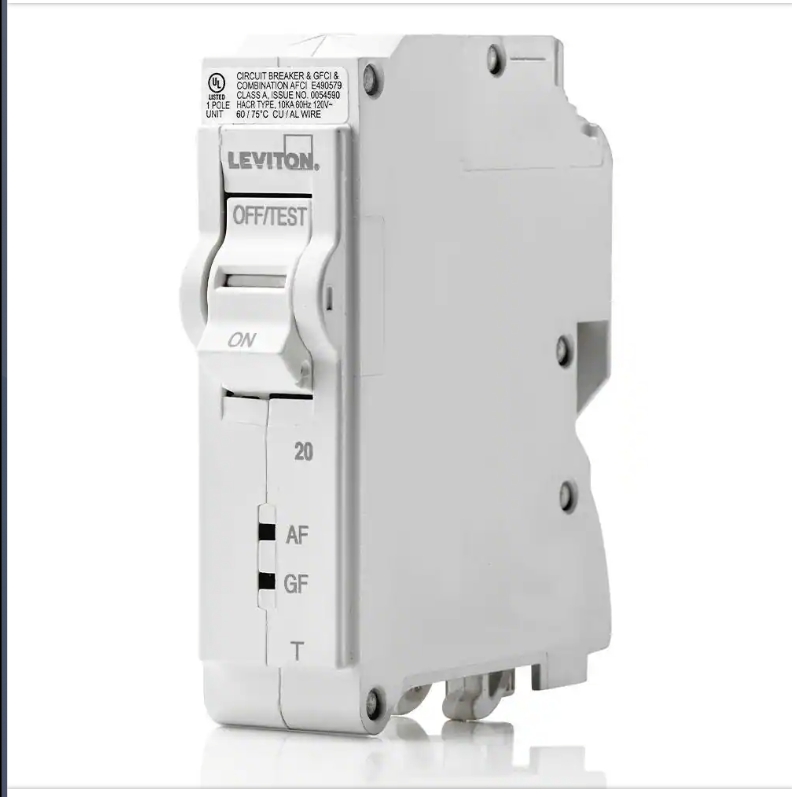
Dual Function (AFCI/GFCI)
Modern building codes now frequently require Dual Function breakers in almost every room of the house. These combine both technologies, offering the highest level of safety by protecting against both electrocution and structural fires. You can see the difference in performance in our Eaton AFCI review. While more expensive than single-function breakers, they provide the most comprehensive safety net available, eliminating the need for separate GFCI outlets downstream.
Detailed Buyer's Guide: How to Choose
Choosing a breaker isn't as simple as picking a number. You must consider compatibility, certification, and application to ensure your home remains safe and compliant with local laws.
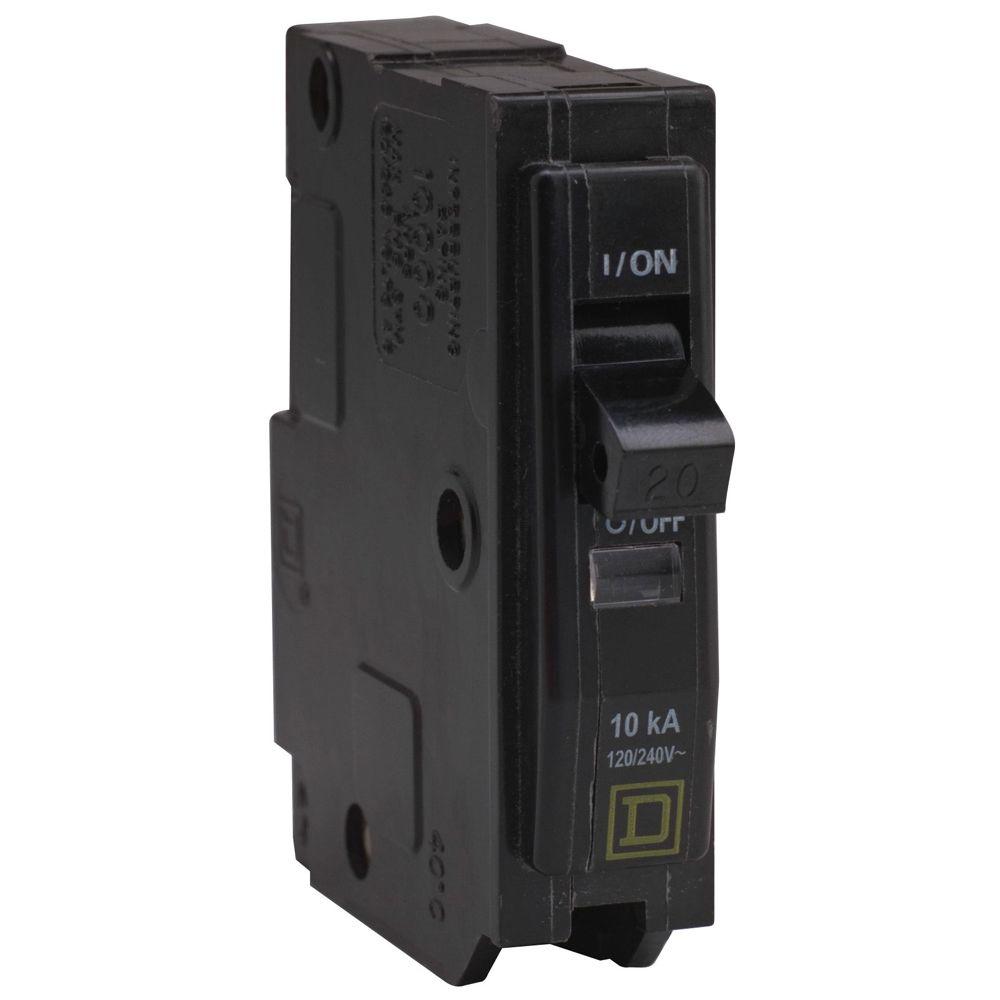
Circuit breakers are not universal. A Square D Single-Pole Plug-On Circuit Breaker 20-Amp for QO Load Centers will not fit in a GE panel, and a Siemens breaker may not safely seat in an Eaton panel. Using "off-brand" or incompatible breakers can lead to poor contact, which creates arcing and heat, defeating the purpose of the safety device. Always match the breaker to the manufacturer listed on your panel door; if you are debating between major brands, check our Square D vs Eaton circuit breaker comparison to understand the differences and determine which manufacturer's tolerances best suit your home's needs.
Be wary of "classified" breakers—third-party breakers that claim to fit multiple brands. While they may physically snap into the slot, they may not have the exact tolerances required to trip accurately under stress. Sticking to the Original Equipment Manufacturer (OEM) is the only way to guarantee the safety margins designed into your panel.
As previously mentioned, 20-amp breakers must be paired with 12 AWG copper wire. If you are upgrading a circuit, you must verify the wire gauge. 12 AWG wire is thicker than 14 AWG, allowing it to carry more current without heating up. If the wire is too thin, the breaker is useless as a safety device. This is a common point of failure in DIY renovations where homeowners try to "boost" a circuit without replacing the cabling.
For standard 120V outlets, you need a single-pole breaker. This occupies one slot in the panel and connects to one hot bus bar. However, for larger 240V appliances (like some large amplifiers, specialty workshop tools, or an A.O. Smith EES-40 electric water heater), you would need a double-pole 20-amp breaker, which occupies two slots in the panel and provides two hot legs of power. Ensure you check your appliance requirements before purchasing.
Never buy non-UL listed breakers from discount overseas marketplaces. Electrical components are life-safety devices. A UL (Underwriters Laboratories) stamp ensures the breaker has been rigorously tested to trip at the exact amperage specified. A non-certified breaker might trip at 30 amps instead of 20, giving you a false sense of security while your wiring melts.
Installation Pitfalls and Safety Warnings
DANGER: Working inside an electrical panel involves exposure to live bus bars that can cause fatal shocks. Even with the main breaker off, the lugs coming from the utility company remain live. If you are not comfortable with high-voltage electricity, always hire a licensed electrician.
Many DIYers make the mistake of "over-breakerizing" their panel. This happens when a user replaces a 15-amp breaker with a 20-amp breaker because their toaster keeps tripping the circuit. This is a critical safety violation. The breaker is the "weak link" by design; if you make the link stronger than the wire, the wire becomes the weak link, and it will melt inside your walls.
Another common error is improper seating. A breaker must be firmly snapped onto the bus bar. If it is loose, it creates high resistance. High resistance creates heat. This can lead to the breaker housing melting or the bus bar becoming damaged, requiring a full panel replacement.
Common Installation Mistakes
- Ignoring the Torque Specs: Over-tightening the screw on the breaker terminal can strip the thread or crack the housing. Under-tightening creates a loose connection, which leads to arcing and fire.
- Incorrect Grounding: Ensuring the circuit is properly grounded is essential, especially for GFCI breakers. Without a proper ground path, the safety mechanisms may not operate as intended.
- Overcrowding the Panel: Forcing breakers into a panel that has no more room can stress the bus bars and lead to premature failure of adjacent breakers.
Maintenance and Testing Your Breakers
Circuit breakers are not "set it and forget it" devices. Over time, the mechanical springs can weaken, or the electronic components in AFCI/GFCI breakers can fail. Regular testing is mandatory for home safety.
Monthly Testing
Press the "Test" button on your AFCI or GFCI breakers. The switch should trip immediately. If it doesn't, the breaker is faulty and must be replaced.
Annual Inspection
Look for signs of discoloration (browning or charring) on the plastic casing of the breakers or the panel bus bars.
Auditory Checks
Listen for "buzzing" or "sizzling" sounds coming from the panel. This usually indicates a loose con