This guide contains affiliate links to retailers. We may earn a commission if you make a purchase through these links, at no additional cost to you.
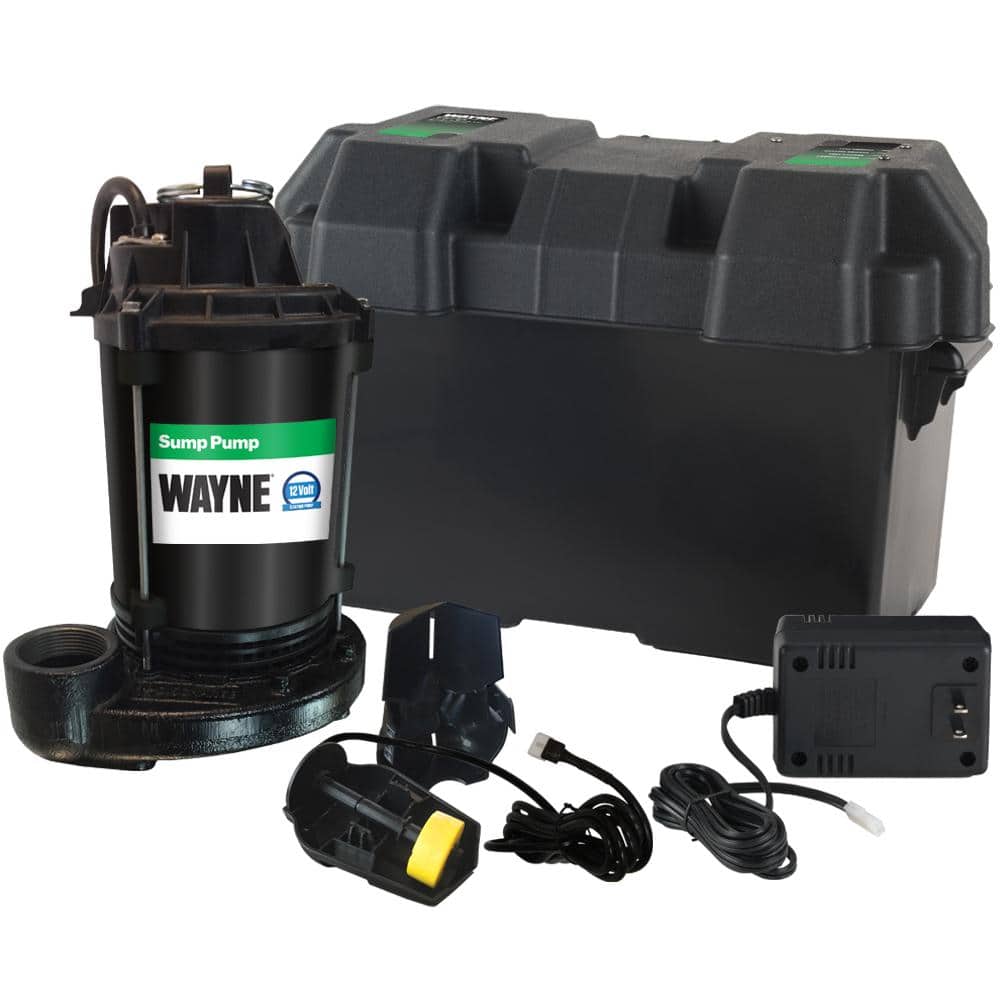
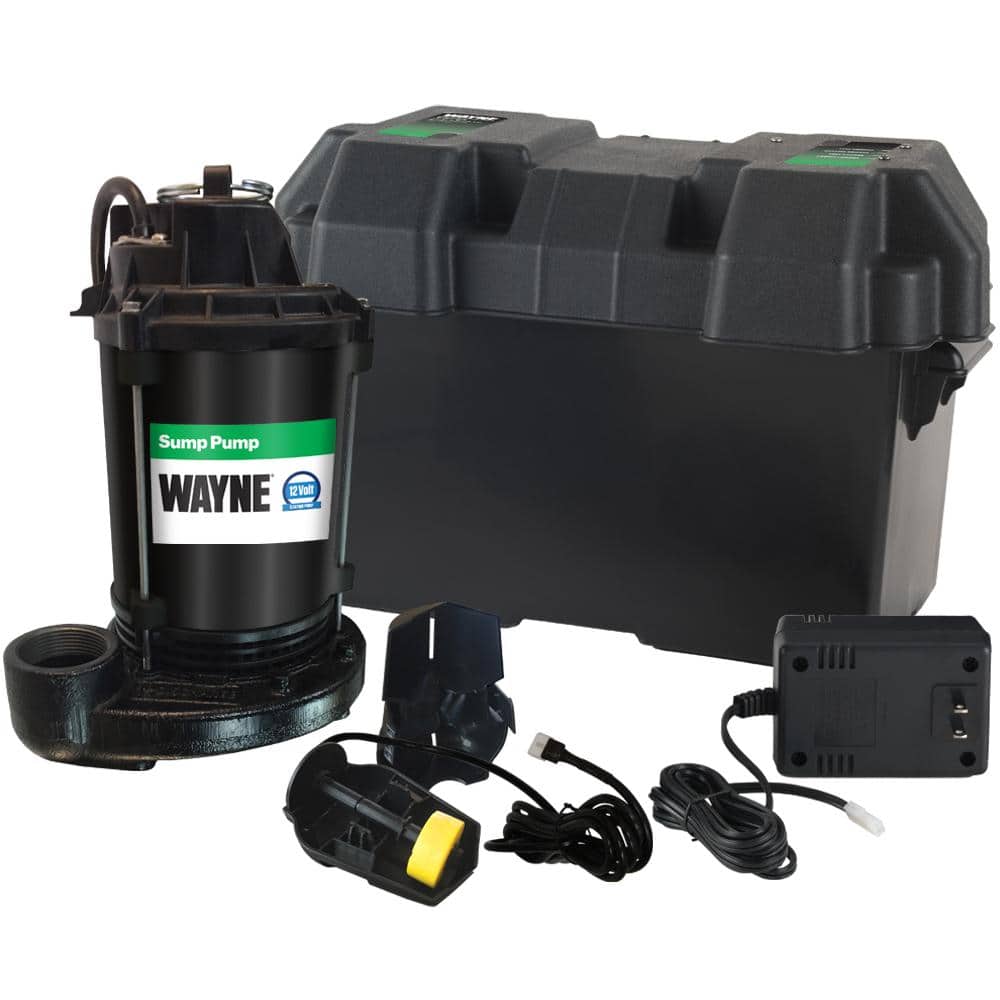
A battery backup sump pump provides critical protection against power outages, severe storms, and primary pump failure—the difference between a dry basement and a costly cleanup. The Wayne Battery Backup Sump Pump 2700 GPH by Wayne is designed as a high-capacity secondary pump that automatically takes over when your primary system cannot keep up, ensuring your home remains protected regardless of grid stability. For a full performance analysis, read our comprehensive Wayne ESP25 review.
Wayne Battery Backup Sump Pump 2700 GPH
Score: 8.8/10. A strong dedicated backup sump pump for homeowners who want automatic protection during power outages, primary pump failures, or heavy-rain events.
This buying guide focuses on the Wayne Battery Backup Sump Pump 2700 GPH and whether it is the right solution for your basement, crawlspace, or flood-prone utility area. You will find the model number, ESP25, in the specifications and compatibility details below. For a full hands-on test, see our Wayne ESP25 review.
Quick Fit Check
- Buy it if: You already have a primary sump pump and want automatic battery backup during outages.
- Skip it if: Your main sump pump is failing; replace or upgrade the primary pump first. For reliable primary drainage, we recommend the Ridgid Cast Iron Submersible Sump Pump (see our Ridgid SP-650C buying guide) (see our detailed review).
- Measure first: Confirm your sump basin has room for the backup pump, float, discharge connection, and battery placement.
Wayne Battery Backup Sump Pump 2700 GPH
The Wayne Battery Backup Sump Pump 2700 GPH is built to work alongside an existing primary sump pump, adding a second layer of protection when the main pump stops operating. Its key job is simple: if the power goes out, the primary pump fails, or water rises above the backup float level, the battery-powered pump activates automatically to help move water out of the sump basin. By diversifying the power source, you eliminate the single point of failure that plagues most standard basement drainage systems.
Although this product line is commonly described as a 2700 GPH backup sump pump, Wayne rates this backup system (Model ESP25) at up to 2,580 gallons per hour. This capacity makes it well-suited for many residential basements and crawlspaces where occasional storm-driven water intrusion is a concern. It is important to note that it is not meant to replace a full-time primary sump pump, but it provides critical emergency pumping capacity when your main system is unavailable, acting as a safety net that prevents water from reaching your finished floors.
As noted in our Wayne ESP25 review, the ESP25 is especially useful for homeowners in areas with frequent thunderstorms, aging utility infrastructure, or basements that depend heavily on a sump pump system. The built-in alarm system is another practical feature, alerting you when the backup pump is running so you know the primary system may need attention or the home is experiencing a high-water event. This audible warning is the primary difference between discovering a failure via an alarm versus discovering it by walking into six inches of water.
Installation is designed to be straightforward for a backup sump setup, but buyers should still verify that their sump basin has enough space for a secondary pump, float, discharge connection, and battery placement. For the best results, the Wayne ESP25 should be paired with a compatible deep-cycle battery and installed so it complements—not obstructs—the primary pump. When correctly staged, the backup pump sits slightly higher than the primary, ensuring it only engages when the primary system has failed to manage the water level.
Pros
- Provides automatic protection when the main sump pump loses power or fails
- Strong backup flow rating for many residential sump applications
- Alarm system helps notify you when the backup pump is active
- Designed to work with existing sump pump setups
- Good fit for storm-prone and flood-prone homes
Cons
- Requires a compatible battery, which may be sold separately depending on configuration
- Not a substitute for a primary sump pump
- Runtime depends on battery condition, capacity, and pumping demand
- Installation space can be tight in smaller sump basins
This guide contains affiliate links to retailers. We may earn a commission if you make a purchase through these links, at no additional cost to you.
| Spec | Wayne Battery Backup Sump Pump 2700 GPH |
|---|---|
| Model number | ESP25 |
| Category | Water Pumps |
| Pump type | Battery backup sump pump |
| Primary use | Emergency sump pumping during power outages or primary pump failure |
| Maximum flow rating | Up to 2,580 gallons per hour |
| Activation | Automatic operation when water rises to the backup float level |
| Alert feature | Alarm system indicates backup pump operation |
| Best for | Homeowners with existing sump pump systems who want outage protection |
Comprehensive Buyer's Guide: Understanding Backup Sump Systems
Before investing in a backup system like the Wayne ESP25, it is essential to understand the mechanical logic behind why a backup is necessary. A primary sump pump relies entirely on the electrical grid. While most pumps are reliable, the two most common failure points are mechanical burnout (the motor dies) and power grid failure (the storm that causes the flood also knocks out the electricity—learn more about AFCI vs Standard Circuit Breakers to ensure your panel is up to code (see our guide on replacing circuit breakers safely)). In either scenario, your primary pump becomes a heavy piece of plastic and metal that does nothing to stop the rising water table from infiltrating your home.
The fundamental goal of a backup system is redundancy. If you are debating between different brands—perhaps comparing a Ridgid Cast Iron Submersible Sump Pump (see our detailed review) with the Basement Watchdog 1/3-HP 115 -Volt 62-Gallon Cast Iron Submersible Sump (see our buying guide and detailed Basement Watchdog review), or evaluating high-capacity options like the Wayne 3/4 HP Submersible Cast Iron and Steel Sump Pump and Zoeller Mighty-Mate Submersible Sump Pump 1/3 HP Cast Iron—the goal remains the same: redundancy. Redundancy in engineering means having a secondary system that can perform the critical function if the first one fails. For a homeowner, this means having a pump that doesn't care if the power lines are down. By utilizing a battery-based power source, the Wayne ESP25 creates a "fail-safe" environment. If the electricity cuts out at 2:00 AM during a torrential downpour, the backup pump activates based on water level, not electricity availability.
The Role of the Float Switch
The magic of the Wayne Battery Backup Sump Pump 2700 GPH lies in its float switch. In a standard setup, the primary pump's float is set lower in the basin. The backup pump's float is typically installed slightly higher. This ensures that the battery-powered pump only activates when the primary pump has already failed to keep the water level down. If the primary pump is working, the backup stays dormant, preserving battery life for when it is truly needed.
This "staged" activation is critical. If both pumps triggered at the exact same level, the backup pump would run every time the primary pump ran, draining the battery in a matter of days. Instead, the ESP25 waits for a "high water" condition—which signifies a primary failure—before engaging. This maximizes the longevity of the battery and ensures the backup is fresh and ready for a genuine emergency.
Battery Selection and Maintenance
A backup pump is only as good as the battery powering it. For the ESP25, using a high-quality deep-cycle marine battery is the industry standard. Unlike automotive batteries, which provide a short burst of high current to start an engine and then are immediately recharged, deep-cycle batteries are designed to provide a steady amount of power over a longer period. This is critical during a multi-hour power outage where the pump may need to cycle dozens of times to keep the basement dry.
Battery maintenance is the most overlooked part of sump pump ownership. Because these systems sit idle for months, the batteries can lose charge through "self-discharge." A battery that shows 12V on a multimeter might actually have very little "capacity" (the amount of energy it can actually deliver under load). Regularly checking the health of the battery and ensuring the charging circuit is functioning is the only way to guarantee the system will actually work when the power goes out.
Battery Tip: Check your battery voltage every six months. Batteries naturally discharge over time, and cold winter temperatures can further reduce their capacity. Testing the pump manually by lifting the float is the only way to guarantee the system will fire when the power goes out.
Installation and Setup Guide for the Wayne ESP25
Installing a backup pump requires a different approach than installing a primary pump. Since you are adding a second device to a limited amount of space, precision is key. Poor installation can lead to "float interference," where the two pumps physically block each other, preventing either from triggering correctly.
Step 1: Basin Preparation
First, clear any debris from the sump pit. If you need to empty a flooded basin quickly before installation, use a reliable utility pump (such as the Flotec Submersible Utility Pump 1/4 HP Thermoplastic) to get your basin ready for installation. Sump pits often collect silt, pebbles, and organic matter that can interfere with the pump's intake or the float's movement. Ensure the primary pump is seated firmly at the bottom. Measure the diameter of your pit; the Wayne ESP25 needs enough room for its float to move up and down without rubbing against the walls of the basin or the primary pump's housing. If the float gets stuck against a wall, the pump may either never turn on (causing a flood) or never turn off (draining the battery in hours).
Step 2: Plumbing the Discharge
You have two main options for discharge plumbing: a separate line or a combined line. A separate line is generally preferred as it prevents backflow and allows you to see exactly which pump is doing the work. If you use a combined line—where both the primary and backup pumps feed into one pipe—you must install a high-quality check valve. This prevents water pushed out by the backup pump from flowing back down into the pit once the pump shuts off, which would create a "loop" where the pump just moves the same water back and forth.
Step 3: Battery Placement and Wiring
Place the battery in a dry, ventilated area near the pump but away from any direct water spray or potential leaks. While batteries are designed for rugged environments, excessive moisture can accelerate terminal corrosion. Connect the battery to the control box using the provided terminals. Ensure the connections are tight and coated with a thin layer of dielectric grease to prevent corrosion in the damp environment of a basement. Loose connections can cause the pump to fail even if the battery is fully charged.
Step 4: Testing the Alarm
Once the system is powered, test the alarm. The alarm on the ESP25 serves as a critical warning signal. It should trigger when the water reaches the backup level, alerting you that your primary pump has failed. Verify that the siren is audible from a part of the house where you spend time. If the alarm is tucked away in a deep crawlspace or a sound-proofed utility room, you may not realize your basement is at risk until the water has already reached your floor joists.
Common Pitfalls and Troubleshooting
Even high-quality systems like the Wayne Battery Backup Sump Pump 2700 GPH can encounter issues if not managed correctly. Understanding these common pitfalls can save you from an expensive emergency plumbing call.
The "Ghost" Pump Cycle
If you notice the backup pump cycling on and off rapidly, it is usually a sign of "water turbulence." When the primary pump shuts off, the water in the basin can slosh or "wave," causing the backup float to trip prematurely. This wastes battery power and puts unnecessary wear on the motor. To fix this, ensure the backup float is positioned away from the primary pump's discharge stream. If the basin is too narrow to move the float, you may need to install a "float guard"—a PVC pipe section that surrounds the float, allowing it to move vertically but preventing it from swinging sideways into turbulent water.
The Silent Failure
The most dangerous failure for a backup system is the "silent failure." This occurs when the electronics appear to be working, but the battery has lost its capacity. A multimeter might show 12.6V (a full surface charge), but as soon as the pump attempts to draw 20 amps to move water, the voltage crashes to 8V and the pump stalls. This is why "voltage testing" is not a substitute for "load testing." To perform a load test, manually lift the float and let the pump run for 30 seconds. If the pump sounds sluggish or the alarm flickers, your battery is likely degraded and needs replacement.
Air Locking and Cavitation
While less common in backup pumps than in primary pumps, air locks can occur if the discharge pipe is not properly sloped or if there are high points in the line where air can be trapped. If the Wayne ESP25 is humming but no water is moving, it may be air-locked. This usually happens during the first installation or after a period of extreme dryness where the pump has sucked in air. Gently tilting the pump while it is running can sometimes "burp" the air out of the system, allowing water to prime the pump.
Comparing Battery Backups vs. Other Redundancy Options (see also our Basement Watchdog BW1033 buying guide)
When choosing the Wayne Battery Backup Sump Pump 2700 GPH, it is helpful to understand how it compares to other methods of basement flood prevention. Redundancy comes in several forms, and depending on your budget and the risk level of your home, you might consider different combinations.
Battery Backup (Wayne ESP25)
The battery backup is the most common residential solution. It is quiet, relatively easy to install, and provides immediate response to power outages. Its main limitation is the finite life of the battery. If the power is out for three days during a hurricane, a single battery may eventually run dry. However, for 95% of residential scenarios, it provides the necessary window of protection to restore power or find an alternative solution.
Water-Powered Backup Sump Pumps
Water-po