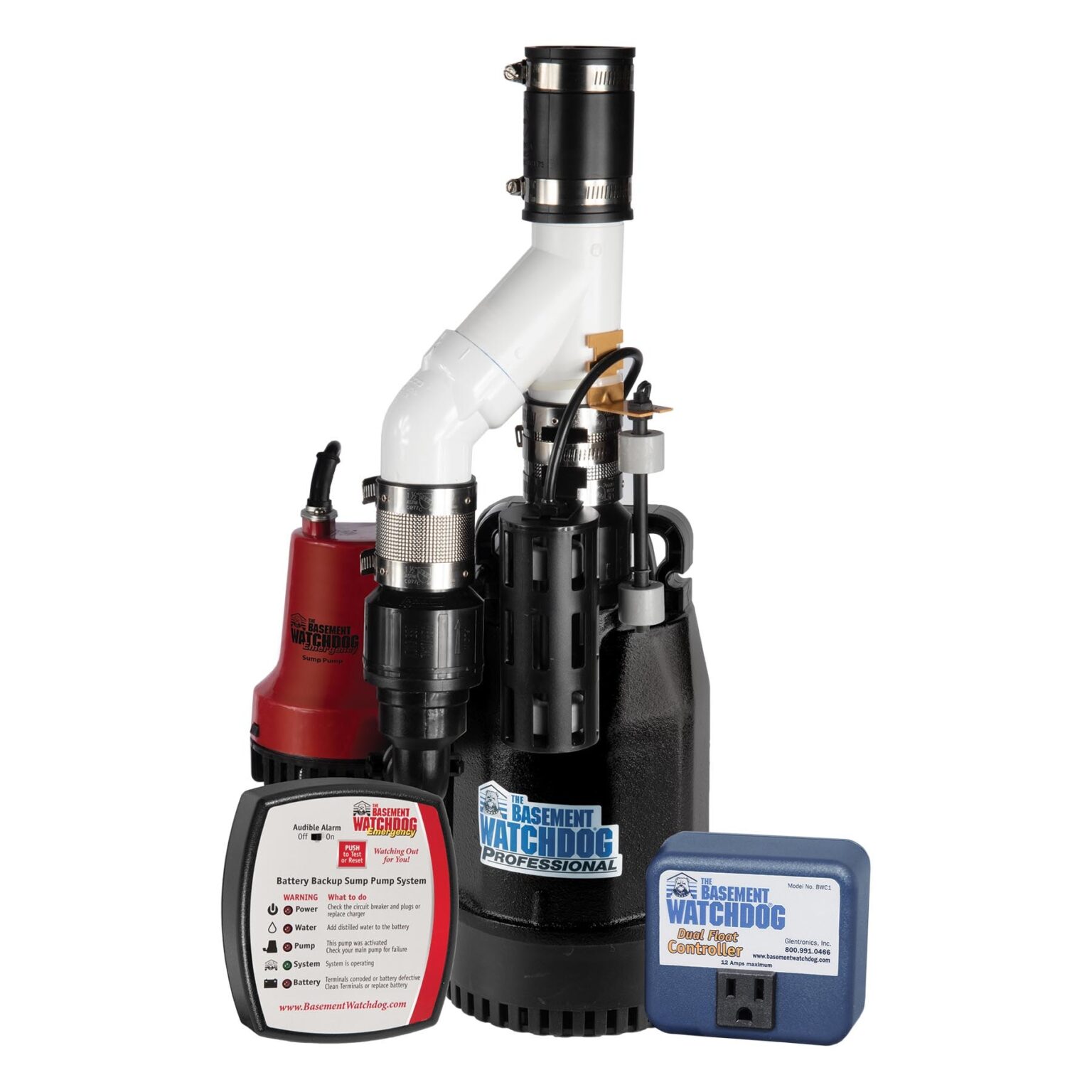
Choosing the best sump pump for your home is less about chasing the highest horsepower and more about matching reliable water removal to your specific basement environment. For temporary floods, high-performance submersible utility pumps (such as the Flotec Submersible Utility Pump 1/4 HP Thermoplastic) are excellent, but permanent installations require a dedicated submersible system, which we compare in our guide to the best sump pumps for flooding. For those dealing with pervasive humidity, our dehumidifier buying guide offers further insight into moisture control.
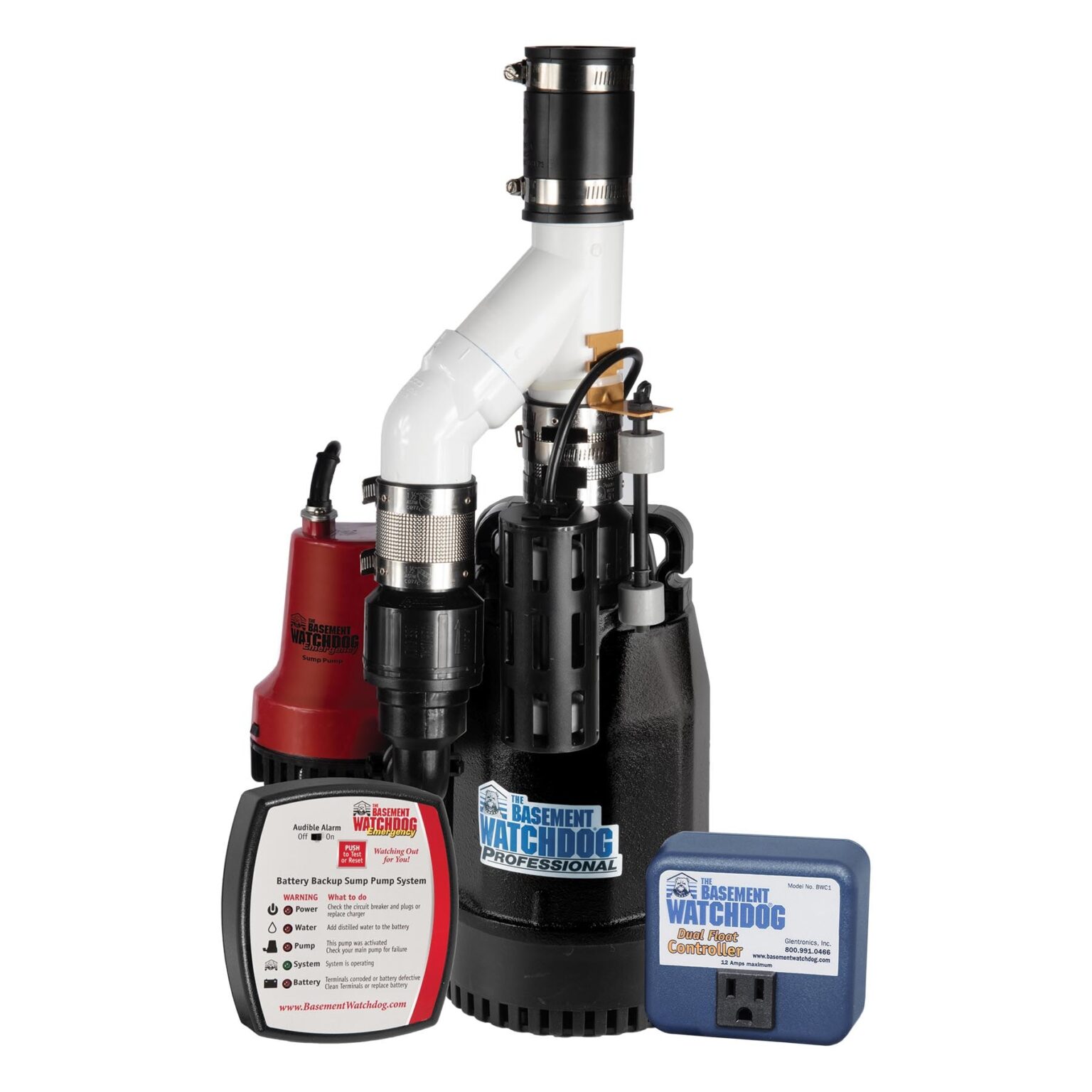
In this buying guide, we examine why the Basement Watchdog 1/3-HP 115-Volt 62-Gallon Cast Iron Submersible Sump (detailed in our Basement Watchdog (BW1033) review) is a professional-grade primary pump built for homeowners who want dependable automatic pumping, durable cast iron construction, and straightforward flood protection during heavy rain or seasonal groundwater rise.
Best overall for standard homeowner sump protection: Basement Watchdog 1/3-HP 115-Volt 62-Gallon Cast Iron Submersible Sump
Score: 9.0/10 — A strong choice for basements and crawl spaces that need automatic water removal, cast iron durability, and up to 62 gallons per minute of pumping capacity from a 115-volt submersible sump pump.
Basement Watchdog 1/3-HP 115-Volt 62-Gallon Cast Iron Submersible Sump
The Basement Watchdog 1/3-HP Cast Iron Submersible Sump is designed for homeowners who need dependable flood protection in a basement or crawl space sump basin. Its key strength is the balance between manageable residential power and practical pumping capacity: with a rated flow of up to 62 gallons per minute, it is positioned for typical nuisance water, storm runoff, and seasonal groundwater intrusion.
The cast iron construction is one of the most important reasons to consider this model. Compared with lighter plastic pump bodies, cast iron generally offers better durability, improved heat dissipation, and a more confidence-inspiring feel for a pump that may sit in damp, demanding conditions for years. For homeowners who do not want to replace a basic sump pump every time heavy weather exposes its weaknesses, that rugged housing is a meaningful upgrade.
The 115-volt motor keeps the BW1033 compatible with common residential electrical setups, while the vertical float switch allows the pump to activate automatically when the water level rises. That matters because a sump pump is only useful if it starts when you are not standing over it. The vertical float design is also helpful in tighter sump pits where wide-travel tethered floats may not have enough room to move freely.
This pump is best for homeowners who already have a sump basin and want a primary sump pump for regular water removal. It is especially suitable for flood-prone regions, homes with recurring wet-basement concerns, and crawl spaces where automatic drainage is needed. If your basement stays damp after standing water is controlled, using a high-capacity dehumidifier for damp rooms can help with ongoing moisture management. However, as this is a primary pump, homes that lose power during storms should consider pairing it with a solution like the Wayne Battery Backup Sump Pump (see our Wayne ESP25 review and detailed battery backup guide.
| Specification | Basement Watchdog BW1033 |
|---|---|
| Model number | BW1033 |
| Category | Water Pumps |
| Pump type | Submersible sump pump |
| Motor power | 1/3 HP |
| Voltage | 115 volts |
| Rated flow | Up to 62 gallons per minute |
| Housing material | Cast iron |
| Switch type | Vertical float switch |
| Best use | Basements and crawl spaces needing automatic flood protection |
Pros
- Cast iron construction is a durability upgrade over many plastic-bodied sump pumps.
- Up to 62 GPM capacity is strong for many residential basement and crawl space applications.
- 115-volt operation fits typical home sump pump installations.
- Vertical float switch supports automatic operation and can work well in tighter sump pits.
- Good fit for homeowners in areas with heavy rainfall or seasonal groundwater problems.
Cons
- As a primary sump pump, it does not provide backup pumping during power outages by itself.
- 1/3-HP capacity may not be ideal for unusually deep pits or extreme vertical lift.
- Requires correct basin sizing and check valve setup to perform as expected.
- Homeowners replacing an old pump should confirm outlet size and discharge compatibility.
Deep Dive: How Submersible Sump Pumps Work
To understand why the Basement Watchdog BW1033 is an effective choice, it is important to understand the mechanics of submersible pumping. Unlike "pedestal" pumps, where the motor sits above the water line on a long shaft, a submersible pump is designed to be completely immersed in the water it is pumping. This allows the pump to push water upward more efficiently, as it is essentially "pushing" rather than "pulling" the liquid.
The process begins in the sump basin (the pit). As groundwater seeps through the foundation or rain flows into the basin, the water level rises. The BW1033 utilizes a vertical float switch. As the water rises, the float slides upward on a guided shaft. Once it reaches a predetermined height, it triggers the electrical contact, powering the 1/3-HP motor.
The motor drives an impeller—a spinning disk with vanes—which creates centrifugal force to sling water upward through the discharge pipe. Because the BW1033 features a cast iron housing, the motor remains cooler and the pump remains stable at the bottom of the pit, resisting the "chatter" or vibration often found in lightweight plastic models. When the water level drops, the float descends, breaking the circuit and shutting the pump off.
Technical Note: Submersible pumps are generally more efficient than pedestal pumps because they don't have to fight gravity to "lift" water into a pump chamber; they are already situated at the lowest point of the water volume.
Installation and Setup Guide for the BW1033
Installing a sump pump correctly is the difference between a dry basement and a flooded one. While the BW1033 is designed for straightforward installation, there are several critical steps homeowners must follow to ensure long-term reliability.
1. Preparing the Basin
Before dropping the BW1033 into the pit, clean out any accumulated debris, silt, or old gravel. A dirty basin can lead to clogged intakes or premature wear on the impeller. Ensure the basin is level and that the bottom is clear of obstructions that could snag the vertical float switch. If the pit has a layer of mud, consider adding a few inches of washed gravel to the bottom to keep the pump slightly elevated and prevent it from sucking up sediment.
2. Positioning the Pump
Place the pump centrally in the basin. It is vital that the vertical float switch has enough room to move freely. If the float hits the side of the basin or a discharge pipe, it may get stuck in the "off" position (leading to a flood) or the "on" position (leading to the pump running dry and burning out the motor). Use a level to ensure the pump is sitting flat on the bottom to avoid uneven wear on the motor bearings.
3. Plumbing and the Check Valve
The BW1033 requires a discharge pipe to move water away from the home. You must install a check valve in the discharge line. A check valve is a one-way valve that prevents water already in the pipe from flowing back into the basin once the pump shuts off. Without a check valve, the pump will have to move the same volume of water twice every cycle, causing unnecessary wear and potential "water hammer" noise which can shake the pipes loose from the ceiling.
4. Electrical Connection
The pump requires a dedicated 115-volt GFCI (Ground Fault Circuit Interrupter) outlet. Because the pump is operating in a wet environment, GFCI protection is mandatory for safety. Avoid using extension cords, as voltage drops can affect motor performance and heat dissipation. If you are installing a new circuit, ensure it is sized correctly for the 1/3-HP motor to prevent tripped breakers during the high-amperage "startup" phase of the pump cycle.
Pro Tip: When testing your new installation, manually lift the float switch to ensure the pump primes and discharges water effectively before sealing the basin lid. This confirms the check valve is oriented correctly and the plumbing is leak-free.
Comprehensive Maintenance Schedule
A sump pump is a "set it and forget it" device until it fails. To prevent emergency failures during a storm, follow this maintenance cadence for your Basement Watchdog BW1033.
| Interval | Task | Purpose |
|---|---|---|
| Monthly | Visual Check | Ensure the basin lid is secure and there are no cracks in the discharge pipe. |
| Monthly | Cycle Test | Pour a five-gallon bucket of water into the basin to ensure the float switch triggers and the pump clears the water. |
| Bi-Annual (Spring/Fall) | Debris Removal | Remove the pump and clear any mud, pebbles, or organic matter from the intake screen. |
| Bi-Annual (Spring/Fall) | Valve Inspection | Check the check valve for leaks or sticking. Replace the valve if it no longer prevents backflow. |
| Annual | Electrical Audit | Ensure the GFCI outlet is functioning and the plug is free of corrosion (see our guide on replacing circuit breakers safely if you suspect electrical issues). |
If you notice the pump is taking longer to empty the basin or is making a high-pitched grinding noise, it may be time to inspect the impeller for obstructions or consider a replacement. Cast iron housings are incredibly durable, but the internal seals and impellers can wear down over a decade of heavy use. Paying attention to the "cycle time"—how long it takes to empty the pit—can give you an early warning that the motor is losing efficiency.
Comparing Sump Pump Materials: Cast Iron vs. Plastic
Many homeowners wonder if the extra investment in a cast iron model like the BW1033 is necessary. Here is a detailed breakdown of how materials affect performance and longevity in a subterranean environment.
| Feature | Plastic/Thermoplastic | Cast Iron (BW1033) |
|---|---|---|
| Heat Dissipation | Low; plastic traps heat. | High; metal radiates heat away from the motor. |
| Structural Rigidity | Can flex or vibrate under load. | Heavy and stable; minimizes vibration. |
| Corrosion Resistance | Immune to rust. | Resistant to rust (coated), but can eventually corrode. |
| Long-term Durability | Prone to cracking over many years. | Extremely rugged; resists physical impact. |
| Weight/Stability | Light; may shift in the basin. | Heavy; stays put during high-flow cycles. |
While plastic pumps are often cheaper and sufficient for light-duty use, the cast iron construction of the BW1033 provides a "heavy-duty" insurance policy. The superior heat dissipation is particularly important for homes in areas with high water tables where the pump may cycle dozens of times per hour during a spring thaw. A plastic pump running continuously during a massive rain event is more likely to overheat, whereas the cast iron body acts as a heat sink, keeping the internal motor components within a safer operating temperature range.
Common Sump Pump Pitfalls to Avoid
Even with a high-quality pump like the Basement Watchdog BW1033, improper planning can lead to failure. Avoid these common homeowner mistakes to protect your investment and your home.
Underestimating "Total Dynamic Head" (Lift)
"Head height" refers to the vertical distance the pump must push water from the bottom of the basin to the exit point. If your lift is too high, a 1/3-HP motor may struggle, and the actual GPM (Gallons Per Minute) will drop significantly. Always check your vertical lift against the performance curve. If you are pumping water up three stories, you may need a higher horsepower model like those described in our Ridgid SP-650C sump pump buying guide, such as the Ridgid Cast Iron Submersible Sump Pump (see our Ridgid SP-650C performance review).
Ignoring the Check Valve
Installing a pump without a check valve causes "cycling," where the pump shuts off and then immediately turns back on because the water remaining in the vertical pipe flows back into the pit. This creates a cycle of inefficiency and can burn out a motor prematurely by forcing it to restart every few seconds.
Neglecting the Basin Size
If your basin is too small, the pump will "short cycle," turning on and off every few seconds as the water level fluctuates slightly. This is extremely hard on the motor. If you have a very small pit, you may need a different float configuration or a larger basin to provide a sufficient "buffer" of water.
Relying on a Single Point of Failure
The BW1033 is an excel