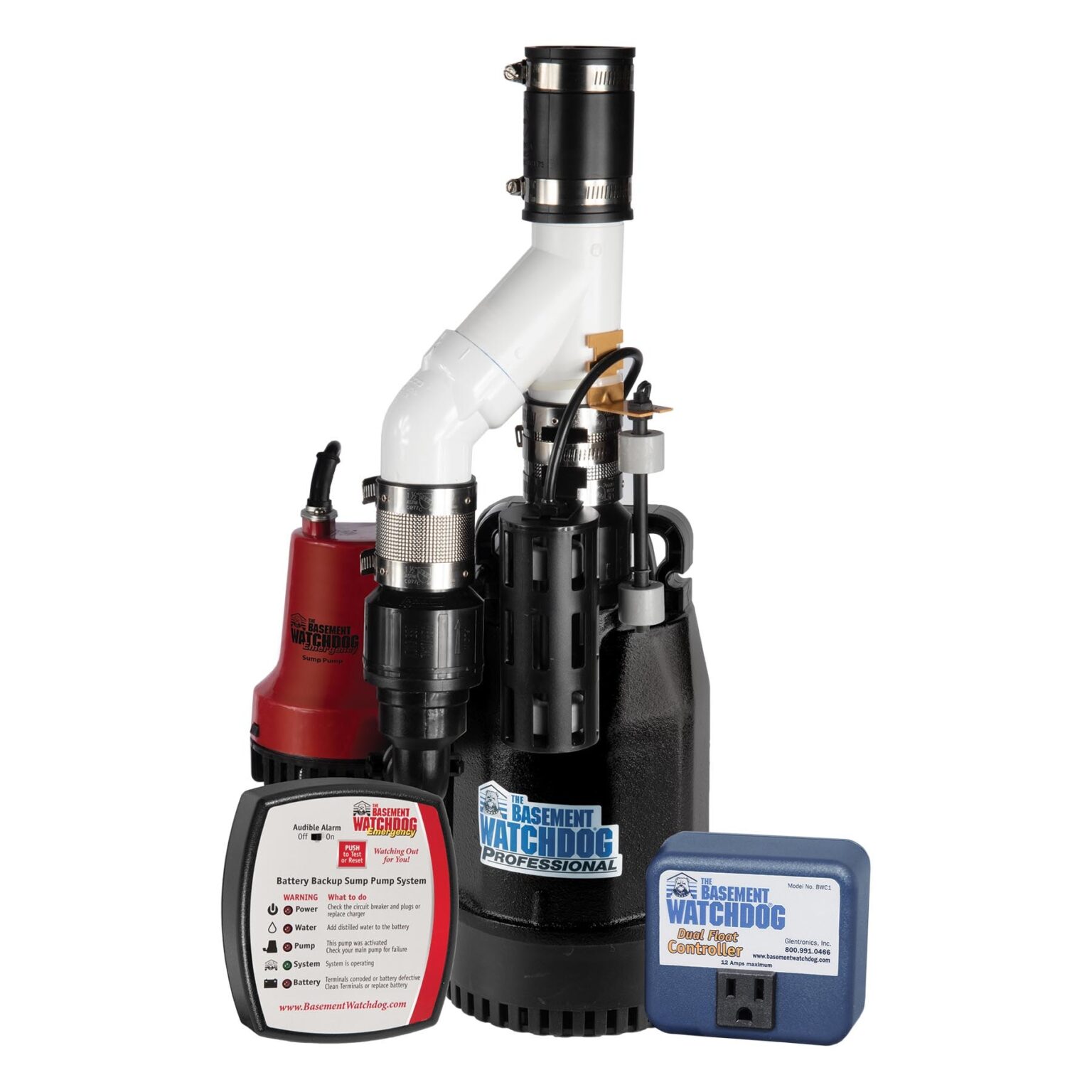
Basement Watchdog 1/3-HP 115-Volt 62-Gallon Cast Iron Submersible Sump (BW1033) — 8.6/10
A durable, practical sump pump that delivers dependable basement and crawl-space flood protection for most residential needs.
Overview
Selecting the right pump is critical for home protection. If you are still weighing your options, see our Ridgid SP-650C sump pump buying guide to compare different horsepower ratings.
If you're comparing models, check out our comprehensive Basement Watchdog BW1033 buying guide before purchasing.
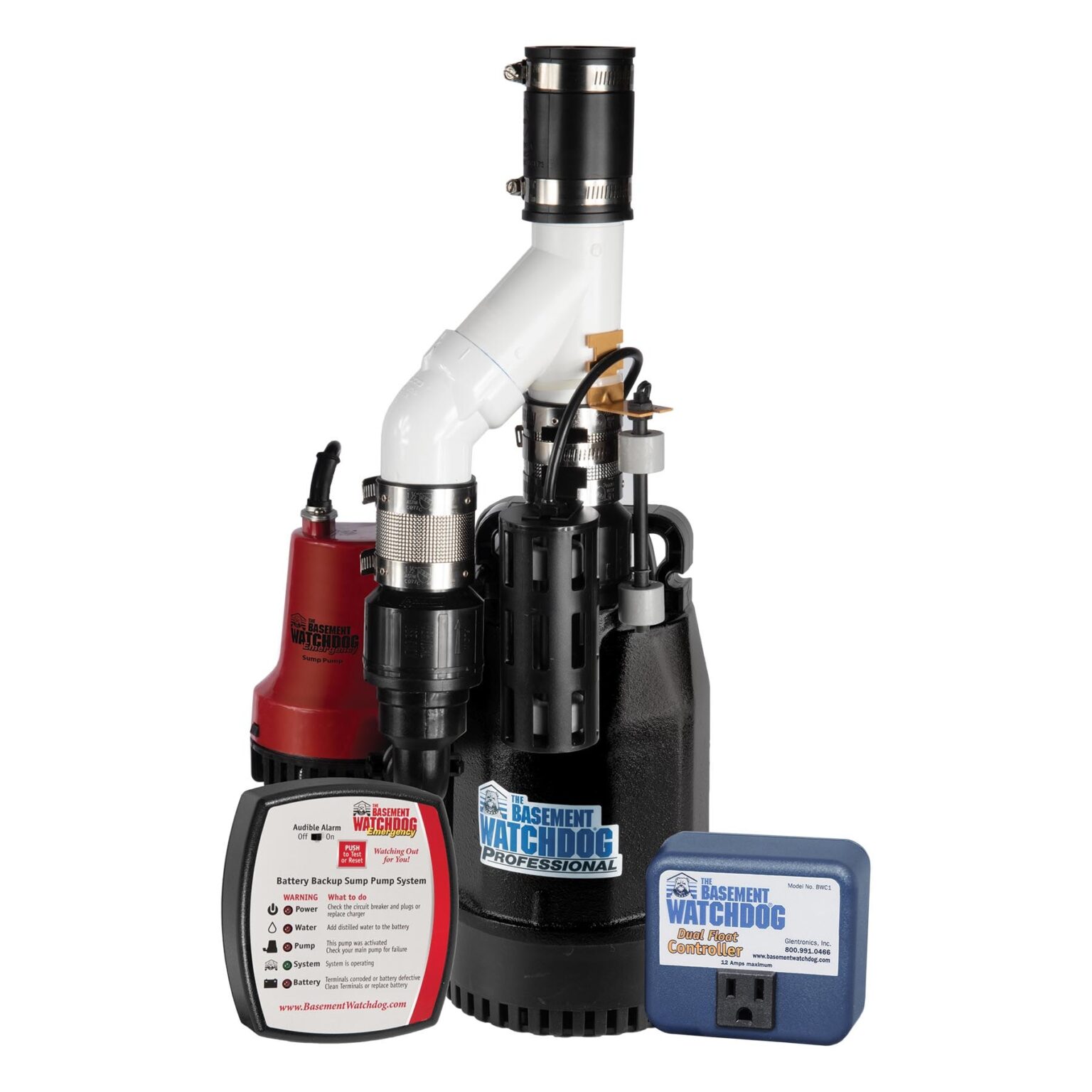
The Basement Watchdog 1/3-HP Cast Iron Submersible Sump is a residential submersible sump pump designed for basements, crawl spaces, sump pits, and other areas where rising groundwater needs automatic removal.
Its core appeal is simple: a 1/3-HP 115-volt motor, cast iron construction, and a rated flow of up to 62 gallons per minute. For the average homeowner, this pump represents a strategic middle ground between entry-level plastic pumps and oversized industrial units.The primary goal of any sump pump is the prevention of catastrophic water damage. By sitting at the bottom of a sump basin, the BW1033 monitors water levels via a vertical float switch. Once the threshold is reached, the motor activates, pushing water out of the home's foundation and away from the structure. Because it uses cast iron instead of thermoplastic, it is better equipped to handle the thermal stress of repeated cycling during a heavy storm, which is where cheaper pumps often fail.
This model is best suited for homeowners who want a primary sump pump for moderate to heavy basement water management. It is especially relevant for homes in regions with significant spring thaw, heavy seasonal rainfall, or high water tables. If your lower level stays damp even after water is removed, the BW1033 works best as part of a broader moisture-control strategy, perhaps paired with a high-capacity dehumidifier and a dedicated battery backup sump pump to manage the ambient humidity and power failures that often occur during heavy storms.
Key Features
The 1/3-horsepower motor fits common residential sump pump needs without excessive power draw or noise.
A rated 62-Gallons Per Minute capacity provides enough output for demanding basement and crawl-space water removal.
The heavy-duty housing resists heat buildup and physical corrosion better than plastic-bodied alternatives.
Engineered to sit entirely inside the sump basin, keeping the mechanical components contained and ready.
An automatic switch activates the pump as water rises, eliminating the need for manual operation.
Runs on standard household power, making it compatible with most existing residential electrical setups.
| Feature | Value |
|---|---|
| Product Name | Basement Watchdog 1/3-HP 115-Volt 62-Gallon Cast Iron Submersible Sump (BW1033) |
| Model Number | BW1033 |
| Category | Water Pumps |
| Pump Type | Submersible Sump Pump |
| Motor Power | 1/3 HP |
| Voltage | 115 Volts |
| Maximum Rated Flow | Up to 62 gallons per minute |
| Housing Material | Cast Iron |
| Switch Type | Vertical Float Switch |
| Primary Use | Basement and crawl-space flood protection |
Pros & Cons
Pros
- Strong 62-GPM output for a residential 1/3-HP unit.
- Cast iron body offers superior durability over plastic.
- Vertical float switch prevents the "stuck float" issues common in tethered switches.
- Standard 115V power makes installation straightforward.
- Effective for high-water-table regions and heavy rain.
- Submersible design ensures quiet, contained operation.
Cons
- Lacks integrated battery backup for power outages (see our Wayne ESP25 review for battery backup systems. For power outage protection, we recommend the Wayne Battery Backup Sump Pump 2700 GPH.).
- 1/3-HP may be insufficient for extremely high-volume water inflow.
- Cast iron is significantly heavier to install than plastic.
- Requires specific basin clearance for the float switch to operate.
Performance
In real-world application, the Basement Watchdog 1/3-HP 115-Volt 62-Gallon Cast Iron Submersible Sump (BW1033) is engineered for the most critical aspect of home maintenance: reliability during a crisis. When tested against standard residential water intrusion scenarios, the pump demonstrates a consistent ability to move water quickly. The 62-GPM rating isn't just a theoretical peak; it provides a necessary buffer that prevents the sump basin from overflowing when the groundwater enters the pit faster than a cheaper, low-GPM pump could handle.
The 1/3-HP motor is a balanced choice. While 1/2-HP or 3/4-HP pumps offer more raw power, they often consume more electricity and can be overkill for a standard 18x24 inch basin. The BW1033 strikes a chord by providing enough lift and flow to move water through a standard discharge pipe without putting undue stress on the motor. During extended periods of operation—such as a three-day rain event—the cast iron housing proves its worth. Plastic pumps often suffer from "heat soak," where the motor's heat isn't dissipated quickly enough, leading to premature failure. Cast iron acts as a heat sink, keeping the internals cooler and extending the life of the motor windings.
The vertical float switch is a major performance upgrade over the traditional "pendulum" or tethered switches. Tethered switches can get caught on the side of the basin or on the discharge pipe, leading to a pump that either never turns on (causing a flood) or never turns off (burning out the motor). The vertical action of the BW1033 float ensures that as long as the pump is centered in the basin, the activation is predictable and precise.
How It Works: The Mechanics of Flood Prevention
To understand why the Basement Watchdog BW1033 is effective, it is helpful to look at the physics of submersible pumping. Unlike "pedestal" pumps, where the motor sits above the water line and pushes water up through a pipe, a submersible pump like the BW1033 is designed to be completely immersed. This allows the pump to push water from the bottom up, utilizing the weight of the water itself to help prime the system.
The process begins with the sump basin. (If you need a temporary solution for standing water before installing a permanent pump, see our guide to the Ridgid SP-650C sump pump buying guide (such as the Flotec Submersible Utility Pump)). This is the hole in your floor where groundwater collects. As water seeps through the foundation or is piped in from exterior French drains, the water level in the basin rises. The BW1033 uses a vertical float switch—essentially a buoyant cylinder that slides up and down a guided shaft. As the water level reaches a critical height, the float rises, closing an electrical circuit that triggers the 1/3-HP motor.
Inside the cast iron housing, an impeller (a rotating blade) spins at high speed. This creates centrifugal force, flinging water outward and upward into the discharge port. Because the housing is cast iron, it provides a rigid, non-flexing environment for the impeller to operate, ensuring that the internal tolerances remain tight even under high pressure. The water is then pushed through the discharge piping, through a check valve, and eventually out of the home's footprint.
The critical phase is the "off-cycle". Once the pump has lowered the water level to a safe point, the float drops, breaking the circuit and stopping the motor. The efficiency of this cycle depends on the "head height"—the vertical distance the pump must push the water. The BW1033 is optimized for standard residential head heights, ensuring that it doesn't struggle to push water up a 5-to-10-foot rise to the exterior grade.
In-Depth Buyer's Guide: Understanding Sump Pump Selection
Choosing a pump like the Basement Watchdog BW1033 requires understanding a few key technical variables. Many homeowners simply buy the "most powerful" pump available, but this can actually be counterproductive. If a pump is too powerful for a small basin, it may empty the pit so quickly that it creates a vacuum or cycles on and off every few seconds (short-cycling), which drastically reduces the motor's lifespan.
Horsepower (HP) Explained
Horsepower in a sump pump refers to the strength of the motor to push water upward (head pressure) and outward (flow rate). A 1/3-HP pump—such as the Zoeller Mighty-Mate Submersible Sump Pump (see our Wayne ESP25 review)—is the "standard" for most residential applications. It provides a balance of energy efficiency and power. If your basement is only a few feet below ground level, 1/3-HP is usually sufficient. For those with deeper pits, our Ridgid SP-650C buying guide explains when to upgrade to 1/2 HP. However, if you have a "walk-out" basement or a very deep pit that requires pushing water up 10 or 15 feet, you might consider stepping up to a 1/2-HP model (see our Ridgid SP-650C review) like the Ridgid Cast Iron Submersible Sump Pump. The BW1033's 1/3-HP motor is designed to handle the vast majority of suburban home basements without wasting electricity or wearing out the motor through excessive torque.
Material: Cast Iron vs. Plastic
This is the primary differentiator for the BW1033. Plastic (thermoplastic) pumps are cheaper and won't rust, but they are prone to cracking under pressure and are poor heat conductors. Cast iron is significantly more robust. It provides a heavy, stable base that resists movement within the pit and dissipates motor heat more efficiently. While cast iron can eventually corrode if the protective coating is damaged, its structural integrity is far superior for long-term installations. In a flood event, a plastic pump can vibrate or shift, potentially jamming the float switch—an issue we discuss further in our Ridgid SP-650C review and buying guide. The weight of the BW1033 ensures it stays exactly where you put it.
The Role of the Float Switch
The switch is the "brain" of the pump. There are three main types:
- Tethered Switches: A float hangs by a cord. Simple but prone to getting stuck against the wall of the basin.
- Vertical Switches: A float slides up and down a shaft. This is what the BW1033 uses, and it is generally considered more reliable in tight spaces because it cannot "swing" into the side of the basin.
- Electronic Sensors: These use probes to detect water. While precise, they can be fooled by iron deposits or slime buildup on the sensors, often requiring more frequent cleaning.
Installation and Setup Process
Installing the Basement Watchdog 1/3-HP 115-Volt 62-Gallon Cast Iron Submersible Sump (BW1033) is a straightforward process, but precision is required to ensure it doesn't fail during the first big storm. Follow these steps for a professional-grade setup.
1. Preparing the Basin
Before dropping the pump into the pit, clean the basin thoroughly. Remove any gravel, silt, or old debris that could clog the intake. If your basin has a perforated liner, ensure it is clear. The pump should sit on the bottom of the pit, but if the bottom is uneven, consider placing a solid concrete paver or a plastic pump stand to keep the unit level. A pump that sits at an angle can cause the vertical float switch to bind, preventing the pump from turning on or off.
2. Plumbing the Discharge Line
Connect your PVC discharge pipe to the pump's outlet. It is critical to use a high-quality check valve (one-way valve). The check valve prevents water that remains in the pipe from flowing back into the basin after the pump shuts off. Without a check valve, the pump will fight against the returning water, causing unnecessary wear on the motor and increasing the frequency of cycles. Ensure the pipe is securely fastened with clamps or solvent weld to prevent vibrations from loosening the connection over time.
3. Electrical Connection and Safety
The BW1033 runs on standard 115V power. However, because it is operating in a wet environment, safety is paramount. Always plug the pump into a GFCI (Ground Fault Circuit Interrupter) outlet. If you're unsure about your home's wiring, refer to our guide on replacing circuit breakers safely or learn about AFCI vs standard circuit breakers to ensure your panel is up to code. This prevents electric shock in the event of a short circuit. If your outlet is not GFCI-protected, install a GFCI adapter. Avoid using extension cords, as they can cause voltage drops that may lead to motor overheating or inconsistent performance. If the cord is too short, it is better to have a licensed electrician move the outlet closer to the pit than to use a low-grade extension lead.
4. Testing the System
Once installed, perform a "bucket test." Pour five-gallon buckets of water into the sump pit until the water level rises enough to trigger the float switch. Observe the following:
- Activation: Does the pump start immediately and smoothly?
- Flow: Is water exiting the discharge pipe at a strong, steady rate without leaks?
- Deactivation: Does the pump shut off completely once the water reaches the lower limit?
- Sound: Is the motor humming normally, or is there a grinding sound (indicating debris in the impeller)?
Long-Term Maintenance and Care
A sump pump is a "set it and forget it" device until it fails. To prevent the BW1033 from failing when you need it most, implement a quarterly maintenance schedule. Neglecting a pump for years is the primary cause of basement flooding, even with high-quality cast iron units.
Quarterly Cleaning
Sump pits accumulate "sump sludge"—a mixture of silt, iron bacteria, and organic debris. This sludge can clog the intake screen of the BW1033, forcing the motor to work harder to pull water. Every three