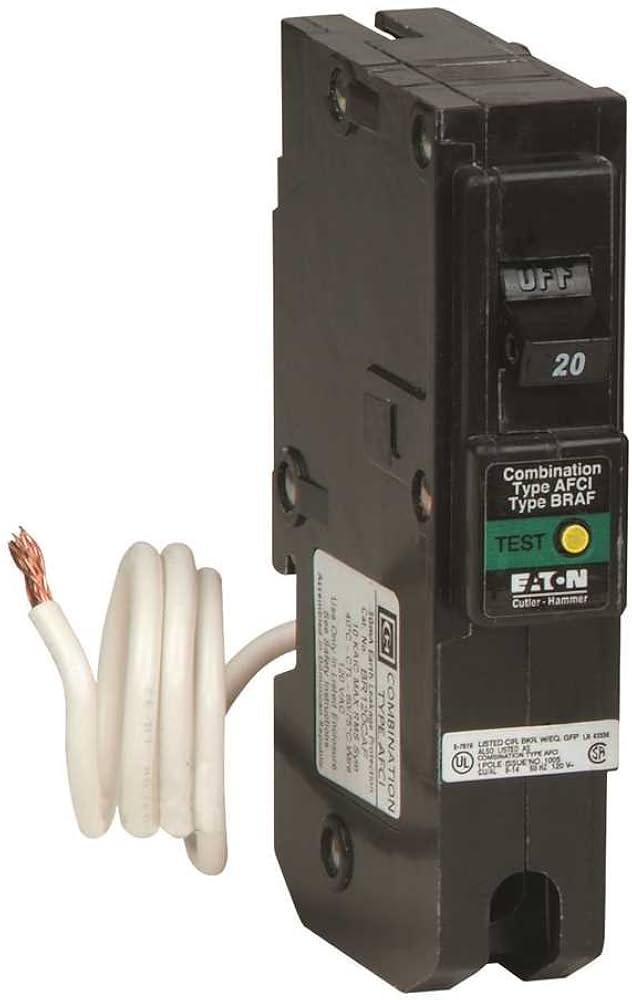
When deciding between an AFCI vs. standard circuit breaker, homeowners must prioritize residential electrical safety and NEC code compliance to prevent hazardous electrical fires. Understanding which breaker to use is critical for protecting your home's wiring and reducing the risk of electrical fires. For those updating an older electrical panel, recognizing these key differences is the first step toward a safer, code-compliant home. If you're planning a DIY update, be sure to follow a guide on how to replace a circuit breaker safely at home. While standard breakers protect against system overloads, AFCI breakers (Arc-Fault Circuit Interrupters) are specifically designed to detect dangerous electrical arcing—a leading cause of residential fires. For homeowners with BR panels, the Eaton Single-Pole Combination AFCI Circuit Breaker 15-Amp (read our full review here) is a highly rated choice for this safety upgrade. Upgrading your electrical panel is a cornerstone of residential safety, complementing other essential home safety upgrades. To ensure your electrical panel meets modern safety standards, you must select the correct hardware for your panel brand and amperage. If you're undecided on a manufacturer, comparing Square D vs Eaton circuit breakers can help you determine which brand best fits your installation.
What is a Standard Circuit Breaker?
A standard circuit breaker (such as a Siemens 15 Amp) is designed to protect your home's wiring from overloads and short circuits. Depending on the load, you may need different capacities; see our guide to the best 20-Amp circuit breakers for home electrical panels. While residential panels are the standard for homes, specialized environments—such as boats—require specialized hardware to handle different voltage and vibration requirements. When too many appliances are plugged into one circuit, or when a hot wire touches a neutral wire, the breaker trips to prevent the wires from overheating and causing a fire.
What is an AFCI Breaker?
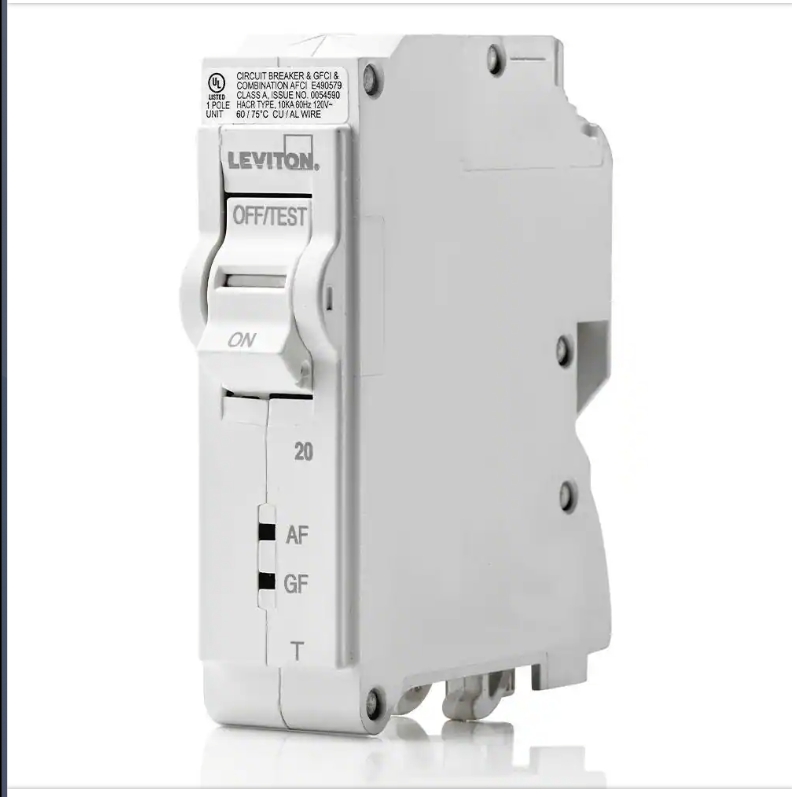
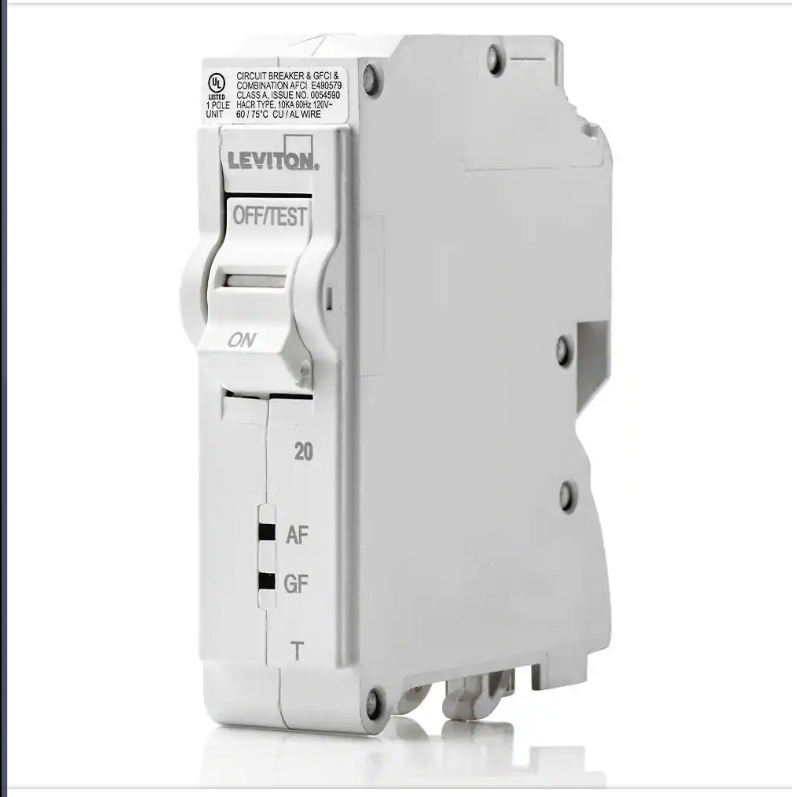
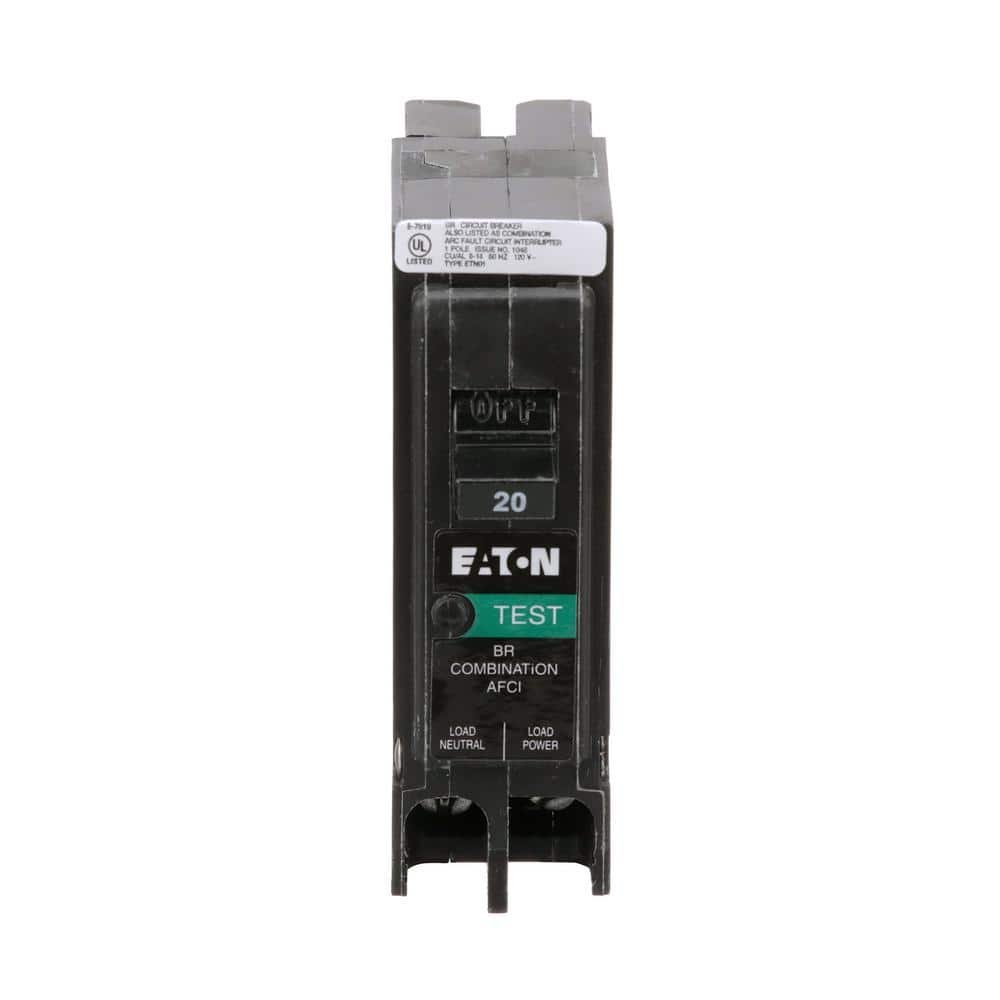
An AFCI breaker goes a step further. For high-demand circuits—which you can explore further in our guide to the best 20-Amp circuit breakers—the Leviton 20-Amp Combination AFCI Circuit Breaker is an excellent choice. While it provides the same overload protection as a standard breaker, it also uses advanced electronics to detect dangerous electrical arcs. For those with compatible panels, the Eaton Single-Pole Combination AFCI Circuit Breaker is a prime example of this technology in action. Arcing occurs when electricity jumps between damaged wires or through a frayed cord, creating intense heat that can ignite surrounding materials long before a standard breaker would ever trip.
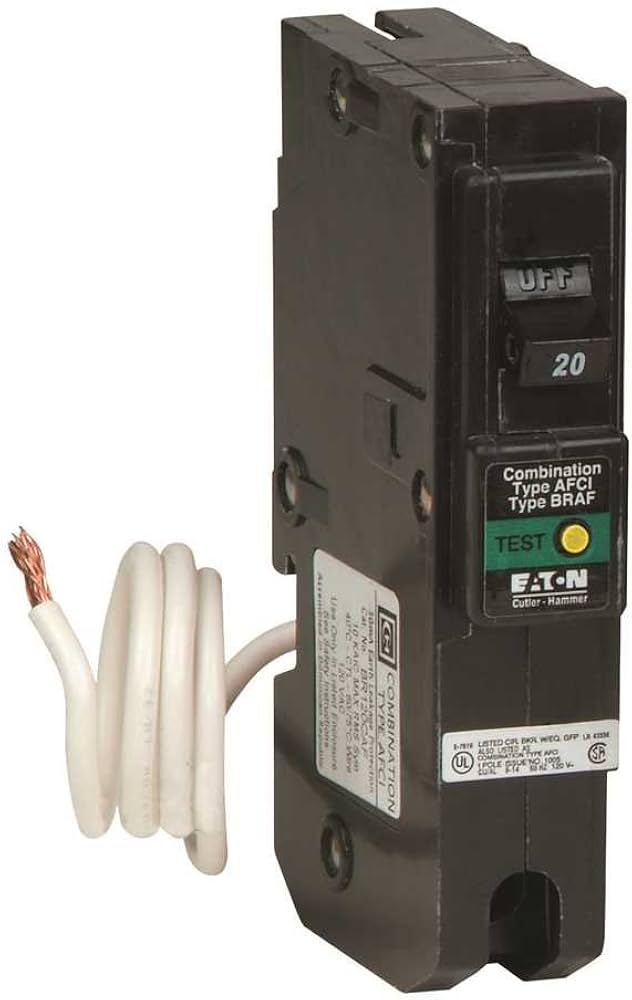
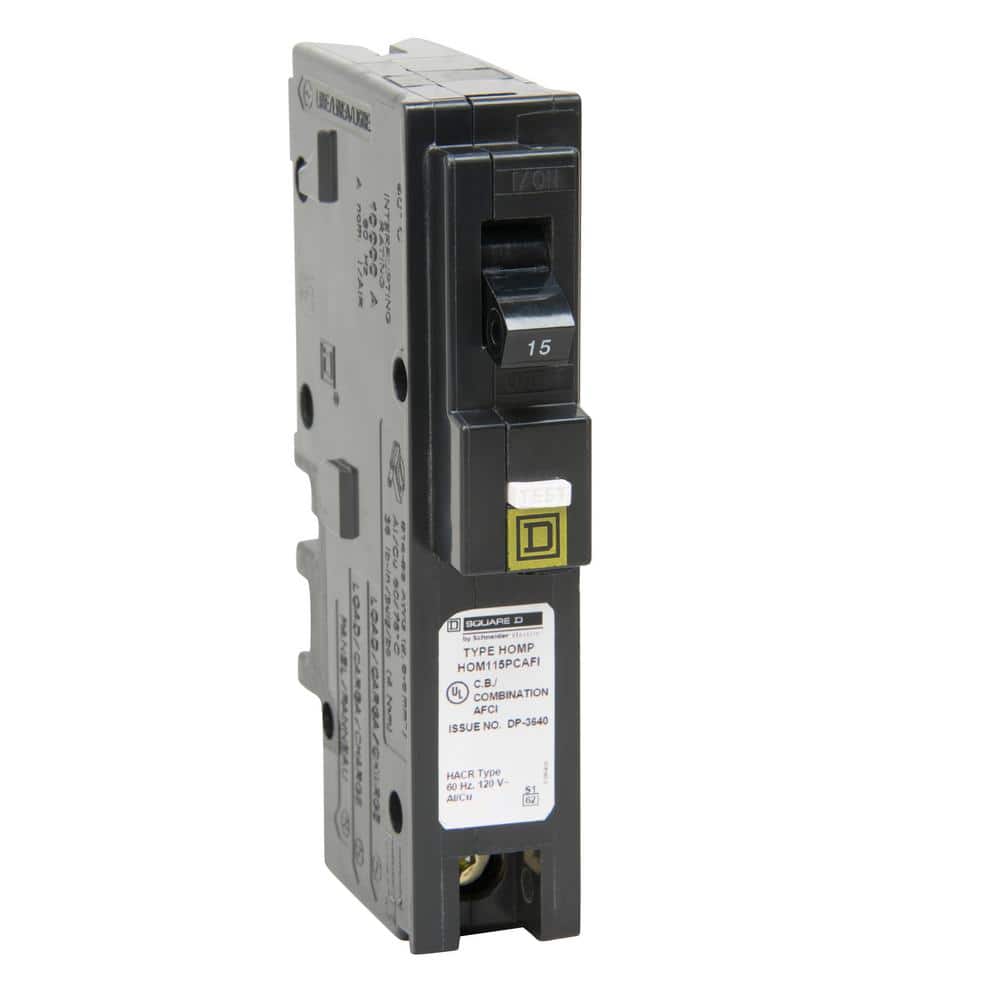
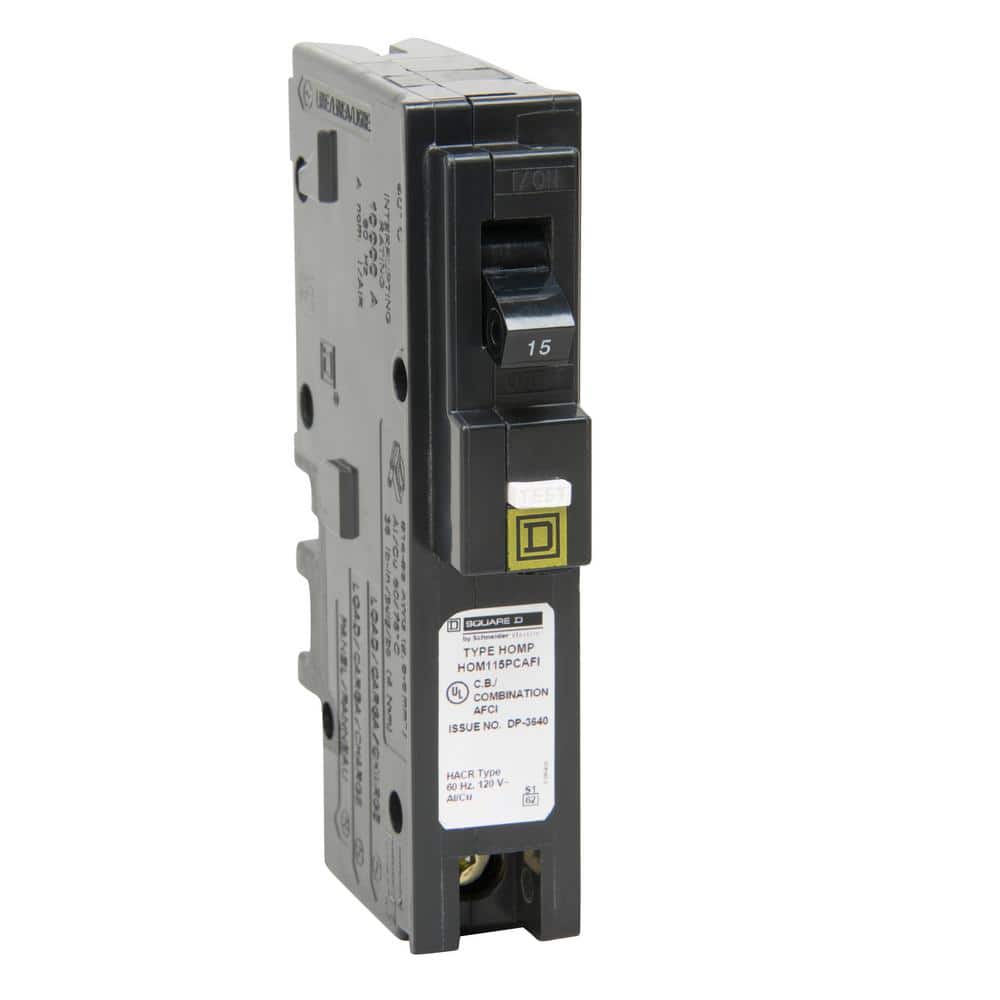
For homeowners with BR-style panels, the Eaton Single-Pole Combination AFCI Circuit Breaker 15-Amp offers a reliable, code-compliant upgrade. Those using Homeline panels should opt for the Square D Homeline Single-Pole Plug-On Neutral AFCI Circuit Breaker 15-Amp.
AFCI vs. Standard: Key Differences
| Feature | Standard Breaker | AFCI Breaker |
|---|---|---|
| Overload Protection | Yes | Yes |
| Short Circuit Protection | Yes | Yes |
| Arc-Fault Detection | No | Yes |
| Cost | Low | Higher |
Which One Do You Need?
Choosing between these two depends primarily on your home's age, the room's purpose, and current local building codes. If you are choosing between brands for your installation, check out our comparison of Square D vs Eaton circuit breakers.
The Verdict: For bedrooms, living rooms, and most general-purpose areas in modern homes, AFCI breakers are now mandated by the National Electrical Code (NEC) and are the only choice for significantly reducing the risk of residential fires.
If you are simply replacing a breaker in an older circuit that isn't required by code to be updated, a standard 20-Amp circuit breaker may suffice, though you should consult a guide on replacing breakers safely before starting any work. However, if you are performing a full renovation—such as updating your basement sump pump and safety systems or adding a home office—upgrading to AFCI is highly recommended to meet current safety codes. If your renovation includes a basement, ensuring your drainage systems and fire-resistant insulation are updated alongside your electrical upgrades will create a safer, more comfortable living space.