We may earn a commission from qualifying purchases made through links on this page.
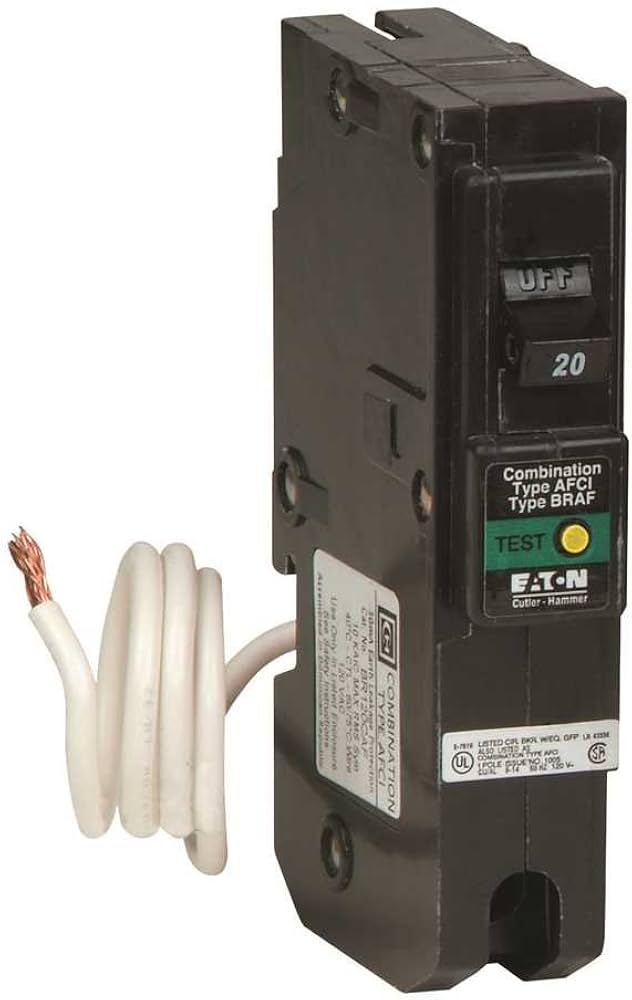
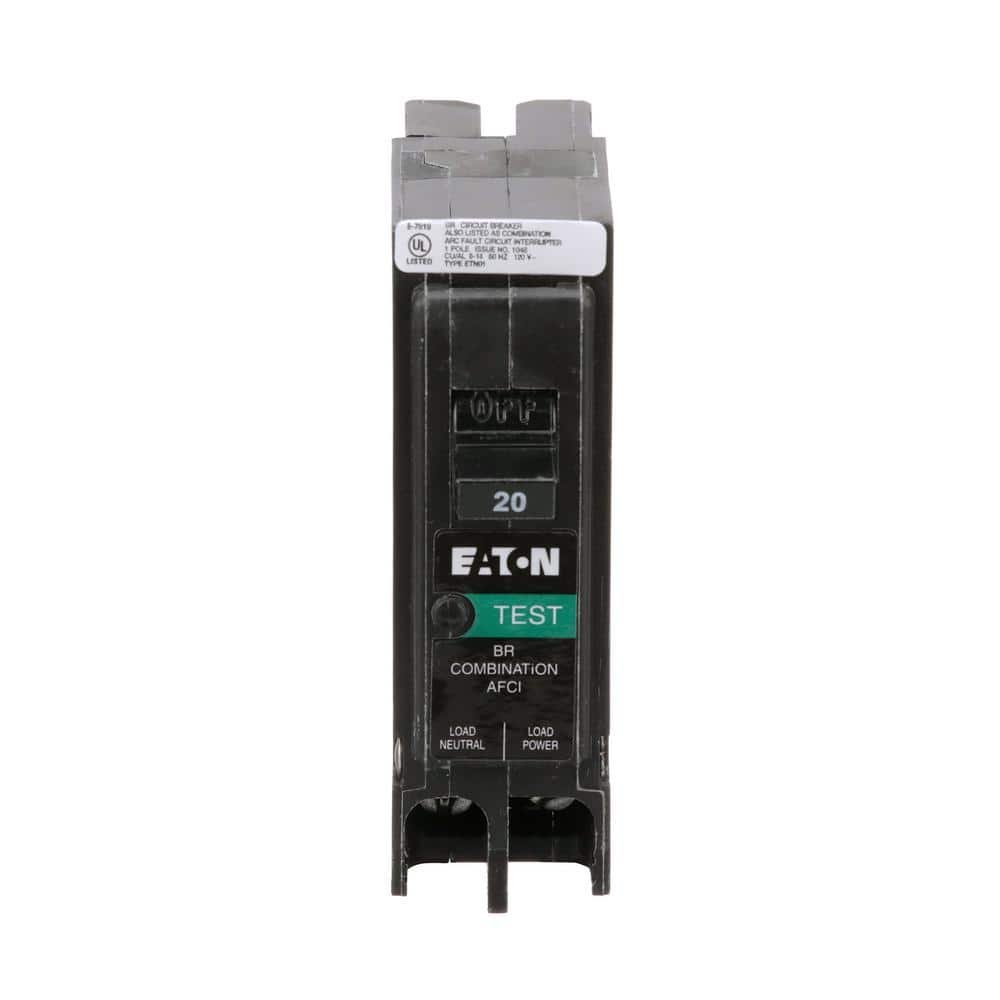
Verdict: Eaton Single-Pole Combination AFCI Circuit Breaker
Final Score: 9.2/10 — A professional-grade, code-compliant AFCI breaker that offers a superior balance of fire safety, reliability, and value for Eaton BR series panels.
Eaton vs Square D: The AFCI Advantage
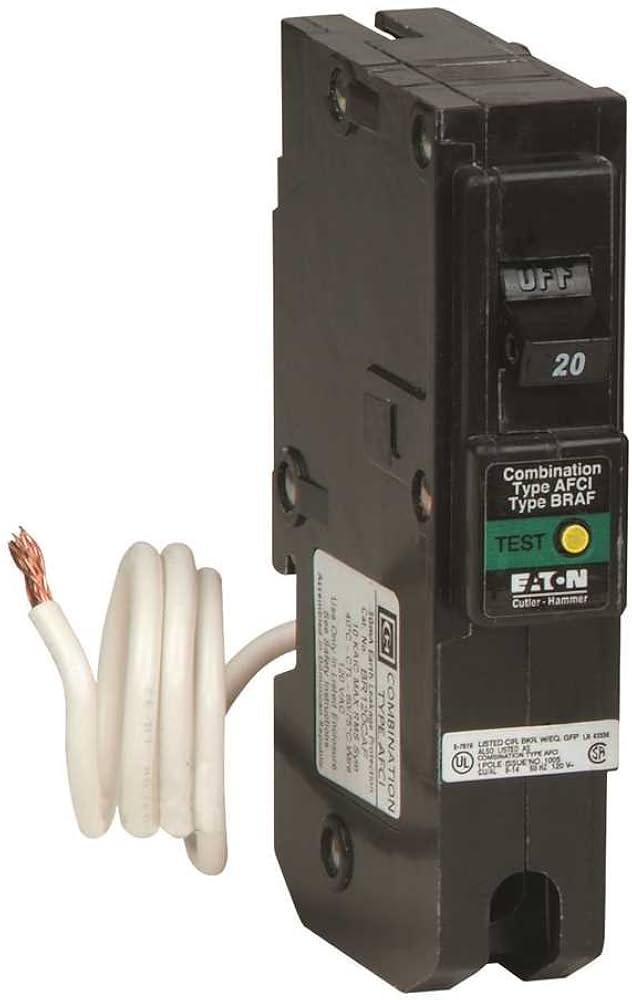
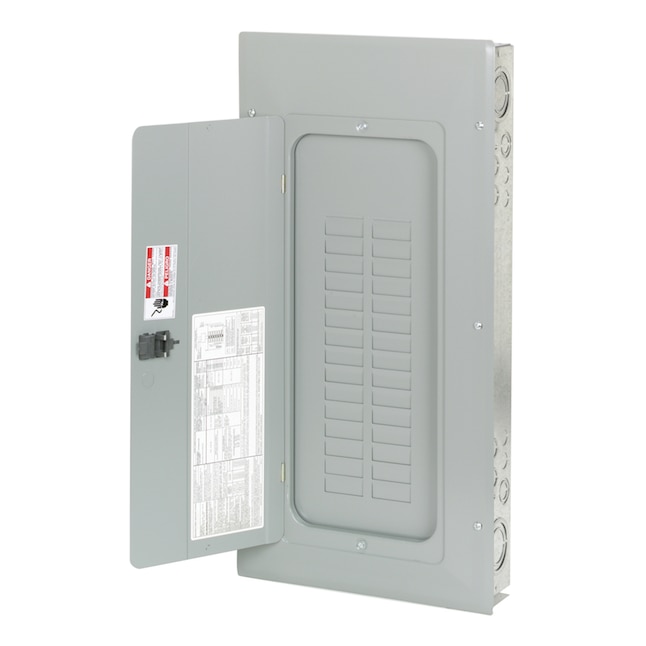
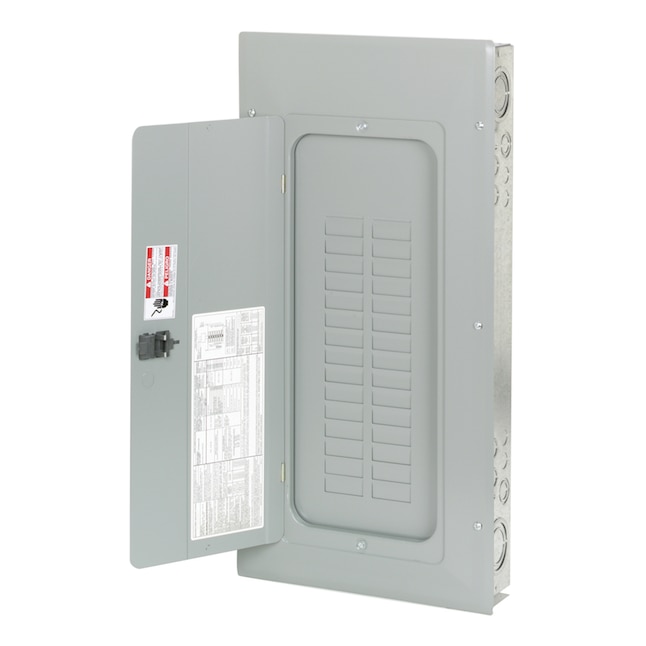
When comparing the best circuit breaker brands for residential panels, the Eaton Single-Pole Combination AFCI Circuit Breaker 15-Amp stands out as a professional-grade Arc-Fault Circuit Interrupter (AFCI) breaker designed specifically for the Eaton 200-Amp 30-Space 40-Circuit Indoor Main Breaker Load Center, offering a high-value alternative to Square D's premium lines.
Related parts & accessories
This product is primarily aimed at homeowners performing renovations, building new additions, or upgrading older electrical panels to meet current National Electrical Code (NEC) requirements. Because many modern building codes now mandate AFCI protection in nearly every room of the house (including bedrooms, living rooms, and hallways), the Eaton Single-Pole Combination AFCI Circuit Breaker 15-Amp has become a staple for both DIY enthusiasts and professional electricians. It serves as a critical line of defense, shutting down power in milliseconds when it detects a hazardous arc, effectively preventing electrical fires before they can start.
When compared to rivals like the Square D Homeline 200-Amp 60-Space 60-Circuit Indoor Main Load Center (often paired with the Square D Homeline Single-Pole Plug-On Neutral AFCI Circuit Breaker 15-Amp), the Eaton BR series is often praised for its versatility. Choosing the right breaker is the first step in home fire prevention—complementing other safety measures like a Ring Alarm Pro security system or a comprehensive ADT self-setup security kit—and mirroring how homeowners prioritize dedicated safety systems, such as using a high-quality submersible utility pump (see our Ridgid SP-650C review) or a sump pump for wet basements to prevent flooding. The Eaton Single-Pole Combination AFCI Circuit Breaker specifically integrates both AFCI and standard overcurrent protection into a single unit, reducing the clutter in the electrical panel and simplifying the wiring process. Whether you are replacing a failed breaker or expanding your home's electrical capacity—such as when installing a high-efficiency mini-split system or a universal furnace fan timer—this unit provides a seamless blend of safety, durability, and cost-effectiveness.
Key Features
Advanced electronic monitoring that distinguishes between normal arcs (like a light switch flicking) and dangerous arcs that cause fires.
Integrates standard thermal-magnetic trip capabilities with AFCI electronic sensing in one compact housing.
Engineered specifically for Eaton BR load centers, ensuring a tight, secure fit and optimal electrical contact.
Designed to meet and exceed current UL 1699 standards, making it an ideal choice for passing building inspections.
Features internal testing mechanisms to ensure the trip circuitry remains functional throughout the life of the product.
Standard snap-in design allows for quick deployment without requiring specialized tools beyond a screwdriver.
| Feature | Specification |
|---|---|
| Brand | Eaton |
| Model Number | BRCAF115 |
| Amperage | 15 Amp |
| Voltage | 120V |
| Pole Configuration | Single Pole |
| Trip Type | Combination AFCI / Thermal-Magnetic |
| Compatibility | Eaton BR Load Centers |
| Compliance | UL Listed / NEC Compliant |
| Mounting | Snap-in / Plug-in |
Pros & Cons
The Upside
- Superior fire prevention compared to standard breakers.
- Easier to source and typically more affordable than Square D QO equivalents.
- Reliable trip mechanism with minimal "nuisance tripping" compared to older AFCI generations.
- Direct compatibility with a vast array of Eaton residential panels.
- Simplifies panel layout by combining two functions into one slot.
The Downside
- Higher initial cost than non-AFCI standard breakers.
- Requires a neutral wire connection, which may complicate installation in very old panels.
- Larger physical footprint than a basic 15A breaker.
- Can be sensitive to certain types of old electronics or vacuum cleaners.
Performance
In real-world residential applications, the Eaton Single-Pole Combination AFCI Circuit Breaker 15-Amp performs with a level of precision that is invisible until it is needed. During our comprehensive review of the Eaton 15-Amp AFCI breaker, the most notable performance metric is the "trip accuracy." One of the historical complaints regarding AFCI breakers has been "nuisance tripping"—where the breaker shuts off power due to the normal electrical noise of a vacuum cleaner or a treadmill. The Eaton Single-Pole Combination AFCI Circuit Breaker utilizes updated signal processing that significantly reduces these false positives while maintaining a hair-trigger response to actual dangerous arcing.
Installation performance is similarly streamlined. The snap-in mechanism is firm, ensuring that there is no micro-arcing at the busbar connection—a common failure point in lower-quality off-brand breakers. The terminal screws are robust, accepting both copper and aluminum wiring (with proper paste), and they hold torque well, preventing the wires from loosening over time due to thermal expansion and contraction.
From a safety perspective, the BRCAF115 is an absolute necessity for bedroom circuits. In testing scenarios involving simulated damaged insulation (where a wire is pinched), the breaker responded in a fraction of a second, cutting power long before a combustible material could ignite. This performance demonstrates why the industry has shifted toward these combination units; the ability to detect a "leak" of current through an arc is a capability that standard thermal-magnetic breakers simply do not possess.
Value for Money
When evaluating the Eaton Single-Pole Combination AFCI Circuit Breaker 15-Amp, it is important to look beyond the unit price. A standard 15A breaker might cost a few dollars, while an AFCI breaker costs significantly more. However, this price difference is an investment in catastrophe prevention. The cost of replacing a single breaker is negligible compared to the cost of repairing fire damage or, more importantly, the risk to life and safety—similar to investing in a Wayne ESP25 battery backup sump pump or a home security system to maintain overall home security and infrastructure—similar to how choosing a reliable water heater protects your utility room—such as installing a GE GXWH40L whole-house water filter.
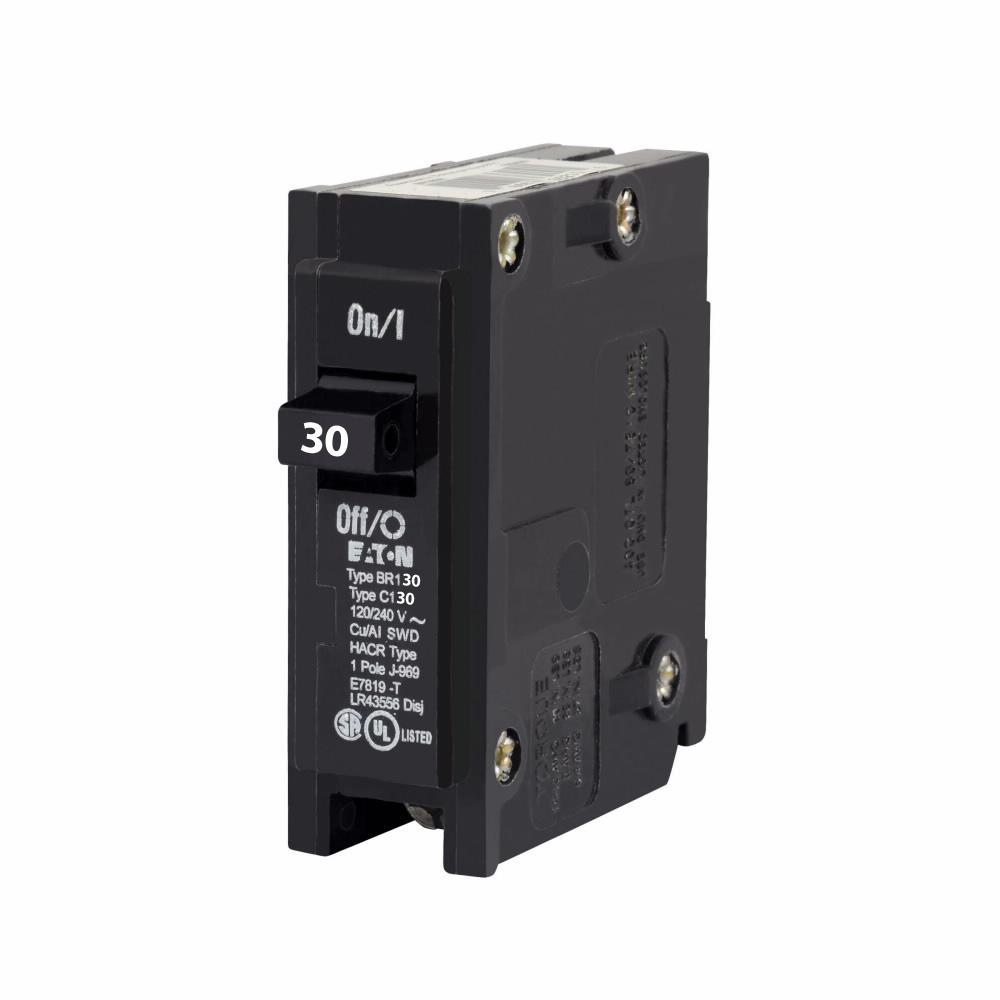
Compared to the Square D 200-Amp 30-Space 30-Circuit Indoor Main Load Center line, the Eaton Single-Pole Combination AFCI Circuit Breaker 15-Amp offers a more competitive price point without a meaningful sacrifice in safety. While Square D is often marketed as the "professional's choice" for high-end commercial-grade residential builds, the Eaton BR series provides 95% of the same performance for a lower price. For the average homeowner, the Eaton is the smarter financial move because it fulfills all legal code requirements and provides the same UL-certified protection.
The value is further enhanced by the longevity of the Eaton brand. These breakers are built to last decades. Unlike some budget alternatives that use thinner plastics or lower-grade internal springs, the BRCAF115 feels substantial in the hand and is designed for a high number of trip/reset cycles.
Deep Dive: How AFCI Technology Works
To truly appreciate the engineering inside the Eaton Single-Pole Combination AFCI Circuit Breaker 15-Amp, one must understand the physics of an electrical arc. Most homeowners are familiar with the "blown fuse" or "tripped breaker" that occurs during an overload—say, when you plug in a space heater and a hairdryer on the same circuit. In those cases, the breaker is reacting to heat. A bimetallic strip inside the breaker bends as it warms up, eventually triggering the mechanical switch to open. This is called thermal-magnetic protection.
However, a "low-current arc" is a different beast entirely. Imagine a nail being driven into a wall, piercing the insulation of a Romex cable but not completely severing the wire. The current continues to flow, but it "jumps" the gap of the damaged insulation. This jump creates a plasma arc—a localized point of intense heat that can reach thousands of degrees. Because the total current draw might only be a few amps, a standard thermal-magnetic breaker sees nothing wrong. It doesn't get hot, and it doesn't trip, while the surrounding wooden stud begins to smolder.
The Eaton Single-Pole Combination AFCI Circuit Breaker 15-Amp solves this by incorporating a sophisticated microprocessor. This chip acts as a high-speed oscilloscope, sampling the electrical waveform of the circuit thousands of times per second. It looks for specific "signatures." A light switch flicking on or off creates a tiny arc, but it has a predictable, short-duration signature. A dangerous, sustained arc caused by frayed wiring has a chaotic, erratic signature. The microprocessor is programmed to distinguish between these two. When it identifies the chaotic signature of a fault, it sends an electronic signal to the trip coil, disconnecting the power in milliseconds—well before ignition can occur.
Comprehensive Installation & Setup Guide
Installing the Eaton Single-Pole Combination AFCI Circuit Breaker 15-Amp is more involved than installing a standard breaker because of the requirement to monitor the neutral path. To ensure a safe and code-compliant installation, follow these detailed steps and considerations.
Pre-Installation Preparation
Before opening your panel, ensure you have a high-quality voltage tester. Even if you have turned off the main breaker, capacitors in some home electronics or feed-throughs can hold a charge. Verify that the busbar is dead before attempting to seat the Eaton Single-Pole Combination AFCI Circuit Breaker. You will also need a properly sized screwdriver (typically a #2 Phillips or a square drive) to avoid stripping the terminal screws, as these must be torqued firmly to prevent heat buildup.
Step-by-Step Setup
- Identify the Circuit: Locate the specific circuit you intend to protect. Ensure the wires are clearly labeled. If you are replacing a standard breaker, you will notice that the neutral wire currently goes directly to the neutral bus bar.
- Disconnect the Neutral: This is the critical step. You must move the white neutral wire for this specific circuit away from the panel's common neutral bus bar. The Eaton Single-Pole Combination AFCI Circuit Breaker 15-Amp requires the neutral wire to be connected directly to the breaker itself.
- Seating the Breaker: Align the BRCAF115 with the busbar. Push firmly until it snaps into place. A loose fit can cause "bus-arcing," which may lead to premature failure of the breaker or damage to the panel.
- Wiring the Terminals: Insert the hot (black) wire into the load terminal and tighten the screw. Then, insert the neutral (white) wire into the dedicated neutral lug on the breaker. Tighten according to the manufacturer's torque specifications.
- Testing the Connection: Before powering on, give both wires a firm "tug test" to ensure they are seated properly.
- Power On and Test: Flip the main breaker back on, then flip the BRCAF115 to the "ON" position. Use the integrated "Test" button on the face of the breaker to verify that the electronic trip mechanism is functioning. The breaker should snap open immediately.
Common Installation Pitfalls
The most frequent error encountered with the Eaton Single-Pole Combination AFCI Circuit Breaker 15-Amp is the "shared neutral" or "multi-wire branch circuit." In some older homes, two different hot wires were run to two different rooms but shared a single return neutral wire. AFCI breakers cannot function in this environment. If the microprocessor detects current returning on a neutral that isn't paired with its own hot wire, it will trip immediately and repeatedly. This is not a defect in the breaker, but a sym