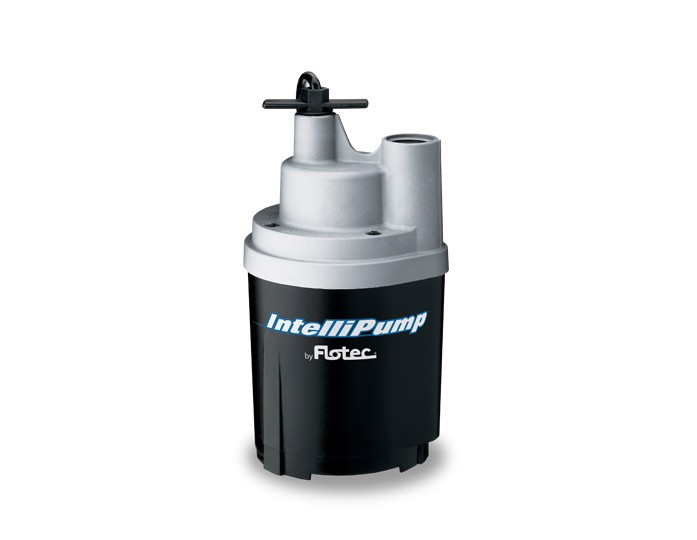
Finding the best submersible utility pump for fast water removal is the most efficient way to clear standing water from a basement, window well, pool cover, hot tub, crawl space, or low spot in the yard. For managing moisture after draining, see our Uponor AquaPEX review. This guide focuses on the Flotec Submersible Utility Pump—our top pick for versatility— evaluating its performance for common household draining tasks and providing a comprehensive framework for choosing the right water removal tool for your specific home environment.
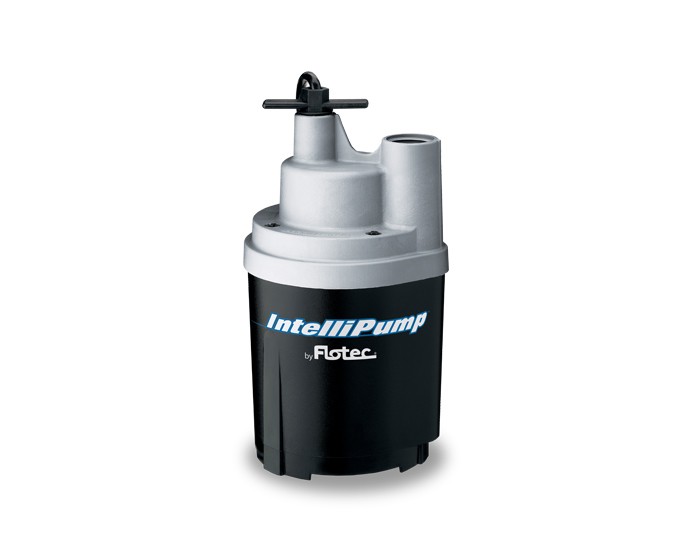
Best Overall Utility Pump
The Flotec Submersible Utility Pump 1/4 HP Thermoplastic is the most reliable, portable solution for nuisance water removal, balancing ease of transport with efficient flow rates for residential use.
Flotec Submersible Utility Pump 1/4 HP Thermoplastic
The Flotec Submersible Utility Pump 1/4 HP Thermoplastic (Model FP0S1775A) is a specialized tool designed for "nuisance" water removal.
Unlike heavy-duty industrial pumps, this unit is built for portability and versatility. Whether you are dealing with a sudden leak in the laundry room, a rain-filled window well, or the annual task of clearing a pool cover, this pump provides a streamlined solution that doesn't require permanent installation or complex plumbing.The core of this pump's appeal is its thermoplastic housing. By utilizing high-impact plastics rather than cast iron or steel, Flotec has created a device that is significantly lighter and naturally immune to the corrosion that often plagues metal pumps stored in damp garages or basements. For the average homeowner, this means less physical strain when moving the pump from one area of the house to another and a longer lifespan for the exterior casing when exposed to various water chemistries.
Performance-wise, the 1/4 HP motor is engineered to move up to 1,800 gallons per hour (GPH). While this may seem modest compared to commercial flood pumps, it is more than sufficient for most residential utility needs. The pump is designed to be fully submersible, meaning it sits at the bottom of the water source, using centrifugal force to push water upward through a discharge hose. The inclusion of an automatic activation feature allows it to engage once water reaches a specific level, reducing the need for constant manual supervision during slower seepage events.
Performance Specs
- Model: FP0S1775A
- Motor Power: 1/4 HP
- Max Flow Rate: 1,800 GPH
- Housing Material: Durable Thermoplastic
- Application: Submersible Utility
Ideal Use Cases
- Basements: Clearing shallow seepage
- Outdoor: Window wells and pool covers
- Containers: Hot tubs and decorative ponds
- Crawlspaces: Removing accumulated moisture
Pros
- Corrosion-resistant thermoplastic housing prevents rust during storage.
- Lightweight design makes it easy to deploy in tight spaces.
- 1,800 GPH flow rate is ideal for residential nuisance water.
- Automatic activation minimizes the need for manual monitoring.
- Simple, "plug-and-play" operation for non-technical users.
Cons
- Not intended for "trash" water containing large debris or gravel.
- Lower horsepower means slower drainage for massive flooding.
- Flow rate decreases significantly as vertical lift (head height) increases.
- Requires a GFCI outlet for safe operation in wet environments.
How Submersible Utility Pumps Work: The Science of Water Movement
To understand why a pump like the Flotec 1/4 HP is effective, it is important to understand the mechanics of centrifugal pumping. Unlike a vacuum cleaner that "pulls" air, a submersible pump sits inside the liquid. An internal impeller—a rotating vane—spins at high speeds, throwing the water outward from the center of the impeller. This creates a low-pressure area at the intake and a high-pressure area at the discharge outlet, effectively forcing the water up through the hose.
One of the most critical concepts in pumping is Total Dynamic Head (TDH). This refers to the total resistance a pump must overcome to move water. In a residential setting, this is primarily "vertical lift"—the height difference between the water level and the point where the water exits the hose. As the vertical lift increases, the GPH (gallons per hour) decreases. For example, a pump rated for 1,800 GPH at zero lift may only move 1,000 GPH if it has to push water up a 10-foot basement wall.
The use of thermoplastic in the Flotec model is not just about weight; it's about thermal management and chemical stability. Because these pumps are cooled by the water they are submerged in, the housing must be able to withstand temperature fluctuations without warping or cracking. Thermoplastics provide an excellent balance of rigidity and flexibility, ensuring the pump doesn't seize up during the rapid temperature changes often found in seasonal basement flooding.
Furthermore, the seal integrity of a submersible pump is paramount. The motor is isolated from the water by a series of mechanical seals and O-rings. If these seals fail, water enters the motor housing, leading to a short circuit. High-quality thermoplastic pumps are engineered to maintain these seals even when the pump is shifted or tilted during operation, which is a common occurrence when navigating the uneven bottoms of crawlspaces or flooded yards.
Comprehensive Buyer's Guide: Choosing the Right Pump
Selecting a water pump isn't about buying the most powerful unit; for those comparing heavy-duty options, our Ridgid SP-650C review and buying guide provide critical performance data. it's about matching the tool to the specific environmental challenge. Using a 1 HP trash pump for a pool cover is overkill. If you are dealing with a consistently wet basement, you might prefer a Ridgid Cast Iron Submersible Sump Pump Half Horsepower (see our Ridgid (SP-650C) review and Ridgid SP-650C buying guide). Using a heavy-duty pump on a pool cover is overkill and potentially damaging to the cover, while using a small utility pump for a burst main pipe in a basement will result in the water rising faster than the pump can remove it.
1. Analyzing Water Quality
The first question every buyer must ask is: What is in the water? The composition of the liquid dictates the type of impeller and housing material required.
- Clean Water: Rainwater, tap water, or clear pool water. Standard utility pumps like the Flotec model are designed for this. They feature tighter tolerances for maximum efficiency.
- Dirty Water: Water containing silt, sand, or small organic debris (leaves). These require "dirty water" pumps with wider clearances in the impeller to prevent clogging.
- Trash Water: Water containing pebbles, coins, or large clumps of mud. These require "trash pumps" with heavy-duty cast iron housings and oversized intakes to allow solids to pass through without jamming the motor. For more on high-capacity systems, see our Ridgid SP-650C Sump Pump Buying Guide for Wet Basements.
2. Determining Horsepower (HP) Requirements
Horsepower dictates how much work the pump can do, specifically regarding the volume of water it can push and the height it can lift it.
- 1/4 HP to 1/3 HP: Ideal for nuisance water (such as the Basement Watchdog), emptying hot tubs, and small crawl spaces. For a deeper dive, see our Basement Watchdog BW1033 Buying Guide for Homeowners and detailed performance review of the Basement Watchdog BW1033>. These are portable, energy-efficient, and sufficient for most "cleanup" tasks.
- 1/2 HP: The "middle ground" for moderate flooding or pumping water from a deeper hole. These offer a steeper performance curve, meaning they maintain flow better at higher lifts.
- 3/4 HP to 1.5 HP: Typically reserved for permanent sump pump installations—such as the Wayne Battery Backup Sump Pump or the Wayne 3/4 HP Submersible Cast Iron and Steel Sump Pump. We also detailed the Wayne ESP25 review for those with severe flooding risks—see our Wayne CDU980E vs Zoeller M53 comparison where the Zoeller Mighty-Mate Submersible Sump Pump 1/3 HP Cast Iron is often a top contender.—where high-volume, rapid-fire evacuation of a basement is required to prevent structural damage.
3. Understanding Flow Rates (GPH vs. GPM)
Manufacturers list flow rates in Gallons Per Hour (GPH) or Gallons Per Minute (GPM). To convert GPH to GPM, divide by 60. The Flotec pump's 1,800 GPH translates to 30 GPM. This is a comfortable rate for most residential "cleanup" jobs.
Installation and Setup: Step-by-Step Guide
Correct setup is the difference between a dry basement and a blown fuse. Follow these steps to ensure your utility pump operates safely and efficiently.
Step 1: Site Preparation
Before dropping the pump into the water, clear the area of large debris. While the Flotec pump is durable, large stones or thick piles of wet leaves can block the intake screen. This can cause the motor to "cavitate"—a state where it spins without moving water—which leads to rapid overheating and permanent damage to the impeller.
Step 2: Hose Connection
Attach your discharge hose securely to the outlet. Use a hose clamp if necessary to ensure a watertight seal. Ensure the hose is routed to a location where the water will not flow back toward the house. Pumping water directly against a foundation wall can actually cause more seepage through the soil by saturating the ground immediately adjacent to the home.
Step 3: Positioning the Pump
Place the pump on a flat surface. If the bottom of your flooded area is covered in thick mud, place the pump on a flat plastic lid or a cinder block. This prevents the intake from being buried in silt and allows the pump to draw water more efficiently, extending the time it takes before the intake becomes clogged.
Step 4: Power and Safety
Plug the unit into a GFCI (Ground Fault Circuit Interrupter) outlet. If you suspect your electrical panel is outdated, learn how to replace a circuit breaker safely at home or read about AFCI vs Standard Circuit Breakers to ensure your safety systems are functional. Because you are mixing high-voltage electricity with standing water, a GFCI is non-negotiable for safety. If you must use an extension cord, ensure it is outdoor-rated (thick gauge) and that the connection point is elevated and kept dry using a weather-resistant cover.
For those worried about power outages, the Wayne Battery Backup Sump Pump is an excellent failsafe (see our Wayne ESP25 Review: Battery Backup Sump Pump for Storms for real-world performance). For detailed installation and configuration, refer to our Wayne ESP25 review to keep your basement dry when the grid fails.
Maintenance and Long-Term Care
Utility pumps are often used once a year and then stored for eleven months. This "intermittent use" cycle is where most pump failures occur due to seal degradation and corrosion.
Post-Use Cleaning
After every use, disconnect the pump and rinse the exterior with clean water. If the pump was used in salty water or chemically treated water (such as a chlorine-heavy pool), rinse it thoroughly. Chemical residues can eat away at the thermoplastic housing over time or degrade the internal rubber seals.
Storage Tips
Store the pump in a cool, dry place. Avoid leaving it in direct sunlight for extended periods, as UV rays can eventually make thermoplastic housings brittle. Store the pump upright or on its side—never store it resting on the power cord, as this can cause internal wire fraying over time, creating a safety hazard.
Checking the Impeller
Every few seasons, check the intake screen for clogs. If the pump seems to be running but moving less water than usual, there may be a partial blockage in the impeller chamber. Most utility pumps allow for basic cleaning of the intake screen without requiring a full teardown of the motor assembly.
Common Pitfalls and Troubleshooting
Even with a reliable pump like the Flotec 1/4 HP, users often encounter issues that seem like equipment failure but are actually setup errors.
The "Air Lock" Problem
Sometimes a pump will hum and run, but no water comes out of the hose. This is often an air lock, where a bubble of air is trapped in the impeller chamber, preventing the pump from creating the necessary vacuum. To fix this, briefly lift the pump out of the water and tilt it sideways while it's running to let the air bubble escape, then lower it back into the water.
Reduced Flow Rate
If you notice the water stream is weak, check for "kinks" in your discharge hose. A single fold in a garden hose can reduce flow by 50% or more. Additionally, ensure you aren't trying to pump water higher than the pump's maximum head capacity. If the water needs to go up two stories, a 1/4 HP utility pump is not the correct tool.
Frequent Tripping of Circuit Breakers
If the pump trips your breaker, it is often due to an overloaded circuit (too many devices on one line) or a faulty extension cord. Ensure the pump is on a dedicated circuit if possible, especially if you are also running a heavy-duty shop vac or a GE ADEL50LZ dehumidifier for damp rooms in the same area, as these combined loads can exceed a standard 15-amp residential breaker.
Comparison: Utility Pumps vs. Sump Pumps vs. Trash Pumps
To help you decide if the Flotec model is the right choice, it helps to compare the three main categories of submersible pumps.
| Feature | Utility Pump (e.g., Flotec) | Sump Pump | Trash Pump |
|---|---|---|---|
| Installation | Portable/Temporary | Permanent (Basin) | Portable/Heavy Duty |
| Typical HP | 1/4 to 1/2 HP | 1/3 to 1.5 HP | 1/2 HP to 2+ HP |
| Casing | Thermoplastic/Plastic |