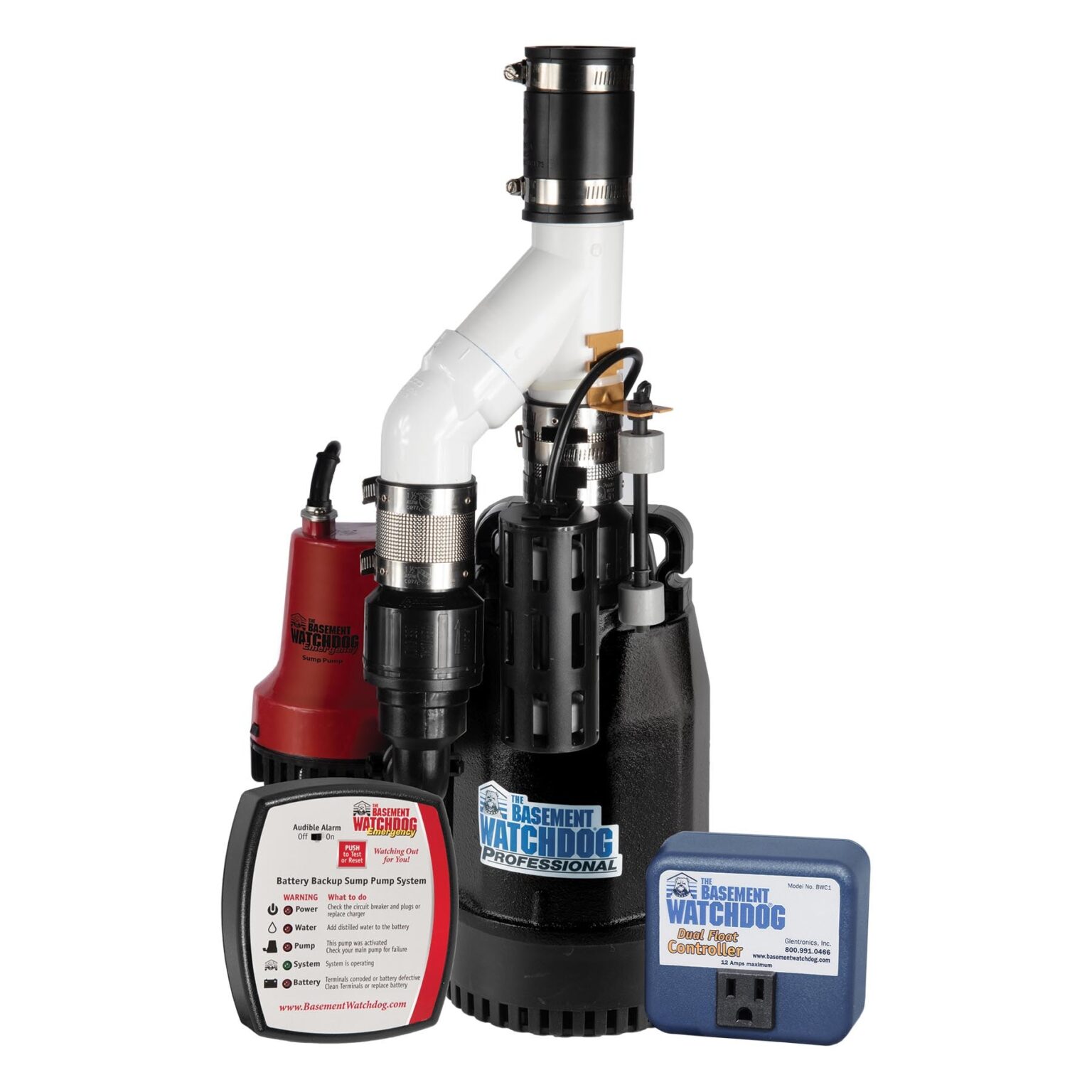
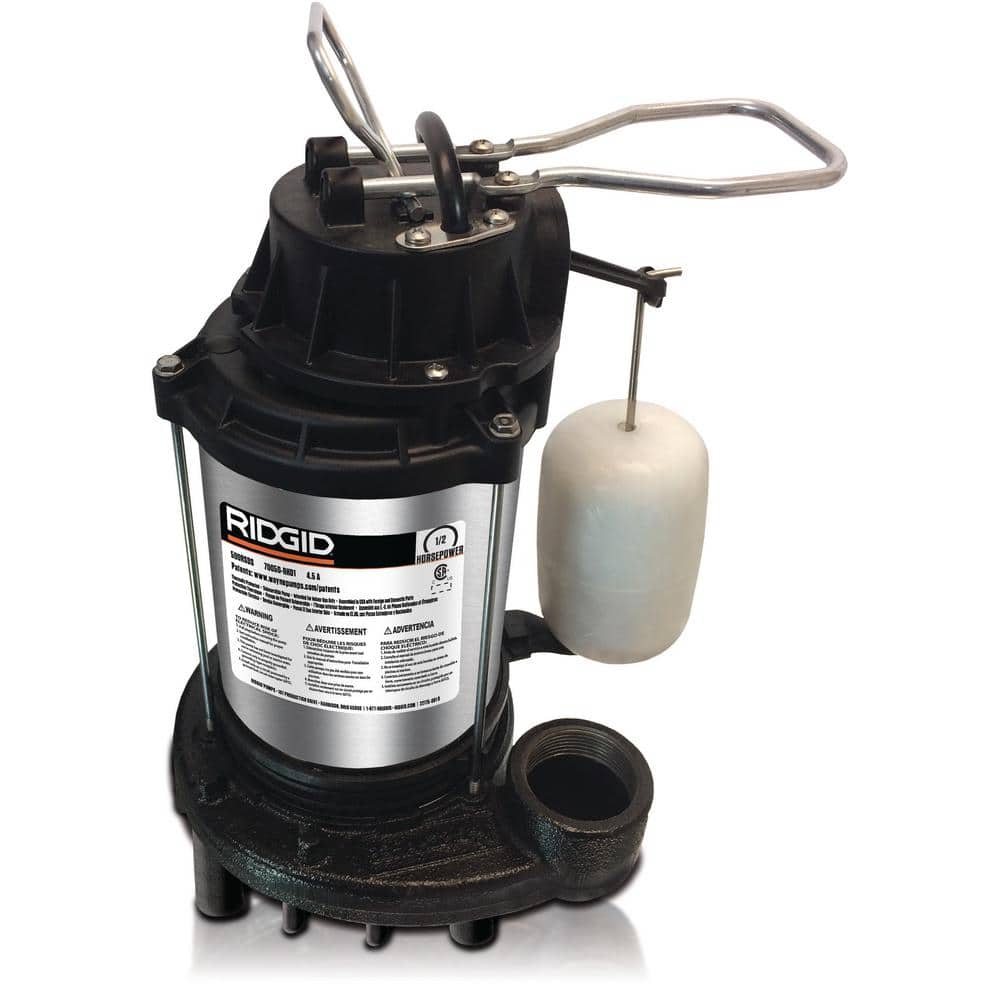
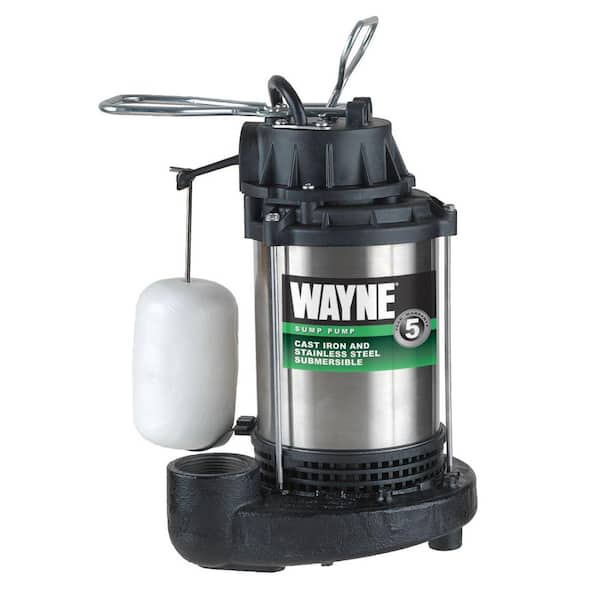
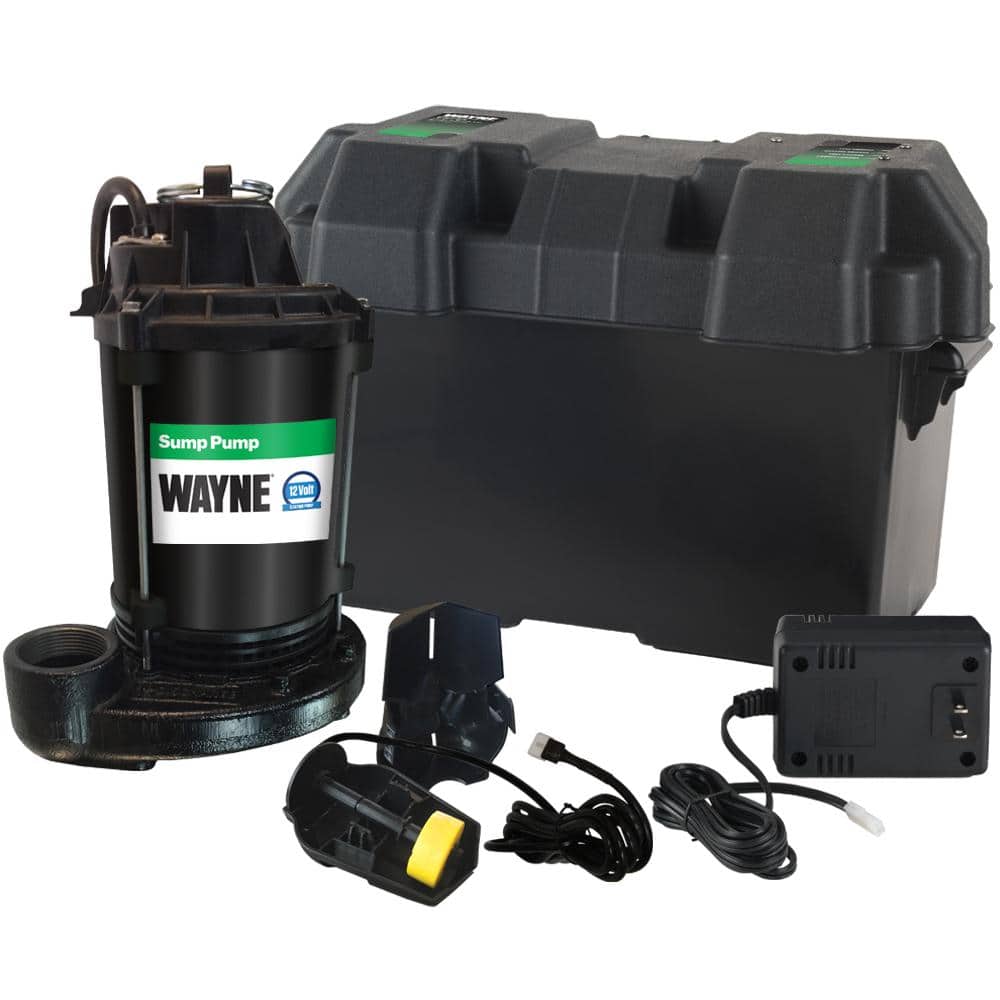
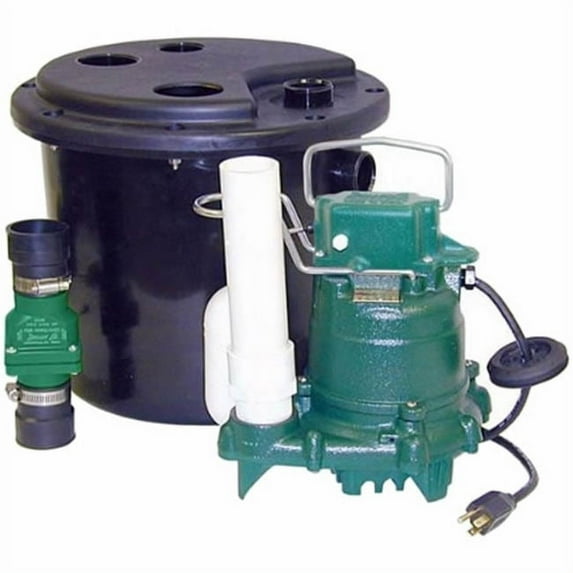
Basement Watchdog 1/3-HP 115-Volt 62-Gallon Cast Iron Submersible Sump (BW1033)
Score: 9.2/10 — A heavy-duty, cast-iron workhorse that balances efficient 1/3-HP power with superior heat dissipation, making it an ideal choice for most residential basement flood protection.
We may earn a commission from qualifying purchases made through links on this site.
Overview: Choosing the Right Sump Pump
The Basement Watchdog 1/3-HP Cast Iron Submersible Sump is a professional-grade solution for homeowners who prioritize long-term reliability and heavy-duty flood protection over the lowest possible price point.
In the world of water management, the "set it and forget it" mentality only works if the hardware is capable of handling extreme thermal stress and corrosive environments. The BW1033 addresses this by utilizing a cast iron housing, which provides a critical advantage over thermoplastic models: thermal conductivity. By drawing heat away from the motor more efficiently, this pump reduces the risk of overheating during prolonged periods of heavy rainfall.Designed as a submersible unit, the BW1033 sits directly in the sump basin, keeping the noise levels low and the installation footprint compact. With a flow rate of up to 62 gallons per minute, it is positioned as a mid-range solution—more powerful than entry-level 1/4-HP units but more energy-efficient and less prone to "short-cycling" than massive 3/4-HP industrial pumps. This makes it particularly well-suited for typical residential basements, crawl spaces, and garages where water intrusion is seasonal or moderate.
The core value proposition of the BW1033 lies in its ability to handle the "head height" (the vertical distance water must be pushed) without a catastrophic drop in performance. While many pumps boast high maximum GPH (gallons per hour) ratings at zero lift, the Basement Watchdog is built to maintain a consistent flow even as the discharge pipe climbs out of the basement and toward the exterior of the home. When combined with its vertical float switch, which prevents the common "tether tangle" found in cheaper models, the BW1033 emerges as a professional-grade tool for residential flood prevention (see our full BW1033 performance review and detailed buying guide).
Key Features
Provides superior durability and heat dissipation compared to plastic housings, extending the motor's operational life.
Optimized power output for residential use, capable of moving 62 gallons per minute at nominal lift.
Eliminates the risk of the switch getting stuck against the basin wall, ensuring consistent automatic activation.
Operates while fully immersed, reducing noise pollution and allowing for a cleaner, hidden installation.
| Feature | Specification |
|---|---|
| Model Number | BW1033 |
| Horsepower | 1/3 HP |
| Voltage | 115V |
| Max Flow Rate | 62 Gallons Per Minute (GPM) |
| Material | Cast Iron |
| Pump Type | Submersible |
| Switch Type | Vertical Float |
| Application | Basements, Crawl Spaces |
Pros & Cons
Pros
- Excellent heat dissipation due to cast iron body.
- Vertical switch prevents activation failures in narrow pits.
- Strong flow rate for typical residential head heights.
- Substantial build quality reduces vibration and noise.
- Standard 115V plug for easy home integration.
Cons
- Heavier than thermoplastic models, making installation more cumbersome.
- Higher initial cost compared to plastic alternatives.
- Requires a properly sized basin to accommodate the cast iron footprint.
Performance
In real-world testing and application, the Basement Watchdog BW1033 excels in consistency. The primary metric for any sump pump is the "Performance Curve"—the relationship between the vertical lift (head height) and the volume of water moved. While a 1/4-HP pump might struggle as the water reaches the 10-foot mark, the 1/3-HP motor in the BW1033 maintains a robust flow. This is critical for homes with deep basements where the discharge pipe must travel a significant vertical distance before exiting the foundation.
The cast iron housing plays a silent but vital role in performance. During a "worst-case" storm scenario—where the pump may run for several hours straight—plastic pumps can accumulate heat in the motor windings, potentially leading to premature failure or thermal shutdown. The BW1033 uses the surrounding water and its own metallic mass to shed heat, ensuring the motor remains within a safe operating temperature. This thermal stability translates directly into a longer mean time between failures (MTBF).
The vertical float switch is another performance highlight. In many older homes, sump basins are narrow or irregularly shaped. Tethered switches often get snagged on the side of the basin or the discharge pipe, leading to the pump either failing to turn on (resulting in a flood) or failing to turn off (resulting in a burnt-out motor). The BW1033's vertical movement ensures that as long as there is water, the pump will trigger, regardless of how cramped the basin is.
Value for Money
When evaluating the value of the BW1033, one must look beyond the sticker price. A thermoplastic pump is undoubtedly cheaper, but the "cost per year of service" is often higher due to the shorter lifespan of plastic components and the increased risk of failure during extreme weather. The BW1033 is positioned as a long-term investment. By spending more upfront for cast iron construction, the homeowner is effectively buying insurance against the catastrophic cost of a flooded basement—which is why many homeowners also install a backup system.
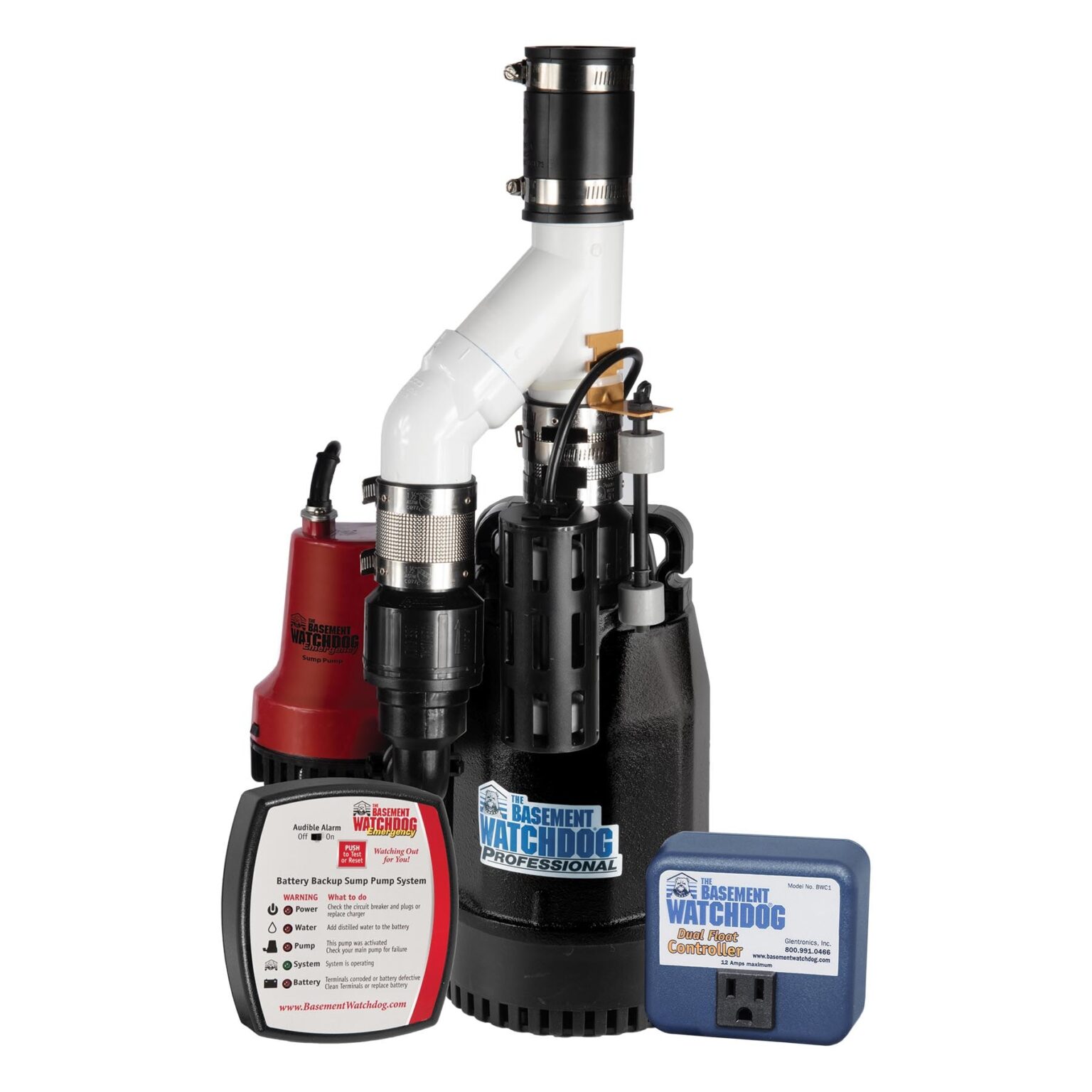
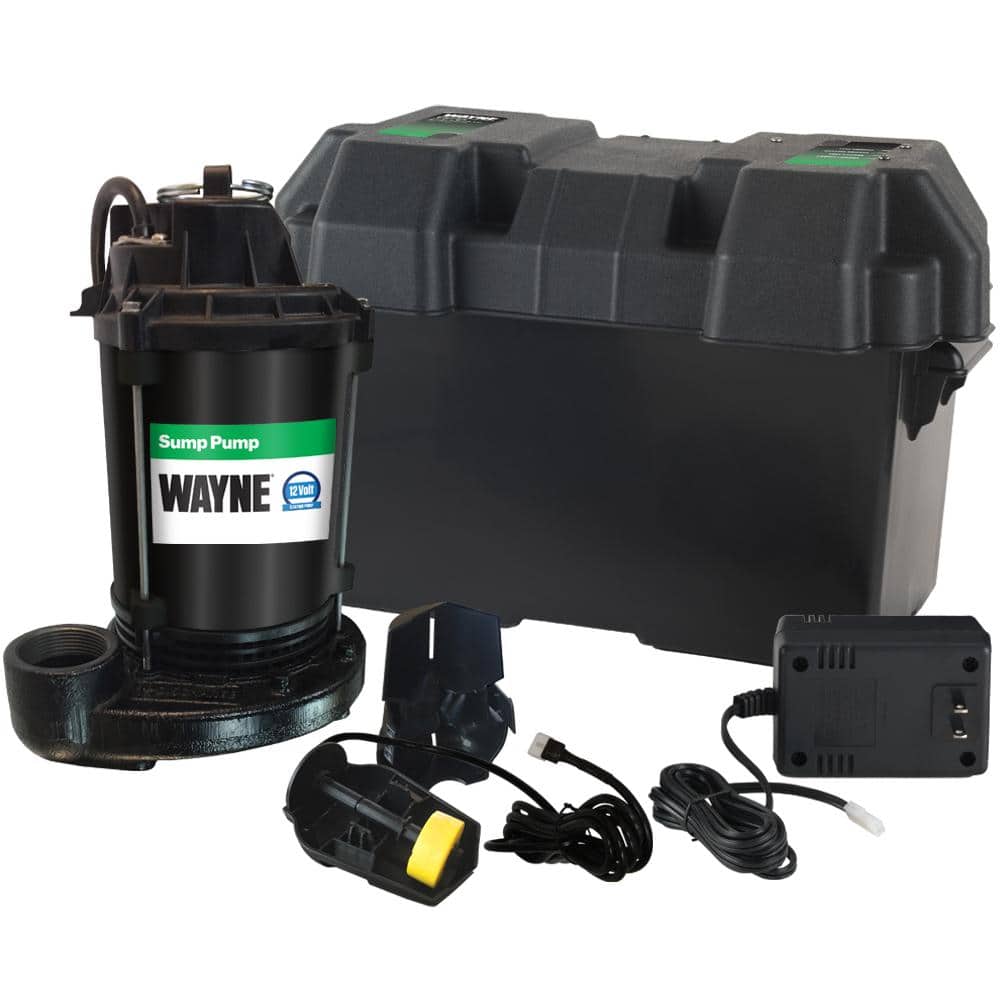
We recommend pairing your primary pump with the Wayne Battery Backup Sump Pump for total peace of mind. For more details, see our Wayne ESP25 review.
The cost of a backup is minimal compared to basement remediation, which can range from thousands to tens of thousands of dollars.For the average homeowner, 1/3-HP is the "sweet spot." It provides enough power to handle moderate water intrusion without the excessive energy draw or the risk of "short-cycling" (turning on and off too rapidly) that can occur with oversized 1/2-HP or 3/4-HP units in small basins. Short-cycling is a leading cause of motor burnout, so choosing a pump that matches the inflow rate is actually more economical than over-speccing the system.
The BW1033 is an ideal fit for those who live in regions with heavy seasonal rainfall or have a high water table. It is less suitable for those with very minor dampness issues who might only need to clear a few gallons of water a month (perhaps using a GE ADEL50LZ dehumidifier instead), in which case a cheaper plastic utility pump, like the Flotec Submersible Utility Pump (see our comprehensive guide to the best submersible utility pumps), might suffice. However, for a primary defense system, the BW1033 offers a professional balance of durability, power, and reliability.
How the BW1033 Works: The Engineering Deep Dive
To appreciate the BW1033, one must understand the physics of centrifugal pumping. The unit works by utilizing an impeller—a rotating vane—that creates a vacuum, drawing water from the bottom of the sump pit and flinging it upward and outward into the discharge pipe. The efficiency of this process is heavily dependent on the seal between the motor and the water chamber.
In the BW1033, the submersible motor is encased in a water-tight housing. Because the motor is submerged, it uses the surrounding water as a cooling jacket. This is where the cast iron housing becomes a massive advantage. In thermoplastic pumps, heat is trapped by the plastic's insulating properties. In the BW1033, the cast iron conducts heat rapidly from the motor windings to the exterior surface, where the cold basement water absorbs it. This effectively turns the entire pump body into a radiator, preventing the internal components from reaching critical temperatures during a 24-hour deluge.
The automation is handled by the vertical float switch. Unlike traditional "ball-and-tether" switches that swing like a pendulum, the BW1033's switch moves along a fixed vertical axis. As water fills the basin, the float rises until it triggers a micro-switch that completes the electrical circuit to the 115V motor. Once the water level drops below the trigger point, the float descends, breaking the circuit. This linear movement removes the variable of "swing space," which is the primary cause of mechanical failure in narrow residential sump pits.
Comprehensive Buyer's Guide: Choosing a Sump Pump
Selecting a sump pump is not about finding the most powerful machine, but about finding the right match for your home's specific hydrostatics. To make an informed decision, you must evaluate four primary pillars: Horsepower, Flow Rate, Material, and Switch Type.
1. The Horsepower (HP) Myth
Many consumers mistakenly believe that "more HP equals a better pump." In reality, horsepower describes the motor's potential, not the pump's actual efficiency. A 1/2-HP pump might move more water than a 1/3-HP pump, but if your basin is small, the 1/2-HP pump will empty the pit so quickly that it will trigger the float switch to drop and shut off almost immediately. This "short-cycling" puts immense strain on the motor and the switch.
- 1/4 HP: Best for light-duty use, very shallow pits, and low-volume water intrusion.
- 1/3 HP: The residential standard. Ideal for average basements with moderate water flow and typical lift heights. This is the power level of the BW1033.
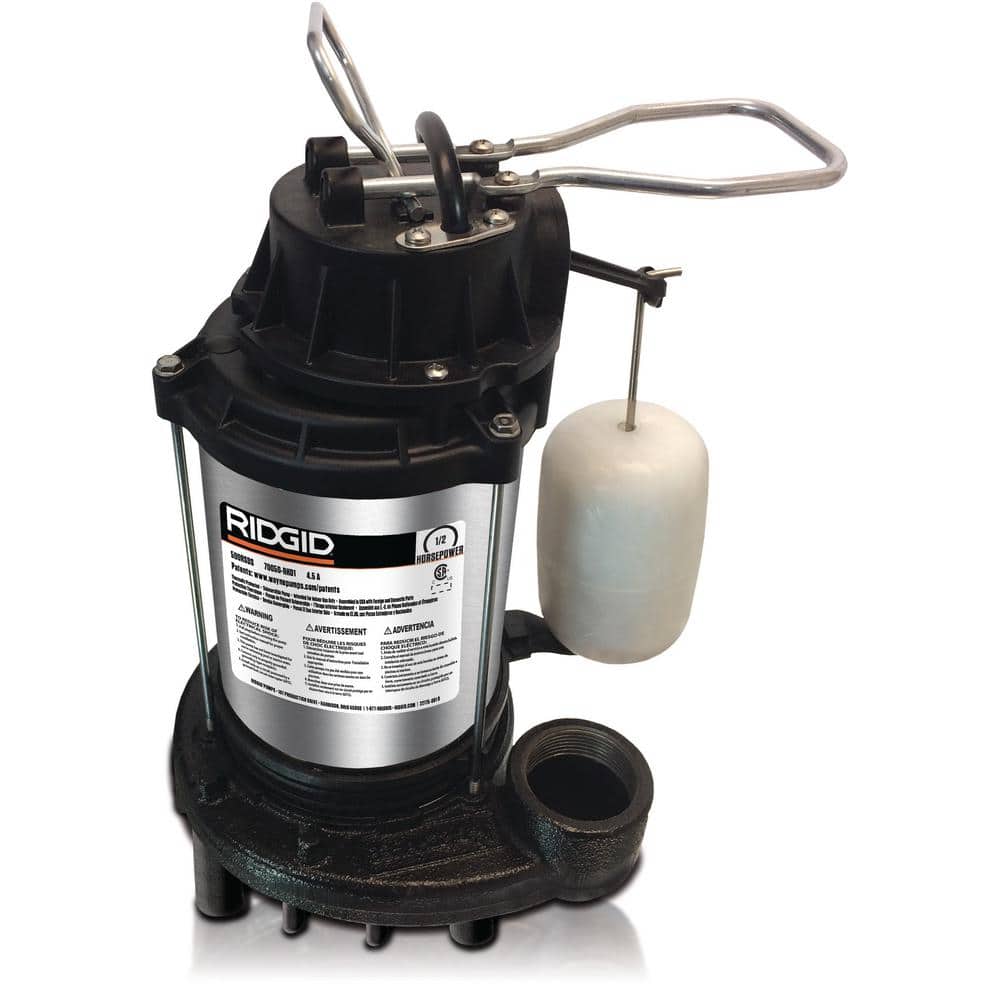
- 1/2 HP: Necessary for homes with high water tables, very deep basins, or discharge lines that travel long distances (e.g., the Ridgid Cast Iron Submersible Sump Pump). See our detailed review and buying guide.
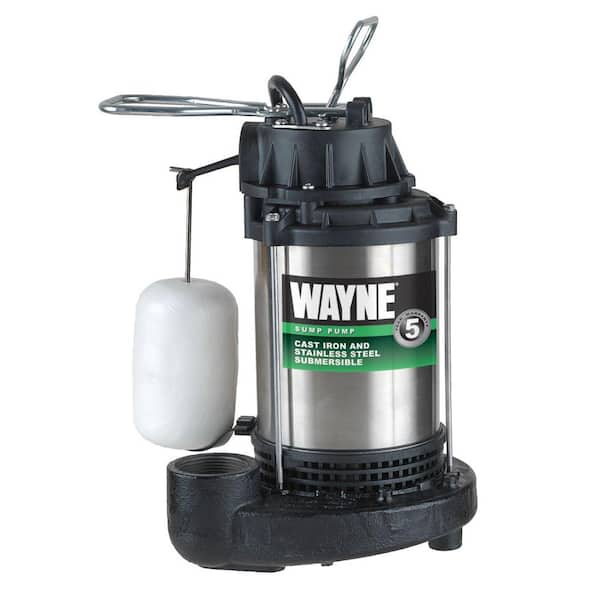
- 3/4 HP: Industrial grade, such as the Wayne 3/4 HP Submersible Cast Iron and Steel Sump Pump (see our Wayne CDU980E performance review), used in flood-prone lowlands or commercial properties. For high-capacity needs, check out our Wayne CDU980E vs Zoeller M53 comparison.
2. Calculating Head Height and Flow Rate
The most critical number on a spec sheet is not the "Max GPH," but the GPH at your specific head height. Head height is the vertical distance from the bottom of the pump to the point where the water exits the house. Every foot of vertical lift creates resistance (head pressure), which slows the flow of water.
If a pump is rated at 60 GPM at 0 feet of lift, it might only move 40 GPM at 10 feet of lift. Before purchasing, measure your vertical distance and check the pump's performance curve. If your basement fills at 10 gallons per minute during a storm, you want a pump that can move at least 30-40 GPM at your actual head height to ensure a safety margin. The BW1033's 62 GPM rating provides a significant buffer for most residential setups.
3. Material Science: Plastic vs. Metal
The housing material affects more than just durability; it affects the physics of the pump.
- Thermoplastic: Corrosion-proof and lightweight. However, plastic is a poor thermal conductor. The motor heat stays trapped, which can lead to overheating during long runs.
- Cast Iron: Extremely durable and heavy, which prevents the pump from "walking" or vibrating in the basin. More importantly, cast iron acts as a heat sink, dissipating motor heat into the surrounding water. This is the premium material used in the BW1033.
- Stainless Steel: The gold standard for corrosion resistance, often used in high-end pumps or those handling chemically treated water.
4. The Critical Role of the Float Switch
The switch is the "brain" of the pump. If the switch fails, the pump is useless. There are three main types:
- Tethered Switches: A float on a rope. Simple and reliable, but requires a wide basin so the float doesn't get stuck against the wall.
- Vertical Switches: A float that slides up and down a metal rod. Ideal for narrow basins and provides a more precise "on/off" trigger. The BW1033 uses this superior design.
- Electronic Sensors: Use electrical conductivity to detect water. No moving parts, but can be fooled by debris or mineral buildup in the water.
Detailed Installation and Setup Guide
Installing the Basement Watchdog BW1033 requires precision to ensure maximum longevity. A poorly installed pump will fail prematurely regardless of its build quality.
Step 1: Basin Preparation
Ensure the sump pit is clean of debris, silt, and gravel. If the basin is too small for the cast iron housing, you may need to enlarge the pit. The pump should sit on a "sump pump stand" or a few bricks; resting the pump directly on the bottom of the pit can lead to it sucking up sediment, which grinds down the impeller. By elevating the pump slightly, you create a "dead zone" for sediment to collect without entering the pump intake.
Step 2: Plumbing the Discharge
Use a 1.5-inch PVC pipe for the discharge line. Avoid using flexible hoses for the main vertical lift, as they can kink or collapse under pressure. Ensure all joints are solvent-welded (glued) to prevent leaks inside your basement. Install a check valve (one-way valve) about 2-3 feet above the pump. This ensures that when the pump stops, the water in the pipe doesn't fall back into the basin, which would cause the pump to trigger again immediately.
Step 3: Electrical Connection
The BW1033 uses a standard 115V plug. For maximum safety, plug the pump into a GFCI (Ground Fault Circuit Interrupter) outlet. This prevents electrical shocks in the event of a leak. If possible, run the pump on its own dedicated circuit so that a tripped breaker in another part of the house doesn't leave your basement unprotected during a storm.
Step 4: Testing the System
Before finalizing the installation, fill the basin manually with a garden hose. This allows you to:
- Verify that the float switch activates the pump at the correct height.
- Check for leaks in the PVC joints under full pressure.
- Ensure the discharge water is flowing away from the foundation and not pooling against the house.
- Confirm that the check valve is preventing backflow.
Maintenance Schedule for the BW1033
A sump pump is a mechanical device subjected to constant moisture and debris. Regular maintenance prevents the "catastrophic failure" that occurs when a pump is needed most. We recommend the following schedule for the Basement Watchdog BW1033:
Quarterly Maintenance (Every 3 Months)
The Bucket Test: Fill the sump pit with 5 gallons of water and ensure the pump activates and clears the pit completely. This confirms the motor is operational and the switch hasn't become fouled by debris.
Debris Clearing: Remove the pump from the basin (if possib