Preventing a flooded basement requires a high-capacity drainage system capable of handling severe water intrusion. In this Wayne CDU980E review, we analyze whether the Wayne CDU980E 3/4 HP submersible sump pump is the best heavy-duty option for homeowners dealing with high water tables and extreme weather. If you are specifically looking for a battery-powered secondary system, see our Wayne ESP25 review for battery backup sump pumps. By examining its cast iron construction, GPH flow rate, and long-term reliability, we determine if this pump is the right investment for active sump pits and flood-prone basements. For those with smaller pits, a model like the Basement Watchdog BW1033 sump pump may be a better fit, while those needing temporary drainage should refer to our Ridgid SP-650C review for utility water pumps.
If you need high pumping capacity but aren't sure about the ideal size for your home, we recommend comparing this model with the Ridgid SP-650C submersible pump or checking our comprehensive Ridgid SP-650C buying guide to determine which capacity fits your basement's water table.
For shoppers weighing alternatives, it is also worth comparing this model against another high-capacity option in our Wayne CDU980E vs Zoeller M53 comparison to determine the best fit for your home.
Wayne CDU980E at a Glance
| Category | Submersible sump pump |
|---|---|
| Motor size | 3/4 HP |
| Best fit | Active sump pits, higher-flow basements, and homes that need strong discharge capacity |
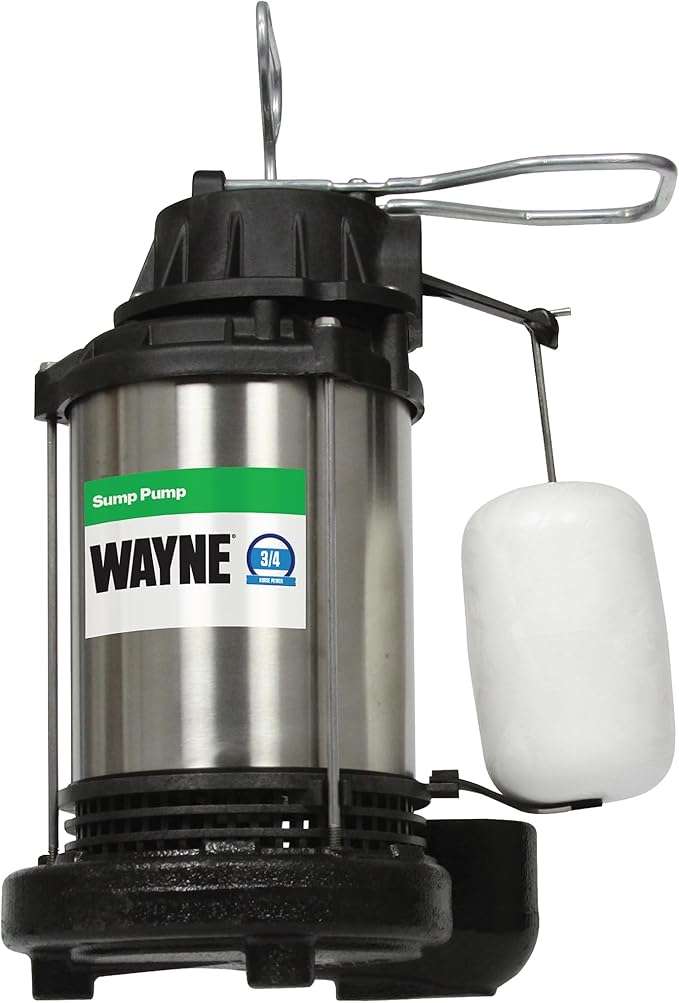
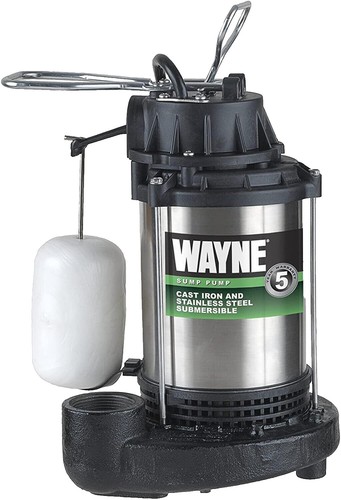
| Construction focus | Cast iron and stainless steel components |
| Important checks | Basin size, vertical lift, discharge pipe size, check valve condition, and backup power |
Wayne CDU980E pros and cons
- Pros: Strong 3/4 HP output, durable cast iron and stainless steel construction, and a good fit for active sump pits with higher water volume.
- Cons: May be more pump than a small or rarely used basin needs, and performance still depends on vertical lift, discharge routing, and backup-power planning.
What to check before choosing this pump
- Sump Basin Size: Ensure the pump and float switch have enough clearance to operate without rubbing the basin wall. If you are weighing this against other heavy-duty models, see our Wayne CDU980E vs Zoeller M53 comparison for flooding. If you find your pit is too small for a permanent installation, you might consider using a high-quality utility pump for emergency water removal. If you are unsure about sizing for your specific pit, the Basement Watchdog BW1033 review and buying guide offer helpful installation considerations for 1/3-HP pumps.
- Vertical lift: A pump that looks powerful on paper still needs to match the actual pumping height from pit to discharge point.
- Discharge setup: Confirm pipe diameter, check valve condition, and whether the outlet line is clear and properly routed away from the foundation.
- Electrical protection: Use a properly grounded outlet (and ensure your panel is up to date—review our guide on choosing between AFCI and standard circuit breakers or learn how to replace a circuit breaker safely at home if needed). To prevent flooding during power outages—a critical step for any high-capacity setup—we recommend pairing your primary pump with a Wayne ESP25 battery backup sump pump to ensure protection during power outages.
- Post-pumping humidity: If your basement stays humid even after water is removed, a dedicated dehumidifier is essential; our GE ADEL50LZ dehumidifier buying guide for damp rooms covers the best options for total moisture control.
Installation notes before you buy
Before replacing an existing sump pump, inspect the check valve, discharge pipe, basin debris, and outlet location. A new pump will not perform well if the discharge line is restricted, the check valve leaks back into the pit, or the float switch cannot move freely.
For smaller-scale or temporary water removal, we recommend the Ridgid SP-650C water pump (see our full review and buying guide for details).
Our Verdict: Should You Buy the Wayne CDU980E?
The Wayne CDU980E submersible pump is our top recommendation for homeowners who require high-output drainage for an active basement pit and prioritize a durable cast iron and stainless steel build. It is the ideal choice when your sump pit cycles frequently, your discharge path is professionally sized, and you want significantly more headroom than a standard entry-level pump provides.
Skip or keep comparing if your basin is very small, your pump rarely cycles, or you need a temporary solution—in which case, check out our guide to the Ridgid SP-650C for emergency drainage. Additionally, we recommend pairing this unit with a reliable backup system, as detailed in our Wayne ESP25 battery backup review for maximum storm protection. In those cases, sizing and installation fit matter more than simply choosing the most powerful pump available.
Wayne CDU980E review FAQ
Is a 3/4 HP sump pump too powerful for a basement?
Not always. A 3/4 HP sump pump can be appropriate for active pits, higher vertical lift, or larger drainage loads. For a very small or rarely used pit, however, it may be more pump than you need; in those cases, a smaller unit like the Basement Watchdog BW1033 might be more appropriate.
What matters more: horsepower or flow rate?
Both matter, but flow rate at your actual pumping height is the more useful comparison. Horsepower helps indicate motor strength, while the pump curve and discharge setup determine real-world performance.
How do you know if it will fit your sump basin?
Measure the basin diameter and depth, then confirm the pump body and float switch have enough clearance to move freely. A powerful pump can still be a poor choice if the float catches on the basin wall or discharge piping.
Do you still need a backup pump?
Yes, if basement flooding would cause serious damage. A primary sump pump only helps while it has power and is functioning, so homes with outage risk or heavy water intrusion should consider a backup plan, such as the Wayne ESP25 battery backup pump, to prevent flooding when the main power fails.