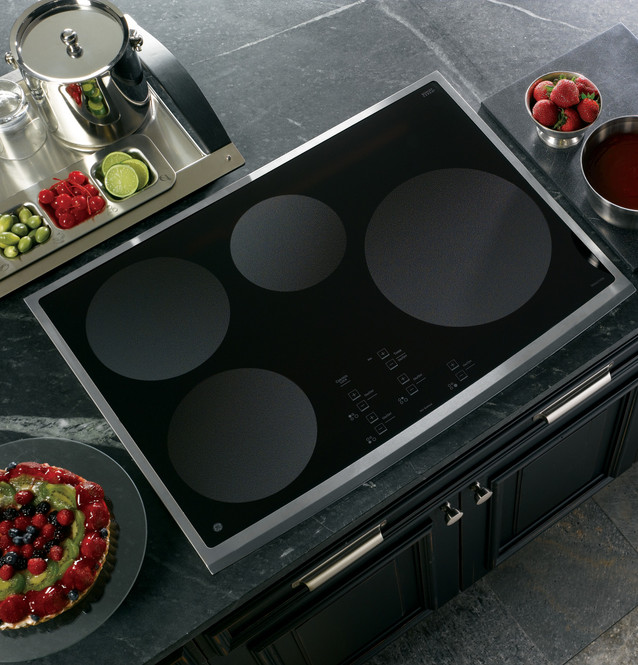
GE Profile Series Electric Induction Cooktop — 8.8/10
Verdict: A sleek, powerful 36-inch induction cooktop with fast response, flexible burner pairing, and a premium built-in look. While it requires a specific electrical setup and compatible cookware, the precision and speed make it a top-tier choice for modern kitchens.
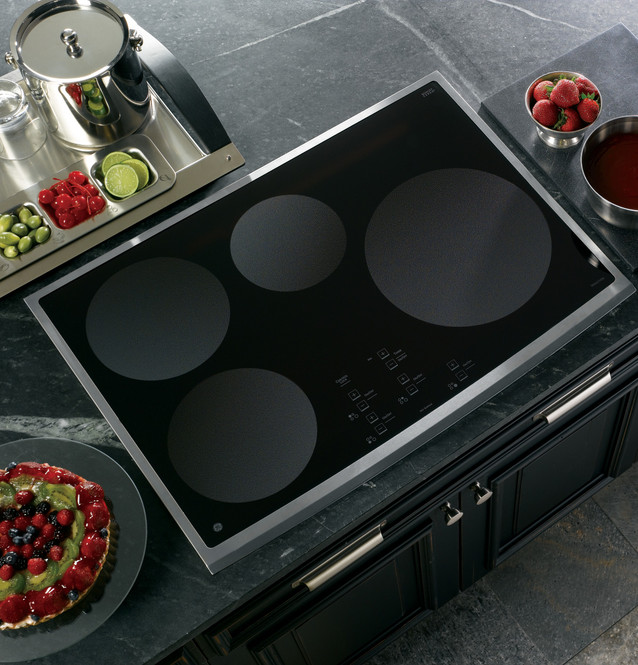
Overview
Upgrading to an induction cooktop can transform your kitchen's efficiency and safety by combining rapid boiling speeds with surgical temperature precision. The GE Profile Series Electric Induction Cooktop (PHP9036DJBB) is a professional-grade 36-inch built-in unit designed for those seeking a high-performance alternative to gas or radiant electric stoves. To see how this model compares to other high-end options, check out our GE Profile induction cooktop review and performance guide.
When upgrading your kitchen layout, it pairs exceptionally well with a professional MOEN Chateau 7430 kitchen faucet to elevate the workspace. For a complete professional remodel, we also recommend integrating a high-capacity water filtration system to protect high-end appliances from mineral buildup, ensuring superior water quality across all kitchen taps.
Looking for a different size? Explore more options in the GE Profile induction cooktop series to find the perfect fit for your kitchen layout.
The main appeal of this GE Profile Series Electric Induction Cooktop model is its combination of five induction cooking zones, 17 heat settings per element, and GE’s Sync-Burners technology. If you are upgrading multiple GE appliances, you might also ensure your kitchen's electrical infrastructure is up to date, perhaps by learning about AFCI vs standard circuit breakers, to safely support high-draw appliances to maintain appliance longevity. This configuration makes it especially attractive if you regularly use griddles, large pans, or multiple pieces of cookware at once. By leveraging electromagnetic energy, the unit heats the pan directly rather than the surface, which results in a safer environment with less ambient heat in the kitchen.
This cooktop is best suited for dedicated home cooks, families upgrading a 36-inch electric cutout, and anyone who wants a built-in cooktop that feels more responsive than standard electric. It does require induction-compatible cookware, and installation should be handled as a professional project (if you're curious about the electrical side, consult our guide on how to replace a circuit breaker safely at home), but for the right kitchen, the GE Profile Series Electric Induction Cooktop offers a compelling mix of performance and polish.
Key Features
A wide cooktop layout gives this unit room for multiple pots and pans at the same time without overcrowding.
Five distinct cooking areas provide maximum flexibility for everyday meals, larger dinner parties, and multitasking across different pan sizes.
GE’s Sync-Burners feature lets you pair compatible cooking zones for larger cookware, such as griddles or oversized professional pans.
The bridge element expands cooking flexibility by supporting longer cookware across connected zones, ensuring even heat distribution across a wide surface.
Precise control allows the cooktop to handle everything from delicate simmering to fast boiling and high-heat searing.
The smooth glass top is easy to wipe down and gives the cooktop a clean, integrated appearance that blends into modern cabinetry.
| Feature | Value |
|---|---|
| Product Name | GE Profile Series Electric Induction Cooktop |
| Model Number | PHP9036DJBB |
| Product Category | Cooktops & Rangetops |
| Cooktop Type | Electric Induction |
| Size Class | 36-inch |
| Number of Cooking Zones | Five |
| Special Burner Configuration | Bridge element with Sync-Burners technology |
| Heat Settings | 17 heat settings per element |
| Surface Material | Smooth black ceramic glass |
| Best For | Serious home cooks and induction upgraders |
| Cookware Requirement | Induction-compatible magnetic cookware |
| Installation Type | Built-in electric cooktop installation |
Pros & Cons
Pros
- Fast, responsive induction heating for boiling, searing, and quick adjustments
- Five-zone 36-inch layout gives plenty of cooking space
- Sync-Burners and bridge element improve flexibility for larger cookware
- 17 heat settings per element offer better precision than basic electric cooktops
- Smooth black ceramic glass surface is attractive and easy to clean
- Strong fit for serious home cooks who want a built-in premium cooktop
Cons
- Requires induction-compatible cookware (ferromagnetic)
- Professional installation is strongly recommended due to electrical requirements
- Black glass can show fingerprints, dust, and smudges between cleanings
- Induction has a learning curve if you are used to radiant electric or gas
- 36-inch size may not fit smaller existing cutouts without countertop modifications
Performance
In everyday cooking, the GE Profile Series Electric Induction Cooktop should feel dramatically quicker and more controllable than a conventional electric cooktop. Induction transfers energy directly to compatible cookware, so heat changes happen almost immediately. That is especially useful when moving from a hard boil to a simmer, preventing sauces from scorching, or bringing pasta water up to temperature quickly.
Versatility Note: The five-zone configuration is one of the biggest performance strengths of the GE Profile induction cooktop series. On a standard weeknight, you can run a saucepan, skillet, and stockpot at once without the surface feeling crowded. For larger meals, the bridge element and Sync-Burners technology add meaningful flexibility, especially when using a rectangular griddle or elongated pan that benefits from even heat across a wider area.
The 17 heat settings per element give this GE Profile Series Electric Induction Cooktop a more refined control range than entry-level cooktops. Low settings are useful for melting, holding, and gentle simmering, while higher levels provide the punch needed for searing or rapid boiling. As with most induction appliances, the quality and flatness of your cookware will affect results, so heavier induction-compatible pans tend to deliver the most even performance.
Cleaning performance is another advantage. Because the ceramic glass surface does not heat in the same way as a radiant electric element, spills are less likely to bake onto the cooktop aggressively. You still need to wipe the cooktop surface regularly, and black glass will show streaks if left unpolished, but day-to-day cleanup is generally simple.
How Induction Technology Works
To understand why the GE Profile Series Electric Induction Cooktop performs differently than a standard electric stove, it is important to understand the physics of induction. Traditional electric cooktops use a heating element (either a coil or a radiant ribbon) that gets hot and then transfers that heat to the pot. Induction, however, uses copper coils located beneath the ceramic glass to create a high-frequency electromagnetic field.
When a piece of ferromagnetic cookware (like cast iron or stainless steel) is placed on the zone, the magnetic field induces an electric current directly within the metal of the pan. This means the pan itself becomes the heating element. The ceramic glass surface of the unit stays relatively cool, only heating up slightly from the residual heat transferred back from the pan. This results in several key benefits: extreme speed, higher energy efficiency, and a safer surface for children or pets.
Because the energy is targeted specifically to the pan, there is very little wasted heat escaping into the kitchen. This makes this GE Profile model an ideal choice for those in smaller kitchens or warmer climates where a gas range would otherwise make the room uncomfortably hot. Furthermore, the lack of open flame or red-hot coils significantly reduces the risk of accidental burns and eliminates the production of combustion gases like nitrogen dioxide, improving indoor air quality—a goal you can also achieve by installing a high-performance ventilation fan (like the IPX4 55CFM) to keep your kitchen air fresh, similar to how high-quality furnace air filters maintain air quality throughout the rest of the home.
The precision of the GE Profile Series Electric Induction Cooktop comes from the ability to modulate the strength of the magnetic field with extreme accuracy. While a gas flame can be adjusted visually, induction relies on pulsed power or frequency changes. With 17 distinct settings, this unit fills the gap between "too hot" and "not hot enough" that often plagues cheaper four-setting or eight-setting electric models.
Installation and Setup Requirements
The GE Profile Series Electric Induction Cooktop is a built-in appliance, meaning it requires a specific cutout in your countertop. If you are replacing an existing 36-inch electric cooktop, the fit may be seamless, but it is critical to verify the exact dimensions in the installation manual before purchase. If your current cutout is smaller, a professional countertop fabricator will be needed to widen the opening. While managing your renovation, you may also want to compare sink hardware, such as the Pfister Stellen LG529-STGS budget faucet or a MOEN Chateau 7430 for a more premium look, which can be a significant addition to the project.
Electrical requirements are another critical consideration. The GE Profile Series Electric Induction Cooktop requires a dedicated high-voltage circuit. While this unit needs more than 20 amps, you can learn about managing heavy loads in our guide to the best circuit breakers for home electrical panels. Depending on your local electrical code and the specific home configuration, this typically means a 40-amp or 50-amp circuit. Because induction cooktops draw a significant amount of power—especially when using multiple zones or the bridge element—using an undersized circuit can lead to tripped breakers or reduced performance. You will likely need a licensed electrician to verify that your home's electrical panel can handle the load—and if you are managing your own panel upgrades, see our guide on how to replace a circuit breaker safely (or check our Square D vs Eaton comparison for brand compatibility). Additionally, ensure you are using updated safety components like an Eaton BRCAF115 AFCI breaker to ensure your panel meets modern safety standards and the wiring is rated for the specific amperage required.
From a setup perspective, once the unit is wired and dropped into the countertop, there is very little "configuration" required. The touch controls are intuitive, and the Sync-Burner technology is activated via a simple button press, allowing the two adjacent zones to communicate and maintain a consistent temperature across a large griddle. It is important to ensure the cooktop is perfectly level during installation to prevent oil or butter from pooling on one side of the pan, which can lead to uneven cooking.
Maintenance and Long-term Care
Maintaining the GE Profile Series Electric Induction Cooktop is significantly easier than maintaining a gas range, but it requires specific care to keep the ceramic glass looking new. The most important rule for induction care is to avoid abrasive cleaners. Steel wool or harsh scrubbing pads can leave permanent scratches on the glass surface, which not only ruins the aesthetic but can eventually degrade the surface integrity over many years.
For daily cleaning, a damp microfiber cloth and a mild dish soap are usually sufficient. Because the surface itself doesn't get hot enough to "bake" food on in the same way a radiant element does, most spills can be wiped away immediately after cooking. For tougher, burnt-on residue (though this is rare with induction), a specialized ceramic cooktop cleaner is recommended. Always ensure the surface is completely cool before applying cleaning agents to avoid thermal shock to the glass, which in extreme cases could cause cracking.
Another maintenance tip for the GE Profile induction cooktop series is to be mindful of the cookware you use. Avoid using pans with rough, unpolished bottoms (like some raw cast iron) that could scratch the glass. Using a small amount of caution when sliding heavy pots across the surface will ensure the cooktop remains in pristine condition for years. Additionally, keeping the ventilation area beneath the cooktop clear of debris and dust ensures that the internal cooling fans can operate efficiently, preventing the unit from overheating during heavy use.
Induction Buyer's Guide: Is the GE Profile Series Electric Induction Cooktop Right for You?
Choosing a cooktop is a long-term investment. When deciding if the GE Profile Series Electric Induction Cooktop is the right fit, consider the following detailed factors:
1. Your Current Cookware Inventory
If you own a full set of copper or aluminum pans, they will not work on the GE Profile Series Electric Induction Cooktop. You will need to invest in "induction-ready" cookware. However, if you already have cast iron or high-quality stainless steel, you are already set. The cost of new pans is a factor that sho