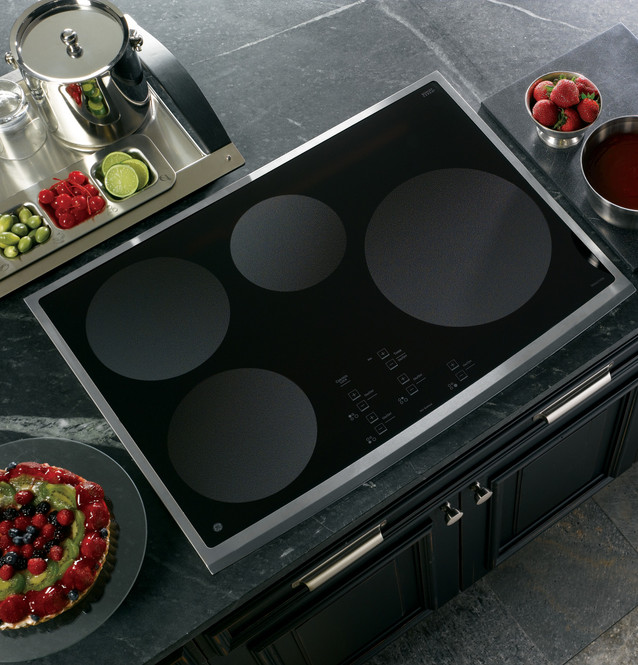
If you are shopping for a professional-grade cooking surface, this GE Profile Series Electric Induction Cooktop buying guide examines why this 36-inch professional-grade model is a premier choice for homeowners seeking speed, energy efficiency, and precise temperature control. If you are looking for a full performance analysis, check out our GE Profile (PHP9036DJBB) full performance review. Featuring five cooking zones and advanced Sync-Burners, it is designed for those seeking a professional-grade built-in cooking surface for modern kitchens. For more options in this lineup, explore the GE Profile induction series and related accessories
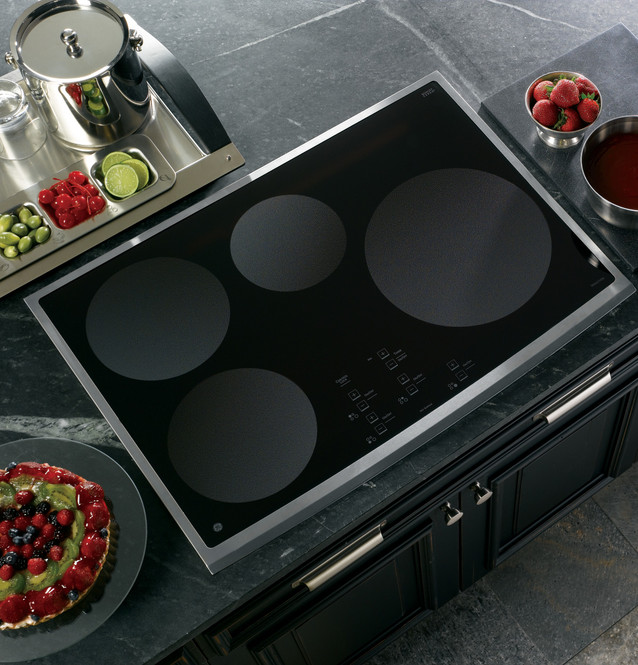
Best 36-inch Induction Cooktop: GE Profile Series Electric Induction Cooktop
Score: 9.1/10. A polished 36-inch induction cooktop with fast heating, five cooking zones, bridge flexibility, and precise control for serious home cooks.
GE Profile Series Electric Induction Cooktop
For those wanting to see the unit in action, our detailed GE Profile PHP9036DJBB performance review provides extensive testing data. The GE Profile Series Electric Induction Cooktop is a 36-inch built-in surface engineered for those who demand professional-grade performance and flexibility. Unlike traditional electric cooktops that rely on radiant coils to heat the glass, this model utilizes electromagnetic energy to heat the cookware directly. The result is a dramatic increase in efficiency, faster boil times, and a surface that remains significantly cooler to the touch than conventional electric alternatives.
With five dedicated cooking zones, this cooktop provides ample real estate for complex meal preparation. The centerpiece of its functionality is the GE Sync-Burners technology and the integrated bridge element. By linking two cooking zones, the bridge element transforms the surface into a single, large heating area. This is indispensable for cooks who frequently use griddles, roasting pans, or oversized oval pots, ensuring that heat is distributed evenly across the entire base of the cookware rather than leaving cold spots between individual rings.
Precision is where the GE Profile Series Electric Induction Cooktop truly shines. With 17 distinct heat settings per element, users have granular control over the temperature. This range allows for a seamless transition from a delicate low-heat simmer—ideal for melting butter or tempering chocolate—to a high-powered sear. The responsiveness of induction is nearly instantaneous; when you adjust the setting, the energy output changes immediately, mimicking the behavior of a high-end gas range but with the cleanliness and safety of an electric system. We dive deeper into this responsiveness in our GE Profile PHP9036DJBB review.
For the homeowner, the appeal extends beyond performance to maintenance and aesthetics. The smooth black ceramic glass surface creates a flush, minimalist look that integrates perfectly into stone or quartz countertops, pairing well with high-quality fixtures—see our guide on how to choose the best bathroom sink faucet—such as the MOEN Chateau 7430 faucet (see our detailed performance review) or premium kitchen faucets and the Pfister Stellen LG529-STGS faucet series. Because the glass does not get hot from a heating element (only from residual heat from the pan), spills are less likely to "bake" onto the surface, making the daily cleanup a simple matter of wiping with a damp cloth and mild detergent.
Pros
- Five cooking zones provide generous space for multi-pan meals.
- Induction heating offers fast response and precise temperature changes.
- Bridge element and Sync-Burners improve flexibility for griddles and oversized cookware.
- 17 heat settings per element give more control than basic cooktop controls.
- Smooth black ceramic glass surface is easy to wipe down after cooking.
- Built-in 36-inch format suits larger kitchen layouts and serious home cooks.
Cons
- Requires induction-compatible magnetic cookware.
- 36-inch size may not fit kitchens designed for a 30-inch cooktop.
- Installation requires specific high-voltage wiring; we recommend reviewing our guide on how to replace a circuit breaker safely and learning about choosing the best 20-amp circuit breakers and understanding AFCI vs Standard circuit breakers when planning your electrical upgrades.
- Black glass can show fingerprints and fine scratches over time.
- Single-surface design does not include an oven.
| Specification | GE Profile Series Electric Induction Cooktop |
|---|---|
| Model Number | PHP9036DJBB |
| Category | Cooktops & Rangetops |
| Cooktop Type | Electric Induction |
| Width Class | 36 inches |
| Cooking Zones | Five |
| Flexible Cooking Feature | Bridge element with GE Sync-Burners technology |
| Heat Settings | 17 settings per element |
| Surface Material | Smooth black ceramic glass |
| Primary Use Case | High-performance home cooking in built-in designs |
Deep Dive: How Induction Heating Works
To appreciate the value of the GE Profile Series Electric Induction Cooktop, it is helpful to understand the efficiency gains over traditional electric tops, we recommend reading our detailed GE Profile PHP9036DJBB review to understand the science that separates it from "standard" electric cooktops. Traditional electric stoves use radiant heating: electricity flows through a coil, the coil gets hot, and that heat is transferred through the glass and then into your pan. This process is slow, wastes a lot of energy into the air, and creates a dangerous hot-surface environment.
Induction heating, however, uses electromagnetism. Under the ceramic glass, there is a copper coil. When you turn the burner on, an alternating current flows through the coil, creating a magnetic field. This field doesn't heat the glass; instead, it induces an electric current directly inside the metal of your pan (specifically, the ferromagnetic molecules). Essentially, the pan itself becomes the heating element. This process, known as eddy current heating, allows for an efficiency rate that far exceeds both gas and traditional electric ranges.
This technology provides three primary advantages found in the PHP9036DJBB:
Unmatched Speed
Because the heat is generated inside the pan rather than transferred from a coil, water boils significantly faster. In many cases, an induction element can bring a large pot of water to a boil in nearly half the time of a traditional electric range. This is because there is no "middleman" (the glass or a metal grate) absorbing the heat before it reaches the liquid. This efficiency means less time spent waiting for a pot to heat and more time actually cooking.
Surgical Precision
In radiant cooking, there is a "lag" time—the coil takes a while to cool down after you turn the dial. With induction, the moment you lower the setting, the energy flow drops immediately. This prevents the common "boil-over" that happens when you're trying to adjust a simmering pot. The 17 heat settings on the GE Profile model allow for an incredibly tight control loop, making it ideal for delicate sauces, melting butter without browning, or tempering chocolate.
Enhanced Safety
The glass surface only heats up because the hot pan is sitting on it. The cooktop itself does not generate heat, drastically reducing the risk of accidental burns and preventing the "burnt-on" food stains common with radiant electric tops. This makes it a safer choice for households with children or pets, as the surface cools down much faster than a traditional range. Furthermore, if a pan is removed from the burner, the energy transfer stops immediately, reducing the risk of fire if a burner is accidentally left on.
Comprehensive Buyer's Guide: Is This the Right Cooktop for You?
Choosing a built-in cooktop is a long-term investment in your kitchen's infrastructure—much like installing a Waterdrop G3P800 water system to protect your plumbing and appliances. When considering the GE Profile Series Electric Induction Cooktop, you should evaluate your needs across four main categories: space, cookware, electricity, and cooking style.
1. The Space Requirement
This is a 36-inch model. In the world of cooktops, 30 inches is the standard residential size, while 36 inches is the "prosumer" or luxury size. If you are replacing an old 30-inch unit, this will not fit without significant countertop modification. However, if you have a large kitchen island or a wide counter, the extra 6 inches provides a critical amount of breathing room. It allows you to have three large pots and two small saucepans going simultaneously without them crowding each other, which is essential for hosting large gatherings or preparing complex multi-course meals.
When measuring for the PHP9036DJBB, don't just measure the top surface. You must ensure that the cabinet cutout below provides enough room for the unit to drop in (similar to how you must plan clearances when installing a sump pump in a basement) and that there is sufficient depth and that there is sufficient depth for the electrical connection. Check the manufacturer's template carefully to ensure that any existing support brackets or cabinetry do not interfere with the unit's chassis.
2. Cookware Compatibility
Not all pans work on induction. To work with the PHP9036DJBB, the pan must be ferromagnetic. This means the material must be able to conduct a magnetic field to generate heat. This leads to a few specific requirements:
- Cast Iron: Works perfectly and is excellent for searing. Traditional cast iron is naturally magnetic.
- Enameled Cast Iron: Works perfectly (e.g., brands like Le Creuset or Staub). The enamel coating doesn't interfere with the magnetic field.
- Magnetic Stainless Steel: Works well. Look for the "Induction Ready" symbol (a coil icon) on the bottom of the pan. Note that some high-end stainless steel is non-magnetic and will not work.
- Aluminum/Copper/Glass: These will NOT work unless they have a specially bonded magnetic plate on the bottom. Pure copper or aluminum pans cannot be heated by induction.
If you have a large collection of non-magnetic copper or aluminum pans, switching to the GE Profile may require an investment in new cookware. However, many modern "tri-ply" pans feature a magnetic stainless steel exterior that allows them to work on induction while maintaining a high-quality aluminum core for heat distribution.
3. Electrical Infrastructure
Induction cooktops are power-hungry. Because they deliver so much energy so quickly, they typically require a dedicated high-voltage circuit. Ensure your electrical panel is updated to meet the manufacturer's specifications, particularly when integrating high-draw appliances into your kitchen, similar to the power requirements for high-draw appliances; ensure your home electrical infrastructure is fully optimized. For those upgrading their panels, we recommend using Eaton AFCI breaker protections (see our AFCI vs Standard guide), which are essential for high-voltage kitchen circuits to ensure safety and compliance. If you're unsure which protection level is required, compare our AFCI vs Standard guide to determine which safety level your kitchen renovation requires. Depending on your home's wiring, you may need a high-amperage breaker—while best 20-amp circuit breakers are standard for general outlets, this appliance requires much more power to handle the high-voltage load; for a step-by-step walkthrough on electrical safety, see our guide on how to replace a circuit breaker safely. Before purchasing, it is highly recommended to have a licensed electrician verify that your current 240V outlet is sufficient and that the wiring can handle the load of a 36-inch induction unit. Standard 110V outlets cannot power this device. For more on managing home power loads for high-end appliances, we recommend reviewing our guides on best 20-amp circuit breakers and overall panel safety to ensure your home infrastructure is fully optimized.
Additionally, consider the placement of your electrical box. If the cooktop is being installed in a new location, running a 240V line through a kitchen island can be a costly part of the renovation. Ensure your electrical planning accounts for the specific wattage requirements of the PHP9036DJBB to avoid tripping breakers during peak usage. This planning is critical when using multiple high-power zones simultaneously, to ensure a safe and efficient installation.
4. Cooking Style and Volume
If you primarily cook simple meals (one pan at a time), a 36-inch model may be overkill. However, if you are a "serious home cook" who prepares multi-course meals, hosts dinner parties, or uses large griddles for family breakfasts, the GE Profile's five-zone layout is a massive upgrade. The ability to bridge elements means you can use a 12-inch rectangular grill pan without worrying about the edges of the pan remaining cold, providing a professional-grade searing surface across a wide area.
The precision of the 17 heat settings is also a key consideration. For those who enjoy technical cooking—like sous-vide style reductions or delicate confectionery work—the ability to maintain a very specific low temperature is a game-changer. It removes the guesswork associated with the "Medium-Low" setting on a standard electric stove, which often fluctuates wildly.
Installation and Setup Considerations
Installing a built-in cooktop like the GE Profile PHP9036DJBB is a permanent modification to your kitchen. Here is a detailed breakdown of what the process entails to ensure a successful setup.
Countertop Cutout
The "cutout" is the hole in your countertop where the cooktop drops in. GE provides specific templates for the PHP9036DJBB. If you are ins