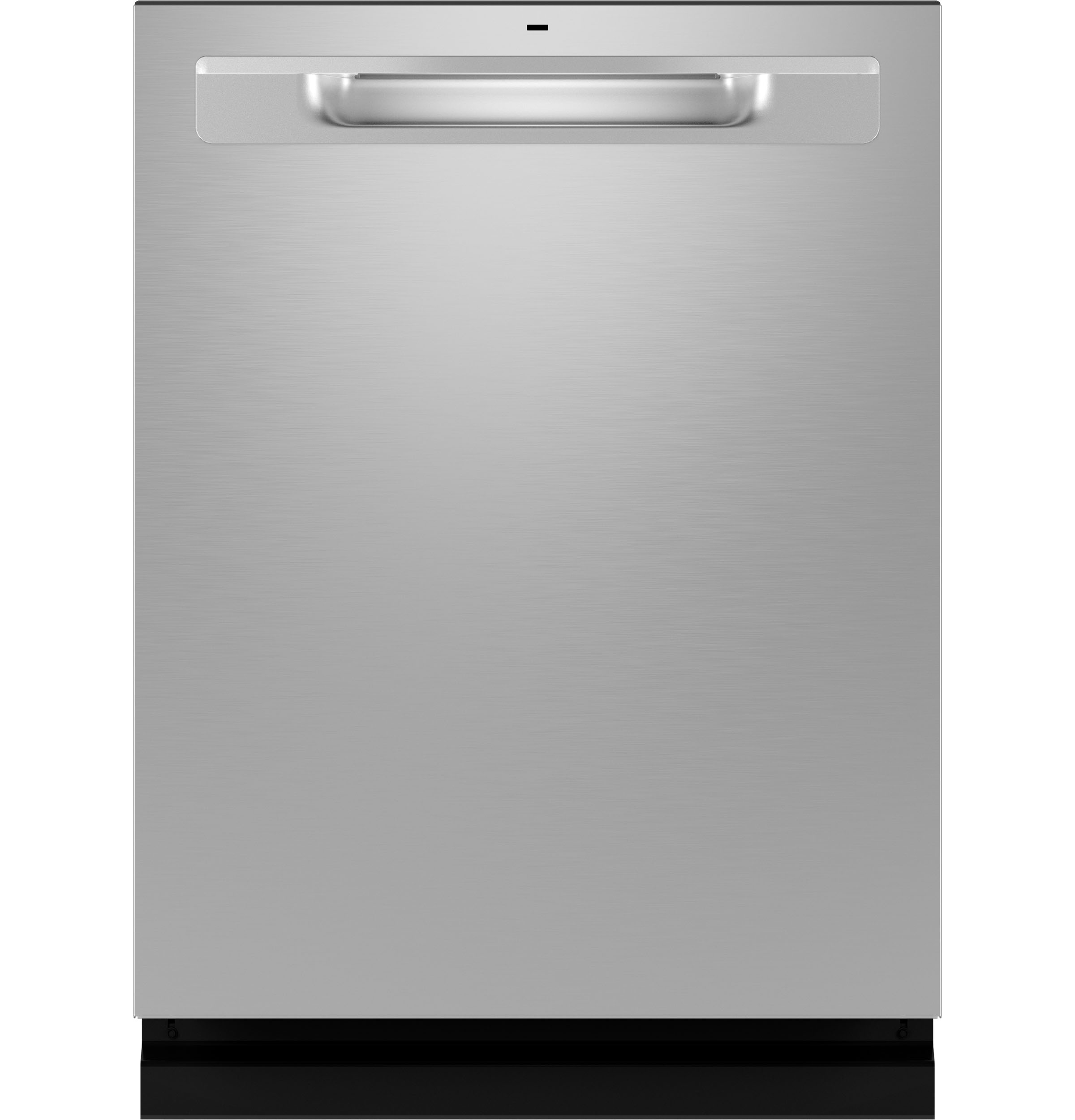
A dishwasher should disappear into your kitchen—both visually and audibly—while quietly doing the hard work after dinner. The GE Top Control Dishwasher with Stainless Steel Interior delivers on that promise with a hidden control panel and a heat-retaining tub built for better drying. This guide breaks down exactly what you get and who it's right for.
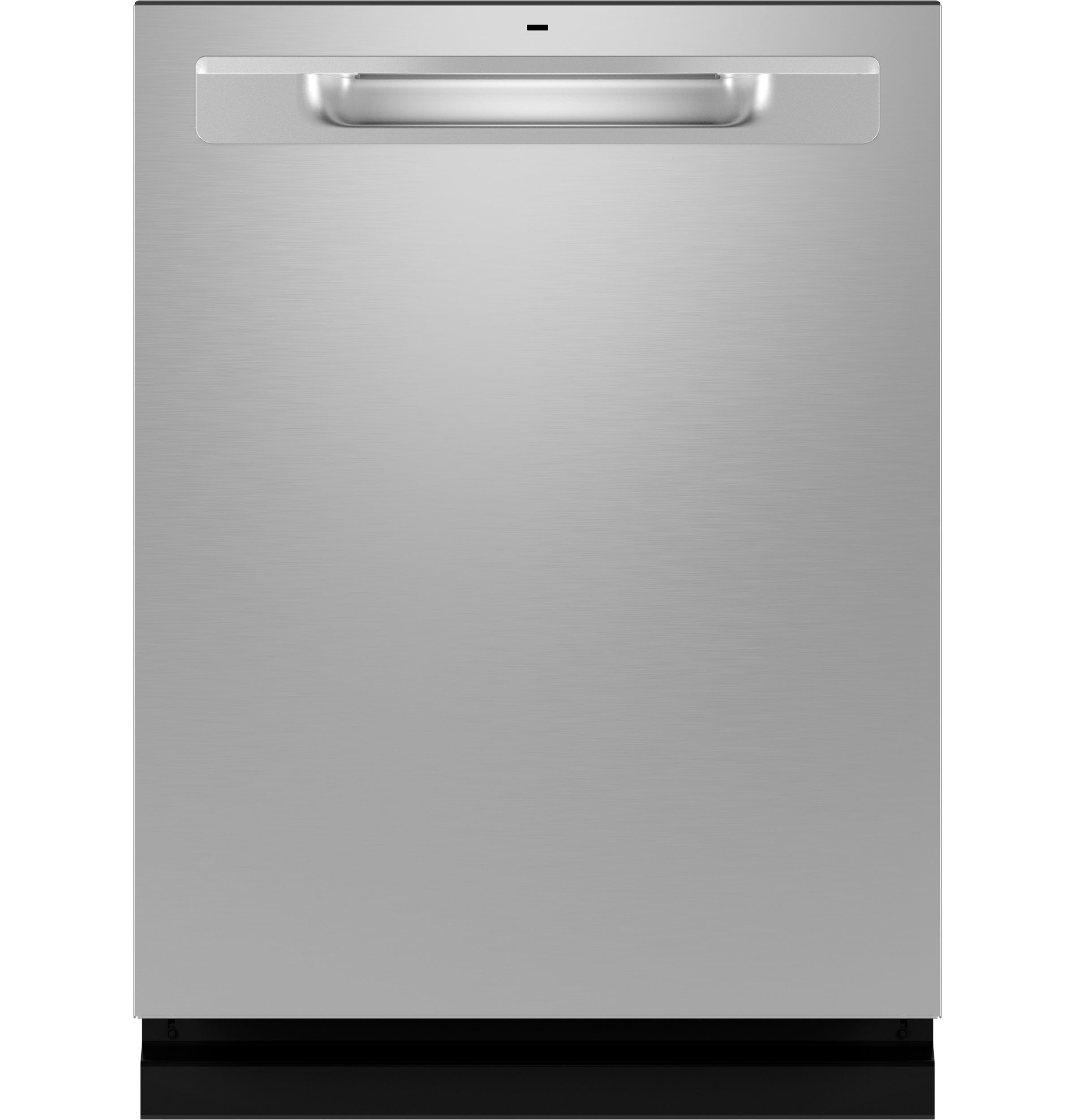
Top Pick: GE Top Control Dishwasher with Stainless Steel Interior
Score: 9.1/10 — Best overall. A versatile, clean-looking dishwasher with a stainless interior that dries better and resists odors, making it an easy recommendation for most households.
GE Top Control Dishwasher with Stainless Steel Interior
Related parts & accessories
The standout design feature of this GE dishwasher is its top-mounted control panel. By moving the buttons to the top edge of the door, the front face stays smooth and uninterrupted, giving your kitchen a more integrated, built-in look. It is a design choice that appeals heavily to those with modern or minimalist kitchen aesthetics, allowing the cabinetry and countertop finishes to take center stage without the visual clutter of a traditional front-facing keypad.
Underneath that clean exterior is a high-grade stainless steel interior, which provides a significant upgrade over traditional plastic tubs. Stainless steel is not merely an aesthetic choice; it is functionally superior because it resists the stains and lingering food odors that often permeate plastic over years of use. More importantly, stainless steel has a higher thermal mass, meaning it retains heat far more effectively during the drying phase of the cycle. This retained heat facilitates faster evaporation, ensuring that glassware and ceramics emerge dry and ready for the cupboard without the need for manual towel-drying.
Versatility is the core of the GDT550PYRFS experience. The machine includes multiple wash cycles designed to handle a spectrum of soil levels. Lightly soiled wine glasses or coffee mugs can be processed through an efficient, gentle cycle, while heavily crusted pots and pans are tackled with high-pressure, high-temperature settings. This range of cycles means that for the average household, the need to pre-scrub dishes in the sink is greatly reduced, saving both water and time.
This model is best suited for buyers who want a dependable everyday workhorse with a refined appearance—families, busy professionals, and homeowners replacing an aging unit who value quieter operation and improved drying performance over complex smart-home connectivity. It strikes a balance between industrial-strength cleaning and a sophisticated home presence.
Pros
- Sleek top controls keep the front panel uninterrupted
- Stainless interior resists stains and odors
- Heat retention improves drying performance
- Multiple cycles handle delicate to heavily soiled loads
- Strong fit for everyday family use
Cons
- Top controls aren't visible at a glance while running
- Stainless interiors can show water spots if unloaded late
- Lack of advanced smart-app integration compared to luxury tiers (such as those seen in GE Profile luxury kitchen suites)
| Specification | Details |
|---|---|
| Model Number | GDT550PYRFS |
| Category | Dishwasher |
| Control Type | Top Control (Hidden) |
| Tub Material | Stainless Steel |
| Drying System | Heat-Retaining Stainless Tub |
| Cycle Options | Multiple (Light to Heavy) |
We may earn a commission on purchases made through links on this page, at no extra cost to you.
Deep Dive: How the GE GDT550PYRFS Works
To understand why the GE Top Control Dishwasher performs consistently, it's necessary to look at the engineering of its water delivery and thermal management systems. Unlike budget models that rely on a simple "spray and drain" mechanism, this unit utilizes a targeted spray arm system that ensures water reaches every corner of the interior, regardless of how the dishes are loaded. The mechanical action of the water is paired with a precisely timed chemical release of detergent, ensuring that surfactants can break down fats and proteins before the final rinse phase.
The Science of Stainless Steel Drying
Most consumers assume that a heating element is the only way to dry dishes. However, "condensation drying" is often more effective for plastics and prevents the "baked-on" residue sometimes seen with high-heat elements. The stainless steel tub in the GDT550PYRFS acts as a thermal battery. During the final rinse, the tub absorbs intense heat. Once the water drains, the stainless steel continues to radiate that heat back into the moist air, causing water droplets on the dishes to evaporate rapidly.
This process is more energy-efficient and gentler on delicate glassware than a raw heating coil, which can occasionally crack thin crystal if the temperature spikes too rapidly. By leveraging the thermodynamic properties of steel, GE ensures that the humidity levels inside the tub drop consistently during the cooling phase, pushing moisture away from the plates and toward the vent system.
Water Filtration and Circulation
The GDT550PYRFS employs a filtration system designed to catch food particles before they can be recirculated onto your "clean" dishes. By separating the debris from the wash water, the machine maintains a higher level of cleanliness throughout the cycle. The circulation pumps are calibrated to balance water pressure—providing enough force to remove baked-on lasagna from a casserole dish, but not so much that it displaces lightweight plastic containers from the top rack.
This "smart pressure" management is critical for protecting your dinnerware while ensuring no residue is left behind. The pump system is engineered to maintain a constant flow rate even when the racks are fully loaded, preventing "dead zones" where water pressure drops. This ensures that the furthest corner of the lower rack receives the same scrubbing power as the center.
Turbulence and Spray Geometry
The internal spray arms are engineered with a specific pitch and hole diameter to maximize turbulence. By creating a vortex of water and detergent, the machine ensures that mechanical scrubbing occurs even on the vertical surfaces of plates. This geometry is critical because it prevents "dead zones" in the tub where water might otherwise fail to reach, such as the very back corners of the lower rack.
The rotation speed of the arms is optimized to sync with the pump's output, ensuring a consistent curtain of water that wraps around the dishes. GE's focus on spray geometry means that the water isn't just hitting the dishes—it's scrubbing them. The angle of the nozzles is designed to bounce water off the tub walls and back onto the dishes, creating a recursive cleaning effect that maximizes every gallon of water used.
Comprehensive Buyer's Guide: What to Look For in a Dishwasher
When shopping for a dishwasher, it is easy to be overwhelmed by technical jargon. To make an informed decision, you should categorize your needs based on five primary pillars: Cleaning Power, Drying Efficiency, Noise Levels, Aesthetics, and Long-term Durability.
1. Cleaning Power and Cycle Versatility
Looking for a reliable daily driver? The GE Top Control Dishwasher with Stainless Steel Interior offers a perfect balance of power and aesthetics.
A dishwasher is only as good as its worst wash. You should look for a model that offers a variety of cycles. A "Normal" cycle is standard, but "Heavy" cycles are essential for those who cook with cast iron or stainless steel pans. "Eco" or "Light" cycles are vital for reducing utility bills and protecting delicate stemware. The GE GDT550PYRFS excels here by providing a spectrum of intensities that prevent the need for pre-rinsing; those seeking a similar stainless tub experience at a different price point might consider the Frigidaire Built-In Dishwasher with Stainless Steel Tub and OrbitClean Wash Arm or the Maytag Built-In Dishwasher with Dual Power Filtration and Stainless Steel Interior, or opt for the premium quietness of the KitchenAid Built-In Dishwasher with Third Rack and Quiet 39 dBA Operation or the versatility of the LG QuadWash Front Control Built-In Dishwasher with TrueSteam and EasyRack Plus.
Additionally, consider the presence of "half-load" or "express" options. These features allow you to run the machine more frequently without wasting gallons of water when you only have a few items to clean. The ability to adjust the temperature of the wash water also plays a role in how effectively grease is emulsified and removed from surfaces. High-temperature washes are particularly useful for sanitizing baby bottles or cutting boards used for raw meat.
2. The Tub Material Debate: Plastic vs. Stainless
If you are choosing between a plastic tub and a stainless steel tub, the choice should almost always be stainless steel if your budget allows. Plastic tubs are prone to scratching, which creates microscopic pockets where bacteria and odors can hide. Over time, plastic can absorb the smell of old food, leading to a "musty" scent even when the machine is clean. Furthermore, plastic is an insulator, meaning it lets heat escape into the surrounding air rather than keeping it concentrated on the dishes.
Stainless steel is a conductor, which significantly boosts the drying performance of the machine. From a durability standpoint, stainless steel is virtually immune to the cracking and warping that can occur in lower-end plastic tubs after several years of exposure to high-temperature cycles. While stainless steel may show water spots more readily if you have hard water (mineral deposits), it is significantly easier to sanitize and maintain over a decade of ownership. It can be scrubbed more aggressively without fear of damaging the structural integrity of the tub.
3. Control Placement: Front vs. Top
Front-mounted controls are convenient because you can see the remaining time and settings without opening the door. However, they break the visual line of the kitchen and can be prone to accidental presses by children or pets. Top-mounted controls, like those on the GDT550PYRFS, offer a "seamless" look. This is particularly important for those with open-concept homes where the kitchen is a focal point of the living area and the appliance aesthetics contribute to the overall room design.
When choosing top controls, consider if you have a lot of under-cabinet lighting or if the dishwasher is installed under a deep countertop overhang, as this can occasionally obscure the buttons. However, for the majority of users, the aesthetic gain of a hidden panel far outweighs the minor inconvenience of leaning in to check the cycle timer. Once you get used to the "set it and forget it" nature of top controls, the cleaner look of the kitchen usually becomes the priority.
4. Noise Levels (dBA)
In the modern home, the dishwasher often runs while people are watching TV or working in the next room. Noise is measured in decibels (dBA). A unit rated at 44-48 dBA is virtually silent, while 55+ dBA can be disruptive to a conversation. The GE GDT550PYRFS is designed for quiet operation, ensuring that the "hum" of the machine doesn't dominate the household environment.
Quietness is usually achieved through better insulation in the tub walls (often using thick bitumen or foam layers) and the use of brushless DC motors, which vibrate less than traditional AC motors. When comparing noise levels, remember that every 3dB increase represents a noticeable jump in sound. A machine at 50 dBA is significantly quieter than one at 54 dBA. If you have an open floor plan, paying a premium for a lower dBA rating—such as that found in the Bosch 500 Series Built-In Dishwasher with Third Rack and AutoAir Drying—is one of the best investments you can make for your daily quality of life.
5. Long-term Durability and Brand Reliability
Researching the "serviceability" of a brand is just as important as the initial features. Look for brands with wide parts availability and a strong network of authorized technicians. There is nothing more frustrating than a broken dishwasher that cannot be fixed because a specific proprietary gasket is on backorder for three months. GE, known for reliable home appliances—including their highly-rated GE ADEL50LZ Dehumidifier review— has a long-standing infrastructure in North America, making it easier to find replacement gaskets, pump seals, or rack rollers years down the road compared to niche imported brands.
Check for the warranty terms on the tub and motor. A stainless steel tub is generally a lifetime investment, but the electronic control boards and pumps are where most failures occur. Choosing a brand with a reputation for "rugged" engineering rather than "feature-bloated" engineering usually leads to a longer machine lifespan. The GDT550PYRFS focuses on the core fundamentals—cleaning and drying—whereas those prioritizing extra capacity might prefer a model like the Bosch 300 Series Built-In Dishwasher with CrystalDry and Third Rack or the Samsung StormWash Built-In Dishwasher with Third Rack or the Whirlpool Built-In Dishwasher with Third Rack and Stainless Tub with its dedicated third rack, avoiding the complexity of smart-home features that can become obsolete or fail over time.
Installation and Setup Guide
Installing the GE Top Control Dishwasher is a straightforward process for those with basic plumbing knowledge, but several critical steps ensure the longevity of the machine and the safety of your kitchen flooring. Proper installation prevents the two most common dishwasher failures: leaks and poor drainage.
Installation Accessories
Pre-Installation Checklist
Before the unit arrives, ensure your cabinet opening is exactly 24 inches wide. Check that you have a dedicated 120V grounded outlet. If you are replacing an old unit, inspect the existing water supply line (similar to how you would when installing a premium MOEN Chateau kitchen faucet or upgrading your sink area) or exploring the Kohler Artifacts series) or following a general faucet installation guide). It is highly recommended to replace the braided steel supply line with a new one during installation; a 10-year-old hose is a liability that can lead to catastrophic kitchen flooding if it bursts under pressure.
Ensure your sink's garbage disposal is clear and that the drain hose is installed with a "high loop." A high loop prevents dirty sink water from siphoning back into the dishwasher tub, which is a common cause of odors and "dirty dish" residue after a cycle has finished. Without this loop, gravity pulls waste water back into the machine, contaminating the freshly cleaned load.
Step-by-Step Installation Process
- Leveling: Place the unit in the opening and adjust the leveling legs. A dishwasher that isn't level will not drain properly and can cause the door to swing open or shut unevenly. Use a spirit level across the top of the chassis.
- Water Connection: Connect the supply line to the water inlet valve. Tighten with a wrench, but avoid over-tightening, which can crack the plastic valve housing.
- Drainage Setup: Attach the drain hose to the garbage disposal or sink tailpiece. Ensure the clamp is tight and the "high loop" is secured to the underside of the countertop using a bracket.
- Electrical Wiring: Depending on your home, this unit may be plug-in or hardwired. If hardwiring, ensure all connections are secure with wire