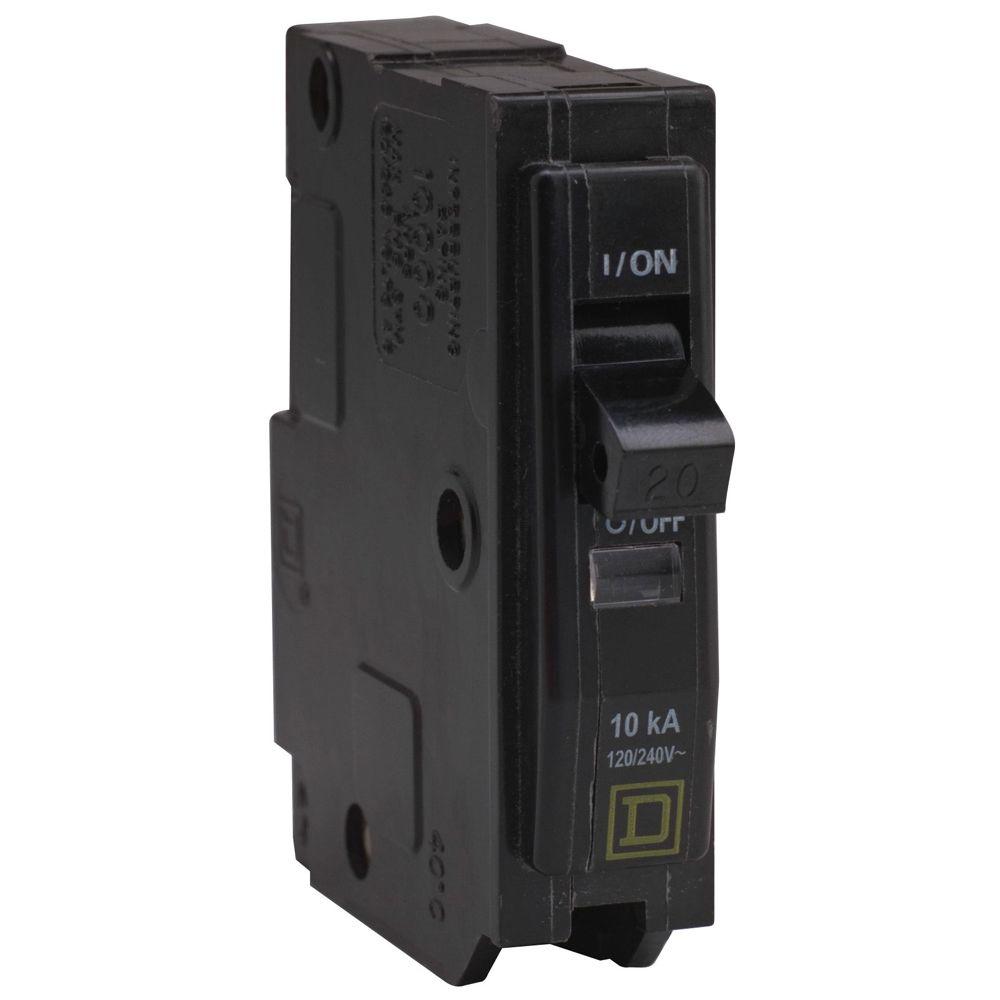
The Square D Single-Pole Plug-On Circuit Breaker 20-Amp for QO Load Centers is the professional choice for homeowners seeking reliable 20-amp overcurrent protection. Designed specifically for QO load centers, it provides the critical safety needed for high-draw circuits. Known for its "Visi-Trip" indicator and robust build, it is the go-to choice for high-draw household circuits like kitchens and garages. If you are planning a basement utility layout, our Ridgid SP-650C sump pump guide highlights the importance of dedicated circuitry. If you're upgrading your HVAC power, check out our Bosch mini-split heat pump guide for more context. For those installing high-power climate control, see our Pioneer mini-split heat pump guide for power requirements. For those optimizing their utility rooms, we also recommend optimizing your home utility systems with a GE GXWH40L whole house water filter for overall system health. This guide provides a comprehensive deep dive into its technical specifications and installation requirements to help you maintain a safe home electrical system, similar to how we approach managing humidity in utility rooms. For those upgrading their entire basement electrical safety, our battery backup sump pump guide provides essential context on dedicated circuit needs.
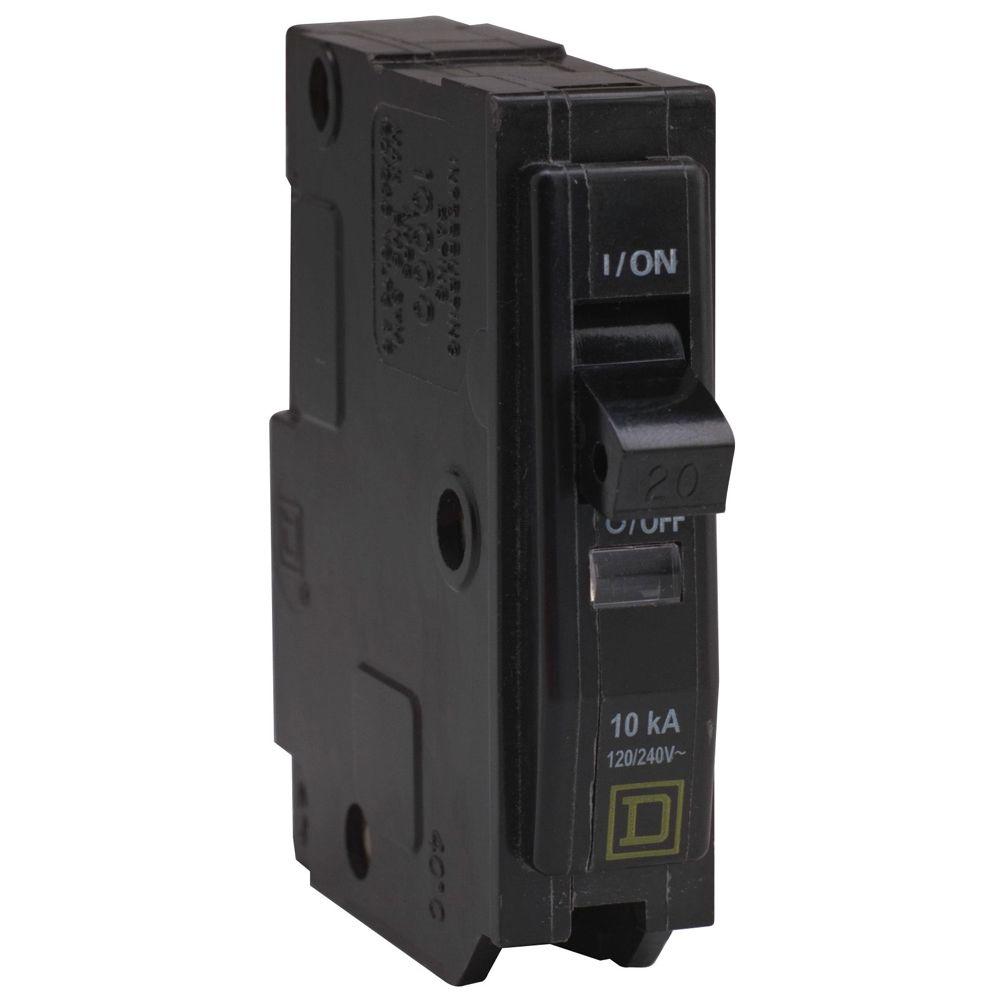
Top Pick: Square D Single-Pole Plug-On Circuit Breaker 20-Amp (QO120CP)
Score: 9.8/10 — The most reliable, code-compliant thermal-magnetic breaker for Square D QO panels, featuring a foolproof trip indicator.
Square D Single-Pole Plug-On Circuit Breaker 20-Amp for QO Load Centers (QO120CP)
The Square D Single-Pole Plug-On Circuit Breaker 20-Amp for QO Load Centers is not just a component; it is a critical safety device designed to prevent electrical fires and equipment damage.
Specifically engineered for the QO series of load centers, this 20-amp single-pole breaker manages the flow of electricity to a single 120V branch circuit. Whether you are powering a dedicated microwave circuit, a high-draw MrCool DIY mini-split heat pump, a bathroom vanity, or a series of garage outlets, the QO120CP provides the precise overcurrent protection required by the National Electrical Code (NEC).What sets the QO120CP apart from budget alternatives is its construction. If you are weighing different brands for a full panel upgrade, see our Square D vs Eaton Circuit Breakers comparison guide to see which brand fits your needs. The "plug-on" design ensures a high-pressure, secure connection to the panel's bus bar, which minimizes electrical resistance and prevents the overheating often associated with loose connections. Furthermore, the internal thermal-magnetic trip mechanism is calibrated to respond rapidly to both slow-building overloads (thermal) and instantaneous short circuits (magnetic), ensuring that your home's wiring is never pushed beyond its physical limits. For those enhancing their total home safety, you may also be interested in our ADT Self Setup buying guide or explore comprehensive home security options, such as the Ring Alarm Pro 14-Piece kit, to protect your electrical upgrades.
For the end-user, the standout feature is the Visi-Trip indicator. In a dark basement or a crowded panel, identifying which breaker has tripped can be a guessing game of flipping switches. For more on advanced protection, see our Eaton BRCAF115 review. The QO120CP solves this by displaying a bright red flag in a small window when the breaker is tripped. This visual cue significantly reduces troubleshooting time and prevents the dangerous practice of "blindly" resetting breakers without investigating the cause of the fault.
Pros
- Visi-Trip indicator allows for instant identification of faults
- Robust 10,000 AIC rating for superior short-circuit protection
- Plug-on architecture ensures a secure, arc-resistant fit
- Compatible with all standard QO load centers
- High-quality materials prevent premature wear and "nuisance" trips
Cons
- Strictly limited to QO panels (incompatible with Homeline)
- Lacks integrated AFCI/GFCI protection
- Premium pricing compared to generic alternatives
Disclosure: We may earn a commission from qualifying purchases made through links in this guide.
Technical Specifications
| Feature | Specification |
|---|---|
| Model Number | QO120CP |
| Amperage Rating | 20 Amps |
| Number of Poles | Single-Pole |
| Voltage Rating | 120/240 VAC |
| Interrupting Rating | 10,000 AIC (Amps Interrupting Capacity) |
| Mounting Style | Plug-on (QO Bus) |
| Trip Indicator | Visi-Trip Red Flag |
| Wire Gauge Range | 14–8 AWG Cu/Al |
| Compliance | UL Listed, CSA Certified |
Deep Dive: How the QO120CP Works
To understand why the QO120CP is a premium choice, one must understand the physics of a thermal-magnetic breaker. This dual-trip mechanism ensures the breaker can handle two very different types of electrical failures: overloads and short circuits.
The Thermal Mechanism: Protecting Against Overloads
The "thermal" part of the breaker consists of a bi-metallic strip. For homeowners managing critical basement infrastructure—such as those installing a Wayne ESP25 battery backup or a Basement Watchdog BW1033—understanding these protection mechanisms is key to preventing equipment failure during power surges. If you are monitoring humidity to protect your electrical panel, our GE ADEL50LZ dehumidifier review is a great resource.
As current flows through this strip, it heats up. This is normal operation, but if the current exceeds the 20-amp rating—for example, if you plug a space heater, a toaster, and a hairdryer into the same circuit—the strip continues to heat beyond its threshold. The two metals in the strip expand at different rates, causing the strip to bend. Once the bend reaches a critical angle, it physically trips the internal latch, cutting power to the circuit.
This process is intentionally slow. It allows for "inrush current"—the brief spike of energy when a motor (like a vacuum cleaner) first starts up—without tripping immediately. However, it will not allow a sustained overload to heat the copper wires in your walls to the point of melting the PVC insulation, which is the primary cause of residential electrical fires.
The Magnetic Mechanism: Stopping Short Circuits
The "magnetic" part is a solenoid. (Note: For DC-specific applications, such as marine setups, see the Blue Sea Systems Marine Thermal Circuit Breaker for DC Applications). For those managing critical home safety systems, such as a battery backup sump pump, ensuring stable power delivery via reliable breakers is essential. For more on managing basement flood risks, see our Wayne vs Zoeller sump pump comparison. If you are upgrading your basement safety, see our best submersible utility pumps for draining water and our Ridgid SP-650C sump pump review for more on managing water risk. In the event of a massive surge—such as a direct short circuit where a hot wire touches a neutral or ground—the thermal strip is too slow to react. Instead, the sudden, massive jump in current creates a powerful magnetic field within the solenoid. This magnetic force instantly pulls the trip lever, disconnecting the circuit in milliseconds.
The speed of the magnetic trip is vital. Without it, the energy of a short circuit would cause an electrical arc that could weld the breaker's contacts shut or cause a catastrophic failure of the panel. The QO120CP is engineered to handle this transition with extreme precision, ensuring the interruption happens before the wire's physical integrity is compromised.
The Engineering of the Plug-On Connection
The plug-on connection is equally important. Unlike older "stab" breakers that required screws or clips to hold the breaker against the bus, the QO plug-on design uses a precision-engineered mating surface. This is a high-pressure mechanical interface that maximizes the surface area of contact between the breaker and the energized bus bar.
High electrical resistance leads to heat. If a breaker has a loose connection, it creates a "hot spot." Over time, this heat causes the metal to oxidize, which increases resistance even further, leading to a vicious cycle that can eventually melt the plastic housing of the breaker. The QO120CP's plug-on architecture virtually eliminates this risk by ensuring a tight, arc-resistant fit that remains stable even under heavy loads.
Pro Tip: If you notice the breaker handle feels "mushy" or doesn't snap firmly into the ON position, the internal spring may have failed. Replace the breaker immediately to avoid intermittent power loss or overheating.
Detailed Buyer's Guide: Choosing the Right Breaker
Selecting a circuit breaker isn't as simple as picking a number. You must balance the breaker's rating with the wire's capacity and the local electrical code. Here is a detailed breakdown of the factors you must consider before purchasing the QO120CP.
1. The 20-Amp vs. 15-Amp Dilemma
The most common error in residential electrical work is "upsizing" a breaker to stop it from tripping. If a Siemens Single-Pole Plug-In Circuit Breaker 15 Amp or similar 15-amp breaker trips, some homeowners install a 20-amp breaker like the QO120CP to "give the circuit more room." This is extremely dangerous and a violation of the National Electrical Code (NEC).
A circuit breaker protects the wire, not the appliance. 15-amp circuits typically use 14 AWG wire. If you put a 20-amp breaker on 14 AWG wire, the wire can carry more current than it is physically rated for. The wire will overheat and start a fire inside your walls before the 20-amp breaker ever detects a problem. Only use the QO120CP if your circuit is wired with 12 AWG copper or 10 AWG copper wire.
2. Understanding AIC (Amps Interrupting Capacity)
The QO120CP has a 10,000 AIC rating. This is a critical safety specification that indicates the maximum amount of fault current the breaker can safely interrupt without failing catastrophically. In a "dead short," the current can spike to thousands of amps instantly.
If a breaker has a low AIC rating and is hit with a surge higher than that rating, the breaker can explode or "weld" the contacts shut, meaning it will never trip, even if the circuit is melting. While 10k is standard for residential use, it provides a significant safety margin compared to lower-rated generic breakers often found in discount stores.
3. The QO vs. Homeline Conflict
Square D produces two primary residential lines: QO and Homeline. Despite being made by the same company, they are physically and electrically incompatible. They cannot be mixed in the same panel.
- QO Series: Generally more expensive, features the Visi-Trip indicator, and has a more robust "plug-on" feel. These are designed for panels like the Square D 200-Amp 30-Space 30-Circuit Indoor Main Load Center. These are often preferred by professional electricians for high-end builds.
- Homeline Series: More budget-friendly, common in developer-built homes (such as the Square D Homeline 200-Amp 60-Space 60-Circuit Indoor Main Load Center), and uses a different bus-bar spacing.
Before ordering, look at the face of your panel or the existing breakers. If the breakers do not explicitly say "QO" and the panel is not a QO-branded center, the QO120CP will not physically fit into the slot.
Warning: Never attempt to modify a breaker (such as filing down the plug) to fit a different panel. This voids the UL listing and creates a severe fire hazard.
Step-by-Step Installation and Setup
Installing a QO120CP is a straightforward process—and if you're new to electrical work, we recommend reading our guide on how to replace a circuit breaker safely at home first—but because it involves high-voltage electricity, precision is mandatory. Follow these steps to ensure a safe installation.
Preparation and Safety
Before opening the panel, gather your tools: a calibrated torque screwdriver, a non-contact voltage tester, and a flashlight. The most critical step is power isolation. Turn off the Main Breaker to kill power to all branch circuits. Even then, remember that the "lugs" coming from the street into the main breaker are still live and extremely dangerous.
The Installation Process
- Verification: Use your non-contact voltage tester to confirm the bus bar where you are installing the breaker is dead. Touch the tester to the bus bar to ensure no residual voltage is present.
- Seating the Breaker: Align the QO120CP with the bus bar. Push firmly until you hear and feel a distinct "click." The breaker should be flush against the panel housing with no gaps. If it feels springy or doesn't seat fully, do not force it; check for debris on the bus bar.
- Wiring: Strip approximately 1/2 inch of insulation from your 12 AWG hot wire. Ensure there are no nicks in the copper. Insert the wire fully into the terminal lug.
- Torquing: This is where most DIYers fail. Use a torque screwdriver to tighten the lug to the specification listed on the breaker's side (usually around 20 inch-pounds). Under-tightening causes heat and arcing; over-tightening strips the threads and weakens the connection.
- Testing: With the branch circuit load disconnected (unplug everything), flip the Main Breaker on, then flip the QO120CP to the ON position. Check for any buzzing, sparking, or immediate tripping.
Maintenance and Long-Term Care
While circuit breakers are generally "set it and forget it" devices, they are subject to environmental wear. Over 20-30 years, oxidation can form on the contact points, and the internal spring mechanism can weaken.
Annual Inspection
Once a year, perform a visual inspection of your panel. You don't need to touch the internal components, but look for these warning signs:
- Discoloration: Any browning or charring around the QO120CP terminal indicates a loose wire or overheating. This requires immediate attention.
- Heat: While the panel is under load, carefully hover your hand near the breaker. It should not feel hot to the touch. If it feels warm, there may be an overload or a poor connection.
- Audible Noise: A humming or sizzling sound (arcing) is a sign of a poor connection. Power down the panel immediately if you hear this.
Dealing with Repeated Trips
If your QO120CP trips frequently, do not assume the breaker i