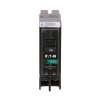
Eaton Single-Pole Combination AFCI Circuit Breaker
Score: 9.2/10 — A gold-standard safety upgrade that provides essential arc-fault protection with industrial-grade reliability and easy installation.
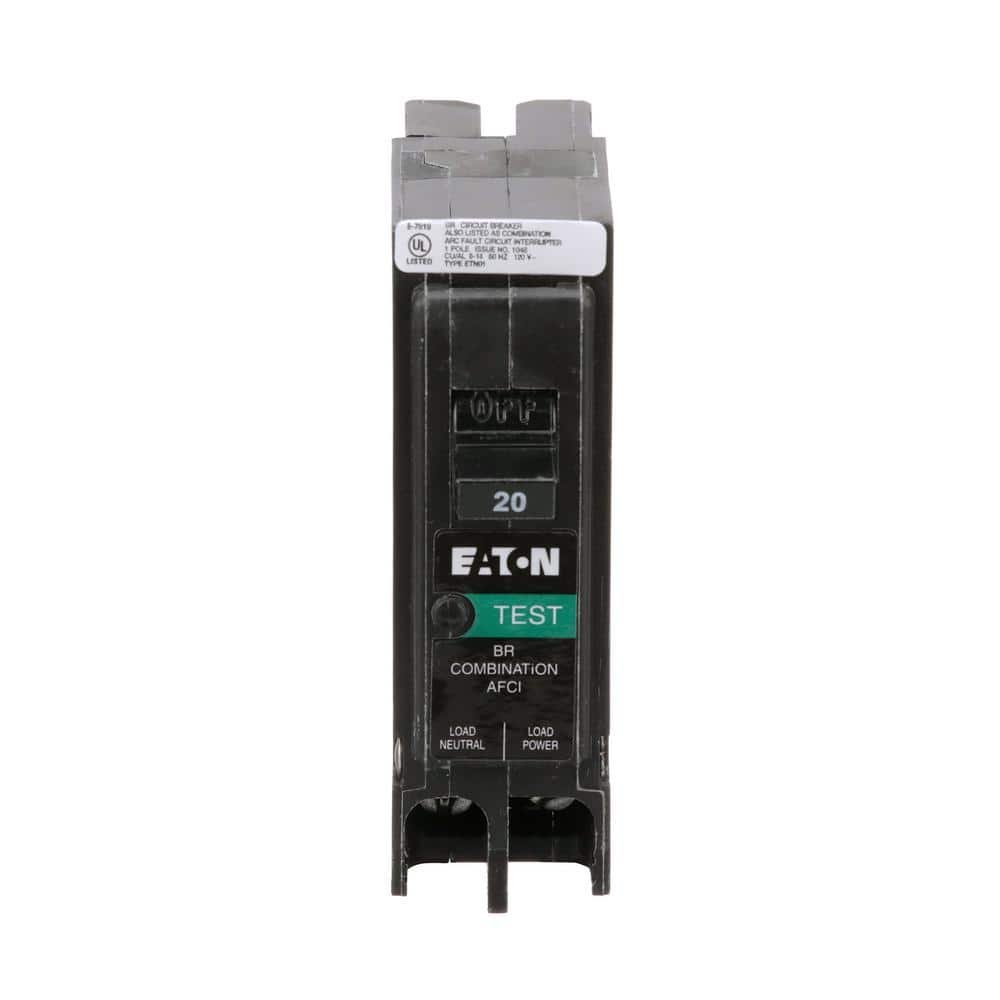
Overview
When it comes to residential fire prevention, the Eaton Single-Pole Combination AFCI Circuit Breaker is a professional-grade safety upgrade.
Designed to detect dangerous arc faults before they ignite, this breaker is an essential component for modern homeowners seeking NEC code compliance and industrial-grade electrical protection. When upgrading your home's safety infrastructure, combining electrical protection with a comprehensive home safety strategy provides the most comprehensive defense. For a deeper dive into its technical performance, see our detailed Eaton BRCAF115 review. This level of preventive maintenance is similar to why we recommend a high-quality sump pump for basement water management. Much like installing a battery backup sump pump protects your basement from flooding (see our Ridgid SP-650C buying guide and review), an AFCI protects your walls from internal electrical hazards, much like staying informed via a sump pump comparison guide helps you manage water risks. Unlike standard breakers that only trip during a massive overload or a direct short circuit, this Arc-Fault Circuit Interrupter (AFCI) is engineered to detect dangerous electrical arcs—small sparks caused by damaged wiring or loose connections—and shut down power instantly.Targeted primarily at homeowners performing bedroom or living area electrical upgrades and professional electricians following modern NEC (National Electrical Code) requirements, this breaker is a "combination" unit. This means it provides both AFCI protection and standard overcurrent protection in a single device, eliminating the need for separate components. In an era where smart home technology and high-density electronics increase the load on residential wiring, having a sophisticated "brain" at the panel is no longer a luxury but a necessity.
Integrating this breaker into your home electrical system effectively transforms your panel from a passive fuse box into an active monitoring system. While most homeowners take their wiring for granted, the reality of aging insulation, rodent damage in walls, or accidentally pierced wires during a picture-hanging project makes the Eaton Single-Pole Combination AFCI Circuit Breaker an indispensable layer of defense for any modern residence.
Key Features
Advanced circuitry that identifies the signature of a dangerous arc and trips the breaker to prevent fires.
Combines AFCI and standard thermal-magnetic trip functions in one 15-amp unit.
Designed to meet the stringent safety codes required for most residential living spaces.
Intuitive trip indicators help users quickly identify why the breaker has engaged.
| Feature | Specification |
|---|---|
| Amperage | 15 Amp |
| Pole Configuration | Single-Pole |
| Protection Type | Combination AFCI |
| Voltage Rating | 120V AC |
| Application | Residential / Home Technology |
| Compliance | UL Listed / NEC Compliant |
Pros & Cons
Pros
- Superior fire prevention compared to standard breakers
- Easy "snap-in" installation for compatible Eaton panels
- Highly accurate detection reducing the risk of electrical smoldering
- Meets current legal safety codes for home insurance
- Robust industrial build quality with high-cycle toggle
Cons
- Higher cost than non-AFCI breakers
- Can be sensitive to certain types of old electronics (nuisance tripping)
- Requires specific panel compatibility (not universal)
- Takes up more physical space in some older panel configurations
Performance
In real-world application, the Eaton Single-Pole Combination AFCI Circuit Breaker performs its primary duty with precision. During installation, the physical build feels robust, and the toggle action is crisp. The "Combination" aspect is where the value lies; it handles the 15-amp load steadily while the internal logic monitors for the erratic waveforms associated with arcing.
One of the most impressive aspects of this unit is the reduction in "nuisance trips" compared to first-generation AFCI breakers. While some high-draw vacuum cleaners or older power tools can occasionally trigger an AFCI, Eaton's refined sensing technology differentiates between a normal motor startup and a genuine wiring fault more effectively than many budget competitors. This means you spend less time staring at your electrical panel and more time utilizing your devices.
How it Works: The Science of Arc Detection
To understand why the Eaton Single-Pole Combination AFCI Circuit Breaker is superior to a standard breaker, one must understand the difference between a "short circuit" and an "arc fault." A standard breaker trips when the current exceeds 15 amps—essentially a flood of electricity (for specialized DC applications, see our review of the Blue Sea Systems Marine Thermal Circuit Breaker for DC Applications). However, an arc fault is different. It occurs when electricity "jumps" through the air between two conductors, often caused by a frayed wire or a loose terminal screw.
These arcs can reach temperatures of thousands of degrees, igniting wooden studs or insulation without ever drawing enough current to trip a standard thermal breaker (such as the Siemens Single-Pole Plug-In Circuit Breaker 15 Amp). The Eaton Single-Pole Combination AFCI Circuit Breaker utilizes a sophisticated microprocessor that samples the electrical waveform thousands of times per second. It looks for specific "signatures" or patterns of noise and voltage fluctuations that are characteristic of an arc. When the processor recognizes this dangerous pattern, it triggers the mechanical trip mechanism in milliseconds, cutting power before a fire can ignite.
The "Combination" designation is particularly important. In older electrical setups, you might have had one breaker for overcurrent and a separate device for arc protection. This unit integrates both. It uses a traditional bimetallic strip for thermal overloads and a magnetic coil for short circuits, all while the electronic brain monitors for arcs. This redundancy ensures that regardless of the type of electrical failure, the circuit is protected.
Beyond simple detection, the Eaton AFCI logic is designed to filter out "normal" arcs. Just as homeowners prioritize water quality with a whole house water filtration system, electrical safety requires specialized filtration of electrical noise to prevent false trips.
For instance, the brushes in a universal motor (found in some vacuums or mixers) create tiny sparks that are inherent to the device's operation. A crude AFCI would trip every time you turned on the vacuum. Eaton's firmware implements a complex set of algorithms that can distinguish these benign arcs from the erratic, high-energy signatures of a failing wire inside a wall.
Installation and Setup Process
Installing the Eaton Single-Pole Combination AFCI Circuit Breaker is a straightforward process for qualified individuals, but it requires strict adherence to safety protocols (see our detailed guide on how to replace a circuit breaker safely at home). Because this device manages high-voltage electricity, the "Golden Rule" is to ensure the main power to the panel is completely disconnected before attempting any work.
Step 1: Panel Preparation
Begin by identifying the circuit you intend to upgrade. Use a voltage tester to verify that the wire is dead. Remove the existing 15-amp breaker by unscrewing the terminal screw and pulling the breaker from the bus bar. Note the orientation of the neutral wire, as AFCIs require a specific neutral connection to function correctly. If you are working in a crowded panel, use insulated tools to avoid accidental contact with adjacent live breakers.
Step 2: The Neutral Connection
Unlike standard breakers, the Eaton Single-Pole Combination AFCI Circuit Breaker (15-Amp) often involves a "pigtail" or a specific neutral lug. This is because the breaker must monitor the current returning to the panel to detect the imbalances caused by an arc. Ensure the neutral wire is securely fastened to the designated neutral bar or the breaker's specific neutral lug, depending on your panel model. Loose neutral connections are one of the most common reasons for AFCI failure or "ghost tripping."
Step 3: Mounting the Breaker
Align the breaker with the bus bar and press firmly until it snaps into place. The "snap" should be audible and secure. If the breaker feels loose or doesn't seat fully, do not force it; check for debris on the bus bar or verify panel compatibility. A loose fit can cause resistive heating, which may degrade the breaker over time or create a fire hazard—the exact opposite of what this product is designed to prevent.
Step 4: Testing and Verification
Once installed and the main power is restored, the breaker features a "Test" button. Pressing this simulates an arc-fault event. The breaker should trip immediately. If it does not trip, the unit may be defective or improperly wired. Reset the breaker and test again to ensure the safety mechanism is active. It is also recommended to plug a lamp into the circuit and verify that power is reaching the outlet correctly before finalizing the panel cover installation.
Maintenance and Long-Term Care
One of the primary advantages of the Eaton Single-Pole Combination AFCI Circuit Breaker (15-Amp) is that it is largely maintenance-free. However, "maintenance-free" does not mean "ignore completely." To ensure the continued safety of your home, a periodic testing schedule is recommended.
Monthly Testing
It is a best practice to press the "Test" button once a month. This ensures that the internal electronic components have not failed and that the mechanical trip lever is still operational. If the breaker fails to trip during a manual test, it should be replaced immediately, as the fire-protection capability is compromised. Documenting these tests in a home maintenance log—similar to how you track your Wayne CDU980E maintenance and testing—can also be beneficial for insurance providers.
Environmental Factors
Electrical panels are often located in garages, basements, or utility closets. While the Eaton unit is built to industrial standards, extreme humidity or corrosive environments (like salt air in coastal regions) can lead to oxidation on the bus bar connection. Periodically inspect the panel for signs of corrosion. If you notice "crusty" white deposits or rust around the breaker clip, it may be time to clean the contacts or replace the unit. For those managing high-moisture areas, checking your submersible utility pump options or utilizing a GE ADEL50LZ dehumidifier can help keep your electrical panel area dry.
Managing Nuisance Trips
If you experience frequent tripping (nuisance trips), do not simply replace the breaker with a non-AFCI model. Instead, audit the devices on that circuit. Old vacuum cleaners with brushed motors or cheap, unbranded LED power supplies can sometimes "leak" noise into the line that mimics an arc. Replacing the offending appliance often solves the problem without compromising your home's safety. Additionally, ensure that all outlet terminals are tightened; a loose screw at an outlet can actually cause a real arc, which the Eaton breaker is correctly detecting.
Buyer's Guide: Is This the Right Breaker for You?
Choosing a circuit breaker isn't like choosing a toaster; it's a decision based on legal codes, safety requirements, and hardware compatibility. Here is how to determine if the Eaton Single-Pole Combination AFCI Circuit Breaker (15-Amp) is the correct choice for your specific situation.
1. Check Your Local Building Codes
The National Electrical Code (NEC) has progressively expanded the requirement for AFCI protection. In most modern jurisdictions, AFCI breakers are mandatory for almost all rooms in a residential dwelling, including bedrooms, living rooms, and hallways. If you are renovating a room and pulling a permit, your inspector will likely require the Eaton Single-Pole Combination AFCI Circuit Breaker (15-Amp) or an equivalent, such as the Square D Homeline AFCI Circuit Breaker. Failure to install these in required areas can lead to failed inspections and potential issues with home insurance claims in the event of a fire. Similarly, integrating a comprehensive ADT home security system or a Ring Alarm Pro system is a key step in a total residential safety strategy, often paired with fire-rated insulation.
2. Amperage Matching
This unit is a 15-Amp breaker. You must ensure that the wiring installed in your walls is rated for 15 Amps (typically 14-gauge wire). Installing a 20-Amp breaker on 14-gauge wire is a severe fire hazard because the wire can overheat before the breaker trips. Conversely, using a 15-Amp breaker on 12-gauge wire (rated for 20 Amps) is safe, though it limits the total load you can put on that circuit. If your room has high-power electronics or a space heater, verify your load requirements (see our guide to best 20-amp circuit breakers) before committing to the 15-amp version; you may require a Leviton 20-Amp Combination AFCI Circuit Breaker instead.
3. Panel Compatibility (The Most Critical Step)
Not all breakers fit all panels. Eaton produces several lines of panels (such as the BR or CH series). The Eaton Single-Pole Combination AFCI Circuit Breaker (15-Amp) is designed for specific Eaton-branded equipment. Attempting to force a breaker into a Square D, Siemens, or GE panel—even if it "looks" like it fits—can result in a poor connection, causing the bus bar to overheat and potentially start the very fire the AFCI is meant to prevent. Always cross-reference your panel's model number with Eaton's compatibility chart. If you are undecided between brands, check out our Square D vs Eaton circuit breakers comparison. If you are upgrading your entire system, consider a modern Eaton 200-Amp 3