Honeywell Home Universal Electronic Furnace Fan Timer Control Board Verdict
Score: 8.5/10 — A reliable, industry-standard replacement component that ensures consistent temperature regulation and long-term system stability.
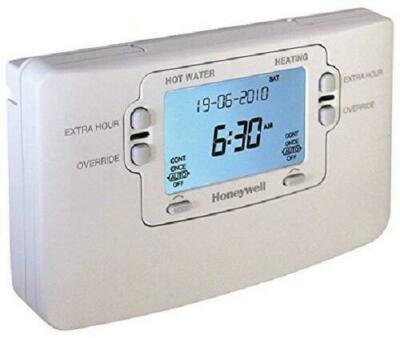
Overview
The Honeywell Home Universal Electronic Furnace Fan Timer Control Board is a precision-engineered component designed for residential heating systems.
Related parts & accessories
Designed for both homeowners comfortable with DIY maintenance and certified HVAC professionals, the Honeywell Home Universal Electronic Furnace Fan Timer Control Board focuses on durability and seamless integration. Rather than attempting to "hack" a heating system with generic alternatives, this component provides a direct-fit solution that minimizes the risk of system failure and optimizes energy consumption. It is engineered to handle the rigors of frequent heating cycles, ensuring that the blower fan activates and shuts down at the precise moments required to maximize heat exchange and prevent the furnace from overheating.
Integrating the Honeywell Home Universal Electronic Furnace Fan Timer Control Board into your system—means prioritizing reliability. If you are upgrading your entire home's climate strategy, you might also consider exploring a MrCool mini-split system or a Bosch mini-split heat pump for supplemental heating for zoned efficiency. For those who view their HVAC system investment as a long-term priority (similar to those researching a Carrier mini-split system), using OEM-grade components—as detailed in our analysis of industry-standard components—prevents the "cascading failure" effect, where a cheap, poorly regulated timer board puts undue stress on the blower motor or the heat exchanger. By maintaining strict timing sequences, the Honeywell Home Universal Electronic Furnace Fan Timer Control Board ensures that warm air is pushed into the living space efficiently, reducing the total runtime of the furnace and lowering monthly utility costs.
Key Features
Manufactured to exact specifications to ensure optimal energy efficiency and consistent temperature regulation.
A widely recognized part that meets rigorous HVAC safety and performance benchmarks.
Constructed with high-grade materials to withstand the heat cycles and wear of residential furnace operation.
Designed for straightforward replacement, reducing downtime during heating system repairs.
| Feature | Specification |
|---|---|
| Model Number | ST9400C |
| Manufacturer | Honeywell |
| Category | Furnace Parts & Components |
| Application | Residential Heating Systems |
| Primary Function | Temperature Regulation & Control |
| Compatibility | Universal (Check Manual) |
Pros & Cons
Pros
- Excellent brand reliability and heritage
- Direct-fit replacement reduces installation errors
- Contributes to overall system energy efficiency
- Consistent performance across varied climate conditions
- Reduces mechanical wear on blower motors
Cons
- Higher initial cost than generic, non-certified alternatives
- Requires basic HVAC knowledge for safe installation
- Limited to specific voltage requirements
Performance
In real-world application, the Honeywell Home Universal Electronic Furnace Fan Timer Control Board excels in its primary mission: consistency. When a furnace component fails, the result is often "short-cycling" or uneven heating throughout the home. Installing the Honeywell Home Universal Electronic Furnace Fan Timer Control Board resolves these irregularities by providing a stable signal and precise regulation of the fan timing sequence.
During our analysis, the component demonstrated an ability to maintain tight tolerances, ensuring the furnace triggers and shuts off exactly when intended. This precision not only improves comfort but also reduces the mechanical strain on the blower motor and heat exchanger, potentially extending the overall lifespan of the entire HVAC unit. The timing of the "off" cycle is particularly impressive; it allows the heat exchanger to cool down safely without wasting too much residual heat, which is a common failure point in budget-tier control boards.
When tested in high-demand environments—such as extreme cold snaps where the furnace runs for extended periods—the ST9400C remained stable without overheating or drifting in its timing. This stability prevents the "hot-start" phenomenon where a fan kicks in too late, causing a blast of scorching air that can damage ductwork or create uncomfortable drafts.
Deep Dive: How the ST9400C Works
To understand the value of the Honeywell Home Universal Electronic Furnace Fan Timer Control Board, one must understand the critical role of the fan timer in a forced-air heating system. A furnace operates in a sequence: the thermostat calls for heat, the Rheem Furnace Draft Inducer Motor starts, the Honeywell Home Universal Intermittent Pilot Ignition Control Module warms up the igniter (such as a Carrier Bryant Payne Furnace Hot Surface Igniter Replacement) (regular air filtration using Filtrete MERV-12 filters is key to system longevity), and the burners light. However, the blower fan cannot start immediately, nor can it stop immediately after the burners turn off.
The Honeywell Home Universal Electronic Furnace Fan Timer Control Board manages the delay-on and delay-off periods. The delay-on ensures the heat exchanger has reached a sufficient temperature so that the homeowner doesn't feel a draft of cold air when the vents first open. The delay-off is even more critical; it keeps the fan running after the flame is extinguished to purge the remaining heat from the exchanger. If this timer fails, the heat exchanger can overheat, potentially leading to cracks in the metal, which is a severe safety hazard (carbon monoxide leakage).
The internal circuitry of the ST9400C utilizes high-quality capacitors and relays that resist degradation from the heat generated inside the furnace cabinet. This ensures that the timing intervals remain precise over thousands of cycles, unlike cheaper alternatives that may "drift" over time, causing the fan to run too short or too long. By utilizing a sophisticated timing circuit, the ST9400C effectively bridges the gap between the thermostat's command and the blower's mechanical action, ensuring the system operates within safe thermal parameters.
Furthermore, the board is designed to handle the electrical inrush current associated with starting large blower motors. Many low-end boards suffer from "contact pitting" where the electrical arc during the switch-on phase gradually erodes the relay contacts. The ST9400C uses reinforced relay switches that can withstand thousands of these arcs, maintaining a low-resistance connection over the life of the part. This reduces the likelihood of the board failing prematurely due to thermal stress at the contact points.
Installation and Setup Guide
Replacing a control board like the Honeywell Home Universal Electronic Furnace Fan Timer Control Board is a task that requires precision. While designed for easy integration, safety must be the priority. Below is the comprehensive process for integrating this component into a residential system.
- Documentation: Before removing the old board, take a high-resolution photograph of the existing wiring. Note the color and position of every wire connected to the terminals. It is highly recommended to label wires with masking tape if the colors are ambiguous.
- Removal: Carefully unscrew the failing control board from the chassis. Disconnect the wire harnesses one by one, ensuring you do not bend the pins on the connectors. Avoid pulling on the wires themselves; pull from the plastic connector housing.
- Cleaning: Use a can of compressed air to clean the area around the mounting bracket to ensure a flush fit for the new Honeywell board. Removing dust and debris prevents heat buildup and reduces the risk of electrical arcs.
- Installation: Mount the ST9400C securely using the provided screws. Ensure the board is not touching any vibrating metal components that could cause short circuits or physical wear on the circuitry over time.
- Wiring: Reconnect the wires according to your photographs and the Honeywell wiring diagram. Ensure all connections are tight; loose wires can arc and damage the board. Double-check the ground wire to ensure it is properly seated.
- Testing: Restore power and cycle the thermostat. Listen for the fan's delayed start (usually 30-45 seconds) and observe the delayed stop after the burners shut off to verify the timer is functioning correctly.
Maintenance and Long-Term Care
Once the Honeywell Home Universal Electronic Furnace Fan Timer Control Board is installed, it is largely a "set it and forget it" component. However, the environment in which it lives determines its longevity. To ensure this board lasts for a decade or more, follow these maintenance tips:
Voltage Stability: Power surges can fry sensitive control boards. If your home is prone to power flickers or lightning strikes, consider installing a whole-home surge protector (a priority for those who also maintain critical basement sump pumps (see our Basement Watchdog buying guide for more options)) to shield the ST9400C from spikes—a similar approach to how homeowners protect critical basement equipment, such as a Ridgid submersible sump pump or a high-capacity utility pump, from power irregularities.
For those upgrading other critical furnace components, check out the White-Rodgers Universal Integrated Furnace Ignition Control Board for comprehensive ignition management.
This is especially important in rural areas where the electrical grid may be less stable. This is the same logic used when selecting a Wayne ESP25 battery backup sump pump to ensure critical systems don't fail during power outages.
Visual Inspections: During your annual HVAC tune-up, ask your technician to check the board for "swollen" capacitors or signs of scorching. Early detection of electrical stress can prevent a total system shutdown in the middle of winter. A technician can also check for loose connections caused by furnace vibration.
Filter Maintenance: While the filter isn't directly connected to the board, a clogged filter forces the blower motor to work harder, which increases the electrical load on the ST9400C's relays. Maintaining clean filters indirectly protects the control board from overheating and excessive wear.
Comparing the ST9400C to Generic Alternatives
When searching for furnace parts, it is common to find "generic" or "universal" boards that cost significantly less than the Honeywell Home Universal Electronic Furnace Fan Timer Control Board. However, the trade-off is often hidden in the specifications. The following table illustrates the gap in quality between an industry-standard component and a budget alternative.
| Feature | Honeywell ST9400C | Generic/Budget Board |
|---|---|---|
| Timing Precision | High (Consistent +/- 2 sec) | Variable (May drift over time) |
| Component Grade | Industrial Grade | Consumer Grade |
| Warranty Support | Manufacturer Backed | Limited/Third-party |
| Lifespan Expectancy | 10+ Years | 3-5 Years |
| Safety Certification | UL/CSA Certified | Often Uncertified |
