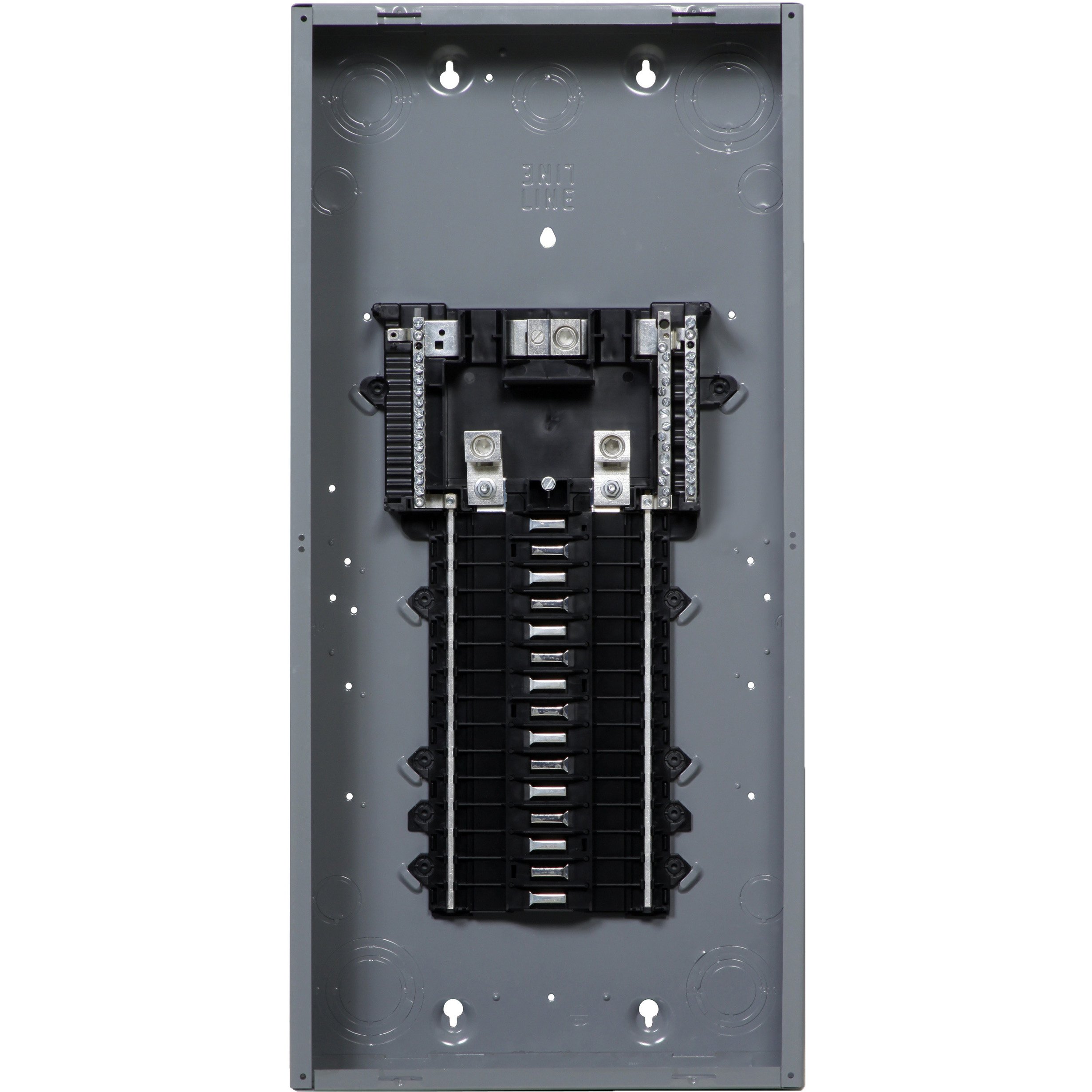
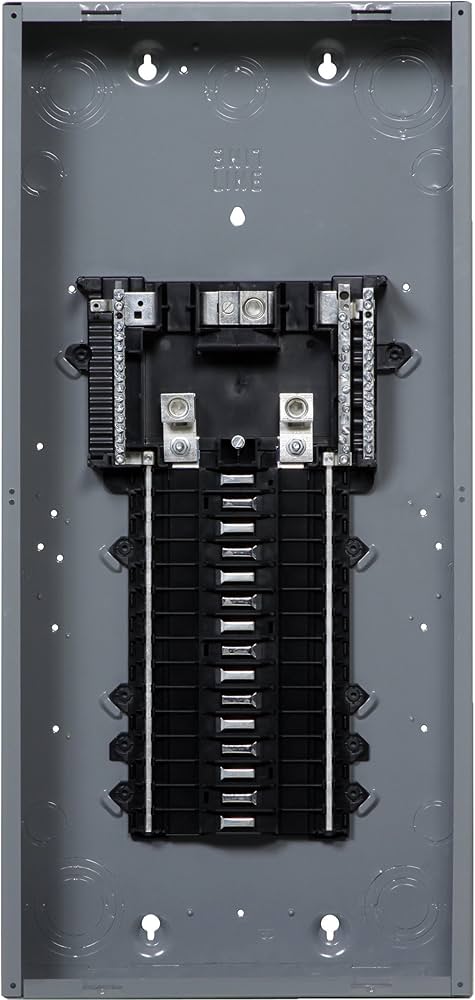
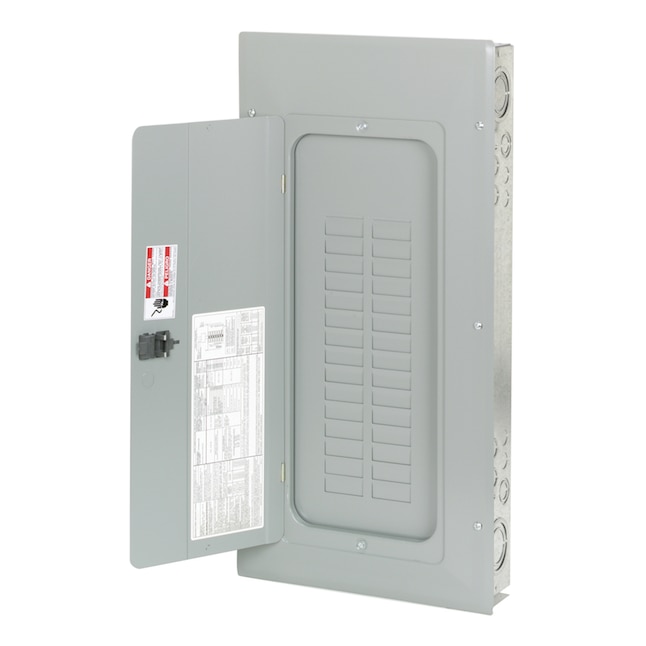
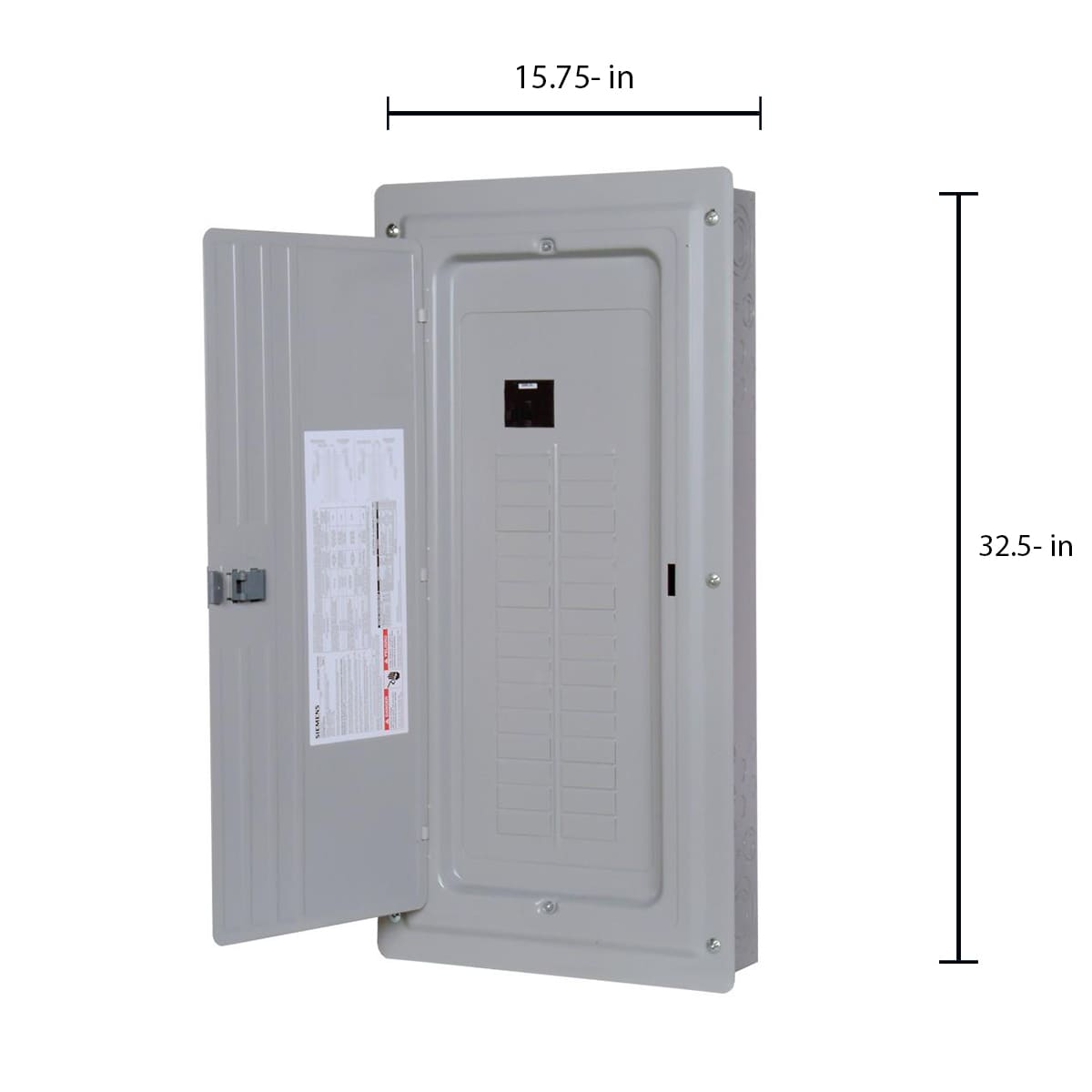
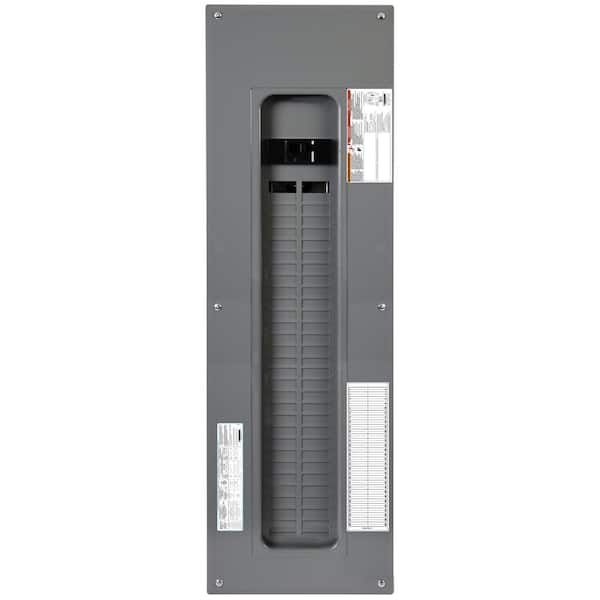
Upgrading your home's electrical panel is one of the most impactful investments you can make for safety, capacity, and long-term reliability. The Square D 200-Amp 30-Space Indoor Main Lug Load Center with Plug-On Neutral stands out as a benchmark product in residential electrical distribution — trusted by electricians and homeowners alike for its robust construction and industry-leading circuit breaker compatibility.
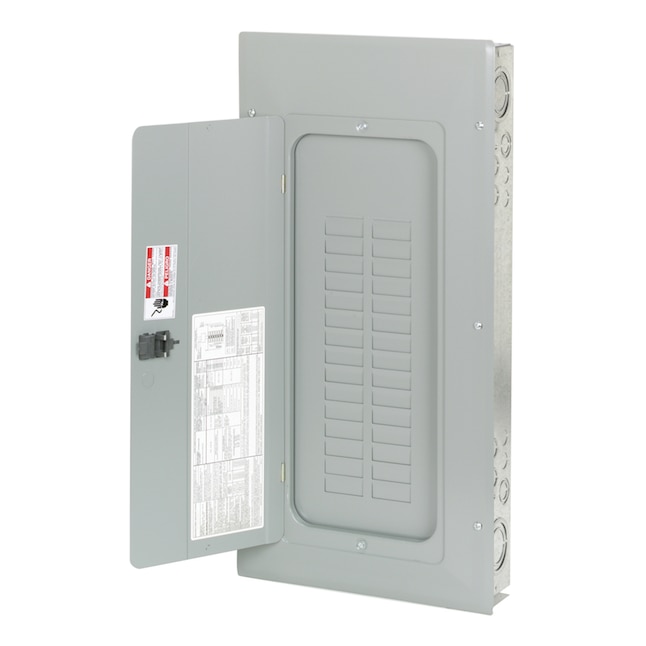
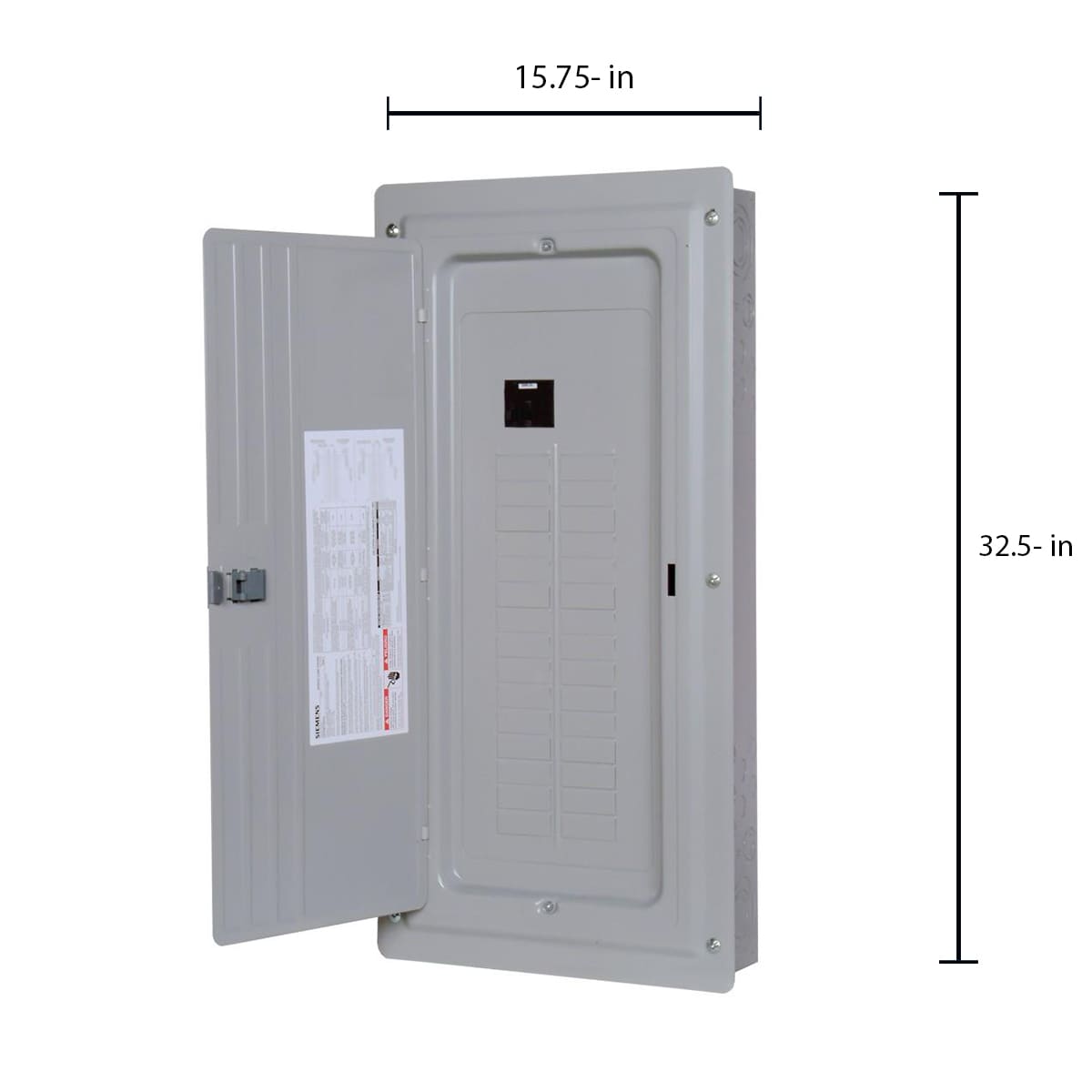
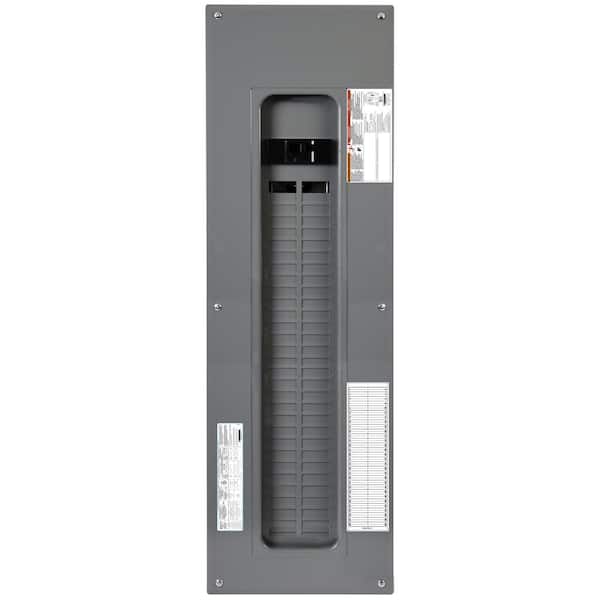
Related parts & accessories
Our Top Pick: Square D QO130L200PG
A best-in-class 200-amp indoor load center with generous circuit capacity, copper bus bars, and full QO breaker ecosystem compatibility — delivering professional-grade reliability for residential installations. Score: 9.2/10
TL;DR — Quick Summary
The Square D QO130L200PG is a 200-amp, 30-space indoor main load center designed for residential use. It features a convertible main breaker lug configuration, Plug-on Neutral (PON) compatibility, copper bus bars, and UL listing. It's an excellent choice for new construction and panel replacements where capacity and expandability matter. Best purchased with professional installation.
Square D QO130L200PG: Full Review & Analysis
The Square D QO130L200PG is part of Schneider Electric's legendary QO (Qwik-Open) line — a series that has been setting the standard in residential circuit breaker panels for decades. The "200PG" designation tells you the essentials at a glance: 200-amp main rating, designed for indoor use, with a plug-on ground bus already integrated. This isn't just a box to hold breakers; it's an engineered system built around compatibility, longevity, and safety.
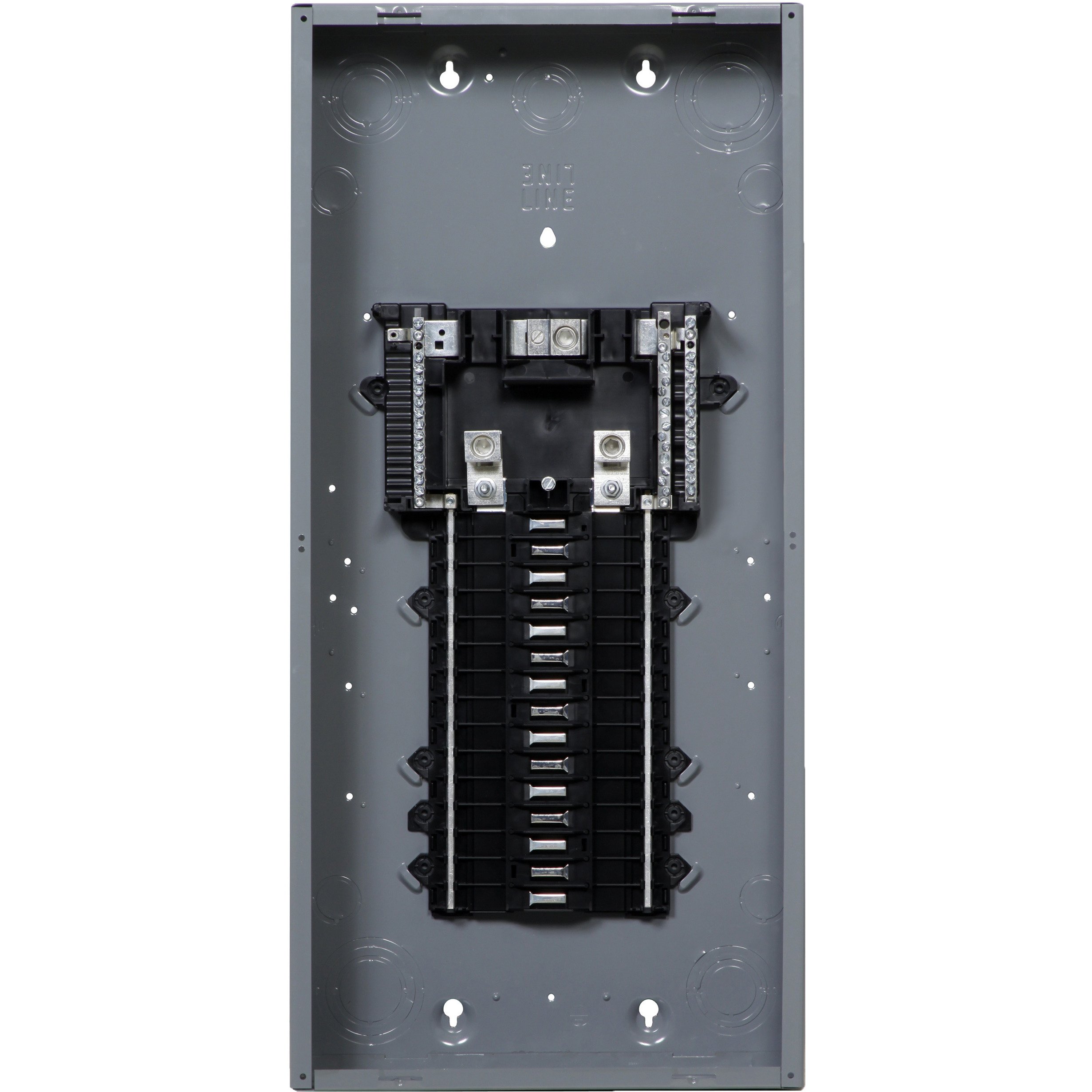
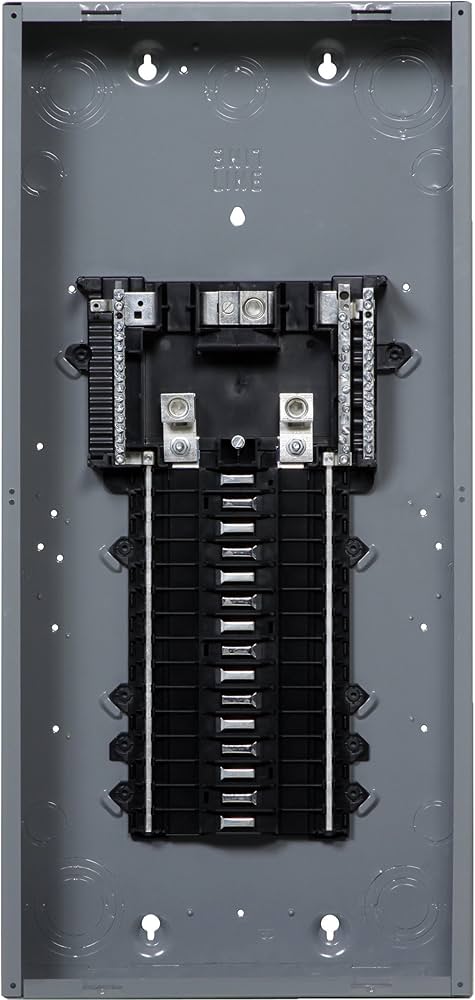
At its core, this panel features a 200-amp main lugs configuration — meaning it does not ship with a main breaker installed. This is intentional and beneficial for many installation scenarios. In a main-breaker-to-subpanel setup, the upstream breaker in your meter-main or primary panel acts as the disconnect. However, Square D designed the QO130L200PG with a convertible interior, allowing a licensed electrician to install a QOM2200VH 200-amp main breaker if a local disconnect is required by code. This flexibility alone sets it apart from fixed-configuration competitors.
The 30-space, 30-circuit configuration gives you ample room for a fully loaded modern home. Between dedicated circuits for kitchen appliances, HVAC equipment, high-demand devices like a battery backup sump pump (see our Wayne ESP25 battery backup sump pump buying guide for sizing), EV chargers, hot tubs, workshop tools, and general living areas, 30 spaces fill up faster than most homeowners expect. The "30/30" layout means every space accommodates a full-size single-pole breaker — no tandem breakers are required to reach maximum circuit count, though QO breakers support tandem configurations for even greater density when needed.
Build quality is immediately apparent. The enclosure is constructed from galvanized steel with a factory-applied coating that resists corrosion over decades of service. The copper bus bars — a significant detail — offer superior conductivity and corrosion resistance compared to aluminum alternatives commonly found in budget panels. QO breakers (such as the Square D Single-Pole Plug-On Circuit Breaker 20-Amp) click into place with the satisfying snap that gives the product line its name, ensuring solid, vibration-resistant connections throughout the life of the panel.
| Specification | Value |
|---|---|
| Amperage Rating | 200 Amps |
| Spaces / Circuits | 30 Spaces / 30 Circuits |
| Voltage | 120/240V AC |
| Phase | 1-Phase, 3-Wire |
| Bus Bar Material | Copper |
| Interrupting Capacity | 22,000 AIC |
| Main Configuration | Main Lugs (convertible to main breaker) |
| Location Rating | Indoor |
| NEMA Type | 1 |
| Plug-on Neutral | Yes (PON Compatible) |
| Certification | UL Listed |
| Enclosure Material | Galvanized Steel |
Plug-on Neutral: A Meaningful Upgrade
One of the standout features of the QO130L200PG is its full Plug-on Neutral (PON) compatibility. Modern electrical codes — particularly the 2020 NEC — mandate AFCI and GFCI protection on an expanding list of circuits. Traditionally, combination AFCI/GFCI breakers required a separate pigtail wire connection to the neutral bus, making installation more cumbersome and introducing an additional potential failure point. PON breakers eliminate this by snapping directly onto the neutral bus bar, creating a cleaner, faster, and more reliable installation.
If you're building new or doing a full panel replacement, the PON system is a future-proofing feature you'll genuinely appreciate — especially as more of your home's circuits may require AFCI/GFCI protection under current and forthcoming code cycles. Square D's official surge protection devices (SPDs) are the recommended choice for these panels to ensure seamless integration and full warranty coverage. QO PON breaker lineup is comprehensive, covering standard single-pole, double-pole, AFCI, GFCI, and dual-function (AFCI+GFCI) configurations. For those comparing brands, see our Eaton BRCAF115 review or look at an Eaton Single-Pole 30 Amp breaker for comparison or check out the Square D Homeline Single-Pole Plug-On Neutral AFCI Circuit Breaker 15-Amp to understand the performance of alternative AFCI setups.
Who Is This Panel For?
This load center is engineered for a specific set of use cases. It's ideal for whole-home panel replacements in medium to large residences, new construction projects where 200-amp service is being installed, and scenarios where the panel will serve as a main distribution point fed from a meter-main combo or utility-installed meter socket. It's also popular for detached garage conversions and large workshop buildings—especially those incorporating high-draw utilities like industrial-grade sump pumps—where a subpanel fed from an existing 200-amp main is impractical and a dedicated service is preferable.
It is not the right product for small subpanel applications, outdoor installations (you'd need a NEMA 3R or NEMA 4 rated enclosure), or scenarios requiring fewer than 20 circuits where a smaller, less expensive panel would suffice. Always consult with a licensed electrician to confirm the right configuration for your specific installation requirements and local code jurisdiction.
Pros
- Industry-leading QO breaker ecosystem with wide availability
- Copper bus bars for superior conductivity and longevity
- Plug-on Neutral compatibility future-proofs for NEC requirements
- Convertible main lug to main breaker configuration
- 30 full-size spaces — no forced tandem breakers to hit capacity
- UL Listed with 22,000 AIC interrupting rating
- Strong brand support, widespread electrician familiarity
- Clean interior layout simplifies wiring during installation
- Excellent long-term parts availability
- Backed by Schneider Electric's warranty and support network
Cons
- Main lugs only — main breaker sold separately if required
- Indoor-only rating limits installation locations
- 30 spaces may fall short for very large or highly automated homes
- QO breakers cost more than some competitor brands
- Professional installation required — adds to total project cost
- No surge protection device (SPD) included; must be added separately
How It Works: Load Center Fundamentals
Understanding how a load center functions helps you appreciate why the QO130L200PG's design choices matter. At its simplest, a load center (often called a breaker panel or distribution board) is the central hub that takes incoming utility power and divides it into individual branch circuits that feed lights, outlets, appliances, and equipment throughout your home.
The Power Path
Utility power enters your home through the service drop or lateral, passes through the meter, and arrives at the main service disconnect. In a main-lug panel like the QO130L200PG, that disconnect is located upstream — typically in a meter-main combination or a separate main breaker enclosure. The feeder conductors (usually 4/0 aluminum or 2/0 copper for 200-amp service) land on the main lugs at the top of the panel interior.
From the main lugs, power flows onto the bus bars — two vertical copper plates running the length of the panel interior. Each bus bar represents one "leg" of the 120/240V split-phase service (Leg A and Leg B). Circuit breakers clip onto these bus bars, making contact with one leg (single-pole, 120V circuits) or both legs (double-pole, 240V circuits). The breaker's job is to limit current on its circuit to a safe level, tripping open if that limit is exceeded. (For low-voltage DC applications, see our Blue Sea Systems 5193 review: Marine DC Breaker Guide).
Neutral and Ground Systems
The neutral bus bar runs alongside the phase bus bars. In a main service panel, the neutral bus is bonded to the enclosure and the grounding electrode system (ground rods, water pipe bond, etc.). All branch circuit neutral wires (white) terminate on the neutral bus. The QO130L200PG's Plug-on Neutral design integrates the neutral connection directly into the breaker mounting rail for PON breakers, eliminating pigtail wires.
A separate ground bus bar (or the neutral bar in a main panel) receives equipment grounding conductors (bare or green) from each branch circuit. The QO130L200PG includes a factory-installed ground bar, a detail that saves installation time and ensures code-compliant grounding.
Main Lug vs. Main Breaker Configuration
The QO130L200PG ships as a main lug panel. This means the incoming feeder cables terminate directly on lugs that are always energized when the upstream disconnect is closed. There is no main breaker inside this panel to shut off all power at once — you must go to the upstream disconnect. This is perfectly legal and common when the panel is within sight of (or in the same enclosure as) the service disconnect, or when local code allows it.
The "convertible" aspect is crucial: the interior includes provisions to field-install a QOM2200VH 200-amp main breaker kit. This transforms the panel into a main-breaker configuration, providing a local disconnecting means. This flexibility means one SKU serves both applications, reducing inventory complexity for suppliers and giving electricians on-site adaptability.
Interrupting Capacity (AIC) Explained
The 22,000 AIC rating means the bus bars and breaker connections are tested to withstand and safely interrupt up to 22,000 amps of fault current without catastrophic failure. This is a standard residential rating. The actual interrupting capacity of the system is determined by the lowest-rated component in the fault path — typically the branch circuit breakers (QO standard breakers are 10kAIC, QO-VH are 22kAIC). For most residential services, 10kAIC breakers are sufficient, but some jurisdictions or utility requirements may demand 22kAIC. The panel's 22kAIC rating ensures the enclosure and bus won't be the weak link.
Buying Guide: Choosing the Right Load Center
Selecting a load center isn't just about picking a brand — it's about matching the panel to your home's present and future electrical needs, your local code environment, and your budget. Here's a detailed breakdown of the factors that should drive your decision.
Amperage Rating: 100A, 150A, 200A, or 225A?
The amperage rating is the maximum current the panel can safely distribute. Modern homes with electric heating, EV charging, heat pumps, and large kitchens almost universally require 200-amp service. A 100-amp panel is only viable for very small homes with gas appliances and no EV plans. 150A is a middle ground that's increasingly rare in new construction. 225A panels exist but require 300A class service entrance equipment and are overkill for most residences. The QO130L200PG's 200A rating hits the sweet spot for the vast majority of single-family homes.
Circuit Spaces: Plan for Expansion
Code requires a minimum number of circuits based on square footage and appliance loads, but real-world needs almost always exceed minimums. Each 240V appliance (range, dryer, water heater, HVAC, EV charger) consumes two spaces. A modern kitchen alone can use 6-8 circuits (refrigerator, dishwasher, disposal, microwave, countertop GFCIs, lighting). Add dedicated circuits for laundry, bathroom GFCIs, garage, outdoor, and you're at 20+ before general lighting and receptacles. The 30-space QO130L200PG provides comfortable headroom. If you're building a large home (>3,500 sq ft) or planning extensive automation/EV infrastructure, consider a 40- or 42-space panel instead.
Indoor vs. Outdoor Rating
NEMA 1 (indoor) panels like the QO130L200PG are designed for dry, protected locations — basements, garages (if interior), utility rooms, and mechanical closets—often where you'll find a GE GXWH40L Whole House Water Filter system or high-efficiency MERV-12 air filtration units or other whole-house filtration systems—which often require a proper ventilation system). They cannot be installed outdoors or in damp locations. NEMA 3R enclosures are rainproof and used for outdoor surface mounting. NEMA 4/4X are watertight/dusttight for harsh environments. If your panel location is exposed to weather, you must choose a NEMA 3R-rated load center — the QO130L200PG is not suitable.
Bus Bar Material: Copper vs. Aluminum
Copper bus bars (standard on QO panels) offer lower resistance, better thermal performance, and superior corrosion resistance compared to aluminum. Aluminum bus bars are common on budget panels (like the Square D Homeline 200-Amp 60-Space 60-Circuit Indoor Main Load Center (which is a great option for higher capacity needs)) and are UL-listed and code-compliant, but they require antioxidant paste on connections and can be more sensitive to installation torque. For a panel expected to last 40-50 years, copper is a worthwhile upgrade.
Breaker Ecosystem: Compatibility and Cost
The breaker ecosystem determines long-term cost and availability. Square D QO breakers are premium-priced but universally available at any electrical supply house, home center, or online retailer. They're also compatible with the widest range of specialty breakers (AFCI, GFCI, dual-function, HID, SWD, high-magnetic for motor loads). Competing ecosystems (Eaton 200-Amp 30-Space 40-Circuit Indoor Main Breaker Load Center, Siemens 200-Amp 30-Space 40-Circuit Indoor Main Breaker Load Center, GE) have their own strengths but may have gaps in specialty breaker availability. Stick with the ecosystem your electrician prefers — their familiarity reduces installation errors.
Plug-on Neutral: Worth It?
If your jurisdiction has adopted the 2020 or 2023 NEC, AFCI/GFCI