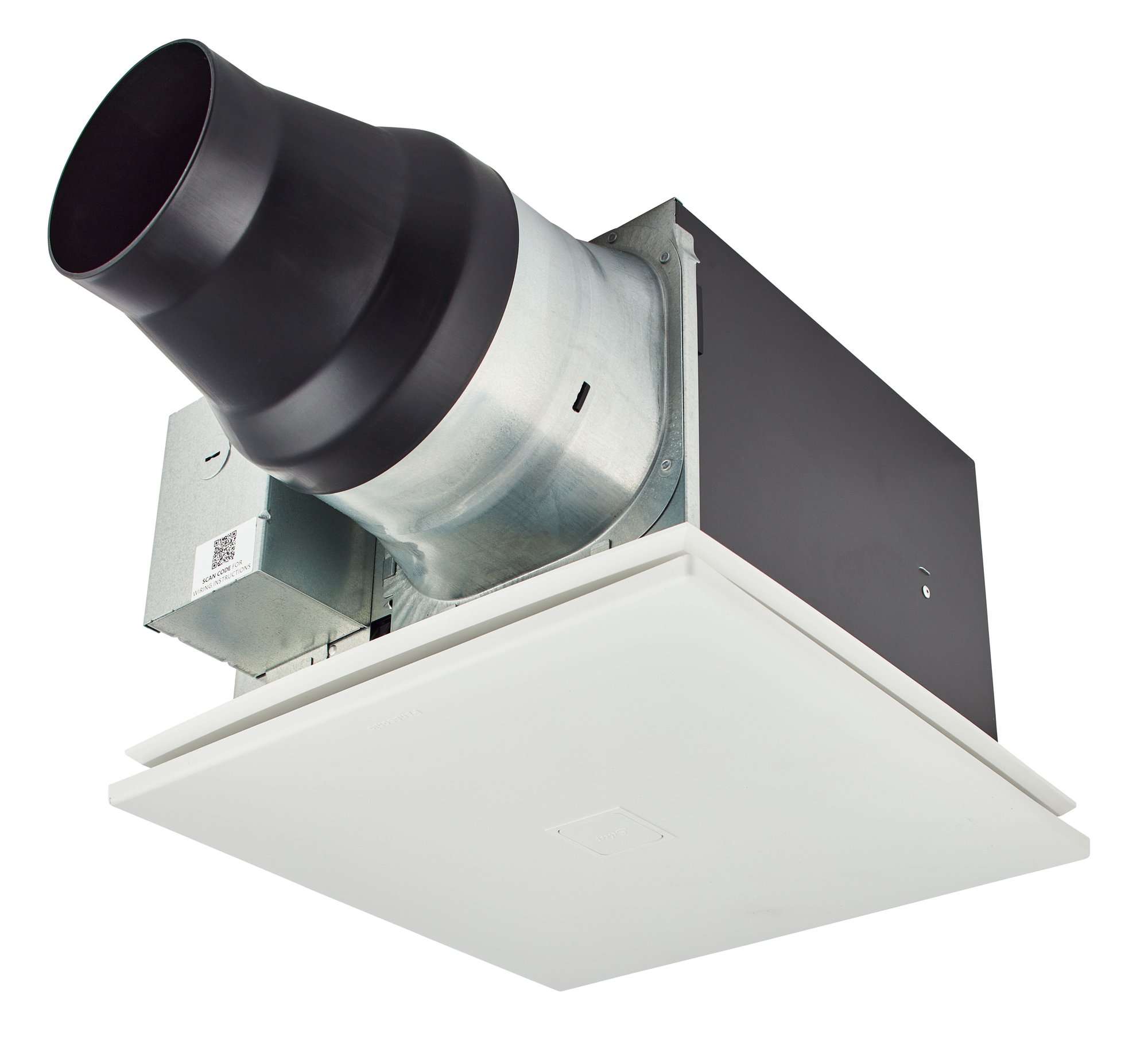
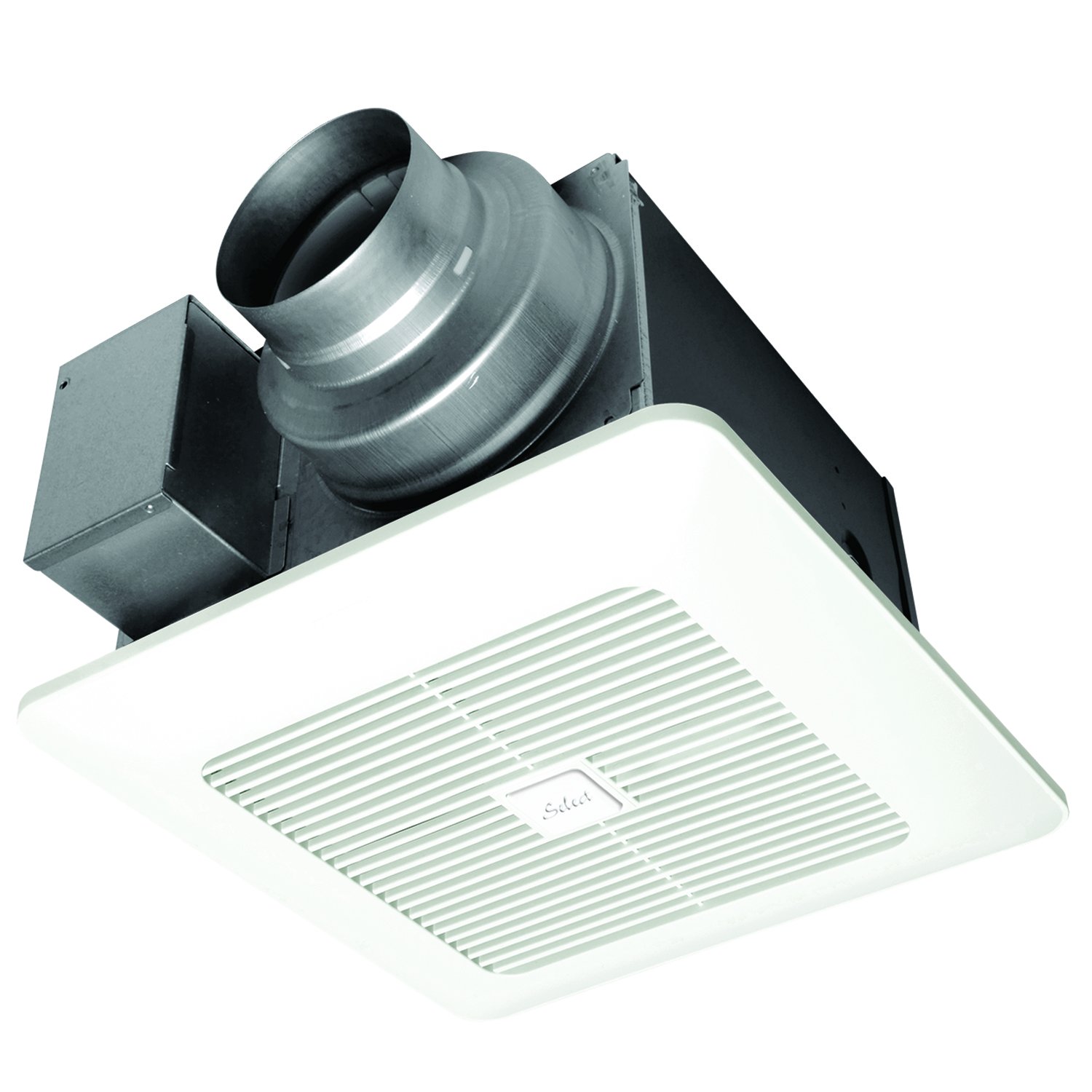
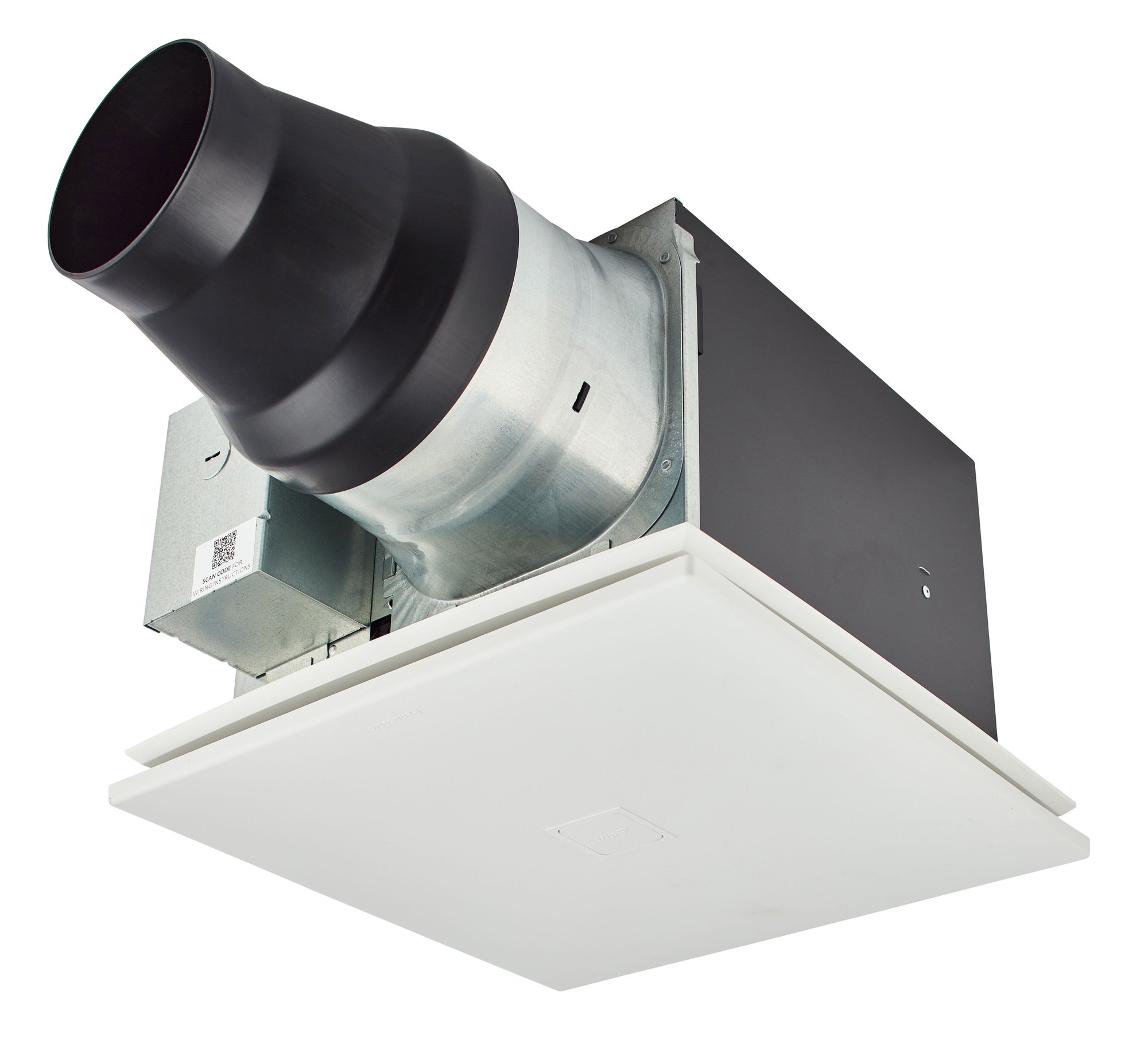
Learning how to choose the right furnace draft inducer motor is a critical safety decision for any homeowner or technician. To restore heating efficiency and ensure your home remains safe from combustion gases, your replacement part must match the furnace's exact pressure, voltage, and CFM requirements. This comprehensive buying guide explores the essential mechanical specifications and compatibility markers needed to ensure your heating system vents combustion gases safely and efficiently while remaining compliant with OEM standards. For those looking at holistic home climate control, combining a reliable furnace with high-quality ventilation—such as the Panasonic WhisperGreen Select FV-08VKS3 ventilation guide (see our detailed WhisperGreen Select review—is key to maintaining indoor air quality and preventing dangerous carbon monoxide buildup.
The draft inducer motor is the safety heartbeat of your furnace, responsible for clearing exhaust and triggering the pressure switch to allow ignition. When replacing one, you must match the voltage (typically 115V), CFM airflow, and mounting frame exactly to your OEM specifications. Prioritize OEM replacements over universal motors to ensure the pressure curves align with your furnace's safety sensors.
Understanding the Draft Inducer Motor: The Lungs of Your Furnace
At its core, the draft inducer motor is a centrifugal blower designed to create a pressure differential within the combustion chamber. In a modern forced-air furnace, the natural buoyancy of hot air isn't always enough to push exhaust gases up the flue, especially in high-efficiency condensing furnaces. The inducer motor solves this by forcibly pulling air across the burners and pushing the resulting exhaust out of the vent pipe.
If this motor fails, the entire heating sequence halts. Most furnaces utilize a "pressure switch" linked to the inducer. Until the motor reaches a specific RPM and creates enough vacuum pressure to trip this switch, the furnace's control board will not allow the gas valve to open or the igniter to spark. This fail-safe prevents carbon monoxide (CO) from leaking into the living space. For other home security and safety monitoring, you might consider an Ring Alarm Pro security system to monitor your environment. For a deeper dive into integrated home safety, see our ADT Self Setup security guide. This is why a "lazy" motor—one that spins but doesn't reach full speed—is almost as dangerous as a dead one.
When shopping for a replacement, you aren't just looking for a "motor," but a matched assembly. The housing, the impeller (the wheel that moves the air), and the electrical windings must all align with your furnace's specific BTU output and venting geometry. A mismatch in airflow can lead to incomplete combustion, which is a direct safety hazard. Even a slight variation in the impeller's pitch can change the static pressure enough to prevent the furnace from ever leaving the "pre-purge" stage.
The Anatomy of a Draft Inducer
To choose the right replacement, you must understand the components that make up the assembly. A standard inducer consists of several key parts that can fail independently or as a unit, although in most modern residential systems, the entire assembly is replaced for reliability.
The Stator and Rotor
The electrical heart of the motor. Most residential units are PSC (Permanent Split Capacitor) motors, though newer high-efficiency models use ECM (Electronically Commutated Motors) for variable speed control. The rotor is the spinning part, while the stator remains stationary, creating the magnetic field.
The Centrifugal Impeller
A curved blade system that accelerates air. This part is prone to corrosion from condensing moisture and debris buildup, which can unbalance the motor. An unbalanced impeller causes "shaking" or vibration that eventually destroys the bearings.
The Housing (Volute)
The metal shell that directs air toward the vent. Rust or cracks in the housing can lead to pressure leaks, causing the furnace to enter a lockout state. Because it handles hot, acidic condensate, the housing is often coated in specialized epoxy.
The Capacitor
For those managing complex furnace timing, a Honeywell Home ST9400C universal furnace fan timer can be a useful diagnostic and control tool for managing the post-purge cycle.
Often tucked into a clip on the motor or the control board, this provides the necessary electrical "push" to start the motor. A humming motor that won't spin often has a failed capacitor, not a burnt motor.
Critical Buying Criteria: What to Check Before Purchasing
Replacing a draft inducer is not a "one size fits all" process. Using an incorrect motor can lead to inefficient combustion, excessive noise, or—worst case—a dangerous ventilation failure. You must treat this as a precision component replacement.
1. Voltage and Amperage
Verify whether your system runs on 115V or 230V. While most residential furnaces in North America use 115V, some industrial or legacy systems vary. Additionally, check the Amp draw. Installing a motor with a significantly lower amp rating than the original may lead to overheating and premature failure under heavy load. Always refer to the motor nameplate for the exact FLA (Full Load Amps) rating. If you see a "Service Factor" (SF) rating, ensure the new motor meets or exceeds the original, as this indicates how much overload the motor can handle without overheating.
2. RPM and Airflow Capacity (CFM)
The Cubic Feet per Minute (CFM) rating determines how much air the motor can move. If the CFM is too low, the pressure switch may never engage, and your furnace won't start. If it is too high, you may experience "short cycling" or excessive noise, and you may actually pull too much air through the burners, cooling the flame and reducing efficiency. This "over-drafting" can lead to higher gas bills because the furnace is literally blowing heat out the vent before it can reach your vents.
3. Frame Size and Mounting Points
Even if the electrical specs match, the physical dimensions must be exact. Check the diameter of the motor shaft and the spacing of the mounting bolts. If the motor doesn't sit flush against the housing, air will leak internally, preventing the vacuum from reaching the pressure switch. Check if your model requires a specific gasket or O-ring for a vacuum-tight seal. Using a generic gasket or a bead of silicone in a high-heat area can lead to premature seal failure.
4. OEM vs. Aftermarket/Universal
Original Equipment Manufacturer (OEM) parts are guaranteed to match the pressure curves of your specific furnace model. Universal motors can be cheaper and sometimes more powerful, but they often require modification to the mounting bracket or the addition of a different capacitor. For safety-critical components like the inducer, OEM is almost always the preferred choice. A universal motor may spin at the right RPM, but if the impeller design differs, the static pressure might be insufficient to trigger the safety switch.
Deep Dive: How Draft Inducers Work in Different Furnace Types
To truly understand which motor you need, you must understand the type of furnace you own. The draft inducer's role changes significantly between "mid-efficiency" and "high-efficiency" units.
Atmospheric vs. Forced Draft
Old-style furnaces relied on "atmospheric drafting," where the heat of the fire naturally rose up a chimney. These had no inducer motor. Modern units use forced draft systems. In a non-condensing (mid-efficiency) furnace, the inducer simply pushes air out. However, in a condensing (high-efficiency) furnace, the inducer must handle "acidic" condensate—water mixed with combustion byproducts. This means the motor and housing must be built from corrosion-resistant materials. If you are tired of dealing with condensate corrosion, you might explore modern heat pump alternatives that eliminate the need for combustion venting.
The Role of the Pressure Switch
The relationship between the motor and the pressure switch is the most important safety loop in your home. The switch is a diaphragm that moves when a specific vacuum is reached. If you install a motor that is too weak, the diaphragm won't move, and the furnace will "lock out." If you install one that is too powerful, it can cause "fluttering" in the switch, leading to erratic furnace behavior and premature switch failure. When choosing a motor, ensure it is rated specifically for the pressure switch used in your furnace model.
Pro Tip: Check your vent pipe for obstructions first. A bird's nest, ice buildup, or a clogged PVC vent can mimic a failed inducer motor by preventing the pressure switch from closing. Always verify the external vent is clear before dismantling the motor.
Furnace Inducer Troubleshooting: Does the Motor Actually Need Replacing?
Before spending several hundred dollars on a new inducer assembly, perform these diagnostic checks to avoid unnecessary spending:
- The "Hum" Test: If you hear a loud humming sound but the impeller isn't spinning, the motor is receiving power but cannot start. This is almost always a failed start capacitor. Replacing a $20 capacitor is significantly cheaper than replacing a $300 motor.
- The Bearing Squeal: High-pitched screeching or grinding noises usually indicate that the bearings have dried out or worn down. While some technicians attempt to lubricate these, most modern inducer motors have sealed bearings; once they scream, the motor is nearing the end of its life.
- The Visual Inspection: Look for "burnt" smells or blackened copper windings inside the motor housing. This indicates an electrical short or that the motor has overheated due to a restriction in the airflow.
- The Manual Spin: With the power OFF, try to spin the impeller by hand. If it feels stiff or "crunchy," the bearings are shot. If it spins freely but doesn't start electrically, the issue is likely the capacitor or the windings.
Step-by-Step Installation Overview
While we recommend a licensed HVAC technician for gas-fired appliances, understanding the replacement process helps you verify that the work is being done correctly and ensures you have all the parts ready before starting.
Phase 1: Power and Gas Safety
Disconnect the furnace from the primary electrical breaker (ensure you are using a correctly rated Eaton 15-Amp AFCI breaker (refer to our guide on replacing circuit breakers safely). Never work on a live inducer motor. As a safety precaution, shut off the gas supply to the unit to prevent any accidental leaks during the process. Use a voltmeter to confirm that no residual power is present at the motor terminals.
Phase 2: Documentation and Disconnection
Carefully label the wires connecting the motor to the control board and the pressure switch. Take a photograph of the wiring configuration. Many motors have similar-looking wires (e.g., black, white, brown), but swapping them can damage the control board or result in the motor spinning in reverse.
Phase 3: Removal and Cleaning
Unscrew the mounting bolts and carefully lift the inducer out, ensuring no debris falls into the heat exchanger. Vacuum the area where the motor sits. Any dust, rust, or old gasket material left behind can prevent a tight seal, leading to pressure leaks that will prevent the furnace from starting.
Phase 4: Installing the New Assembly
Seat the new assembly and tighten the bolts to specification. Avoid over-tightening, which can warp the housing or crack the cast aluminum. Reconnect the wiring according to your labels or photos. Ensure that the pressure switch tubing is securely seated and not kinked.
Phase 5: Verification and Testing
Power on the unit and listen for a smooth, consistent drone. Verify that the furnace proceeds to the ignition phase. If the furnace fails to ignite, double-check the pressure switch tubing for leaks. Small pinholes in the rubber hose can prevent the motor from "proving" the vacuum to the control board.
Comparing Motor Technologies: PSC vs. ECM
Depending on the age of your furnace, you will encounter two primary motor technologies. Choosing between them usually depends on what the furnace control board is designed to handle; you cannot simply swap one for the other without updating the control electronics.
| Feature | PSC Motors (Permanent Split Capacitor) | ECM Motors (Electronically Commutated) |
|---|---|---|
| Efficiency | Lower (generates more heat) | Higher (very energy efficient) |
| Cost | Affordable / Budget-friendly | Expensive / Premium |
| Speed Control | Constant speed | Variable/Dynamic speed |
| Complexity | Simple wiring, easy to diagnose | Complex electronics, harder to field-repair |
Advanced Guide: Understanding Static Pressure and Airflow
For the meticulous buyer or technician, understanding the physics of static pressure is key to ensuring the long-term health of a new inducer motor. Static pressure is essentially the resistance to airflow within the ductwork and the vent pipe. If the static pressure is too high, the motor has to work harder to move the same volume of air.
When a motor operates against excessive static pressure, it shifts its operating point on the pump curve. This can lead to a phenomenon called "motor overload," where the motor draws more current than it was designed for, causing the internal windings to heat up. Over time, this breaks down the lacquer insulation on the wires, eventually leading to a short circuit and total motor failure.
Common causes of excessive static pressure include:
- Undersized Venting: If a previous owner replaced the vent pipe with a smaller diameter pipe, the motor will struggle.
- Kinked Flexible Venting: In some older installations, flexible aluminum ducting was used. If these collapse or kink, they create a massive bottleneck.
- Blocked Flue: As mentioned previously, external debris is a primary culprit.
When choosing a motor, you cannot simply "over-spec" the CFM to overcome these problems. Doing so can lead to "flame rollout," where the air velocity is so high that it actually pushes the combustion flame out of the burner ports and into the combustion chamber, potentially damaging the heat exchanger or triggering a limit switch shutdown.
Maintenance Strategies for Inducer Longevity
Most homeowners ignore the inducer motor until it stops working. However, a small amount of preventative maintenance can double the lifespan of these components, especially in condensing furnaces where moisture is a constant presence.
Dealing with Condensate Corrosion
In high-efficiency furnaces, the exhaust gases cool down and turn into liquid water. This water is slightly acidic. Over years of operation, this acid can eat through the epoxy coating of the inducer housing. Once the metal is exposed, rust forms, which can eventually create a hole in the housing. A hole as small as a pinhead can cause a pressure drop that prevents the furnace from starting.
To prevent this, ensure your condensate drain lines are clear; for broader plumbing safeguards, see our SharkBite U008LFA coupling guide for secure pipe connections. In areas where furnace condensate may overwhelm a primary pump, a Wayne ESP25 battery backup sump pump provides an essential secondary layer of protection. Since furnace areas are prone to dampness, utilizing a high-capacity unit like the GE ADEL50LZ dehumidifier can protect equipment from excess moisture (see our GE ADEL50LZ performance review). For those managing water in the basement where furnaces are typically located (see our guide on the best submersible utility pumps), using a reliable sump pump like the Ridgid SP-650C (see o