We may earn a commission from qualifying purchases made through links on this page.
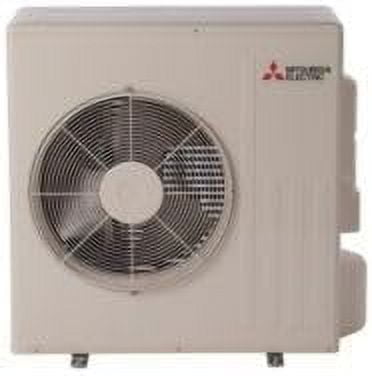
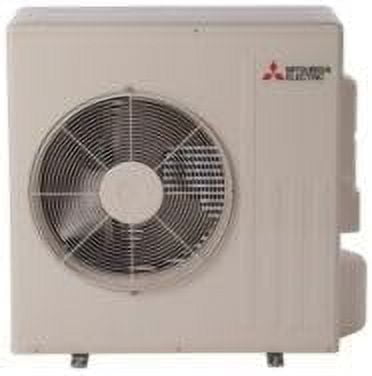
Mitsubishi Ductless Mini-Split Heat Pump
Score: 9.4/10 — The gold standard for reliability and efficiency, offering whisper-quiet operation and superior climate control for spaces up to 750 sq ft.
Overview
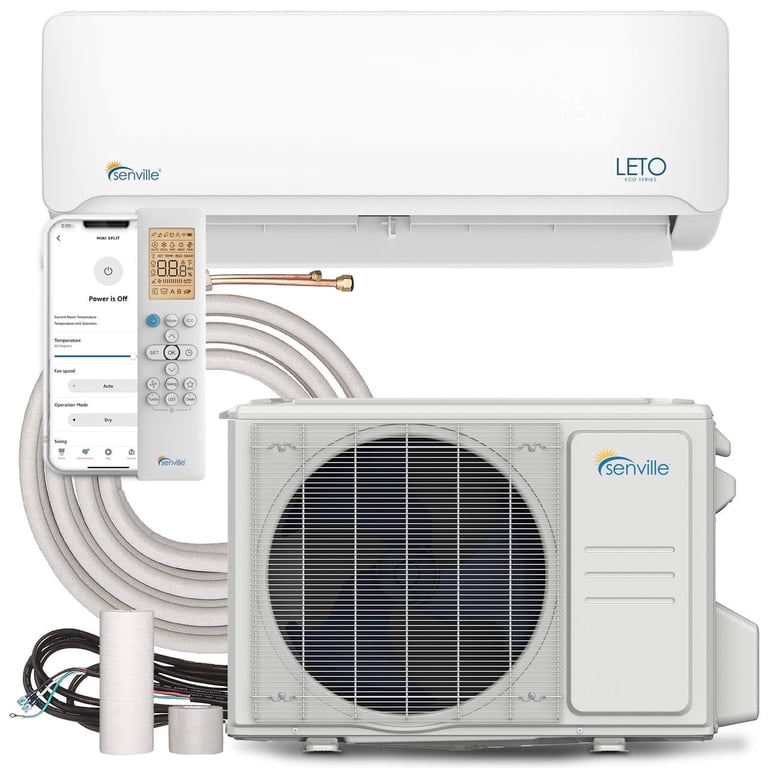
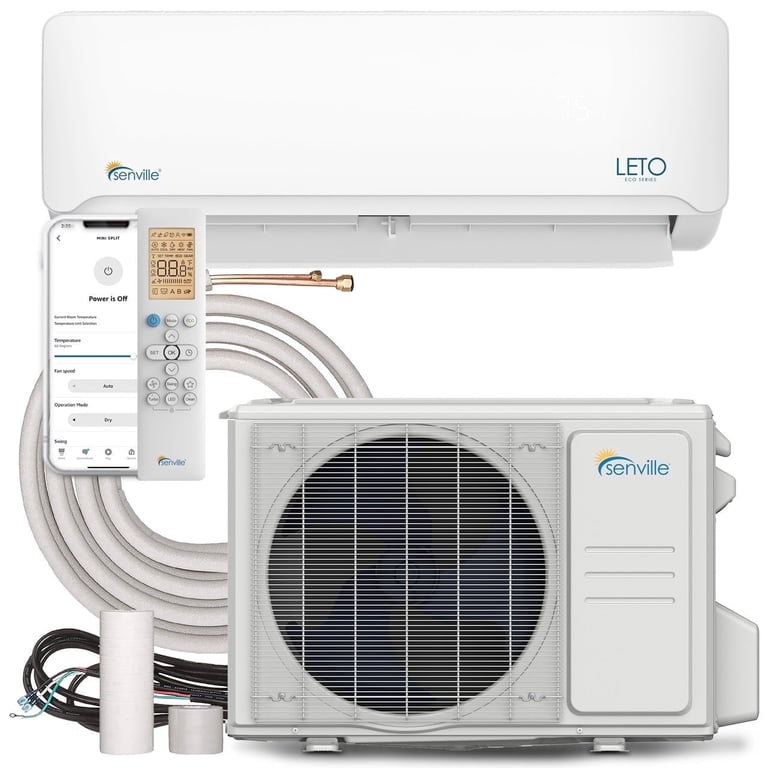
The Mitsubishi Ductless Mini-Split Heat Pump is widely considered the best mini-split for small rooms because it combines precision engineering with industry-leading efficiency for targeted climate control, consistently outperforming budget alternatives from the Senville LETO Series and LG Dual Inverter Portable Heat Pump in long-term reliability, providing an energy-efficient alternative to traditional central air (similar to the high-efficiency options found in our Daikin mini-split guide or the versatility of the MrCool DIY mini-split guide).
Designed specifically for homeowners who struggle with "problem rooms"—such as drafty attic conversions (where adding Rockwool sound-dampening insulation can also help), humid garage workshops, or sun-drenched master bedrooms—this system eliminates the need for expensive and invasive ductwork installation. By placing the evaporator unit directly in the room where it is needed, the Mitsubishi unit provides immediate, precise temperature regulation without the energy loss associated with traditional central air.
This 15,000 BTU unit is engineered to cover spaces up to 750 square feet, making it a versatile choice for small-to-medium room additions. Unlike budget-tier mini-splits that often struggle during extreme temperature swings, Mitsubishi utilizes advanced inverter-driven compressor technology. This allows the system to modulate its power output rather than simply switching on and off, resulting in a consistent temperature profile, lower energy bills, and significantly reduced wear and tear on the mechanical components. If you are comparing efficiency ratings, see our Daikin 17 SEER buying guide for more details on comparing efficiency ratings.
For the modern homeowner, the appeal of the Mitsubishi mini-split lies in its balance of discretion and power. The indoor head is designed to blend into contemporary interiors, while the outdoor condenser is built to withstand harsh environmental conditions. Whether you are replacing an inefficient window unit or adding climate control to an older home that lacks a whole-home ventilation solution, this Mitsubishi unit offers a professional-grade solution that prioritizes long-term durability over a low entry price.
Key Features
The variable-speed compressor adjusts its output in real-time to maintain a steady temperature, preventing the "cold blast" effect common in cheaper units.
Provides high-efficiency cooling in the summer and powerful heat pump warming in the winter, replacing both an AC and a space heater.
Optimized for spaces up to 750 square feet, providing ample airflow to eliminate hot or cold spots in medium-sized rooms.
Engineered for minimal decibel output, making it ideal for bedrooms, nurseries, or home offices where noise distraction is a concern.
| Feature | Specification |
|---|---|
| Model Number | MZ-GL15NA |
| Cooling/Heating Capacity | 15,000 BTU |
| Maximum Coverage | 750 sq. ft. |
| System Type | Single Zone Ductless Mini-Split |
| Compressor Type | Inverter-Driven |
| Control Method | Wireless Remote |
| Installation Type | Split System (Indoor/Outdoor) |
Pros & Cons
Pros
- Exceptional energy efficiency reduces monthly utility costs.
- Industry-leading reliability and long-term component lifespan (comparable to the Bosch Ductless Mini-Split Heat Pump; see our comprehensive Bosch mini-split guide for detailed cold-climate performance).
- Extremely quiet operation in both indoor and outdoor units.
- Precise temperature control via inverter technology.
- No ductwork required, preserving home structural integrity.
Cons
- Higher upfront cost compared to budget brands like the Senville LETO Series 12,000 BTU Mini-Split.
- Requires professional installation for warranty validation.
- Indoor unit is more prominent than a central vent.
Performance
In real-world application, the Mitsubishi Ductless Mini-Split Heat Pump 15000 BTU Single Zone outperforms the competition primarily in its stability. Most budget mini-splits operate on a binary logic: they are either 100% on or 100% off. This creates a "seesaw" effect where the room feels too cold, then too warm. The MZ-GL15NA avoids this through its sophisticated inverter. Once the target temperature is reached, the compressor slows down to a trickle, maintaining the exact set point with minimal energy draw.
The cooling performance is immediate. Even in peak summer humidity, the 15,000 BTU capacity is sufficient to drop the temperature of a 600-700 square foot room by several degrees within minutes. Similarly, the heating mode is highly effective. While some heat pumps struggle when outdoor temperatures dip toward freezing, Mitsubishi's engineering ensures that the heat exchange remains efficient, providing a steady stream of warmth without the dry, scorched-air feeling of electric baseboard heaters.
Noise levels are perhaps the most impressive aspect of the MZ-GL15NA. The indoor air handler operates at a decibel level that is virtually imperceptible during sleep or focused work. The outdoor condenser is equally refined; whereas cheaper units often emit a loud, rattling hum that can annoy neighbors, the Mitsubishi unit is a low-frequency purr, making it suitable for installation near patios or bedroom windows.
Value for Money
When analyzing the value of the Mitsubishi MZ-GL15NA, one must look beyond the initial purchase price. It is undeniably more expensive than entry-level options. However, the "value" is found in the Total Cost of Ownership (TCO). Because of its superior SEER (Seasonal Energy Efficiency Ratio) and HSPF (Heating Seasonal Performance Factor) ratings, the monthly energy savings often offset the price difference within a few years of operation.
Furthermore, Mitsubishi is renowned for its build quality. While a budget unit may require component replacement or refrigerant recharging after 5 years, a well-maintained Mitsubishi system is built to last a decade or more. For homeowners who plan to stay in their property long-term, the MZ-GL15NA is a capital investment that increases home value by adding permanent, high-efficiency climate control to previously unusable spaces.
Deep Dive: How it Works
For those considering other high-performance options, our Carrier Performance Series mini-split guide (featuring the Carrier Performance Series Ductless Mini-Split Heat Pump 9000 BTU Single Zone) provides a great baseline for comparison. The Mitsubishi MZ-GL15NA operates on the principle of heat transfer rather than heat generation. Unlike a furnace that burns fuel or an electric heater that uses resistance coils to create heat, a heat pump moves heat from one place to another using a refrigerant loop. This process is governed by the laws of thermodynamics, specifically the ability of certain fluids to absorb and release heat at different pressures.
Cooling Mode: The Extraction Cycle
During the summer, the system acts as a traditional air conditioner. The indoor unit (the evaporator) uses a cold refrigerant to absorb heat from the indoor air. As the air is drawn across the cooling coils, the heat is transferred into the refrigerant, which then turns into a gas. This gas is pumped to the outdoor condenser, where it is compressed and cooled by the outside air, releasing the indoor heat outdoors. The refrigerant then liquefies and returns to the indoor unit to repeat the cycle. This process also removes humidity from the air, as moisture condenses on the cold coils and is drained away via a condensate line. For rooms with extreme moisture issues, pairing a mini-split with a dedicated unit like the GE ADEL50LZ dehumidifier can further improve air quality.
Heating Mode: The Reverse Cycle
The most impressive feat of the MZ-GL15NA is its ability to reverse this process. In heating mode, a reversing valve changes the direction of the refrigerant flow. The outdoor unit now becomes the evaporator, extracting heat from the outside air—even when it feels cold to humans. Because heat exists in the air down to very low temperatures, the system can concentrate this energy, compress it to raise its temperature, and pump it into the indoor unit. This is why heat pumps are exponentially more efficient than electric heaters; they are moving existing energy rather than creating it from scratch.
The Role of the Inverter
Standard compressors are like a light switch: they are either on or off. If your room is 75 degrees and you want it at 72, a standard compressor blasts at 100% capacity until the sensor hits 72, then shuts off completely. Once the room drifts back to 75, it blasts again. The MZ-GL15NA uses a variable-frequency drive (Inverter). It can run at 10%, 40%, or 80% capacity. This means once the room reaches 72 degrees, the system simply "cruises" at a low power level to maintain that exact temperature. This eliminates temperature swings and drastically reduces the energy spikes associated with starting a motor.
Comprehensive Installation & Setup Guide
Installing a ductless mini-split is a precise process that requires a blend of electrical work, refrigeration knowledge, and carpentry. While some brands offer DIY kits (see our MrCool DIY-24-HP-WIF115 Mini-Split Buying Guide for a comprehensive look at DIY installation), the Mitsubishi MZ-GL15NA is designed for professional installation to ensure optimal performance and to maintain the manufacturer's warranty. Attempting a DIY install on a premium unit often voids the warranty and leads to systemic failure.
1. Site Selection and Planning
Proper placement is the difference between a room that feels perfectly tempered and one with persistent dead zones. The indoor unit should be mounted high on an interior wall. Since cold air naturally sinks and warm air rises, a high mount allows for a natural "curtain" of air to fall across the room during cooling and a gradual push of warm air downward during heating. Avoid placing the unit directly opposite a bed or sofa to prevent uncomfortable direct drafts.
The outdoor unit must be placed on a level concrete pad or sturdy wall brackets. It is critical to maintain ample clearance (typically 12-24 inches) around the unit to ensure the fan can pull in and exhaust air without restriction. Placing the condenser in a cramped corner or behind a fence will cause the system to overheat and significantly reduce its energy efficiency.
2. The Line Set and Conduit Installation
A small, precise hole is drilled through the exterior wall to accommodate the line set. This bundle typically includes two copper refrigerant lines (one liquid, one gas), a communication cable for the inverter, and a condensate drain line. To keep the installation looking professional, Mitsubishi systems often use a "Slimduct" or line-set cover—a PVC channel that protects the pipes from UV damage and prevents them from becoming an eyesore on the side of the house.
3. Vacuuming and Pressure Testing
This is the most critical technical phase. A professional installer will use a vacuum pump to remove all air and moisture from the refrigerant lines. This process, known as "pulling a vacuum," ensures that the system is airtight and that no non-condensables (like oxygen or nitrogen) are present. If moisture remains in the lines, it can react with the refrigerant oil to create acid, which eats away at the compressor windings from the inside out, leading to a catastrophic failure within a few years.
Detailed Maintenance for Longevity
To ensure the MZ-GL15NA lasts for its full intended lifespan—often 15 to 20 years with proper care—a tiered maintenance routine is required. While the system is designed to be low-maintenance, neglecting basic tasks can lead to efficiency drops and higher utility bills.
Homeowner Monthly Checklist
- Filter Cleaning: The indoor unit contains washable mesh filters. These should be popped out and rinsed with lukewarm water every 2-4 weeks during heavy use. Dust buildup restricts airflow, forcing the fan to work harder and reducing the unit's ability to dehumidify the room.
- Visual Inspection: Check the indoor unit for any signs of water dripping or discoloration on the wall, which could indicate a failing condensate pump or a clogged drain.
- Remote Battery Check: Ensure the wireless remote is functioning correctly and replace batteries annually to avoid losing control of the unit during a heatwave or freeze.
Seasonal and Annual Tasks
- Condensate Drain Flush: Once a year, the condensate drain line should be flushed with a mixture of water and a mild bleach solution or a dedicated HVAC drain cleaner. This prevents algae and biofilm from clogging the line, which can cause water to leak inside the home.
- Outdoor Coil Cleaning: Using a garden hose (not a pressure washer, which can bend the delicate aluminum fins), gently rinse the outdoor condenser coils. Removing pollen, dirt, and leaves allows the system to exchange heat more efficiently.
- Professional Tune-Up: Every two years, have a certified technician check the refrigerant levels and electrical connections. A slight drop in refrigerant can force the compressor to run longer, increasing electricity costs and shortening the life of the hardware.
Comparison: Mitsubishi vs. Budget Alternatives
When shopping for a mini-split, consumers often find themselves choosing between a "premium" brand like Mitsubishi and a "budget" brand like the Senville LETO Series or the Pioneer Diamante Series. While the specifications on paper (like BTU rating) may look similar, the engineering philosophy is vastly different (see our Pioneer mini-split buying guide for more on budget-tier builds).
Build Quality and Materials
Budget units often use thinner gauge metals for the heat exchangers and lower-grade plastics for the indoor housing. Over time, this can lead to "cabinet rattle" or corrosion in coas