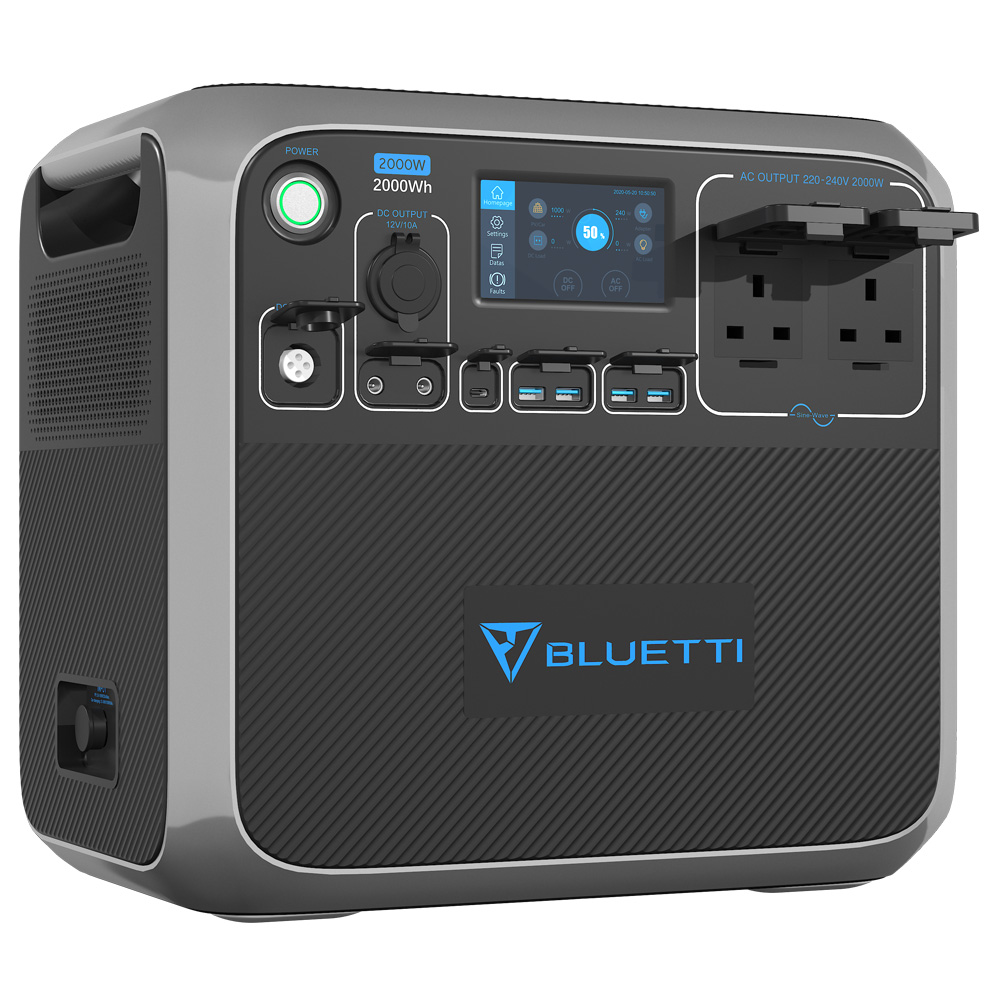
If you are searching for a reliable, high-capacity solar generator for home backup or off-grid use, the Bluetti 2000Wh LiFePO4 Portable Power Station is one of the most cost-effective ways to secure 2,000Wh of LiFePO4 storage paired with a high-wattage pure sine wave inverter. Designed for home backup systems (such as battery backup sump pumps) (including submersible utility pumps), van life, and emergency preparedness, these units provide a professional-grade power buffer without the fumes of a combustion engine.
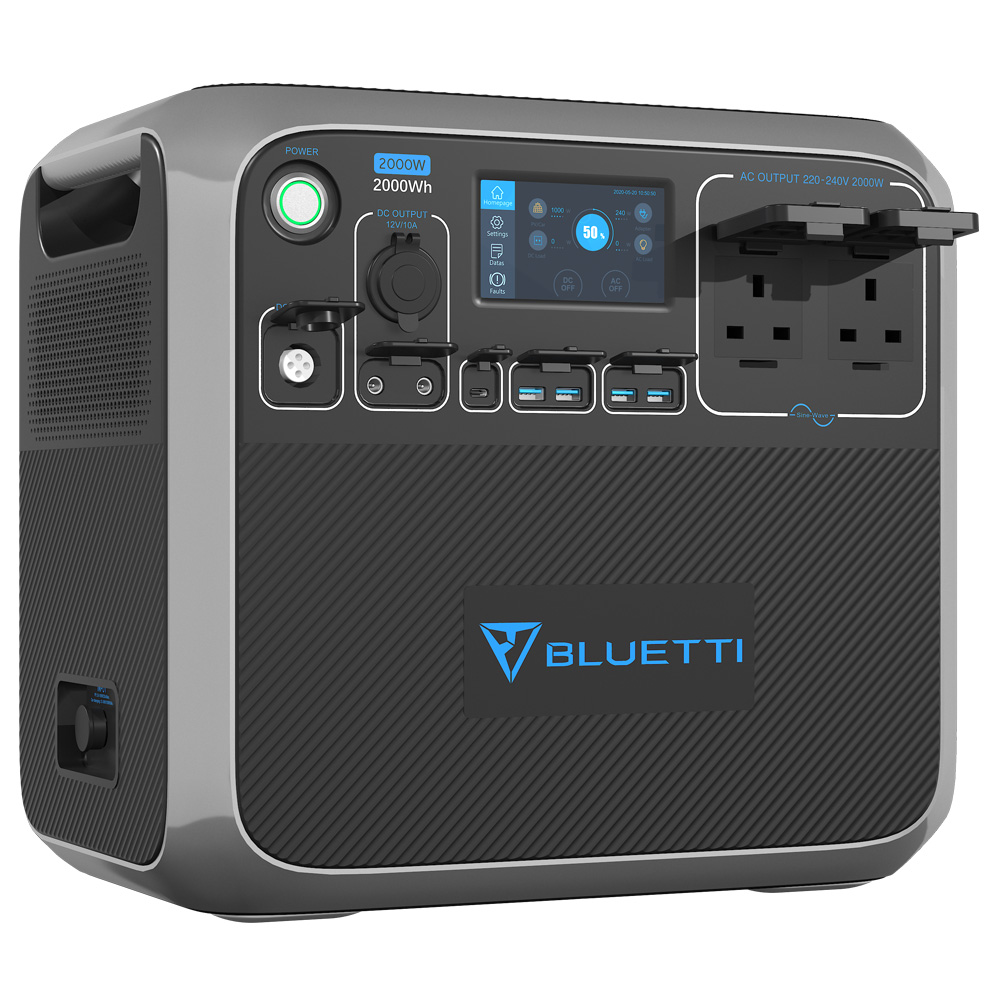
Top Pick: Bluetti 2000Wh LiFePO4 Portable Power Station
Score: 9.4/10 — The gold standard for high-capacity portable power, balancing massive energy storage with a versatile 2,400W output and rapid charging capabilities.
Bluetti 2000Wh LiFePO4 Portable Power Station (AC200L)
The Bluetti 2000Wh LiFePO4 Portable Power Station is engineered to bridge the gap between small portable batteries and permanent home backup installations like the EcoFlow DELTA Pro 3.
Looking for the best deal? Check the current price of the Bluetti 2000Wh LiFePO4 Portable Power Station on Amazon.
At its core is a massive 2,048Wh battery capacity utilizing Lithium Iron Phosphate (LiFePO4) chemistry. Unlike standard lithium-ion batteries found in smartphones or older power stations, LiFePO4 is prized for its thermal stability and extreme longevity, rated for over 3,000 charge cycles before the capacity drops to 80% of its original health. This means that even with heavy use, this unit is designed to last for a decade or more.Power delivery is where the Bluetti 2000Wh LiFePO4 Portable Power Station truly shines. Equipped with a powerful pure sine wave inverter, it delivers a continuous output of 2,400W, with the ability to handle significant surges. This allows it to power high-draw appliances that would trip the breakers of smaller units, such as essential backup equipment like the Wayne ESP25 or other submersible utility pumps, full-sized refrigerators, high-draw HVAC components (such as those detailed in our MrCool DIY mini-split guide), microwave ovens, electric kettles, professional power tools, or heating elements similar to those in the A.O. Smith EES-40 water heater. The "pure sine wave" aspect is critical; it ensures that the electricity delivered is as clean as the power from your wall outlet, preventing damage to sensitive electronics like laptops, medical CPAP machines, and high-end audio equipment.
For those living off-grid or preparing for long-term outages, the charging flexibility of the AC200L is a primary selling point. By pairing the unit with high-efficiency panels like the Jackery SolarSaga 200W Foldable Bifacial Portable Solar Panel, users can effectively create a sustainable power loop—recharging the station during the day to provide electricity throughout the night. The unit also supports high-speed AC wall charging and 12V car charging for maximum versatility. This makes it an essential tool for van lifers, remote workers, and outdoor enthusiasts who cannot rely on a traditional electrical grid. For those focusing strictly on home flood prevention, see our Wayne ESP25 battery backup sump pump guide.
| Feature | Specification (AC200L) |
|---|---|
| Battery Capacity | 2,048Wh / 512Wh (Optional Expansion) |
| Battery Chemistry | LiFePO4 (Lithium Iron Phosphate) |
| Continuous AC Output | 2,400W |
| Surge Power | Up to 3,600W (Boost Mode) |
| Cycle Life | 3,000+ Cycles to 80% |
| Solar Input | Up to 1,200W (Max 58V / 20A) |
| USB Outputs | USB-A and 100W USB-C PD |
| Weight | Approx. 60 lbs |
Pros
- Massive 2,000Wh capacity handles most home essentials
- LiFePO4 cells provide superior safety and 3,000+ cycle life
- High 2,400W output runs heavy-duty appliances
- Fast solar recharging capabilities up to 1,200W
- Pure sine wave inverter protects sensitive electronics
Cons
- Substantial weight makes it difficult to transport by hand
- Cooling fans can be loud during high-wattage discharge
- High initial investment compared to budget NMC units
| Feature | Bluetti AC200L |
|---|---|
| Capacity | 2,048Wh |
| Chemistry | LiFePO4 |
| AC Output | 2,400W |
| Cycle Life | 3,000+ |
| Solar Input | 1,200W Max |
Deep Dive: How LiFePO4 Power Stations Work
To understand why the AC200L is positioned as a premium choice, it is necessary to understand the underlying technology. Most consumer electronics use Nickel Manganese Cobalt (NMC) batteries. While NMC is energy-dense (smaller and lighter), it is more prone to thermal runaway and degrades significantly faster. LiFePO4 (Lithium Iron Phosphate), used in the AC200L, trades some energy density for massive gains in safety and lifespan.
The Role of the BMS (Battery Management System)
Inside the AC200L is a sophisticated Battery Management System (BMS). The BMS is the "brain" of the unit, constantly monitoring the voltage, temperature, and current of every individual cell. Its primary jobs include:
- Overcharge Protection: Ensuring the battery doesn't exceed its voltage limit during solar or AC charging, which prevents cell swelling.
- Deep Discharge Prevention: Cutting off power before the cells reach a voltage that could cause permanent chemical damage, ensuring the battery doesn't "brick."
- Thermal Regulation: Managing the internal fans to keep the cells within an optimal temperature range, which is critical for maintaining the 3,000-cycle lifespan.
- Cell Balancing: Ensuring all cells charge and discharge evenly, preventing "weak" cells from limiting the overall capacity of the pack.
Pure Sine Wave vs. Modified Sine Wave
Many budget power stations use "modified sine wave" inverters, which produce a blocky, stepped approximation of a power wave. While this works for simple resistive loads (like an old lamp or a basic heater), it can cause "electrical noise" in electronics. This noise manifests as buzzing in audio equipment, flickering in LED screens, and, more dangerously, overheating in the AC motors of refrigerators or medical devices.
The AC200L uses a Pure Sine Wave inverter, which mimics the smooth curve of grid power. This stability is vital for precision equipment, much like the dedicated power required for high-performance sump pumps or heavy-duty utility pumps. This ensures 100% compatibility and safety for all AC devices, from a high-end gaming laptop to a critical CPAP machine for sleep apnea. Using a modified sine wave inverter on a medical device is not just inefficient—it can be dangerous, which is why the AC200L's investment in a pure sine wave system critical asset. This level of power stability is essential for emergency readiness—similar to how a dedicated battery backup sump pump protects a basement—ensuring that critical home systems remain operational without electrical interference.
Comprehensive Buyer's Guide: Choosing the Right Capacity
When selecting a power station, the most common mistake is underestimating the "Watt-hour" (Wh) requirement. For those who don't need the full 2,000Wh of the AC200L, a mid-range option like the Anker PowerHouse 757 Portable Power Station can be a more portable alternative.
A common misconception is that the 2,400W output rating equals the runtime. In reality, the output (Watts) is the strength of the stream, while the capacity (Watt-hours) is the size of the tank.
Calculating Your Power Needs
To determine if 2,000Wh is enough for your needs, use the following formula: (Device Wattage) x (Hours of Use) = Total Wh Required. Because inverters are roughly 85-90% efficient (a detail critical for sizing battery backup systems), you should always divide your result by 0.85 to account for energy loss during conversion.
Evaluating Solar Input (The "Recovery Rate")
A 2,000Wh battery is a large "tank" to refill. If a unit only supports 100W of solar, it would take 20+ hours of perfect sunlight to recharge. The AC200L's support for up to 1,200W of solar input is a game-changer. It allows the user to replenish the battery in a fraction of the time, making it a viable primary power source for long-term off-grid living rather than just an emergency backup.
When choosing solar panels for the AC200L, it is vital to check the voltage limits. If you exceed the maximum voltage rating of the MPPT controller (Maximum Power Point Tracking), the unit may enter a protection mode or suffer permanent damage. Always calculate the "Open Circuit Voltage" (Voc) of your panel array to ensure it stays within the 58V limit specified for the AC200L.
Setup and Optimization Guide
Maximizing the performance of your Bluetti AC200L requires more than just plugging it in. Proper setup can extend the battery life and increase the efficiency of your power delivery.
First-Time Setup and Charging
- Initial Charge: Charge the unit to 100% using the provided AC cable before the first use. This calibrates the BMS and ensures the percentage display is accurate.
- Solar Array Configuration: When connecting solar panels, ensure the total voltage of your array does not exceed the maximum input rating. Over-volting the input can trigger a safety shutdown.
- Ventilation: Place the unit on a hard, flat surface. Avoid placing it on carpets or inside tight cabinets, as the intake and exhaust fans need clear airflow to prevent thermal throttling.
Daily Use Tips for Maximum Efficiency
To get the most hours out of every charge, follow these efficiency protocols:
- Use DC Whenever Possible: Converting battery DC to AC power costs energy (the "inverter tax"). If you are charging a phone or laptop, use the USB-C PD port instead of the AC outlet to save roughly 10-15% of your battery capacity.
- Manage Peak Loads: If you are running a device with a high startup surge (like a vacuum or a compressor), turn off other non-essential appliances first to give the inverter maximum headroom.
- Eco-Mode Utilization: Use the "Eco" or power-saving settings for low-draw devices. Keeping a high-wattage inverter running to power a 5W LED light is inefficient; the inverter itself consumes a small amount of power just to stay on.
Long-Term Maintenance and Storage
While LiFePO4 is incredibly durable, how you store the unit during the "off-season" determines whether it lasts 5 years or 15 years. The chemistry is far more forgiving than NMC, but it still obeys the laws of thermodynamics.
The Storage Protocol
- The Sweet Spot: Store the AC200L at approximately 50% to 80% charge. This is the chemically most stable state for LiFePO4 cells.
- Quarterly Top-offs: Even when not in use, batteries naturally self-discharge. Check the percentage every 3 to 6 months and top it back up to 60-80%.
- Temperature Control: Store the unit in a cool, dry place; if your storage area is prone to dampness, using a dedicated dehumidifier (see our GE ADEL50LZ review) can prevent corrosion on external ports, similar to how we recommend protecting basement systems in our Basement Watchdog guide or by installing a Ridgid SP-650C sump pump. Avoid garages that reach freezing temperatures in winter or extreme heat in summer, as temperature extremes accelerate chemical degradation.
- Port Cleaning: Use compressed air to blow dust out of the AC outlets and USB ports every few months to maintain a solid electrical connection.
Performance Pitfalls: What to Avoid
Even a high-end unit like the AC200L has limitations. Understanding these "pitfalls" prevents hardware failure and user frustration.
The "Resistive Load" Trap
Many users attempt to run space heaters, hair dryers, or electric kettles. While the AC200L can handle the wattage, these are "resistive loads" that convert electricity directly into heat. This is the most inefficient way to use a battery. A 1,500W space heater will drain a 2,000Wh battery in roughly one hour. If you need heat, a 12V electric blanket or a small DC-powered heater is a much more sustainable choice.
Overloading the Inverter
While the AC200L has a high 2,400W capacity, it is not infinite. Every appliance has a "starting wattage" (surge) that is often 2-3 times higher than its "running wattage." For example, a refrigerator might only use 150W while running, but it may require 1,200W for a split second to start the compressor. If you have multiple high-surge devices starting at once, you may trigger an overload protection shutdown. To avoid this, stagger the startup of your appliance