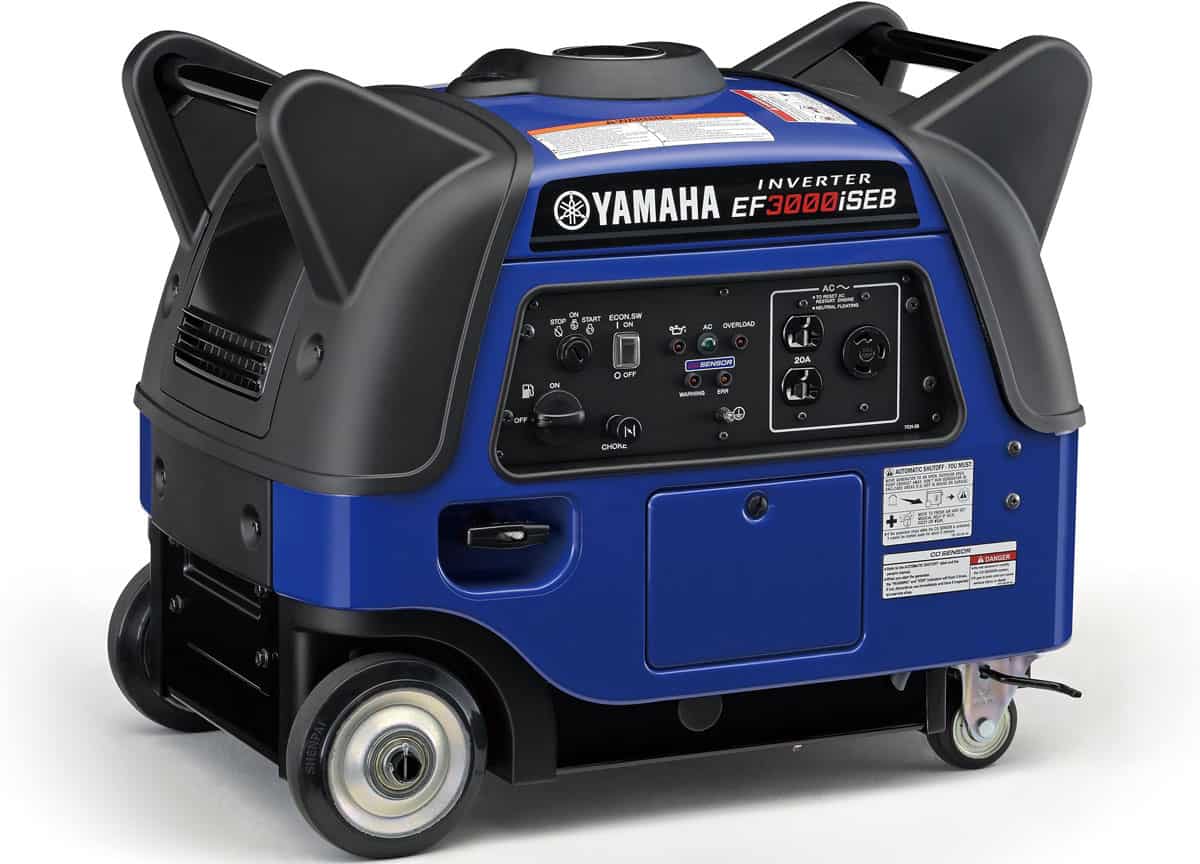
The Yamaha Enclosed Inverter Generator (EF2200iS) is our top-rated choice for homeowners seeking a reliable home backup generator and outdoor enthusiasts who require electronics-safe, pure sine wave power. This quiet, fuel-efficient inverter generator balances portability with enough wattage for essential household loads and remote recreation.
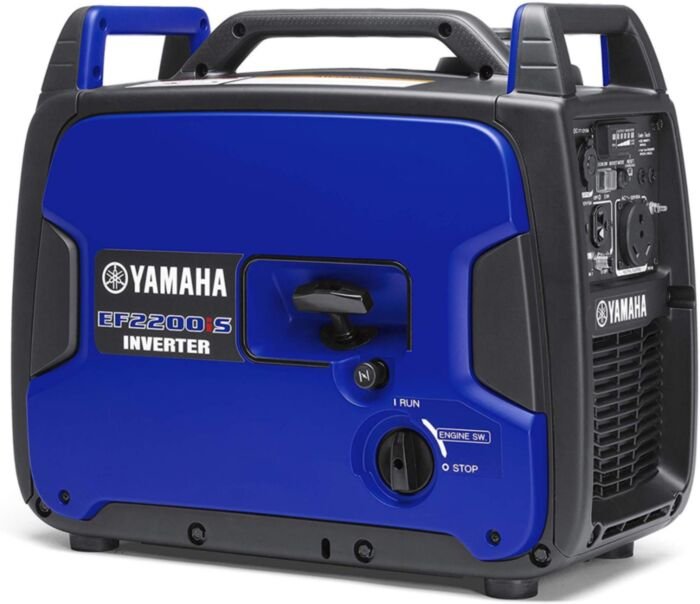
Top Pick: Yamaha Enclosed Inverter Generator (EF2200iS)
Score: 9.2/10 — A compact, whisper-quiet inverter generator that delivers clean sine wave power ideal for home backup, tailgating, and powering laptops and TVs without worry.
When the power goes out or you're miles from the nearest outlet, the quality of your generator matters as much as the wattage on the box. The Yamaha EF2200iS promises clean, stable power in a quiet, portable package that won't fry your sensitive electronics. This guide breaks down exactly what it offers and who should buy it.
Yamaha Enclosed Inverter Generator
The Yamaha Enclosed Inverter Generator (model EF2200iS) is built around inverter technology that produces a consistent pure sine wave output. That clean power is the key feature here: it protects laptops, televisions, phones, and other voltage-sensitive electronics from the fluctuations that can damage them when running off cheaper open-frame generators. In a standard generator, the engine speed dictates the frequency, leading to "dirty" power; the EF2200iS converts DC power back to a perfect AC sine wave, mirroring the quality of a wall outlet.
The "enclosed" part of the name is more than marketing. The noise-reducing shell significantly lowers operating volume compared to open-frame models, making it genuinely usable in residential neighborhoods and quiet campsites where a roaring generator would be a nuisance. The chassis is engineered to dampen vibration and trap sound, ensuring that while you have power, you aren't disturbing your neighbors or your peace of mind. This makes it a strong choice for anyone who values being a good neighbor during an outage or a peaceful campout.
Fuel efficiency is another standout characteristic of the EF2200iS. Inverter generators utilize an electronic throttle that adjusts engine speed based on the actual electrical load. If you are only charging a few smartphones, the engine slows down to a whisper, burning far less gasoline than a traditional generator that runs at a constant high RPM regardless of demand. Combined with straightforward, beginner-friendly controls and a rugged build quality, the EF2200iS is approachable even for first-time generator owners who may be intimidated by mechanical setups.
Who it's for: Homeowners wanting backup power for essentials, tailgaters and campers who need portable energy, and anyone running sensitive electronics that demand clean, stable voltage. If you need to power an entire house or heavy 240V appliances, you'll want to look at larger, high-capacity industrial units or explore our Wayne ESP25 battery backup reviews or specialized battery backup systems (like those used for critical basement flooding protection)—but for portable, electronics-safe power, this is an excellent fit.
| Specification | Detail |
|---|---|
| Model Number | EF2200iS |
| Type | Enclosed inverter generator |
| Output | Pure sine wave |
| Category | Generators & Backup Power |
| Best for | Home backup, outdoor entertaining, sensitive electronics |
Pros
- Clean pure sine wave output safe for laptops, TVs, and electronics
- Enclosed design runs noticeably quieter than open-frame models
- Fuel-efficient with load-matching throttle for longer runtimes
- Compact and portable for camping, tailgating, and storage
- Simple, beginner-friendly controls
Cons
- Not sized for whole-home or heavy 240V appliance loads
- Inverter generators typically cost more than basic open-frame units
- Single-unit output may require pairing for higher-demand setups
Understanding Inverter Technology: How It Works
To understand why the Yamaha EF2200iS is superior for electronics, one must understand the difference between a traditional alternator and an inverter. A standard generator uses a mechanical governor to keep the engine running at a constant speed (usually 3,600 RPM for 60Hz power). However, engines fluctuate. These tiny speed changes cause "Total Harmonic Distortion" (THD), which manifests as voltage spikes and dips. For a toaster or a space heater, this is irrelevant. For a MacBook Pro or a high-end OLED TV, it can be fatal.
The EF2200iS employs a three-stage process: first, the engine generates raw AC power; second, that AC is converted into DC (Direct Current) power; third, a microprocessor "inverts" that DC back into a clean, surgically precise AC sine wave. This process removes the fluctuations, resulting in power that is often cleaner than the electricity provided by the municipal grid.
Tip: Always check the "Total Harmonic Distortion" (THD) rating of a generator. For sensitive electronics, look for a THD of less than 3%. The Yamaha EF2200iS meets these stringent requirements.
Beyond power quality, the inverter technology allows for "Eco-Mode" or fuel-saving operation. In a traditional generator, the engine screams at full volume even if you are only powering a single LED light bulb. The EF2200iS senses the electrical load and lowers the engine RPMs accordingly. For those who need absolute silence indoors,
For those who need absolute silence indoors, a portable power station like Anker PowerHouse 757 is a viable, battery-based alternative.
This not only saves fuel but drastically reduces the acoustic footprint of the machine.For those seeking an alternative, the Honda Super Quiet 2200-Watt Portable Inverter Generator is another industry leader in this class. To put it in perspective, think of a traditional generator like a car that can only drive at 60mph regardless of whether you are on a highway or in a parking lot; the inverter generator is like a modern automatic transmission that adjusts its speed perfectly to the terrain. This precision is what allows the EF2200iS to be so versatile. Whether you are powering a high-end CPAP machine for medical needs or a set of studio monitors for a remote recording session, the lack of "electrical noise" ensures the equipment operates exactly as it would in a controlled indoor environment.
The Buyer's Guide: Choosing the Right Generator
Selecting a generator involves more than just picking the highest wattage. You must balance three competing factors: Power Output, Noise Level, and Portability. If you maximize one, you often sacrifice another. For example, the most powerful generators are typically the loudest and heaviest, requiring a truck to move and a designated "generator shed" to keep the noise from bothering neighbors.
Calculating Your Power Needs
Before purchasing, perform a "load audit." List every device you intend to run and find its wattage. Note the difference between Starting Watts (Surge) and Running Watts (Rated). Devices with compressors—like refrigerators, air conditioners, or Ridgid sump pumps (see our utility pump guide for more)—require a massive burst of energy to start the motor, often 2-3 times their running wattage. This is known as "inductive load."
The EF2200iS is designed for moderate loads; it can handle a refrigerator or a microwave, but not both simultaneously with other appliances. To calculate your needs, sum up the running watts of all items you want to use at once, then add the highest single starting watt requirement of the group. If that total exceeds the rated capacity of the EF2200iS, you may need to stagger your usage—turning on the refrigerator first, letting it stabilize, and then plugging in your lighting and electronics.
If your load requirements are consistently higher, the Westinghouse 4500-Watt Portable Inverter Generator provides significantly more headroom for heavier appliances.
Comparing Enclosed vs. Open-Frame
Open-frame generators, such as the DuroMax Dual Fuel Portable Generator 13000W Electric Start, are essentially an engine and an alternator bolted to a steel rail. They are cheaper and easier to service because every component is visible and accessible. However, they are incredibly loud and leave the electrical components exposed to rain, dust, and debris. They are best suited for construction sites or remote farm use where noise isn't a factor and the environment is rugged.
The enclosed design of the Yamaha EF2200iS protects the internal components and utilizes a sound-dampening shell. For residential use, an enclosed unit is almost always the better choice to avoid noise complaints from neighbors. Additionally, the enclosure provides a layer of physical protection against accidental impact, making it safer to use around children or pets in a backyard setting.
Fuel Types and Maintenance
The EF2200iS runs on gasoline. While diesel generators are more durable and propane generators are easier to store long-term, gasoline is the most accessible fuel for the average user. However, gasoline degrades over time. Modern ethanol-blended fuels are particularly problematic because ethanol attracts moisture from the air, which can settle in the bottom of the tank and cause corrosion or "phase separation."
To ensure your generator starts during a winter blackout, it is critical to use fuel stabilizers or ethanol-free gasoline (often sold as "premium" or "rec fuel") to prevent gumming in the carburetor. If you use the generator only once or twice a year, using a stabilizer is not optional—it is a requirement for long-term reliability. Without it, you may find yourself needing a professional carburetor cleaning precisely when you need the power most.
Setup and Operation Guide
Operating the Yamaha EF2200iS is designed to be intuitive, but following a specific sequence ensures the longevity of the machine and the safety of your devices. Incorrect startup sequences or poor placement can lead to equipment damage or dangerous situations.
Initial Start-Up
- Check Fluids: Ensure the engine oil is at the correct level. Inverter generators are designed with low-oil shutdown sensors; if the oil is even slightly low, the engine will not start or will shut down abruptly to prevent permanent engine failure.
- Fueling: Fill the tank with fresh gasoline using a clean funnel. Avoid overfilling to the very brim to prevent fuel leaks during transport or thermal expansion in hot weather.
- Ventilation: Place the unit at least 5 feet away from any building, window, or vent. Carbon monoxide (CO) is odorless and lethal; never operate a generator inside a garage, basement, or tent, even with the door open. Always place the unit on a flat, stable surface.
- Start Sequence: Turn the fuel valve to 'On,' set the choke to the start position, and pull the recoil starter firmly. Once the engine stabilizes and begins to run, immediately move the choke to the 'Off' or 'Run' position to prevent the engine from flooding.
Connecting Your Electronics
Wait for the engine to stabilize for 30 to 60 seconds before plugging in any devices. This ensures the voltage has leveled off and the inverter has established a steady sine wave. When connecting, always plug in your most sensitive equipment (like computers) last. If you are using an extension cord, ensure it is a heavy-duty, outdoor-rated cord (12-gauge or 14-gauge). Thin, household extension cords can overheat and cause voltage drops, which negates the benefit of the inverter's clean power output and can lead to "brownout" conditions for your devices.
Warning: Never "backfeed" your generator by plugging it into a wall outlet to power your home. This is illegal in most jurisdictions and can send electricity back into the power lines, potentially killing utility workers who are trying to restore power. Use a certified transfer switch installed by a licensed electrician, ensuring your panel is updated with the correct circuit protection.
Long-Term Maintenance and Storage
A generator is a piece of mechanical equipment that requires regular care to remain reliable. Because the EF2200iS is often used sporadically—perhaps once a month or once a year—"dry rot" and fuel degradation are the most common causes of failure. A well-maintained generator can last decades; a neglected one may fail after a single season.
Routine Maintenance Schedule
Consistent maintenance prevents the "it won't start" panic during a storm. Follow this general schedule:
- Every 50-100 Hours: Change the engine oil. The first oil change is the most critical, as it occurs after a "break-in" period where small metal shavings from the new engine are suspended in the oil. Refer to the manual for the exact break-in hour mark.
- Every Season: Inspect the air filter. A clogged filter restricts airflow, causing the engine to run "rich" (too much fuel, not enough air), which leads to carbon buildup on the spark plug and decreased fuel efficiency.
- Spark Plug Inspection: Check for carbon buildup or a worn electrode on the spark plug. A fouled plug makes starting difficult and can cause the engine to hunt or surge during operation.
- Fuel Filter: Depending on the fuel quality used, the internal fuel filter may need cleaning or replacement to ensure a steady flow to the carburetor.
Winterization and Storage
If you are storing the unit for more than 30 days, you must address the fuel. Gasoline left in the small jets of the carburetor will evaporate, leaving behind a varnish-like residue that blocks fuel flow. To prevent this:
- Drain the Carburetor: Either run the engine until it stalls out of fuel (after turning off the fuel valve) or use a dedicated fuel-drain valve if equipped.
- Add Stabilizer: If leaving fuel in the main tank, use a high-quality fuel stabilizer and run the engine for 10 minutes to ensure the stabilized fuel reaches the carburetor.
- Storage Location: Store the unit in a cool, dry place, away from direct sunlight and moisture. A garage or a dry shed is ideal. Avoid storing it directly on a concrete floor if possible, as moisture can wick up into the metal frame; a wooden pallet or a dedicated cover is recommended.
Common Pitfalls and Troubleshooting
Even high-quality units like the Yamaha EF2200iS can experience issues if operated incorrectly. Understanding the "why" behind a problem can save you a costly trip to the repair shop.
The Generator Won't Start
Ninety percent of "won't start" issues are fuel-related. If the unit has sat for months, the fuel in the carburetor has likely gone bad. The solution is to drain the tank, flush the carburetor, and refill with fresh fuel and a stabilizer. Additionally, always check the oil level; the EF2200iS has a safety sensor that completely disables the ignition system if the oil falls below a certain threshold. If you've tilted the generator during transport, the sensor may be triggered even if the oil is technically sufficient—let the unit sit level for 10 minutes before attempting to start.
Overload Shutdown
If the generator suddenly shuts off or a warning light triggers while you are using a high-wattage appliance, you have exceeded the rated capacity. This is a safety feature designed to protect the inverter electronics from frying. To resolve this, unplug the heaviest load and restart the unit. To avoid this in the future, stagger your power usage—turn on the refrigerator first, let it stabilize, then plug in your lights and laptop. Be mindful of "surge" loads; a device that uses 500W normally might need 1500W for two seconds to start up.
Excessive Vibration
While the enclosed shell reduces noise, the unit still contains a reciprocating internal combustion engine. If you notice excessive vibration, ensure the generator is placed on a level, hard surface. Placing it on thick grass or soft dirt can cause the unit to tilt, which can affect the oil level sensor or cause the unit to shift and rattle. If the vibration is accompanied by a "hunting" sound (the engine speeding up and slowing down), it is likely a sign that the carburetor needs cleaning or the air filter is clogged.
Specifications Comparison
| Feature | Yamaha EF2200iS | Standard Open-Frame | Battery Power Stations |
|---|