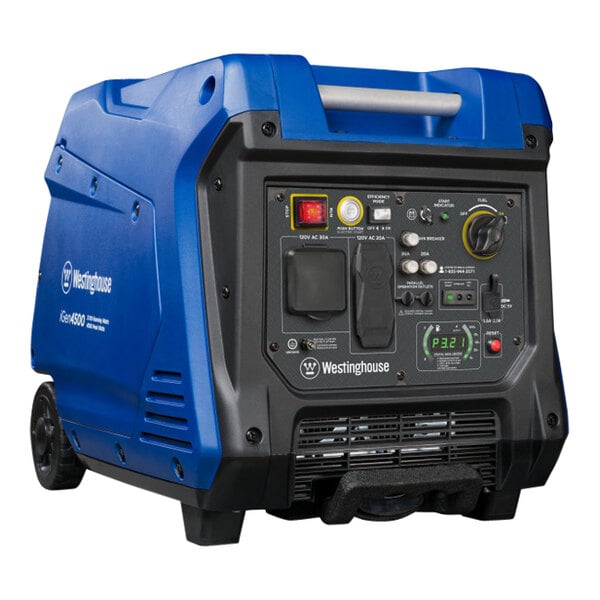
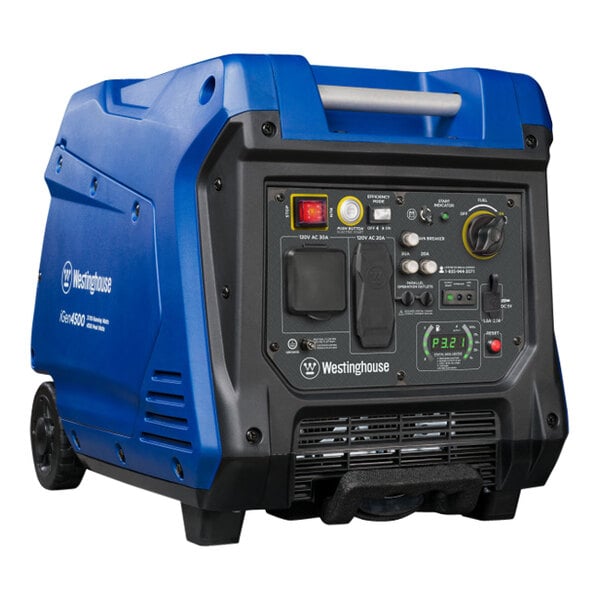
Westinghouse 4500-Watt RV-Ready Portable Inverter Generator
Score: 8.8/10. A quiet, RV-ready inverter generator with strong runtime, clean power, and practical portability for camping, tailgating, and light home backup. For those needing a permanent solution for home water management, see our complete sump pump buying guide.
This review contains affiliate links. We may earn a commission if you make a purchase through these links, at no additional cost to you.
Overview
The Westinghouse 4500-Watt RV-Ready Portable Inverter Generator is a purpose-built power solution designed to bridge the gap between high-output contractor generators and ultra-portable, low-wattage inverter units.
Related parts & accessories
Looking for a more compact alternative? Check out the Jackery Explorer 1000 Portable Power Station for lighter loads.
At its core, the iGen4500 is an inverter generator, meaning it uses a sophisticated electronic process to convert the raw AC power produced by the engine into clean, stable DC and then back into a precise 120V AC sine wave. This process eliminates the "dirty power" (voltage spikes and frequency fluctuations) common in open-frame generators, making it safe for the sensitive circuit boards found in modern laptops, smart TVs, and RV control panels.
This machine is targeted at the "boondocker"—the camper who wants to venture off-grid without sacrificing the luxury of an air conditioner or a microwave. With 4,500 peak watts, it provides the necessary "surge" to kickstart compressors, while the 3,700 running watts sustain those appliances over time. While it remains a gasoline-powered unit, its integration of remote start and a telescoping handle attempts to remove the traditional friction associated with portable power generation.
Key Features
Provides enough surge power for demanding RV appliances, including many 13,500 BTU air conditioners.
Delivers steady usable output for RV essentials, small appliances, tools, and emergency backup loads.
Includes a TT-30R 30-amp RV outlet, reducing the need for extra adapters at the campsite.
Runs much quieter than typical open-frame generators, with low-noise operation suitable for campgrounds.
Inverter technology provides low total harmonic distortion for phones, laptops, and TVs.
Key fob remote start and push-button electric start make startup convenient and effortless.
Large fuel tank and efficiency mode allow extended operation at lighter loads.
Integrated wheels and a telescoping handle help offset the unit’s nearly 100-pound weight.
| Feature | Value |
|---|---|
| Product | Westinghouse 4500-Watt RV-Ready Portable Inverter Generator |
| Model | iGen4500 |
| Generator Type | Portable inverter generator |
| Fuel Type | Gasoline |
| Peak Output | 4,500 watts |
| Running Output | 3,700 watts |
| Engine | 224cc Westinghouse OHV 4-stroke engine |
| Starting System | Remote start, electric start, recoil backup |
| RV Outlet | 120V 30A TT-30R |
| Household Outlets | 120V 20A duplex outlet |
| USB Ports | Included |
| Fuel Tank Capacity | 3.4 gallons |
| Maximum Runtime | Up to 18 hours at low load |
| Noise Rating | As low as 52 dBA |
| Power Quality | Low THD inverter output |
| Parallel Capable | Yes (with compatible kit) |
| Portability | Built-in wheels and telescoping handle |
| Approximate Weight | About 98 lb |
Pros & Cons
Pros
- Strong 4,500-watt peak output for RV air conditioners
- Campsite-friendly noise levels compared to open-frame units
- Direct 30-amp RV outlet eliminates adapter clutter
- Triple-start options: Remote, Electric, and Recoil
- Clean inverter power safe for laptops and smartphones
- Extended runtime at low loads for overnight use
- Heavy-duty wheels and handle for easier transport
Cons
- Weight (98 lbs) makes solo lifting difficult
- Gas-only fuel source lacks dual-fuel flexibility
- Noise increases significantly under maximum load
- Not suitable for 240V heavy machinery or whole-home backup
- Requires standard internal combustion engine maintenance
Performance
In real-world RV applications, the Westinghouse 4500-Watt RV-Ready Portable Inverter Generator behaves as a reliable workhorse. The most critical test for any RV generator is the "AC Test." Most 13,500 BTU RV air conditioners require a significant surge of power to start the compressor. The iGen4500 handles this spike effectively, though it is recommended to let the AC stabilize before engaging other high-draw appliances like a microwave or coffee maker.
The noise profile is a major highlight. Unlike traditional generators that maintain a constant, loud RPM, the iGen4500's inverter technology allows the engine to throttle down when power demand is low. At a 25% load, the sound is a low hum that blends into the background of a campsite. However, when pushed to 100% capacity, the engine does ramp up. While still quieter than an open-frame unit, the "quiet" claim is most accurate during moderate use.
The power delivery is exceptionally stable. When testing with sensitive electronics—such as a MacBook Pro, a Starlink router, and an LED TV—there were no flickers or resets. This stability is the primary reason to choose this model over a cheaper, non-inverter alternative. The "clean" sine wave prevents the overheating of power bricks and protects the delicate circuitry of modern RV control panels—similar to how stabilized power is required for sensitive home hardware like an advanced home security system or a comprehensive SimpliSafe setup.
Regarding the starting mechanisms, the remote start is a luxury that becomes a necessity. For those managing home water systems during outages, combining this with a reliable sump pump setup ensures total peace of mind. Being able to ignite the engine from 20 feet away means you don't have to stand next to the exhaust or navigate a muddy campsite just to turn the power on. The electric start is snappy, and the recoil backup ensures that you aren't stranded if the starter battery fails during a long trip.
Deep Dive: How Inverter Technology Works
To understand why the Westinghouse 4500-Watt RV-Ready Portable Inverter Generator (iGen4500) is superior for electronics, one must understand the difference between traditional generators and inverter generators. A traditional generator uses a mechanical governor to keep the engine running at a constant speed (usually 3,600 RPM for 60Hz power). This creates a "noisy" electrical signal with Total Harmonic Distortion (THD) that can damage sensitive chips.
The iGen4500 operates differently. It generates AC power, converts it to DC, and then uses an inverter module to "manufacture" a clean AC sine wave. This allows the engine to vary its speed based on the actual load. When you are only charging a phone, the engine slows down (Eco-mode), saving fuel and reducing noise. When you kick on the AC, the inverter signals the engine to speed up. This dynamic power management is what allows the unit to be both fuel-efficient and safe for electronics.
For those unfamiliar with "Total Harmonic Distortion" (THD), imagine a perfect sine wave as a smooth, rolling hill. Traditional generators produce a wave with "jagged edges." While a toaster or a light bulb doesn't care about these jagged edges, a laptop's power brick does. Those irregularities can cause heat buildup in the power supply or, in worst-case scenarios, fry the motherboard. The iGen4500's inverter system polishes that wave, delivering "pure" power that mimics what you get from a wall outlet at home.
Furthermore, the iGen4500 utilizes an advanced electronic fuel injection-like precision in its governor settings. While it is a carbureted engine, the inverter's ability to communicate power needs to the engine's throttle allows for a much more responsive power curve. This prevents the "brownouts" that often occur when a heavy load is first applied to a standard portable generator, which typically suffers from a momentary dip in voltage before the mechanical governor can catch up.
Setup and Initial Operation
Out of the box, the iGen4500 requires a small amount of assembly and preparation. Because it is shipped without oil (for safety and shipping regulations), the first and most critical step is filling the crankcase with the recommended 10W-30 oil. Failure to do this will result in immediate engine failure, as these units rely on oil splash lubrication for the 224cc engine.
Once oiled, the setup involves a systematic approach to ensure the machine is primed and ready for heavy loads:
- Fueling: Fill the 3.4-gallon tank with fresh, stabilized gasoline. We recommend using a fuel stabilizer from day one to prevent ethanol-related issues.
- Priming: Use the fuel valve and choke to prime the engine if using the recoil start. If using electric start, ensure the battery connection is secure.
- Connection: Plug the 30-amp RV cord directly into the TT-30R outlet. Avoid using low-quality extension cords, as voltage drop can affect the inverter's efficiency.
- Testing: Start the unit with no load, letting it warm up for 2-3 minutes. This ensures the oil has reached all critical engine components before you apply the stress of an RV's power load.
It is also important to verify the placement of the unit. Generators should always be operated in a well-ventilated outdoor area, at least 20 feet away from any windows, doors, or vents. Carbon monoxide is colorless and odorless; placing the iGen4500 too close to the RV chassis can lead to dangerous gas buildup inside the living quarters. We recommend using a generator cover or a specialized ventilation tent to protect the unit from light rain while ensuring airflow remains unobstructed.
Maintenance Guide for Longevity
Gasoline generators are mechanical devices that require regular upkeep to avoid "carburetor gumming" and engine wear. To keep the Westinghouse 4500-Watt RV-Ready Portable Inverter Generator (iGen4500) running for years, follow this maintenance schedule:
| Interval | Task | Why it Matters |
|---|---|---|
| Every Use | Check Oil Level | Prevents engine seizure due to low lubrication. |
| Every 50-100 Hours | Change Engine Oil | Removes metallic debris and sludge from the crankcase. |
| Every 6 Months | Drain Fuel / Add Stabilizer | Prevents ethanol from clogging the small carburetor jets. |
| Annually | Inspect Air Filter | Ensures the engine breathes clean air for optimal combustion. |
| As Needed | Clean Spark Plug | Ensures easy starting and prevents engine misfires. |
One of the most common pitfalls for new owners is the "winter storage" mistake. If you leave gasoline in the carburetor over a winter break, the fuel evaporates, leaving behind a sticky varnish that clogs the narrow internal passages. This is the number one reason generators fail to start in the spring. To prevent this, always drain the fuel tank and run the engine until it stalls (meaning the carburetor is empty) before storage. Alternatively, use a high-quality fuel stabilizer and run the engine for 10 minutes to ensure the stabilized fuel has reached the jets.
Buyer's Guide: Is the iGen4500 Right for You?
Choosing a generator often comes down to a trade-off between power, portability, and noise. The Westinghouse iGen4500 sits in the "medium-heavy" category of inverter generators. To decide if this is the right fit, you should analyze your specific power needs.
Who Should Buy This Generator?
The iGen4500 is ideal for the "Mid-Sized RV" owner. If you have a travel trailer or a Class C motorhome and you want to run a single AC unit along with lights, a refrigerator, and a few electronics, this unit is perfect. It is also a great choice for "glampers" who want the comfort of home (microwaves, Keurigs, blow-dryers) while staying in remote locations where shore power is unavailable.
It is also an excellent "Emergency Kit" addition for homeowners. While it cannot power a whole house, it can easily handle a refrigerator, a few lamps, and a Wayne ESP25 battery backup sump pump. In a storm, being able to move the generator to where the power is needed most—without needing a professional electrician to install a transfer switch—is a significant advantage.
Who Should Look Elsewhere?
If you are a "minimalist" camper who only needs to charge a phone and run a few LED lights, the iGen4500 is overkill. A smaller inverter or battery system, such as the Jackery Explorer 1000 Portable Power Station or
For those prioritizing portability over raw power, the EcoFlow DELTA 2 Portable Power Station is a lighter, emission-free alternative.
and easier to carry. Conversely, if you have a large Class A diesel pusher with multiple AC units, three slides, and a residential-grade refrig