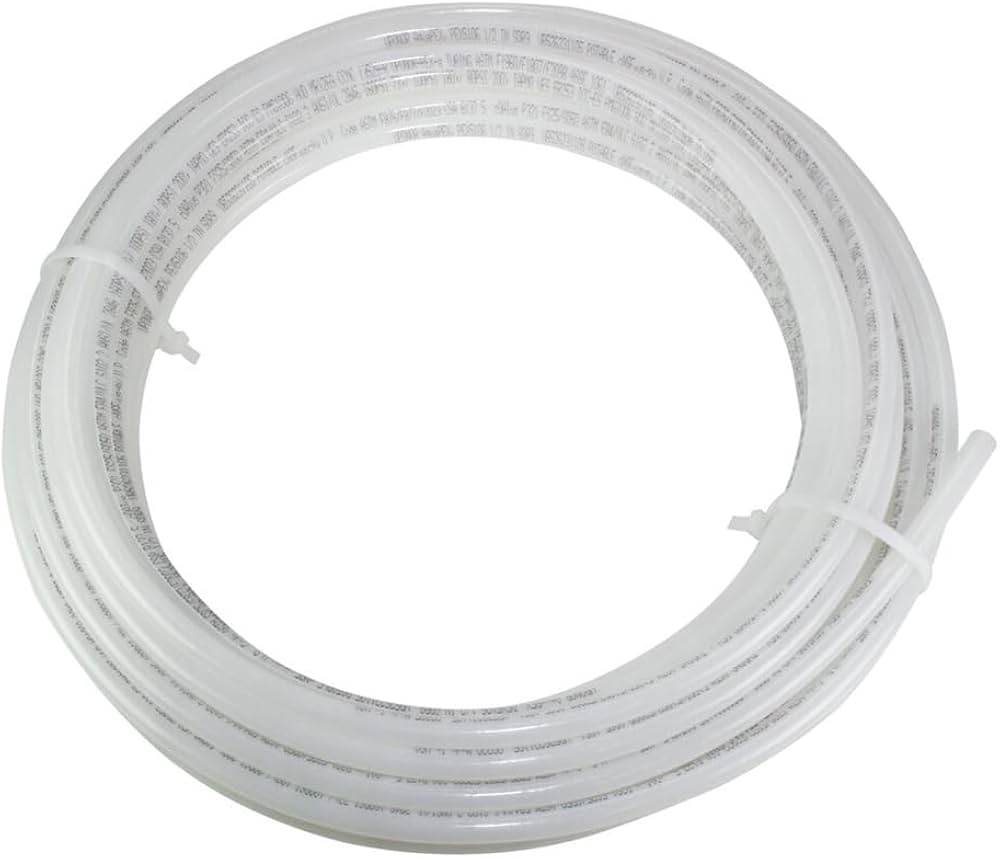
Uponor AquaPEX Review
Score: 9.2/10 — The gold standard for residential plumbing, offering unmatched durability and a leak-resistant design for long-term peace of mind.
Overview
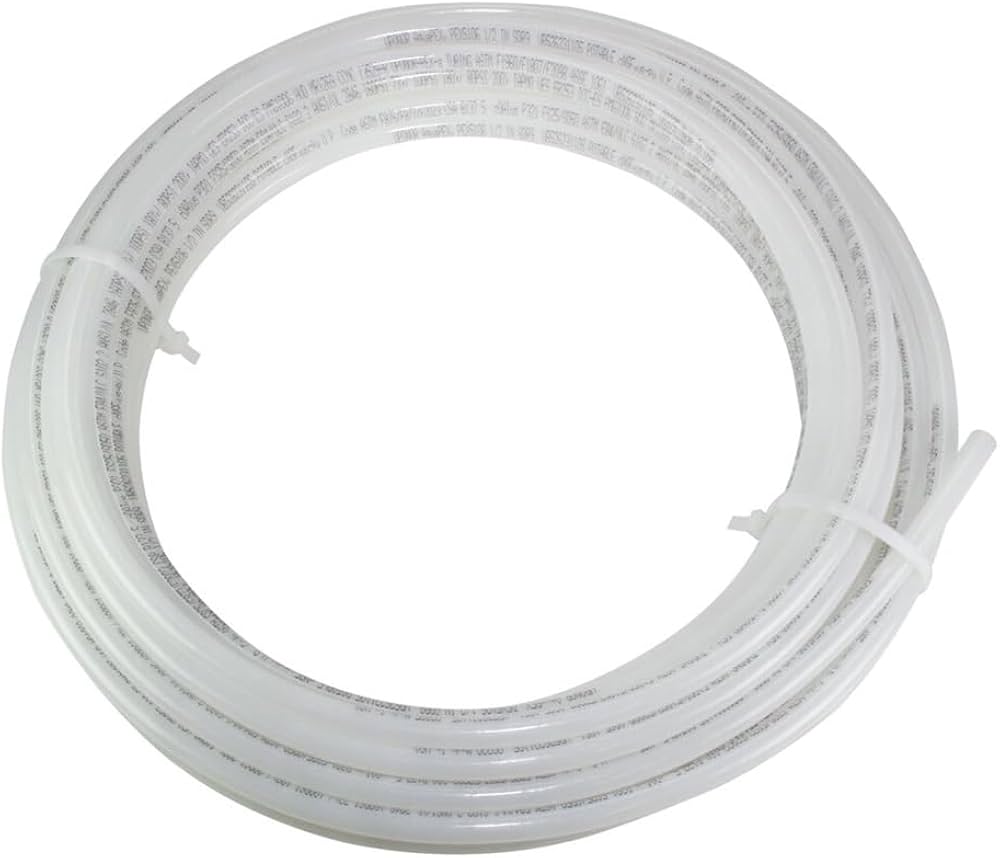
If you are searching for the best PEX piping and most reliable plumbing material for a new build or remodel, the Uponor AquaPEX (available as Uponor AquaPEX White PEX-A Tubing Coil) is a professional-grade PEX-a piping system designed to replace traditional copper and CPVC. Often paired with high-efficiency units like the A.O. Smith EES-40 water heater (a great companion for a high-efficiency PEX system), AquaPEX utilizes a unique cross-linking method that makes the tubing highly flexible and remarkably resilient to kinks and temperature extremes.
This specific model is engineered for those who prioritize longevity and reliability. Whether you are performing a full home repipe or adding a new bathroom, the AquaPEX system is designed to minimize the risk of leaks at the connection points, making it a favorite among licensed plumbers and high-end home builders. Unlike traditional rigid pipes, the Uponor AquaPEX is designed to snake through wall studs and floor joists with minimal friction, reducing the number of elbows and joints required in a run.
Related parts & accessories
Looking for professional-grade piping? Uponor AquaPEX is the industry standard for leak-resistant residential plumbing.
The core philosophy behind the Uponor AquaPEX system is the reduction of failure points. In plumbing, every joint is a potential leak site. By utilizing the flexibility of PEX-a and the unique expansion fitting system, the F1040500 allows for long, continuous runs of tubing, effectively removing dozens of potential leak points from a standard home layout. This makes it an ideal choice for luxury homes where the cost of water damage repair would be catastrophic.
Key Features
Full cross-linking provides superior flexibility and a "memory" that allows the pipe to be unkinked without compromising structural integrity.
Designed to handle high-heat potable water systems without degrading over time or losing pressure rating.
Unlike copper, it is immune to scale buildup and corrosive water chemistry, ensuring consistent flow rates for decades.
The flexible nature of the tubing allows for fewer fittings, reducing potential failure points and labor time.
The smooth internal bore prevents the buildup of minerals and sediment, keeping water pressure high.
Meets and exceeds rigorous industry standards for potable water safety and mechanical strength.
| Feature | Specification |
|---|---|
| Model Number | F1040500 |
| Material | Cross-linked Polyethylene (PEX-a) |
| Application | Potable Water Supply |
| Compatibility | Uponor ProPEX and Expansion Fittings |
| Certification | ASTM-Standard Pipes and Fittings |
| Operating Temp | Up to 200°F (Short term) |
| Pressure Rating | Varies by diameter (Standard residential ratings apply) |
Pros & Cons
Pros
- Extreme durability and resistance to freeze-bursting
- Easier to route around corners than rigid piping
- Lower risk of leaks when using the expansion system
- Long-term reliability in various water chemistries
- Material "memory" allows for kink recovery
- Reduced number of fittings required per installation
Cons
- Requires specialized expansion tools, such as the Milwaukee M12 ProPEX Expansion Tool Kit, for optimal installation
- Higher initial material cost than budget alternatives
- Piping can be more expensive than budget-grade alternatives
- Susceptible to UV damage if left exposed to sunlight
Performance
In real-world application, the Uponor AquaPEX (F1040500) excels where other pipes fail. The "memory" of the PEX-a material is its standout feature; if the pipe is accidentally kinked during installation, it can be heated and returned to its original shape without losing pressure rating. This eliminates the need to cut out and replace damaged sections, saving significant time during a build.
Pressure tests consistently show that the AquaPEX system maintains a stable seal even under the thermal expansion and contraction typical of seasonal temperature swings. For those managing water in cold-prone basements, pairing high-quality piping with a Wayne ESP25 battery backup sump pump (see our Basement Watchdog BW1033 review for alternative sump pump options) is a smart safeguard. To prevent mold and flooding in these areas, we recommend combining your plumbing upgrades with a high-capacity dehumidifier and a reliable submersible sump pump. For a broader overview, see our guide to the best submersible utility pumps.
During long-term residential use, the internal smoothness of the F1040500 prevents the "pitting" common in copper pipes, especially in areas with acidic water. This means that whereas a copper system might see a reduction in flow over 20 years due to mineral buildup, the AquaPEX maintains its diameter and flow efficiency. In head-to-head comparisons with the Apollo Half-Inch White PEX-B Flexible Water Pipe Tubing Coil, the PEX-a used in AquaPEX demonstrates a higher resistance to stress-cracking at the joints, as the material is fundamentally more flexible and less prone to brittle fractures.
How PEX-a Technology Works
To understand why the Uponor AquaPEX (F1040500) is superior, one must understand the difference between PEX-a, PEX-b, and PEX-C. Standard PEX-b is created through a process where the cross-linking is incomplete, and "peroxide" is used to bridge the gaps. This creates a stiffer pipe that is more prone to kinking and requires crimp rings to seal.
The Uponor AquaPEX uses the Engel method, a high-temperature process that achieves nearly 100% cross-linking. This results in a non-crystalline structure that is physically more flexible. For those integrating these lines with brass components, our Watts LFA-3/4 review (featuring the Watts 3/4 inch Lead-Free Brass FPT Coupling) provides critical insights on ensuring a leak-free transition, which is essential when bridging PEX-a with traditional brass fittings.
Because the molecules are fully bonded, the pipe possesses "molecular memory." If you bend a piece of F1040500 piping beyond its limit and it kinks, you can apply heat (via a heat gun or hot water) and the pipe will physically shrink back to its original diameter. PEX-b cannot do this; once a PEX-b pipe kinks, that section must be cut out and replaced.
The expansion fitting system further enhances this. Instead of squeezing a ring around the pipe (which compresses the tubing), the Uponor system expands the pipe itself. A fitting is inserted into the expanded hole, and the pipe then shrinks back down, creating a 360-degree uniform seal. This "shrink-to-fit" mechanism is significantly more reliable than the mechanical compression used in budget systems. This eliminates the risk of a crimp ring being slightly off-center or under-compressed, which is a common cause of slow-leak failures in cheaper PEX-B installations.
Comprehensive Buyer's Guide
Choosing the right piping is a decision that will affect your home for the next 50 years. When deciding if the Uponor AquaPEX (F1040500) is the right choice, consider the following factors:
Project Scope
For a small repair (e.g., replacing a single toilet supply line), the cost of the specialized expansion tool might be overkill. However, for a full-home repipe or a new construction project, the efficiency gains and leak prevention make the F1040500 the only logical choice. The reduced number of fittings means you spend less time measuring and cutting and more time routing. In a large home, the ability to run "home runs" from a central manifold to each fixture reduces the number of T-junctions hidden in walls, which is the single most effective way to prevent catastrophic water damage.
Water Chemistry
If you live in an area with "aggressive" water—meaning water with low pH or high chloride levels—copper is a liability. Copper pipes can develop pinhole leaks over time due to chemical corrosion. The AquaPEX (F1040500) is chemically inert, meaning it will not react with your water, regardless of the mineral content. To further protect your fixtures, we recommend pairing this piping with a GE GXWH40L whole house water filter for comprehensive whole-house filtration (see our GE GXWH40L buying guide for more details) or a Culligan WH-HD200-C filtration system to remove sediment before it reaches your MOEN Chateau 7430 kitchen faucets (see our Pfister Stellen guide for more budget-friendly faucet options) or Delta Essa modern bath fixtures. This synergy ensures that neither the delivery system (the pipe) nor the end-point (the faucet) is compromised by water quality.
Installation Skill Level
While PEX is generally easier to install than copper, the Uponor expansion system requires a specific tool. If you are a DIYer who does not wish to invest in professional tools, you might be tempted by SharkBite push-to-connect fittings and valves, such as the SharkBite 1/2 inch Push-to-Connect Ball Valve (see our SharkBite coupling guide for more on push-fit connections). However, for permanent in-wall installations, the expansion method used by the F1040500 is vastly superior in terms of safety and longevity. While the learning curve for the expansion tool is shallow, the precision required is higher than simply sliding a pipe into a fitting. We recommend that first-time installers practice on a few scrap pieces of F1040500 to feel the resistance of the expansion head before committing to a main trunk line.
Long-term Value vs. Upfront Cost
The Uponor system is a "premium" product. You are paying for the PEX-a material and the reliability of the expansion system. When calculating the budget, don't just look at the price per foot; look at the cost of the fittings and the potential cost of a future leak. A single leak in a kitchen ceiling can cost $5,000 in drywall and mold remediation—far more than the price difference between AquaPEX and Apollo Half-Inch White PEX-B Flexible Water Pipe Tubing Coil. When viewed as an insurance policy for your home's infrastructure, the premium cost of the F1040500 is negligible compared to the peace of mind it provides.
Installation and Setup Process
Installing the Uponor AquaPEX is a streamlined process, but it must be done precisely to ensure the lifetime seal the product is known for. Here is the professional workflow for a successful installation:
Step 1: Planning the Route
Because the F1040500 is so flexible, you can run a single line from a central manifold to a fixture without any intermediate elbows. Plan your routes to avoid sharp 90-degree bends that could potentially stress the material, although the PEX-a memory helps mitigate this risk. Use plastic support clips rather than metal hangers to prevent abrasion over time as the pipes expand and contract with heat.
Step 2: Cutting the Pipe
Use a dedicated PEX cutter to ensure a square, clean cut. A jagged cut can lead to improper seating of the expansion fitting. Ensure there are no burrs on the inside of the pipe that could restrict flow or catch debris. Avoid using hacksaws or utility knives, as these can crush the pipe walls or create uneven edges that complicate the expansion process.
Step 3: Expanding the Tubing
Using the expansion tool, expand the end of the pipe and the fitting simultaneously. It is critical to expand the pipe slightly beyond the end of the fitting to ensure the shrink-back covers the entire joint. Over-expanding is generally safer than under-expanding, as the material's memory will pull it back tightly regardless. Ensure the expansion head is fully centered in the pipe to avoid an oval shape.
Step 4: Inserting the Fitting
While the pipe is still expanded, quickly slide the fitting into place. The pipe will immediately begin to contract. Ensure the fitting is seated fully against the shoulder of the pipe. Because the material shrinks quickly, speed is essential here to avoid the pipe closing in on the fitting before it is fully seated.
Step 5: Pressure Testing
Before closing up walls, perform a pressure test. We recommend