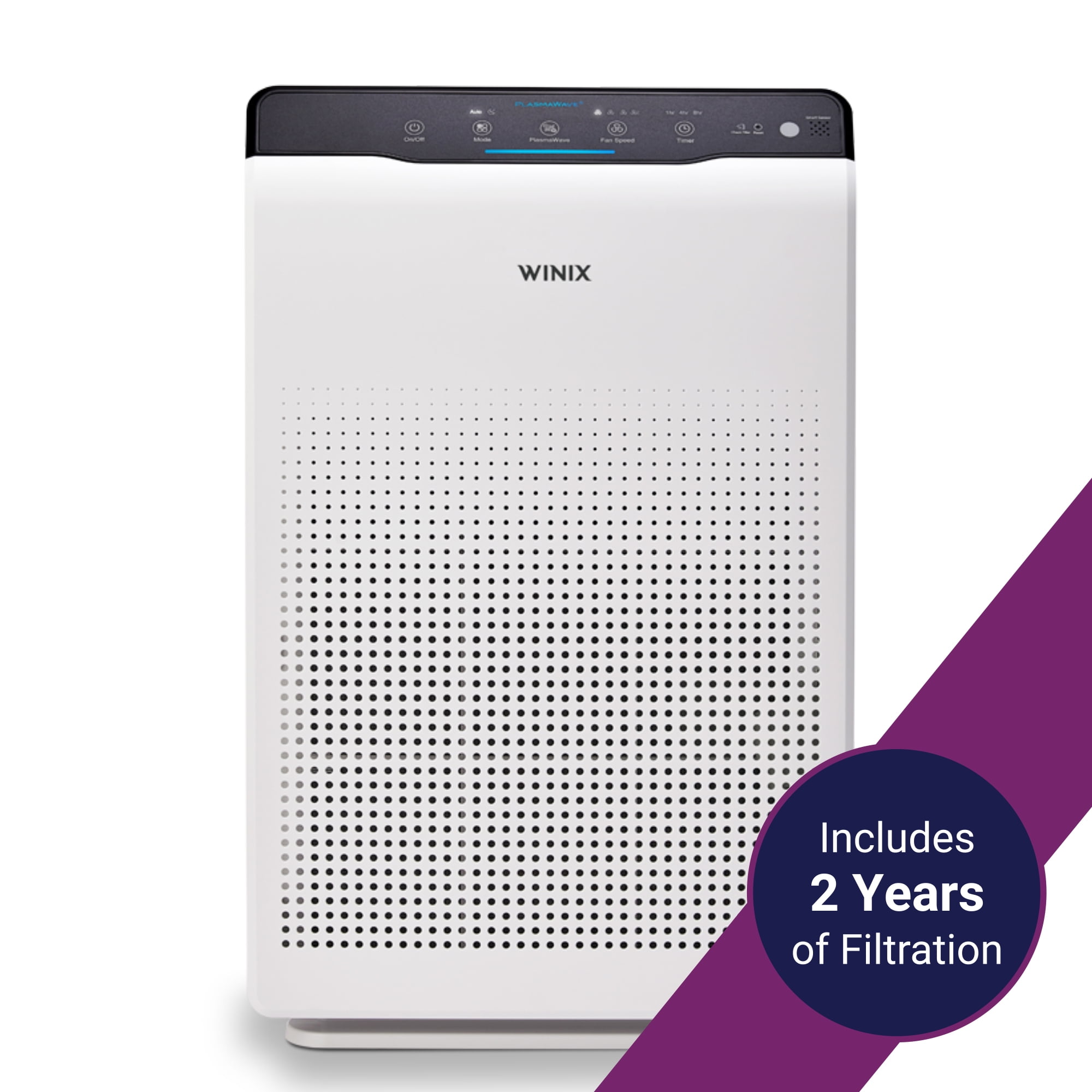
Choosing a dehumidifier is about matching capacity, drainage, and convenience features to your specific moisture problem. The Winix BF-50P is engineered for homeowners who need serious moisture removal in basements, crawl spaces, and utility rooms, offering a powerful 50-pint capacity and a versatile built-in pump for hands-off operation.
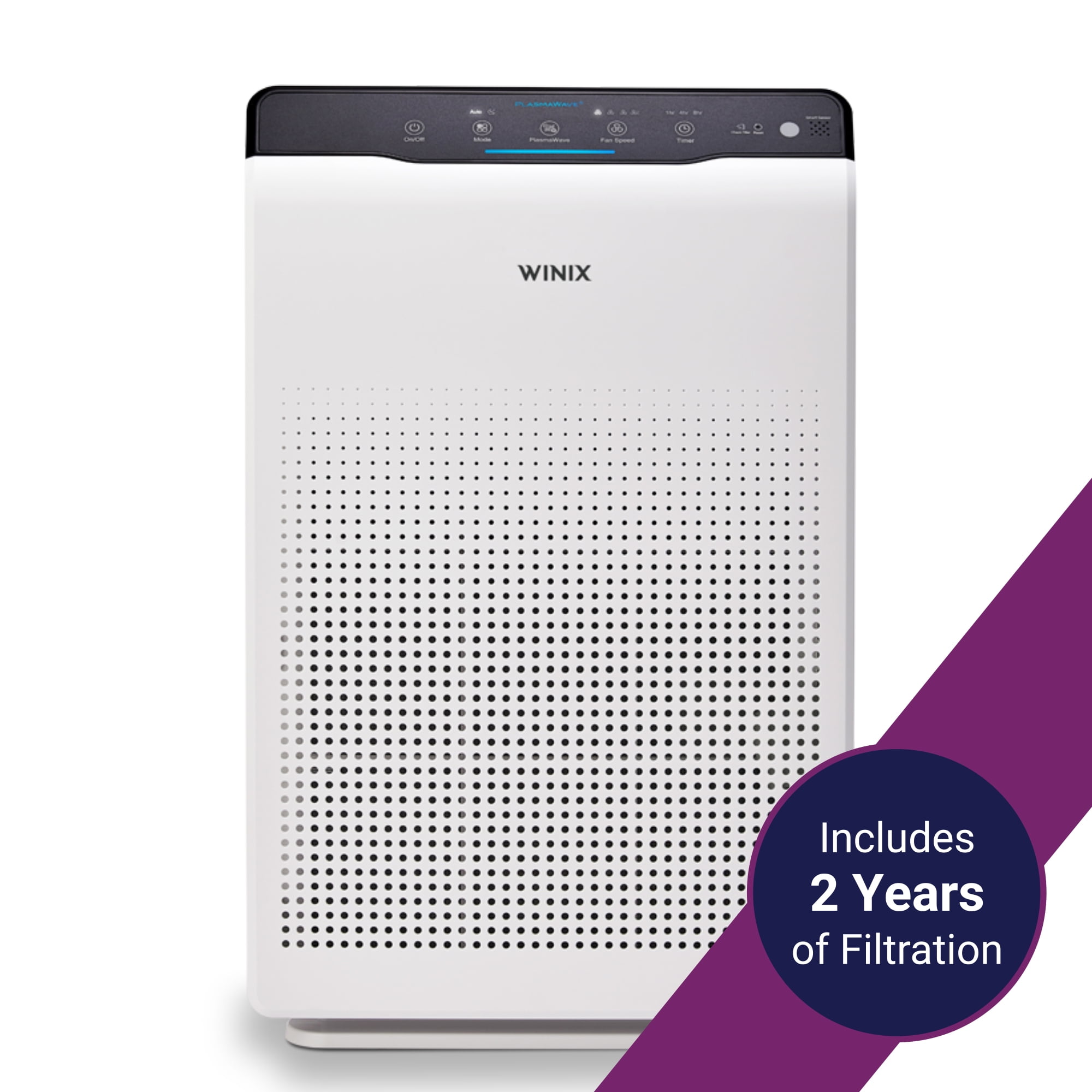
Top Pick: Winix 50-Pint Dehumidifier with Built-In Pump
Score: 9.0/10. A robust 50-pint solution for damp basements and crawl spaces, featuring exceptional vertical drainage and Energy Star efficiency.
Winix 50-Pint Dehumidifier with Built-In Pump
The Winix 50-Pint Dehumidifier with Built-In Pump (model BF-50P) is a heavy-duty moisture management system designed for areas where damp air is a recurring struggle. While small portable units work for a single bedroom, the BF-50P is built for the "problem areas" of a home: basements, crawl spaces, laundry rooms, and large storage areas. Its 50-pint capacity allows it to pull significant volumes of water from the air daily, making it an essential tool for preventing musty smells, peeling paint, and the growth of mold and mildew. (For comprehensive air exchange, see our Panasonic WhisperGreen guide for basement ventilation.) For those managing extreme dampness, see our Basement Watchdog BW1033 guide for complementary water management. For those dealing with active flooding, pairing a dehumidifier with a high-capacity sump pump (refer to our guide on the best submersible pumps for fast draining) (see our detailed review) or a battery backup system is often necessary for complete protection.
The defining characteristic of this model is the integrated pump. Traditional dehumidifiers rely on a collection bucket that must be emptied manually or a gravity drain that requires the unit to be physically higher than the exit point. This creates a logistical nightmare in basements where the only exit is a window or a sink. The BF-50P eliminates this restriction by utilizing an internal pump capable of pushing water vertically up to 16.4 feet. This allows users to place the unit on the floor and pump the collected water up into a sink, through a window, or into a higher utility drain (for larger standing water issues, check out the best submersible utility pumps), transforming a high-maintenance chore into a set-it-and-forget-it system.
Beyond drainage, the BF-50P focuses on long-term usability and efficiency. It is Energy Star certified, meaning it provides high-volume dehumidification without causing a massive spike in monthly electricity bills. For those operating the unit in cooler environments—such as an unfinished basement in autumn—the auto-defrost feature prevents ice buildup on the evaporator coils, ensuring the machine continues to operate efficiently even when temperatures dip. The addition of a 24-hour programmable timer allows users to schedule operation during peak humidity hours or off-peak energy windows.
This model is best for homeowners who prioritize automation and reliability. If you are tired of the "bucket shuffle" or lack a floor drain in your basement, the BF-50P is a strategic upgrade. While it may be overkill for a small, moderately humid office, its performance in high-moisture environments makes it a top contender for comprehensive home moisture management.
Pros
- 50-pint capacity handles large, persistent humidity problems with ease.
- Built-in pump moves water up to 16.4 feet vertically for flexible installation.
- Energy Star certification reduces operational costs.
- Washable air filter eliminates the need for expensive replacements.
- Auto-defrost ensures functionality in cooler basement temperatures.
- 24-hour programmable timer for precise scheduling.
Cons
- Higher capacity than necessary for small rooms with mild dampness.
- Pump drainage requires careful hose routing to avoid kinks.
- Physical footprint and noise level are more noticeable than compact units.
- Maximum value is only realized if you actually utilize the pump feature.
Understanding Dehumidification: How the BF-50P Works
To understand why the Winix BF-50P is effective, it helps to understand the science of refrigerant-based dehumidification. The process begins with a fan that draws moist room air over a series of cold evaporator coils. As the warm, humid air hits these cold coils, the water vapor reaches its "dew point" and condenses into liquid water droplets—similar to how condensation forms on the outside of a cold glass of water on a summer day.
In a standard dehumidifier, this water drips into a bucket. Once the bucket is full, a float switch triggers the machine to shut off until it is emptied. This is where the BF-50P changes the game. Once the condensed water collects in the internal reservoir, the built-in pump activates. Using a small but powerful impeller, the pump forces the water through a narrow plastic hose, overcoming gravity to push the liquid upward and outward. This allows for a continuous cycle: moisture is removed from the air, pumped out of the house, and the machine continues running without human intervention.
The "50-pint" rating refers to the amount of water the unit can remove from the air in 24 hours under standard laboratory conditions (typically 60°F and 60% relative humidity). In real-world scenarios, particularly in very damp crawl spaces, the actual output may vary, but the 50-pint capacity ensures that the unit can handle significant loads without running constantly at maximum strain, which extends the lifespan of the compressor.
Pro Tip: For those in high-humidity coastal regions, remember that 50 pints is a significant amount of water. If the pump fails or the hose clogs, the unit will revert to bucket mode and shut off once full. Always check your pump hose every few weeks for sediment buildup. If you're fighting hard water issues throughout the home, a whole-house water filter can help reduce mineral accumulation in your appliances.
Detailed Buyer's Guide: Choosing the Right Capacity and Drainage
Selecting a dehumidifier is not a one-size-fits-all decision. The "best" unit depends on the cubic footage of your space and the severity of the moisture. Here is a breakdown of the critical factors to consider when deciding if the Winix BF-50P is the right match for your home.
1. Capacity and Room Size
Capacity is generally measured in pints per day. For most homeowners, a 50-pint unit is the "sweet spot" for large open areas. If you are dealing with a basement between 2,000 and 4,500 square feet with high humidity, a 50-pint model is recommended. If you only have a small bathroom or a walk-in closet, a 20- or 30-pint unit would be more energy-efficient and quieter. For a comparison of high-capacity options, check out our GE ADEL50LZ review or the GE ADEL50LZ buying guide or the Keystone 50-Pint Dehumidifier. (If you're weighing this against other brands, see our GE ADEL50LZ review or GE 50-Pint Dehumidifier for a different 50-pint perspective.) However, using a larger unit like the BF-50P or an LG PuriCare Smart Wi-Fi Dehumidifier in a medium-sized room means the target humidity level is reached faster, allowing the machine to cycle off more frequently.
Consider the "relative humidity" of your space. If your basement feels "clammy" but doesn't smell, a mid-range unit is fine. If you see water beads on the walls or have a lingering mildew scent, you need the maximum capacity provided by the BF-50P to actively drive the humidity down to a healthy 30-50% range.
2. Gravity Drain vs. Pumped Drain
This is the most important distinction when shopping. Most dehumidifiers offer a "continuous drain" option via a garden hose. However, gravity drains only work if the dehumidifier is placed above the drain. In a basement, this means the unit must be on a shelf or a pedestal, and the hose must slope downward the entire way. This is often impractical in finished basements where aesthetic placement is key.
The built-in pump in the Winix BF-50P removes this requirement. If you have a sink on a counter or a window three feet above the floor, the pump does the work for you. If you have a floor drain directly next to where the unit will sit, a pump is less critical, but it still provides a safety net if you ever decide to move the unit to a different part of the room or into a different level of the home.
3. The Importance of Auto-Defrost
Standard dehumidifiers can struggle in temperatures below 60°F. As the evaporator coils get cold to condense water, they can actually freeze over, creating a layer of ice that blocks airflow and stops the dehumidification process. This effectively turns your expensive machine into a loud fan that doesn't remove any water.
The BF-50P's auto-defrost feature monitors the coil temperature and periodically clears the ice, making it viable for year-round use in northern climates where basements remain chilly even in the spring and fall. If you plan to run your unit in a garage or a semi-exposed crawl space, auto-defrost is a non-negotiable feature.
4. Energy Efficiency and Certification
Because dehumidifiers often run for 12 to 24 hours a day during humid months, electricity costs add up. Energy Star certification indicates that the unit meets strict efficiency guidelines set by the EPA. This means the BF-50P removes more moisture per watt of electricity used compared to non-certified models, which can result in significant savings over a five-year ownership period. When calculating the cost of ownership, the energy efficiency of the compressor is just as important as the initial purchase price.
Installation and Setup Guide for the Winix BF-50P
Setting up the Winix BF-50P is straightforward, but a few strategic choices during installation can maximize its efficiency and prevent leaks.
Positioning the Unit
For maximum airflow, place the dehumidifier in a central location within the room. Avoid pushing it directly against a wall; leave at least 12 to 18 inches of clearance around the intake and exhaust vents. This ensures the machine can pull in moist air from all sides and push the dry air back into the room without creating "dead zones" of stagnant humidity. If you are dehumidifying a large basement, positioning the unit near the center of the floor allows the dry air to circulate more evenly via natural convection. For those battling severe groundwater, we recommend reading our Ridgid SP-650C Sump Pump buying guide or checking out our Basement Watchdog BW1033 review for more options.
Setting Up the Pump Hose
The BF-50P comes with a discharge hose. When routing this hose to a sink or window, ensure there are no sharp kinks or tight bends. A kinked hose can cause the pump to overwork or lead to a backup that triggers the "bucket full" shut-off sensor even when the reservoir is empty. If you are pumping water up to a high point, ensure the hose is securely fastened at the exit point so it doesn't slip out under pressure. Using a small zip-tie or a hose clamp at the entry point of the machine can prevent accidental disconnections.
Programming the Timer
Use the 24-hour programmable timer to align the machine's operation with your home's needs. For example, if you run a dryer in the basement, schedule the BF-50P to run during the laundry cycle to capture the immediate burst of moisture. Alternatively, if you have a time-of-use electricity plan, program the unit to run during off-peak hours to lower your utility bill. Consistency is key; rather than running the unit at maximum speed for three hours, it is often more efficient to run it on a low, consistent cycle throughout the day.
Maintenance and Long-Term Care
To keep the Winix BF-50P running at peak performance, a small amount of regular maintenance is required. Neglecting these steps can lead to reduced airflow, increased energy consumption, and a shorter machine lifespan.
Cleaning the Washable Filter
Dust, pet hair, and lint are sucked into the machine along with the humid air. Over time, these particles clog the filter, forcing the fan to work harder and reducing the amount of moisture removed. The BF-50P features a washable filter (for those interested in high-efficiency filtration, see our Filtrete MERV-12 review). Every 2 to 4 weeks, remove the filter and rinse it with lukewarm water and a mild detergent. Ensure the filter is completely dry before reinstalling it; putting a wet filter back into the machine can lead to mold growth inside the chassis and a distinct "sour" smell in the air being exhausted.
Managing the Reservoir
Even if you use the pump, it is a good idea to occasionally clean the internal water reservoir. Slime or mineral buildup (scale) can accumulate over time, especially in areas with "hard" water. A mixture of water and white vinegar is effective for scrubbing the interior of the tank to prevent odors and ensure the float switch operates correctly. If the float switch becomes stuck due to mineral buildup, the unit may overfill or shut off prematurely.
Checking the Pump Performance
Once a season, test the pump by manually filling the reservoir to the trigger point. Ensure that the water is flowing freely through the hose and that the pump is not making an unusually loud grinding noise. If the pump seems sluggish, check the hose for obstructions or sediment buildup. A quick flush of the hose with a mixture of distilled vinegar and water can help clear any biological growth that may be restricting flow.
Warning: Never operate the unit without the filter installed. Doing so allows dust to enter the cooling coils, which can lead to permanent efficiency loss and may void your warranty.
Common Pitfalls and Troubleshooting
Even high-quality units like the Winix BF-50P can encounter issues if installed or used incorrectly. Here are the most common problems users face and how to solve them.
Problem: The unit is running but the humidity isn't dropping
This is usually caused by one of three things: a dirty filter, an open window, or the room being too large for the unit. First, check the filter; a clogged filter restricts airflow, meaning the coils can't "catch" enough moisture. Second, check for "air leaks." If a basement window is cracked or a door to a humid crawl space is open, the dehumidifier is essentially trying to dehumidify the outdoors. Finally, ensure you aren't trying to cover 5,000 square feet with a single 50-pint unit; in extremely large spaces, you may need a secondary unit to create a "cross-flow" of dry air. For comprehensive wet-basement strategies, see our Ridgid SP-650C review.
Problem: The pump is running but no water is exiting the hose
This is almost always a "kink" issue. Because the pump hose is narrow, even a slight bend can create enough back-pressure to stop the flow of water. Inspect the entire length of the hose. If the hose is routing through a tight corner or being pinched by a piece of furniture, the water will simply stay in the tank. Another possibility is an "air lock" in the pump; occasionally, tilting the unit slightly (while off) can help reset the pump's prime.
Problem: The unit is making a loud rattling noise
Most rattling is caused by the unit not being level. Dehumidifiers have heavy compressors that vibrate.