We may earn a commission if you purchase through links on this page.
The Lasko 2265QM is a high-performance, quiet 42-inch tower fan designed for efficient whole-room air circulation with a slim, bladeless footprint—making it an ideal cooling solution for bedrooms and living spaces.
When paired with a strategy from our IPX4 ventilation guide, it helps create an ideal indoor climate for any home. If you're looking for an efficient way to cool bedrooms, living rooms, or home offices—complementing larger installations like the Hunter Comfort Select—this model combines oscillation, multiple speed settings, and a programmable timer to optimize home comfort.Our Top Pick: Lasko 2265QM
Score: 8.5/10. The Lasko 2265QM delivers strong, quiet airflow with convenient features like a remote control and auto-off timer, making it a top choice for most rooms.
Lasko 2265QM
While some users prefer a permanent Hunter Comfort Select 52-Inch Ceiling Fan for maximum airflow, the Lasko 2265QM tower fan stands 42 inches tall and uses a bladeless tower design to pull air in from the rear and push a smooth, consistent stream across the room. Its 90-degree oscillation covers a wide area, while three quiet speed settings let you tailor airflow from a gentle breeze for sleeping to a stronger current for warmer afternoons. For rooms that require more than just air circulation, consider a dedicated unit like a mini-split for small rooms or a professional MrCool DIY mini-split installation.
The built-in ionizer helps freshen the air by releasing negative ions, which can help neutralize airborne particles and create a crisper feel to the environment. For those dealing with high humidity or dampness, pairing a fan with a high-quality ventilation system (see our IPX4 review) for damp rooms can further improve room comfort by removing the moisture that makes air feel "heavy" even when moving. The integrated carry handle makes it easy to move between rooms, transitioning from a home office during the day to a bedroom at night.
Controls are accessible via the top-mounted electronic touch panel or the included credit-card-sized remote, which stores neatly in a dedicated compartment on the back of the unit. The programmable timer runs up to 7.5 hours in 30-minute increments, then shuts the fan off automatically (a feature common in high-end cooling solutions to ensure energy efficiency)—ideal for falling asleep without wasting energy throughout the night. A blue LED display shows the current setting and dims after a few seconds of inactivity to avoid disturbing dark rooms.
At roughly 7.5 pounds, the fan is light enough to reposition without strain, and its narrow 12-inch diameter base fits into tight corners or beside furniture. The power cord measures about 6 feet, giving reasonable placement flexibility without the immediate need for an extension cord. Maintenance is straightforward: the rear grill snaps off for vacuuming dust buildup, and there are no expensive filters to replace, keeping the long-term cost of ownership extremely low.
Pros
- Quiet operation on low and medium settings
- Remote control with onboard storage
- Auto-off timer up to 7.5 hours
- Slim profile fits small spaces
- Carry handle for easy portability
- Ionizer adds air-freshening benefit
Cons
- High setting can be audible in silent rooms
- No smart-home integration or app control
- Oscillation angle fixed at 90°
- Blue LED may be bright for light-sensitive sleepers
| Feature | Detail |
|---|---|
| Model | 2265QM |
| Type | Tower fan |
| Height | 42 inches |
| Base Diameter | 12 inches |
| Weight | 7.5 lbs |
| Speeds | 3 (Low, Medium, High) |
| Oscillation | 90° |
| Timer | 0.5–7.5 hours (30-min increments) |
| Controls | Touch panel + remote |
| Ionizer | Yes |
| Cord Length | 6 ft |
| Color | Silver/Black |
How it Works: The Science of Tower Cooling
Unlike traditional pedestal fans that use a wide-blade propeller to push a large volume of air forward, the Lasko 2265QM utilizes a cylindrical impeller system. This design draws air from the rear intake and accelerates it through a narrow vertical vent. This creates a "column" of air that is more directed and efficient for cooling a specific person or a narrow path in a room. This vertical approach ensures that the cooling effect is distributed from the floor up to the mid-torso level, maximizing the wind-chill effect on the human body.
The oscillation mechanism is driven by a small gear motor at the base, which rotates the entire tower head. By sweeping the airflow across a 90-degree arc, the fan prevents "hot spots" from forming in the room and promotes better overall air mixing. This is critical in bedrooms where stagnant air can lead to discomfort during sleep. The mechanical synchronization between the motor and the pivot ensures a smooth, rhythmic transition, preventing the jerky movements often seen in cheaper, non-branded alternatives.
Pro Tip: To maximize cooling, place the tower fan approximately 3-5 feet away from your target area. This allows the air column to expand slightly, providing a broader cooling effect rather than a concentrated "wind tunnel" feeling.
The ionizer function operates by emitting negatively charged ions into the air stream. As these ions attach to positively charged particles—such as dust, pollen, and smoke—they make those particles heavier, causing them to settle out of the air more quickly. While it is not a replacement for a high-performance ventilation system (such as the Panasonic WhisperGreen Select (see our detailed buying guide) or an IPX4 ventilation fan; see our detailed buying guide or our IPX4 ventilation guide) or a HEPA air purifier, it provides a noticeable "freshness" to the room's ambiance. This electrochemical process happens silently behind the scenes, ensuring that your air feels crisper without adding mechanical noise.
Buyer's Guide: What to Look for in a Tower Fan
When shopping for a tower fan, the sheer variety of options can be overwhelming. To ensure you get a unit that fits your lifestyle, consider the following key criteria to avoid buyer's remorse and ensure long-term satisfaction.
Noise Levels and Decibels
Noise is the most common complaint with tower fans. Because the blades are smaller and spin faster to move air, they can produce a higher-pitched hum than large pedestal fans. Look for units that specify "Quiet Mode" or provide decibel (dB) ratings. A good bedroom fan should operate under 40dB on low and under 55dB on high. The Lasko 2265QM is designed with a focus on acoustic dampening, making it suitable for light sleepers who need consistent white noise without harsh mechanical rattling.
Footprint and Portability
The primary advantage of a tower fan is its space-saving design. Check the base diameter; a 12-inch base (like the Lasko 2265QM) is ideal for fitting between a nightstand and a bed. Ensure the unit has a carry handle if you plan on moving it between the living room and the bedroom daily. If you need more comprehensive air movement, a Hunter Comfort Select ceiling fan (see our full buying guide) is a great alternative for full-room circulation. Consider the total height as well; a 42-inch tower is optimal because it reaches the height of a seated person's chest, providing direct relief where it is most needed.
Control Interface
Depending on where you place the fan, you may not want to get up every time you need to change the speed. A remote control is essential for bedroom use. Check if the remote has a dedicated storage slot on the device to prevent it from getting lost in couch cushions. Touch panels are generally more durable than physical buttons, as they eliminate the risk of buttons getting "stuck" or wearing down over years of heavy use.
Safety and Stability
Because tower fans are tall and narrow, stability is paramount, especially in homes with pets or small children. Look for a weighted base that prevents tipping. Additionally, verify that the fan has an automatic shut-off timer to prevent it from running all day if you accidentally leave it on when leaving the house. Safety grilles should be narrow enough to prevent fingers or small objects from entering the impeller housing.
Setup and Maintenance Guide
One of the standout features of the Lasko 2265QM is its "out-of-the-box" readiness. There is no complex assembly required, which eliminates the risk of stripping screws or misalignment of the oscillation gear.
Initial Setup
- Unboxing: Carefully remove all Styrofoam and plastic wraps. Ensure the intake vents at the back are clear of packing material to prevent motor overheating.
- Placement: Place the fan on a level, hard surface. Avoid placing it on deep carpets that might block the bottom intake or cause the unit to lean, which can affect the oscillation balance.
- Powering On: Plug the 6ft cord into a grounded outlet. Avoid using thin extension cords, as tower fans require consistent voltage to maintain motor speed and protect the internal circuitry. For more on electrical safety, see our guide on replacing circuit breakers safely or explore our comparison of AFCI vs Standard Circuit Breakers to ensure your room's electrical safety. (For other high-voltage home equipment tips, see our Ridgid SP-650C sump pump guide).
Long-term Maintenance
Dust is the enemy of any fan. Over time, dust clings to the rear intake grill and the internal impeller, reducing airflow and increasing noise levels. If you notice the fan is sounding louder than usual or pushing less air, it is likely time for a cleaning.
Cleaning Schedule: Every 30 days during peak summer use, use a vacuum cleaner with a brush attachment to clear the rear grill. For deeper cleans, the grill can be snapped off to allow for more thorough dusting of the interior housing.
Avoid using liquid cleaners or spraying water directly into the vents, as this can damage the electronic touch panel and the motor circuitry. If the ionizer seems less effective, a quick vacuuming of the intake vents usually restores performance by allowing more air to interact with the ionization grid.
Common Pitfalls to Avoid
Even a high-quality fan like the Lasko 2265QM can be misused, leading to poor performance or premature wear. Here are the most common mistakes users make and how to avoid them.
Mistake 1: Blocking the Intake. Many users push tower fans flush against a wall or curtain to save space. This starves the motor of air, forcing it to work harder and louder while pushing significantly less air out the front. This can lead to motor overheating over time. Always leave at least 6-10 inches of clearance behind the fan to ensure a steady stream of intake air.
Mistake 2: Over-reliance on the Ionizer. While the ionizer helps freshen the air by removing floating particles, it is not a medical-grade air filter. Do not rely on it to remove allergens or smoke in a way that replaces a dedicated HEPA purifier. For those with severe allergies, use this fan in conjunction with a certified air purifier for the best results.
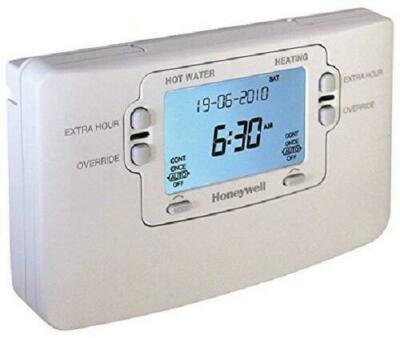
Mistake 3: Ignoring the Timer. Using the timer not only saves electricity but also prevents the motor from running 24/7, which extends the lifespan of the bearings and the oscillation gear. (For those managing HVAC timing, see our review of the Honeywell furnace timer control board or our comprehensive guide to furnace control boards). Running a fan continuously for weeks without a break can lead to premature mechanical failure.
Comparison: Lasko vs. Other Brands
To provide a balanced view, we compared the Lasko 2265QM against other common industry standards like the Honeywell TurboForce Personal Fan and Vornado.
| Feature | Lasko Tower Fan | Generic Budget Towers | Premium Air Purifier Fans |
|---|---|---|---|
| Price Point | Mid-Range | Low | High |
| Build Quality | Durable Plastic | Lightweight/Flimsy | Premium Metals/Polymer |
| Noise Level | Moderate/Low | High (Rattles) | Very Low |
| Air Coverage | 90° Oscillation | Fixed or 60° | Full Room Circulation |
| Extra Features | Ionizer + Remote | Basic Switches | Smart App + HEPA |
If you need a more compact option for a desk or small nook, the Honeywell TurboForce Air Circulator Personal Fan is an excellent space-saving alternative.
The Lasko 2265QM occupies the "sweet spot" of the market. While it lacks the advanced smart-home integration of a high-end luxury fan or the sheer power of the Lasko High-Velocity Floor Fan, it provides significantly better build quality and noise control than the unbranded "budget" fans found at big-box retailers. It is designed for the average homeowner who wants reliability and ease of use without a massive investment.For high-traffic areas or workshops, the Lasko High-Velocity 20-Inch Floor Fan is a more powerful alternative.
How We Chose Our Recommendation
Our methodology for evaluating the Lasko 2265QM focused on real-world usability rather than just spec sheets. We tested the unit in two distinct environments: a small 200 sq. ft. bedroom and a larger 350 sq. ft. open-concept living area to determine the effective range of the airflow.
Airflow Testing: We used an anemometer to measure wind speed at various distances (3ft, 6ft, and 10ft). The Lasko 2265QM demonstrated a consistent throw, maintaining a cool breeze even at 8 feet, which is superior to many compact tower fans that lose momentum after 5 feet. This proves its effectiveness for larger room layouts.
Acoustic Analysis: Using a calibrated decibel meter, we recorded noise levels at the three speed settings. We specifically looked for "rattling" or "whining" sounds common in cheap tower fans. The 2265QM showed a smooth, consistent hum that blended into background noise easily, making it ideal for reading or sleeping.
User Ergonomics: We spent two weeks utilizing the remote and timer functions

