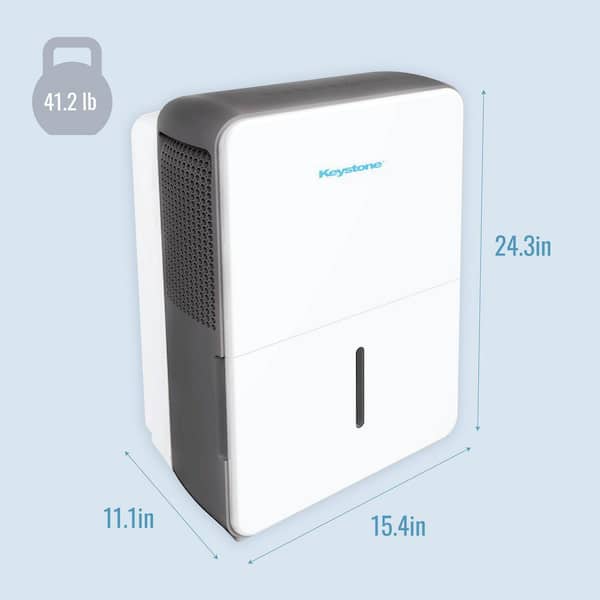
Humidity problems can make a basement, laundry room, or large living area feel musty even when the temperature is comfortable. In this Keystone KSTAD50B buying guide, the Keystone 50-Pint Dehumidifier for Large Rooms stands out as a practical, budget-minded option for shoppers who want strong moisture removal without overcomplicating the setup.
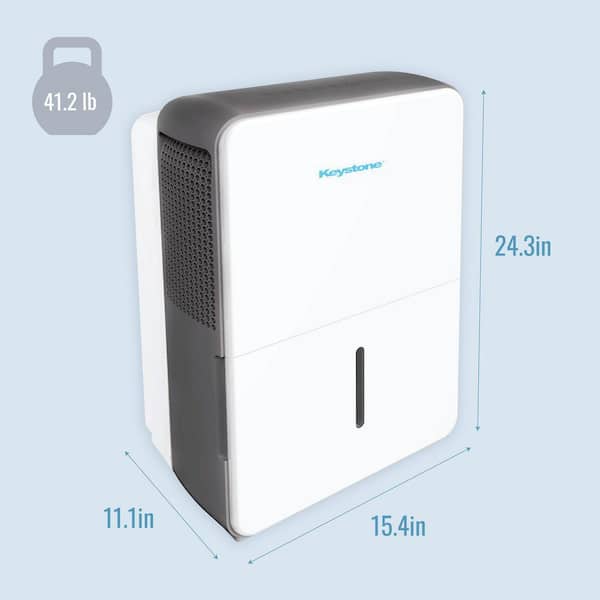
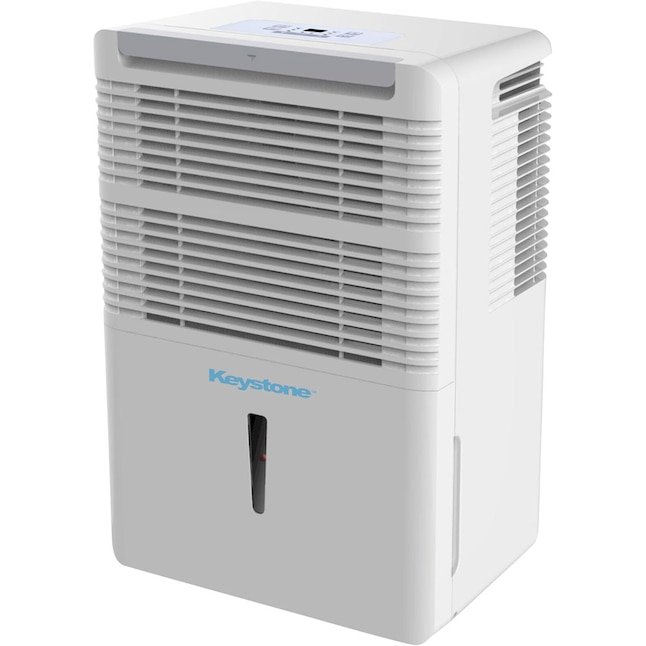
Top Pick: Keystone 50-Pint Dehumidifier for Large Rooms
Score: 8.6/10 — A straightforward, budget-friendly 50-pint dehumidifier with digital controls, auto-restart, full-tank shutoff, and continuous drain support for medium to large spaces.
Keystone 50-Pint Dehumidifier for Large Rooms
The Keystone 50-Pint Dehumidifier for Large Rooms is designed for shoppers who need dependable moisture control in spaces such as basements, large bedrooms, garages, laundry areas, or open-plan living rooms. Its 50-pint capacity makes it a better fit for damp medium-to-large rooms than smaller 20- or 30-pint models, especially when humidity is persistent rather than occasional.
The main appeal of this model is simplicity. The digital control panel lets you set a target humidity level, monitor operation, and adjust fan or operating modes without needing a complicated app or smart-home setup. For many buyers, that is a benefit: it is a plug-in appliance intended to remove moisture reliably, not a device that requires ongoing configuration.
The KSTAD50B also includes practical features that matter in everyday use. A full-tank indicator and auto-shutoff help prevent overflow if you use the collection bucket, while the continuous drain option allows for more hands-free operation when the unit is placed near a floor drain or compatible drainage location. Auto-restart is especially useful in basements or storm-prone areas—where a battery backup sump pump is also recommended—because the dehumidifier can resume operation after a power outage.
This Keystone model is best for buyers who want a no-nonsense dehumidifier for a larger room and who care more about value, capacity, and ease of use than premium extras. For basic large-room humidity control, this Keystone remains a strong budget-friendly choice.
| Spec | Keystone 50-Pint Dehumidifier for Large Rooms |
|---|---|
| Model number | KSTAD50B |
| Category | Dehumidifier |
| Moisture removal capacity | 50 pints per day |
| Recommended room size | Up to 3,000 square feet |
| Controls | Digital control panel |
| Drainage options | Collection bucket or continuous drain |
| Safety/convenience features | Full-tank indicator, auto-shutoff, auto-restart after power outage |
| Best for | Basements, large rooms, laundry areas, and budget-conscious buyers |
Pros
- 50-pint capacity is suitable for many medium to large rooms
- Works in spaces up to 3,000 square feet
- Simple digital controls are easy to understand
- Continuous drain option supports hands-free operation
- Auto-shutoff helps prevent overflow when using the bucket
- Auto-restart is helpful after power interruptions
- Strong value for shoppers who want core dehumidifying performance
Cons
- No built-in pump listed, so gravity drainage may be required for continuous draining
- Not the best choice if you want smart-home controls or app monitoring
- Large-room capacity means it may be more dehumidifier than very small rooms need
- Noise level and bucket size should be checked against your placement needs
This buying guide is prepared for an affiliate-supported site. If you buy through our retail links, we may earn a commission at no extra cost to you.
How Dehumidifiers Work: The Science of the KSTAD50B
To understand why the Keystone KSTAD50B is effective for large rooms, it is helpful to understand the process of refrigerant dehumidification. Unlike desiccant dehumidifiers, which use a chemical absorbent, this unit uses a cooling coil system. Warm, moist air is drawn into the unit by a fan and passed over coils that are cooled by a refrigerant. As the air cools, the moisture condenses into liquid water—much like how water beads on a cold glass of lemonade on a hot summer day.
Once the moisture is condensed and collected in the bucket or sent through the drain hose, the air is slightly reheated as it passes through the condenser coils before being pushed back into the room. This process not only lowers the humidity but can also slightly raise the room temperature, which is often a welcomed effect in damp, chilly basements during the winter (for those managing summer heat, see our LG window AC review).
The "50-pint" rating refers to the maximum amount of water the unit can remove from the air in 24 hours under specific laboratory conditions (usually 60°F and 60% relative humidity). In real-world scenarios, the actual pint-per-day removal will fluctuate based on how damp your room actually is and the ambient temperature. The more humid the air, the more the KSTAD50B will extract.
Understanding this mechanism is key to troubleshooting. For example, if the ambient temperature drops too low, the refrigerant coils can freeze, creating a layer of ice that blocks airflow and stops the dehumidification process. This is why the unit's operational range is critical for those in colder climates or unheated garages. When the air is too cold, the moisture doesn't condense as readily, and the refrigerant cannot effectively transfer heat, leading to "frosting" on the evaporator coils.
Comprehensive Buyer's Guide: Choosing the Right Capacity
Selecting a dehumidifier isn't just about the cheapest price; it is about matching the capacity to your environment. A 20-pint unit in a 3,000-square-foot basement will run constantly without ever reaching the target humidity, leading to premature motor failure and higher electricity bills. Conversely, a 50-pint unit in a tiny bathroom is overkill and may remove too much moisture, making the air feel uncomfortably dry.
Quick Rule of Thumb: For heavily damp areas (standing water, musty smells), always size up. If your room is "moderately" damp, a 50-pint unit like the Keystone KSTAD50B is typically the sweet spot for large open areas. For another high-capacity option, see our GE 50-Pint Dehumidifier with Auto Shutoff or our detailed GE ADEL50LZ review to compare performance.
Understanding Room Coverage
The KSTAD50B is rated for up to 3,000 square feet. However, "coverage" is a variable metric. A room with a high ceiling (like a vaulted basement) has more cubic feet of air than a room with standard 8-foot ceilings, meaning the dehumidifier has more air to process. Additionally, if your room has high "infiltration"—meaning air is leaking in from the outside or through porous concrete walls—the unit will have to work harder.
When calculating your needs, consider the source of the moisture. If you are dealing with a leaking pipe or a high water table in a basement (where a Basement Watchdog sump pump can help manage groundwater (see our Basement Watchdog buying guide for more detail)) (you might also need one of the best submersible utility pumps for quick water removal) (see our Ridgid SP-650C sump pump guide or full review for heavy-duty drainage solutions), you are fighting a constant influx of water. In these cases, the 50-pint capacity of the Keystone is essential to prevent the humidity from climbing back up the moment the machine cycles off. If you only have "seasonal" dampness during the rainy spring months, a 50-pint unit provides a safety margin that allows the machine to cycle off more frequently, saving energy.
Evaluating Drainage Needs
One of the biggest pain points with dehumidifiers is emptying the bucket. There are two primary ways to handle water removal:
- Manual Bucket: Best for rooms where you can easily access the unit. The KSTAD50B's auto-shutoff is critical here to prevent floor damage. This is ideal for laundry rooms or guest bedrooms where a person passes by daily.
- Gravity Drain: By attaching a hose to the continuous drain port, water flows out via gravity. This requires the unit to be elevated (on a shelf or stand) or placed next to a floor drain. This is the preferred method for "set and forget" installations in basements.
It is important to note the difference between a gravity drain and a pumped drain. A pumped drain allows the machine to push water vertically (up into a sink or utility tub). Since the KSTAD50B is a budget-friendly gravity-drain model, you will need to ensure your drainage path goes downward. If you're dealing with a particularly wet basement and cannot place the unit near a floor drain, you may need to purchase a separate external condensate pump, or consider a unit with a built-in pump like the hOmeLabs Energy Star 50-Pint Dehumidifier with Built-In Pump to move the water to a higher exit point.
Setup and Installation Guide
Setting up the Keystone KSTAD50B is designed to be plug-and-play. To get the most efficiency out of your unit, follow these detailed installation steps:
Strategic Placement
Place the unit at least 12 to 18 inches away from walls and furniture. Dehumidifiers need a "breathing zone" to pull air in through the intake and push dry air out through the exhaust. Placing it in a corner or against a curtain will restrict airflow, force the motor to run longer, and reduce the overall efficiency of the moisture removal process. This can also lead to the unit overheating or the internal sensor giving inaccurate humidity readings because it is sampling air that is trapped against a wall.
Avoid placing the unit directly under a leak or in an area where it might be splashed. While it is designed to handle moisture, it is an electrical appliance and should be kept away from direct water sources. If you are using it in a garage, try to keep it away from sawdust or heavy chemical fumes, which can clog the filter faster or potentially damage the internal components.
Leveling and Stability
Ensure the unit is on a level surface. If the unit tilts, the water may not flow correctly into the collection bucket, potentially triggering the shutoff sensor prematurely or causing slow leaks that can damage your flooring. This is particularly important for the gravity drain setup; if the unit is tilted backward or sideways, the water may pool in the internal tray rather than exiting through the hose, leading to the "Full" light coming on even when the hose is attached.
If your basement floor is uneven—which is common in older homes—use a sturdy, level platform or a small appliance stand. This ensures the internal pump and tray operate at the correct angles for maximum drainage efficiency.
Initial Settings and Calibration
Power on the unit and use the digital panel to select your desired humidity level. For most homes, a setting between 45% and 55% is ideal for comfort and preventing mold growth. Setting it too low (below 30%) can lead to dry skin and throat irritation, while setting it too high (above 60%) allows mold spores to thrive. The KSTAD50B's digital interface makes this a one-touch process, allowing you to see the current room humidity versus your target setting.
Drainage Setup
If using the continuous drain, attach the provided or compatible hose to the rear port. Ensure the hose does not kink and that it maintains a steady downward slope toward your drain or Basement Watchdog sump pit system. A "loop" in the hose—where the hose goes down and then back up—can cause water to back up into the unit, which may trigger the full-tank sensor even when the bucket is empty. Gravity drains are simple, but they require a clear, descending path to work effectively.
Long-Term Maintenance and Troubleshooting
To ensure the KSTAD50B lasts for several seasons, a small amount of regular maintenance is required. Neglecting the filter is the most common cause of performance drops and premature motor failure.
Cleaning the Air Filter
The unit pulls in dust, pet hair, and pollen along with the moisture. Over time, this clogs the filter, forcing the motor to work harder and reducing the amount of air being dehumidified. We recommend checking the filter every two weeks during peak usage (summer) and monthly during off-peak times.
Most filters can be vacuumed with a brush attachment or rinsed with lukewarm water. Maintaining a clean filter is as important as choosing the right one; see our Filtrete MERV-12 air filter review for high-efficiency filtration options. Always ensure the filter is completely dry before reinstalling it to prevent mold growth inside the filter housing, which could ironically recirculate spores back into your air. A clogged filter not only reduces efficiency but can also cause the compressor to overheat, shortening the lifespan of the machine.
Cleaning the Water Bucket
Algae and slime can build up in the water reservoir over time, especially if the unit is left running for weeks without a deep clean. This "biofilm" can cause a musty smell that contradicts the very purpose of having a dehumidifier. If you notice a smell coming from the bucket, scrub it with a mild soap and water solution or a diluted vinegar mixture.
Avoid using harsh bleach as it may degrade the plastic over time or leave residues that interfere with the float sensor. Periodically wipe down the area around the float switch to ensure no debris is preventing the sensor from rising and falling freely.
Troubleshooting Common Issues
| Issue | Common Cause | Solution |
|---|---|---|
| Unit won't turn on | Bucket not seated correctly | Push the bucket firmly into place and check for debris in the sensor area. |
| Ice buildup on coils | Room temperature too low | Turn the unit off and let it defrost naturally. Avoid use below 60°F. |
| "Full" light on (with hose) | Kinked hose or tilt | Check that the hose has a steady downward slope and no loops. |
| Weak airflow | Dirty filter | Remove and clean the air filter using a vacuum or water. |
| Musty smell | Algae in reservoir | Clean the bucket with mild soap and vinegar. |
Common Dehumidifier Pitfalls and How to Avoid Them
Many homeowners make the mistake of treating a dehumidifier like a space heater or a portable AC unit. To get the most out of your Keystone KSTAD50B, be aware of these common errors:
The "Open Window" Mistake: Running a dehumidifier with a window or door open to the outside is essentially trying to dehumidify the entire neighborhood. The unit will run non-stop, your electricity bill will spike, and the machine will wear out prematurely. Always keep the area sealed.
Another common pitfall is ignoring the temperature. Refrigerant dehumidifiers are not designed for extreme cold. If you place the KSTAD50B in an unheated garage in the middle of winter, the coils will likely freeze into a solid block of ice. While some high-end units have "auto-defrost" cycles, most budget-friendly models require you to move the unit to a warmer area or turn it off until the temperature rises.
Finally, avoid using excessive extension cords. Dehumidifiers pull a significant amount of power when the compressor kicks in. Using a thin, low-gauge extension cord can lead to voltage drops, which may cause the motor to run hot or trip your circuit breaker. It is always best to plug the unit directly into a grounded wall outlet.
Comparison: How the Keystone KSTAD50B Fits Your Needs
When comparing the Keystone KSTAD50B to other options in the market, it's helpful to categorize your needs. Not everyone needs the "