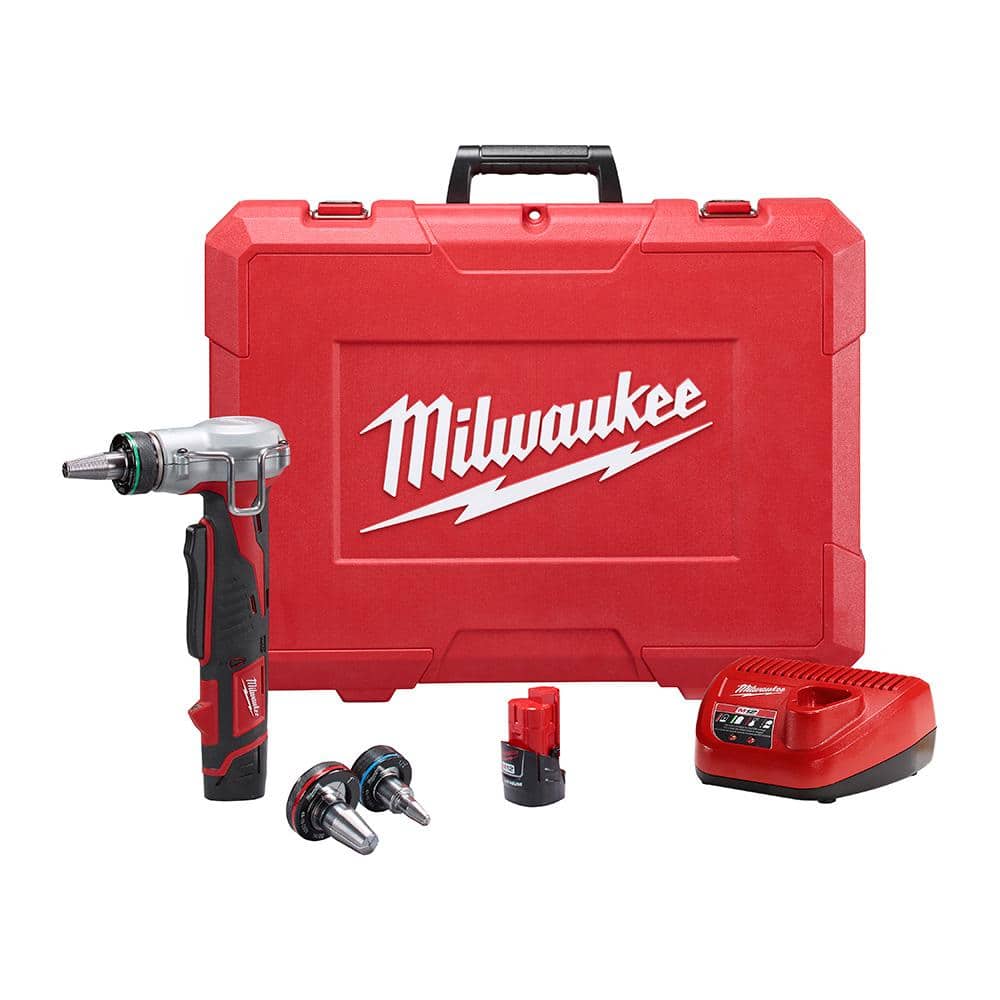
For professionals and DIYers seeking a cordless solution to install leak-proof Uponor AquaPEX White PEX-A Tubing Coil (see our comprehensive Uponor AquaPEX review), the Milwaukee M12 ProPEX Expansion Tool Kit (2432-21XC) is the industry standard for high-efficiency PEX-A installation. If you are looking for a reliable, fast, and compact tool for residential plumbing, this kit provides the precision needed for professional-grade seals. This cordless system replaces tedious manual expansion with a high-speed, repeatable process that ensures joint consistency across any residential project.
Best Overall: Milwaukee M12 ProPEX Expansion Tool Kit
Score: 9.3/10. A compact, fast, and reliable cordless PEX-A expansion tool that is best for plumbers, remodelers, and serious DIYers using Milwaukee M12 ProPEX Expansion Tool Kit in common residential sizes.
Milwaukee M12 ProPEX Expansion Tool Kit
The Milwaukee M12 ProPEX Expansion Tool Kit is designed for one core job: expanding PEX-A tubing for ASTM-Standard Pipes and Fittings for Plumbing. If you're planning a full system overhaul, check out our deep dive into PEX piping options.
Instead of relying on manual expansion, this cordless 12V tool automates the process, helping create consistent expansions with less hand fatigue during rough-ins, repairs, and water supply line upgrades. Because PEX-A is designed to "remember" its original shape, the expansion tool stretches the pipe beyond the diameter of the fitting; as the pipe cools and contracts, it forms a permanent, leak-proof seal around the fitting.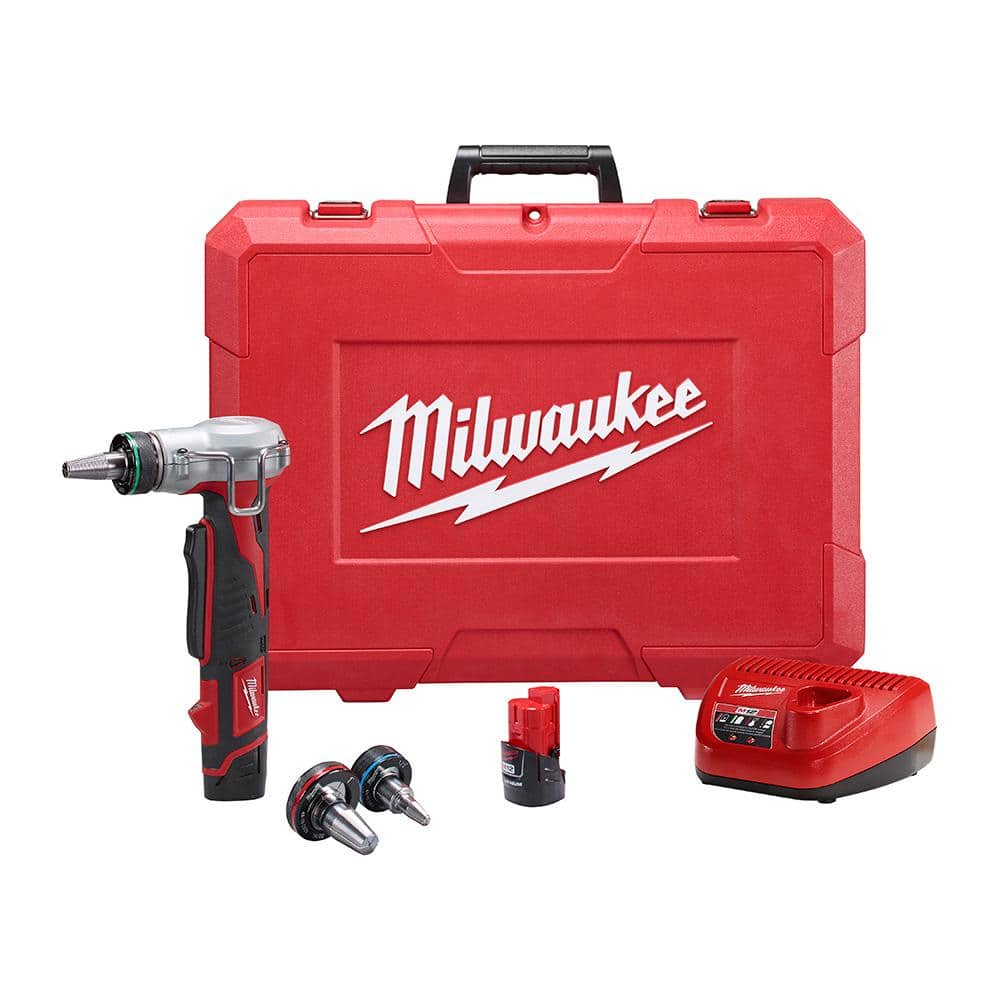
Its standout feature is the auto-rotate head, which helps rotate the expansion head between cycles for more even expansion around the pipe. Milwaukee rates the tool for a full expansion cycle in under two seconds, making it especially useful when you are working through multiple connections in a bathroom (perhaps installing a Delta Essa modern bath faucet (see also our Pfister Stellen guide)), kitchen, mechanical room, or whole-home plumbing project (especially when coordinating with a Wayne ESP25 battery backup sump pump system (see also our guide to the best submersible utility pumps) or comparing high-capacity options in our Ridgid SP-650C review). This speed is not just about efficiency—it's about maintaining the heat of the expansion process and ensuring that the material is stressed consistently across every joint in the system.
The compact M12 platform is a major advantage in tight framing bays, under sinks, between joists, and around existing plumbing. Because it is cordless, the tool is easier to maneuver than corded or manual alternatives, and it is especially appealing for professionals who already use Milwaukee M12 batteries or DIYers who want a purpose-built PEX-A installation tool. The kit provides everything needed to get started, ensuring that the transition from traditional copper or PEX-B crimping to PEX-A expansion is seamless.
For those using standard couplings, our guide to basement drainage solutions or the Watts 3/4 inch Lead-Free Brass FPT Coupling (see also our guide to choosing the best bathroom sink faucet) offer great comparisons for quick repairs, such as using a SharkBite 1/2 inch Push-to-Connect Ball Valve (see our SharkBite push-to-connect guide) for easy shut-off installation.This kit is best suited for users working with ProPEX expansion fittings from 3/8 inch to 1 inch. If your project uses crimp or clamp PEX-B fittings, this is not the right tool system. But for PEX-A expansion systems, the Milwaukee M12 ProPEX Expansion Tool Kit offers the speed, consistency, and ergonomics that make it a strong long-term buy for anyone looking to professionalize their plumbing workflow.
| Specification | Milwaukee M12 ProPEX Expansion Tool Kit |
|---|---|
| Model number | 2432-21XC |
| Tool type | Cordless PEX expansion tool kit |
| Platform | Milwaukee M12 12V |
| Primary use | PEX-A pipe expansion for ProPEX expansion fittings |
| Compatible pipe sizes | 3/8 inch to 1 inch |
| Head function | Auto-rotate expansion head |
| Best for | Professional plumbers, remodelers, and dedicated DIY plumbing projects |
Pros
- Fast cordless expansion for PEX-A plumbing installations
- Auto-rotate head helps produce consistent expansions
- Compact M12 design works well in tight plumbing spaces
- Supports common residential ProPEX sizes from 3/8 inch to 1 inch
- Reduces fatigue compared with manual expansion tools
Cons
- Only useful for expansion-style PEX systems, not crimp or clamp fittings
- May be more tool than occasional one-repair users need
- Limited to 1 inch pipe capacity
- Best value if you already use the Milwaukee M12 battery platform
Deep Dive: Understanding the PEX-A Expansion Process
To appreciate the value of the Milwaukee M12 ProPEX Expansion Tool, one must understand the fundamental difference between PEX-A and PEX-B (see our Uponor AquaPEX review). Apollo Half-Inch White PEX-B Flexible Water Pipe Tubing Coil is typically installed using a "crimp" method where a copper ring is squeezed around the pipe and fitting. While effective, this creates a restriction in the pipe's internal diameter. The Uponor AquaPEX White PEX-A Tubing Coil, however, uses a cross-linked polyethylene structure that allows it to be expanded and then shrink back to its original size.
For professional results, pair this tool with Uponor AquaPEX White PEX-A Tubing Coil for a guaranteed leak-proof system.
The Milwaukee M12 ProPEX Expansion Tool Kit pushes an expansion head into the PEX-A pipe, stretching the walls of the tubing outward. When the head is withdrawn, the pipe naturally contracts. This "memory" effect pulls the pipe tightly against the ProPEX fitting, creating a seal that is essentially a fused connection. This method is widely considered superior for flow rates because there is no restrictive ring pinching the pipe, and it is significantly more forgiving during installation—if you make a mistake, you can often re-expand the pipe and try again, which is nearly impossible with crimp systems.
Pro Tip: Always ensure the pipe is cut squarely before expanding. A jagged edge can lead to uneven expansion or, in worst-case scenarios, a slow leak that is difficult to trace once the walls are closed.
The molecular structure of PEX-A is the key to this process. When upgrading your main lines, integrating a GE GXWH40L whole house water filtration system (explore more whole-house filtration options (such as the Culligan WH-HD200-C) or check out our Waterdrop G3P800 review) or updating your plumbing via a high-efficiency A.O. Smith EES-40 water heater can further protect your plumbing investment (see our A.O. Smith review for efficiency details). Unlike other plastics, PEX-A undergoes a peroxide curing process during manufacturing, which creates a more flexible and resilient cross-linkage. This is what allows the material to withstand the intense stretching of the M12 expansion head without developing micro-fractures. When the tool is removed, the material doesn't just "snap" back; it returns to its original state with a high degree of precision, ensuring that the gap between the pipe wall and the fitting is eliminated entirely.
Setup and Operational Workflow
Setting up the Milwaukee M12 ProPEX Expansion Tool is straightforward. First, ensure your M12 battery is fully charged and seated securely in the base (for general home electrical safety, see our guide on safe electrical work (or see our best 20-amp circuit breakers guide) (and learn about AFCI vs standard circuit breakers)). Select the appropriate expansion head size based on the diameter of the PEX-A tubing you are using (e.g., 1/2" or 3/4"). The heads are designed for quick swaps, allowing you to pivot between different line sizes without needing complex tools.
The operational workflow follows a specific sequence to ensure a leak-free joint:
- Fitting Preparation: Slide the ProPEX fitting onto the PEX-A pipe until it bottoms out. Ensure there is no debris inside the fitting.
- Tool Alignment: Insert the expansion tool head into the pipe, directly over the fitting. It is critical that the head is centered.
- Activation: Trigger the tool to initiate the expansion cycle. The motor engages the drive screw, pushing the expansion head outward.
- Auto-Rotation: The auto-rotate feature engages, ensuring the pipe is expanded evenly 360 degrees around the fitting, preventing "ovaling" of the pipe.
- Withdrawal: Withdraw the tool quickly. Because the expansion happens so quickly (under two seconds), there is very little window for the pipe to begin contracting before the tool is removed.
This efficiency is critical in high-volume environments where a plumber might be making dozens of connections in a single room. The reduced cycle time minimizes the physical effort required to hold the tool in position, which is a significant improvement over manual tools that require sustained force.
Detailed Maintenance, Care, and Tool Longevity
To ensure the 2432-21XC lasts through years of professional use, regular maintenance is required. The expansion heads are the primary wear items. Over time, the friction and tension of stretching PEX-A can wear down the surface of the heads. Inspect your heads for scoring, pitting, or deformation. If a head becomes misshapen, it can lead to "under-expansion," which may cause the pipe to not seal properly against the fitting.
Cleanliness is equally important. PEX-A installation often happens in dusty construction environments. Debris, drywall dust, and metal shavings can get into the drive mechanism of the tool. Use compressed air to blow out the head area and the battery terminals periodically. Lubricating the moving parts of the head (if recommended by the manual) can also prevent the auto-rotate mechanism from sticking.
Warning: Never attempt to force the expansion tool into a pipe size it is not rated for. Attempting to expand a 1" pipe with a 3/4" head (or vice versa) can damage the motor or strip the internal gears of the M12 drive system.
For long-term battery health, avoid leaving M12 batteries in the tool during long periods of storage. While the parasitic draw is minimal, it is a best practice for any cordless platform to store batteries in a cool, dry place and charge them only when needed. Additionally, keep the tool case organized; losing a specific size expansion head can bring an entire project to a standstill, as these are precision-machined components that cannot be substituted with makeshift alternatives.
Common Installation Pitfalls and How to Avoid Them
Even with a professional tool like the Milwaukee M12, mistakes can happen. The most common issue is "short-stopping," where the expansion head is not inserted deeply enough to cover the entire length of the fitting. This results in a connection that looks secure but fails under pressure. To avoid this, always ensure the tool is pushed firmly against the fitting before triggering the cycle. You should feel the tool "bottom out" against the fitting before you engage the trigger.
Another pitfall is the "over-expansion" of the pipe's exterior. If the expansion head is pushed too far past the fitting into the open pipe, it can create a localized weak spot in the tubing. While PEX-A is resilient, excessive stretching beyond the necessary area can lead to thinning of the pipe walls, which may eventually compromise the structural integrity of the line, especially in high-pressure systems.
Finally, users often forget to check the battery level during critical phases of a project. While the M12 batteries are efficient, a low battery may result in a slower expansion cycle. In the world of PEX-A, speed is key; if the tool takes too long to expand, the material may begin to contract before the tool is fully withdrawn, leading to a suboptimal seal. Always keep a spare battery on the charger when working on a large-scale rough-in.
Comparative Analysis: Expansion vs. Crimp vs. Clamp
When deciding if the Milwaukee M12 ProPEX kit is the right investment, it helps to compare the expansion method against the two other primary PEX installation methods: crimping and clamping.
Expansion (Uponor AquaPEX White PEX-A Tubing Coil/Milwaukee): This is the "gold standard" for high-end residential and commercial work. It offers the best flow rate, the most reliable seal (due to the pipe's memory), and the ability to add "T" junctions easily without cutting the pipe. The downside is the requirement for specialized, often expensive tools like the 2432-21XC.
For those using the crimp method, the Apollo Half-Inch White PEX-B Tubing is a reliable choice. Crimping: This uses copper rings and a heavy-duty crimper. It is faster to set up initially and the tools are cheaper. However, the copper ring constricts the pipe, slightly reducing water pressure. Furthermore, once a crimp is set, it is permanent; if you make a mistake, you must cut the section out