We may earn a commission if you purchase through links on this page, at no additional cost to you.
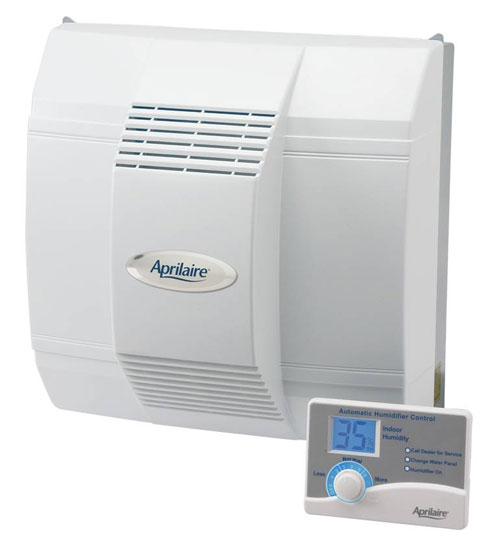
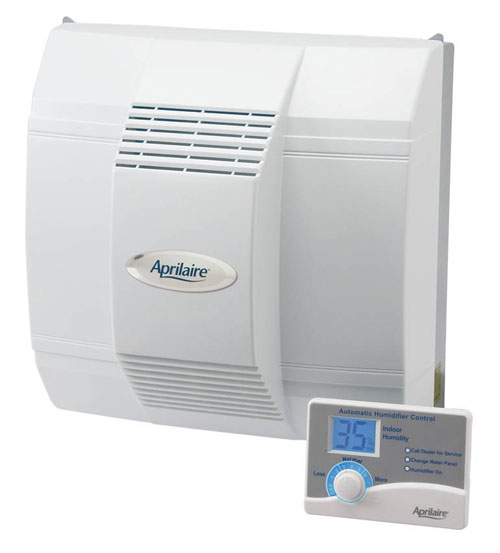
Aprilaire Whole-Home Bypass Humidifier (700)
Score: 9/10 — A powerful, set-and-forget whole-home humidifier that delivers serious moisture output for large, dry homes with minimal ongoing fuss.
Overview
The Aprilaire Whole-Home Bypass Humidifier (700) is a professional-grade bypass-style humidifier that integrates directly with your home's HVAC system. Unlike tabletop units that treat a single room and require constant refilling, this system leverages your existing ductwork to distribute moisture evenly throughout your entire residence, covering homes up to 4,200 square feet.
This unit is engineered specifically for homeowners who are fatigued by the shortcomings of portable humidification. In many colder climates, winter heating strips moisture from the air, leading to a cascade of indoor comfort issues: static electricity shocks, cracking hardwood floors, chapped skin, and shrinking joints in fine wooden furniture. By tying into the furnace and the home's main water supply, the Aprilaire Whole-Home Bypass Humidifier operates invisibly in the background, maintaining a steady baseline of humidity without the need for manual intervention.
Related parts & accessories
It is best suited for larger properties in genuinely arid climates where a high evaporation rate is necessary to counteract the dry air pushed through large vents. While smaller homes might find a lower-capacity model sufficient, those dealing with expansive floor plans or particularly drafty structures will find the 700's output capacity indispensable. For those optimizing their entire climate control strategy, this unit serves as a critical component of a "whole-home" approach to air quality and thermal comfort.
Key Features
Delivers up to 0.75 gallons of moisture per hour, making it one of the most potent options in the bypass humidifier class.
Rated to effectively humidify homes up to 4,200 square feet by utilizing existing HVAC ductwork for distribution.
Features an intelligent digital humidistat that monitors both indoor and outdoor temperatures to automate output.
Hard-wired and plumbed directly into the heating system, eliminating the need for water tanks or manual refills.
| Feature | Value |
|---|---|
| Model Number | 700 |
| Type | Whole-home bypass humidifier (powered) |
| Coverage Area | Up to 4,200 sq ft |
| Moisture Output | Up to 0.75 gallons per hour |
| Control | Automatic digital humidistat |
| Temperature Sensing | Indoor and outdoor monitoring |
| Installation | Connects to HVAC system and water supply |
| Category | Humidifiers |
Pros & Cons
Pros
- Strong moisture output suited to large homes
- Fully automatic control with no manual refilling
- Indoor/outdoor temperature sensing for smart adjustment
- Helps protect wood floors, furniture, and reduce static
- Discreet and out of the way once installed
Cons
- Requires professional HVAC and plumbing installation
- Overkill for small homes or mild climates
- Annual water panel replacement adds to running cost
- Not a portable or quick-fix solution
Performance
In real-world application, the Aprilaire 700's most impressive attribute is its sheer raw output. Many bypass humidifiers struggle to move the needle in large, multi-story homes or those with significant air leakage. However, the 700's design allows it to pump out 0.75 gallons of moisture per hour, which translates to a noticeable difference in air quality even during the deepest winter freezes. Users typically report that the "tight" feeling of dry winter air disappears, replaced by a more natural humidity level that prevents the skin from feeling parchment-dry.
The automatic digital control system is equally vital. A common failure of cheaper humidifiers is "over-shooting" the target humidity, which leads to condensation on windows and, in worst-case scenarios, mold growth on window sills. (For managing excess moisture in other areas, see our GE ADEL50LZ dehumidifier review). The Aprilaire 700 mitigates this by monitoring outdoor temperatures. Since cold air holds less moisture than warm air, the system adjusts the output based on the outside environment, ensuring that you achieve comfort without creating a damp interior.
Maintenance is minimal but mandatory. The unit relies on a water panel (evaporator pad) that gradually accumulates mineral deposits from your water supply. Over a season, these deposits can restrict airflow and reduce efficiency. Replacing this panel annually is the only significant upkeep required.
When paired with a Filtrete MERV-12 air filter, the Aprilaire 700 creates a comprehensive air-management system. For those looking to upgrade their heating and cooling efficiency further, we recommend exploring a mini-split heat pump guide to maintain year-round comfort.How it Works: The Bypass Mechanism
To understand why the Aprilaire 700 is so effective, it is important to understand the "bypass" method of humidification. In a standard furnace setup, air is pushed through a heat exchanger and then sent through the ducts. A bypass humidifier is installed in the ductwork after the heat exchanger.
The unit works by diverting a portion of the heated air from the supply plenum, passing it through a wet evaporator panel, and then "bypassing" that moistened air back into the return air stream. This allows the air to be humidified and then reheated or redistributed by the furnace blower, ensuring that the moisture is thoroughly mixed with the air before it ever reaches your living room vents. Because the Aprilaire 700 is a powered system, it can manage this process with much higher efficiency and volume than passive, non-powered models.
The physics of the bypass system rely on a pressure differential. By creating a path for the air to return to the furnace intake, the system creates a loop. The water is continuously dripped onto the evaporator panel, which remains saturated. As the warm air from the furnace passes through this pad, it picks up water vapor via evaporation. The "bypass" part of the name refers specifically to the duct that allows the humidified air to circle back and be re-processed, ensuring that the air exiting your vents is perfectly tempered and humidified.
Unlike a steam humidifier, which uses a boiling chamber to create vapor, the bypass method relies on the existing energy of your HVAC system's air movement. This makes the Aprilaire 700 significantly more energy-efficient during the heating season. The 0.75 GPH (gallons per hour) rating is achieved through a larger surface area panel compared to entry-level models, allowing for more air-to-water contact and higher evaporation rates without restricting the overall airflow of your furnace.
Furthermore, the bypass design minimizes the risk of "wet ducts." In some older humidification designs, moisture was injected directly into the supply air, which could lead to condensation inside the metal ductwork—leading to rust and microbial growth. The Aprilaire 700's method of bypassing air back into the return stream ensures that the air is properly mixed and the temperature is stabilized before it enters the distribution phase, effectively neutralizing the risk of condensation in the vents.
Installation and Setup
Unlike a portable humidifier that you simply plug into a wall outlet, the Aprilaire 700 is a permanent fixture. Installation involves three primary components: mechanical mounting, plumbing, and electrical wiring.
Mechanical Mounting
The unit must be physically mounted to the return air plenum of the HVAC system. This requires cutting a precise hole in the ductwork and sealing it with foil tape or mastic to prevent air leaks. The "bypass" duct must also be installed to allow the air to cycle back into the system. Proper sealing is critical; any air leak around the unit can reduce the efficiency of your entire furnace and lead to wasted energy. If the bypass duct is sized incorrectly, it can create too much static pressure, which may stress the blower motor of the furnace.
Plumbing
A dedicated water line must be run from the home's main plumbing to the humidifier. This includes installing a saddle valve or a dedicated shut-off valve. For those with hard water, it is highly recommended to install an inline water softener or a GE GXWH40L whole-house water filtration system to prevent the evaporator panel from scaling up too quickly. The water line is connected to a solenoid valve that opens and closes based on the signals from the humidistat. It is also vital to ensure the drain line is correctly routed to a floor drain or Ridgid SP-650C sump pump to prevent leaks inside the HVAC cabinet.
Electrical and Control
The unit requires a 24V connection from the furnace control board (for more on furnace timing and electricals, see our Honeywell Home ST9400C review). For those also managing basement moisture levels, combining this with a reliable battery backup sump pump ensures complete home protection. The digital humidistat is typically mounted on a wall in a central location of the home, with a sensor wire running back to the unit. This allows the system to "know" the current humidity level and trigger the water valve only when necessary. This integration ensures that the humidifier only operates when the furnace blower is active, preventing the accumulation of stagnant, damp air in the ducts, which could otherwise lead to microbial growth.
Comprehensive Maintenance Guide
To maintain the 9/10 performance rating, the Aprilaire 700 requires a disciplined (though simple) maintenance schedule. Neglecting these steps can lead to reduced humidity and increased strain on your HVAC blower.
Buyer's Guide: Is the 700 Right for You?
Choosing between different whole-home humidifiers often comes down to a trade-off between output capacity and installation complexity. The Aprilaire 700 sits at the top of the bypass hierarchy. Here is a breakdown of who should buy it and who should look elsewhere.
Buy the Aprilaire 700 if:
- Your home is between 2,500 and 4,200 square feet.
- You live in a region with extremely cold, dry winters (e.g., the Midwest or Northeast).
- You have high-value interior assets like hardwood floors, antique furniture, or a piano.
- You want a "set it and forget it" experience and are willing to pay for professional installation.
Look for a smaller model if:
If your space is smaller, a high-quality portable option like the Levoit Classic 300S Smart Ultrasonic Humidifier or the Dreo Smart Humidifier may be more appropriate.
- You live in a condo or small home under 1,500 square feet; the 700 may over-humidify the space.
- You are on a very tight budget and cannot afford professional HVAC installation.
- Your climate is only mildly dry, and a few portable units in key rooms would suffice.
Comparison with Alternative Systems
When shopping for whole-home humidification, you'll encounter three main types: Bypass, Steam, and Fan-Assisted. Understanding where the Aprilaire 700 fits helps justify the investment.
Bypass vs. Steam: Steam humidifiers boil water to create a vapor. While they are incredibly powerful and work even when the furnace isn't running, they consume significantly more electricity and are much more expensive to purchase and install. The Aprilaire 700 is a bypass system, meaning it uses the furnace's own heat to evaporate water. It is far more energy-efficient and costs less to operate, though it only functions while the furnace is active.
Bypass vs. Fan-Assisted: Fan-assisted humidifiers have their own internal blower to push air through the water panel. This eliminates the need for a bypass duct. While this can be easier to install in tight spaces, the Aprilaire 700's bypass method is often preferred by technicians for its simplicity and reliability. The 700 provides a more natural integration with the home's overall airflow patterns, provided the ductwork is installed correctly.
The "Powered" Advantage: Unlike basic passive bypass units, the Aprilaire 700's refined control system allows it to be precisely tuned. The integration of the outdoor temperature sensor is a luxury not found in budget units, and it is the primary reason the 700 avoids the common pitfall of "sweating windows" during extreme cold snaps.
Common Pitfalls and Troubleshooting
Even with a high-end system like the Aprilaire 700, certain installation or operational errors can hinder performance. Awareness of these common issues can save homeowners hundreds in unnecessary service calls.
The "Ghost" Humidity Reading: One of the most common complaints is a humidistat that reads 40% when the air feels bone-dry. This is often due to the sensor being placed too close to a heat source or in a drafty area. For the Aprilaire 700 to work correctly, the sensor must be in a representative area of the home, far from vents and exterior doors. If the sensor is "tricked" into thinking the air is moist, the solenoid valve will never open, and the system will remain idle.
Clogged Water Feed: In areas with "hard" water (high mineral content), the tiny orifice that feeds water onto the pad can clog with calcium. This is a frequent cause of system failure. Many homeowners assume the motor or the control board has failed when, in reality, the system is simply "thirsty" because water cannot reach the pad. A simple vinegar soak or a needle cleaning usually resolves this. If the hardware is corroded, replacing the AprilAire Feed Tube Nozzle Assembly is a quick and affordable fix.
Over-Humidification: If you see water beads forming on the inside of your windows, your humidity is too high for the current outdoor temperature. While the Aprilaire 700's digital controller handles this automatically, some users manually override the settings to reach 50% or 60% humidity. In the dead of winter, this is a mistake. Aim for 30-4