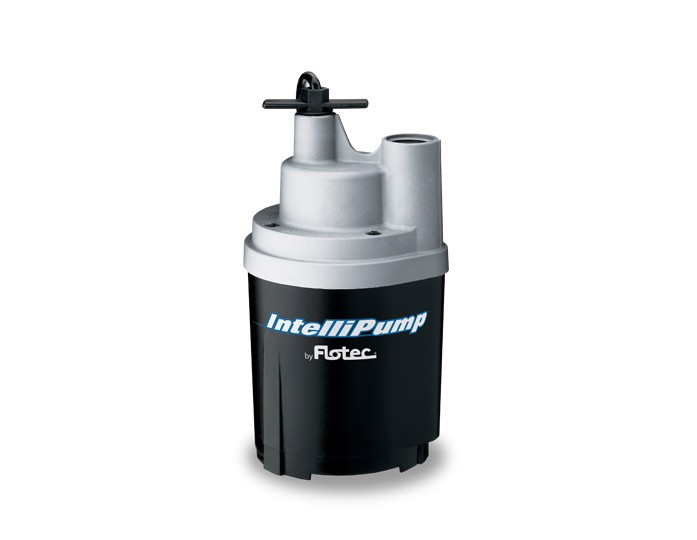
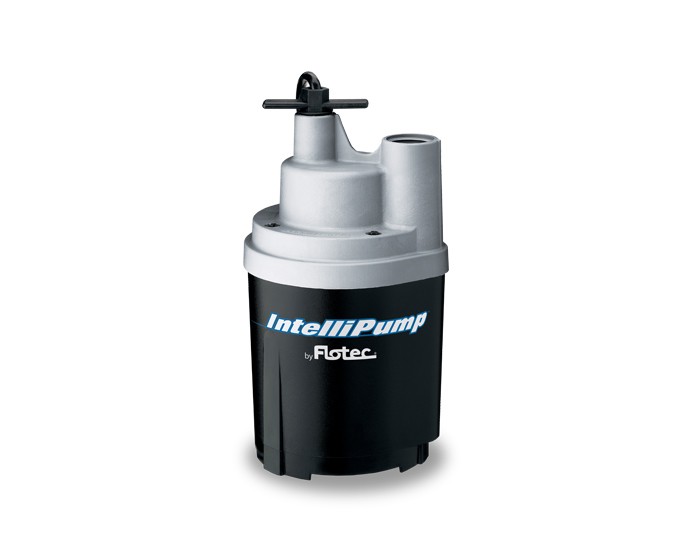
Flotec Submersible Utility Pump 1/4 HP Thermoplastic (FP0S1775A)
Score: 7.8/10. The Flotec Submersible Utility Pump 1/4 HP Thermoplastic is a dependable, no-frills solution for homeowners seeking a budget-friendly 1/4 HP submersible utility pump. Designed to handle basement flooding, pool draining, and water transfer tasks with quiet efficiency, it is a solid choice for reliable emergency backup without a large investment.
This review contains affiliate links. We may receive a commission if you make a purchase through these links at no additional cost to you.
Overview
The Flotec Submersible Utility Pump 1/4 HP Thermoplastic is a 1/4 horsepower thermoplastic submersible utility pump designed for residential water-removal tasks. Whether you're dealing with unexpected basement flooding, draining a clogged window well, emptying a swimming pool at the end of the season, or moving water out of a construction trench, this compact pump promises to get the job done without requiring a plumber or a large investment. Flotec — a brand under the Pentair family — has long positioned itself as an accessible, mid-tier pump manufacturer for homeowners, and the FP0S1775A sits comfortably in that wheelhouse.
The pump is built around a thermoplastic housing, which keeps weight low and resists corrosion in freshwater applications. It moves water through a standard 1-1/4-inch NPT discharge connection, which fits commonly available garden hose adapters and piping. At roughly 2,400 gallons per hour (GPH) at zero head, it offers respectable flow for its price class and size. A removable strainer screen protects the impeller from debris, and the motor is thermally protected to prevent burnout during extended or accidental dry running.
This pump is aimed squarely at homeowners and light-duty property managers who need an affordable, easy-to-store utility pump—similar to those listed in our guide to the best submersible utility pumps for draining water fast (see also our Ridgid SP-650C buying guide for more heavy-duty options)—that can be pressed into service quickly. It is not designed for sewage, heavily turbid water, or continuous commercial use. If you fall into its intended audience — someone who wants dependable flood protection or seasonal water-moving capability — the FP0S1775A is worth a close look.
Key Features
The single-phase induction motor delivers adequate power for most residential water-removal scenarios, and its built-in thermal overload protection shuts the pump down before the motor overheats — adding a meaningful layer of longevity.
At zero feet of head, the pump moves up to 2,400 gallons per hour, which translates to roughly 40 gallons per minute — enough to clear most residential basement floods quickly when time matters most. Once the standing water is gone, using a high-capacity dehumidifier like the GE ADEL50LZ is essential to prevent mold.
The corrosion-resistant thermoplastic body keeps the pump lightweight and easy to carry, while holding up well in the freshwater environments it is designed for. It also reduces overall cost without sacrificing durability in typical use.
The standard NPT discharge connection is compatible with readily available fittings, garden hose adapters, and PVC piping, making setup fast even for homeowners with limited plumbing experience.
A removable intake strainer filters out leaves, grit, and larger debris before they can reach the impeller. It can be cleaned quickly in the field without tools, reducing maintenance headaches during an active flood event.
The pump can draw water down to approximately 1/8 inch above the floor, allowing near-complete removal of standing water — a practical advantage that many competing pumps in this price range cannot match.
Technical Specifications
| Feature | Value |
|---|---|
| Model | FP0S1775A |
| Brand | Flotec (Pentair) |
| Motor Power | 1/4 HP |
| Motor Type | Single-phase, thermally protected |
| Max Flow Rate | 2,400 GPH (0 ft head) |
| Max Head | 25 ft |
| Discharge Connection | 1-1/4 in NPT |
| Minimum Water Level | Approx. 1/8 in |
| Housing Material | Thermoplastic |
| Power Cord Length | 10 ft |
| Voltage | 115V / 60 Hz |
| Amperage | 3.5 A |
| Weight | Approx. 5.5 lb |
| Warranty | 1 year limited |
| Water Type | Clean / lightly contaminated freshwater only |
Pros & Cons
Pros
- Affordable price point for homeowners on a budget
- Lightweight and easy to carry and store
- Impressively low 1/8-inch suction depth for near-complete water removal
- Thermal motor protection reduces burnout risk
- Standard NPT fitting makes connections quick and fuss-free
- Removable strainer is easy to clean in the field
- Quiet operation compared to cast-iron competitors
- Trusted brand with wide parts availability
Cons
- 10-foot cord may require an extension in larger basements
- Not suitable for sewage or heavily sediment-laden water
- Thermoplastic housing less durable than cast iron for heavy commercial use
- Only a 1-year limited warranty — shorter than some rivals
- No automatic float switch included; manual start/stop only
- Flow rate drops noticeably at higher vertical head heights
Tip: If you plan to use the FP0S1775A for recurring basement flood protection, consider pairing it with a separately purchased automatic float switch. For those who prefer a fully integrated system, the Wayne Battery Backup Sump Pump is a robust alternative for storm protection (detailed in our Wayne ESP25 review), as its battery backup approach is ideal for storm protection. This converts the pump into a semi-automatic solution and removes the need to monitor water levels manually.
How It Works: The Mechanics of Utility Pumping
To understand the value of the Flotec FP0S1775A, it's important to understand how a submersible utility pump operates. Unlike a centrifugal pump that sits outside the water and "pulls" liquid through a hose, a submersible pump is placed directly into the fluid. The motor is sealed in a water-tight housing, allowing it to be fully immersed.
The heart of the FP0S1775A is its impeller. When powered on, the 1/4 HP motor spins the impeller at high speed. This creates a centrifugal force that pushes water from the bottom of the pump toward the discharge outlet. Because the pump is submerged, it doesn't have to fight gravity to "prime" itself—the water is already there. The thermoplastic housing serves as both a protective shell and a structural guide, ensuring the water flows efficiently toward the 1-1/4-inch NPT outlet.
A critical aspect of this specific model is the "low-suction" design. Most standard submersible pumps have a relatively high intake point, meaning they stop pumping when there is still an inch or two of water on the floor. The FP0S1775A utilizes a specialized intake geometry and an optimized impeller seal that allows it to keep drawing water until the level is almost flush with the floor (approximately 1/8 inch). This prevents the "puddle problem" common in basement cleanups, where you have to manually mop up the remaining water after the pump stops.
Thermal protection is another vital mechanical component. Electric motors generate heat during operation; if the pump runs "dry" (without water to cool the motor) or is blocked by debris, the internal temperature can spike. The thermal overload switch in the FP0S1775A acts as a fail-safe, breaking the electrical circuit to prevent the motor windings from melting. Once the pump cools down, it can typically be restarted, though the best practice is to ensure the pump is properly submerged before powering on.
Performance Analysis
In real-world use, the FP0S1775A performs closely in line with its published specifications. At low head heights — such as pumping water out a basement window two or three feet above the pump — the flow feels strong and steady, clearing a flooded room noticeably faster than a bucket-and-sump approach. Users handling post-storm flooding consistently report the pump dispatching several inches of standing water within 30 to 45 minutes in an average-sized basement, which aligns with the 2,400 GPH maximum rating when accounting for friction and head loss.
The low-profile suction capability is a genuine highlight in practice, not just on paper. Where many entry-level utility pumps stall out or cavitate with a thin layer of water remaining on the floor, the FP0S1775A continues drawing effectively until only a very shallow film is left. For pool owners draining at season's end, this means less manual mopping or squeegee work at the finish line. The removable strainer earned its keep during outdoor use, catching leaves and fine gravel that would otherwise have jammed the impeller.
Noise levels are genuinely low — the thermoplastic construction and smaller motor create a smaller acoustic footprint than heavier cast-iron pumps, such as the Zoeller Mighty-Mate Submersible Sump Pump. This is a minor but real quality-of-life advantage when you need to run the pump for extended periods and remain in the same space. On the downside, performance tails off meaningfully once you push the vertical lift past about 15 feet, so homeowners who need to discharge water over a significant rise should verify the head-curve numbers against their specific setup before buying. The 10-foot power cord is the most commonly cited limitation in real-world feedback — in larger basements or outdoor settings, a heavy-duty extension cord rated for outdoor use is a near-necessity.
Note: The FP0S1775A is rated for clean and lightly contaminated freshwater only. Using it with sewage, saltwater, or water with significant solid debris can void the warranty and damage the impeller and seals. For those applications, look for a sewage pump or a stainless steel submersible model instead.
Step-by-Step Setup and Installation Guide
One of the primary appeals of the Flotec FP0S1775A is its "plug-and-play" nature. You do not need to be a licensed plumber to set this unit up. However, following a specific sequence will ensure the pump operates efficiently and lasts longer.
1. Preparing the Discharge Line
The pump features a 1-1/4-inch NPT threaded outlet. To get water from your basement to the exterior of your home, you will need a discharge hose. For most homeowners, the easiest solution is to purchase a 1-1/4" NPT to garden hose adapter. Once attached, you can use a standard 5/8" or 3/4" garden hose. Note that using a smaller diameter garden hose will slightly increase "friction loss," which may marginally reduce the total gallons per hour compared to using a full 1-1/4" PVC pipe.
2. Positioning the Pump
Place the pump at the lowest point of the flooded area. If the floor is uneven, try to find the deepest pocket of water. Ensure the pump is sitting flat on the floor; if it is tilted, it may air-lock or fail to reach the 1/8-inch suction depth. If you are pumping from a window well, ensure the pump is stable and not resting on a pile of debris that could clog the strainer.
3. Establishing the Path of Exit
Run your hose to the outside of the house. Ensure the hose is routed "downhill" as much as possible. While the pump can push water up to 25 feet (Max Head), the flow rate drops significantly as the height increases. For maximum efficiency, avoid sharp kinks in the hose and aim for a direct path to the discharge point.
4. Powering Up
Plug the pump into a GFCI (Ground Fault Circuit Interrupter) outlet. This is a critical safety step when working with electricity and standing water. If the distance to the outlet is too great, use a heavy-duty, outdoor-rated extension cord (12-gauge or 14-gauge) to avoid voltage drops that could stress the motor.
Maintenance and Long-Term Care
Because the Flotec FP0S1775A is often used as an "emergency" tool, it may sit in a garage or closet for months between uses. Proper storage and maintenance are key to ensuring it works when a flood actually happens.
Cleaning the Strainer
After every use, remove the pump from the water and inspect the removable strainer screen. Use a garden hose or a soft brush to remove any trapped silt, leaves, or organic debris. If the strainer is clogged, the pump has to work harder to pull water, which increases the motor temperature and reduces the flow rate. This is the most common cause of "underperformance" reported by users.
Post-Use Drying
Before storing the pump for the season, allow it to air dry completely. While the thermoplastic housing resists corrosion, moisture trapped in the crevices can lead to mildew or mineral buildup over time. Avoid storing the unit in a freezing garage if it is not completely dry, as internal water pockets could potentially freeze and crack the housing, though this is rare for this specific model.
Electrical Cord Inspection
Before each deployment, inspect the 10-foot power cord for nicks, cuts, or exposed wiring. Because these pumps are often dragged across concrete basement floors or through gravel, the cord can sustain abrasion. Using a pump with a compromised cord in standing water is an extreme safety hazard. If the cord is damaged, it should be replaced by a certified electrician rather than patched with electrical tape.
Comprehensive Buyer's Guide: Is This the Right Pump for You?
Choosing the right utility pump requires balancing flow rate, head height, and material durability. The Flotec FP0S1775A occupies a specific niche in the market: the "Occasional Homeowner's Tool." To determine if it fits your specific needs, consider the following criteria.
Flow Rate vs. Head Height
A common mistake buyers make is assuming the "Max Flow Rate" (2,400 GPH) is constant. In reality, flow rate is inversely proportional to "Head" (the vertical distance the pump must push water). If you are pumping water out of a shallow depression and the hose goes straight out a door, you will get close to the maximum GPH. However, if you are pumping from a deep crawlspace up to a first-floor window (a 10-foot lift), the flow will drop significantly. The FP0S1775A is ideal for low-to-medium lift scenarios. If you need to move water up two stories, you will need a high-head pump with a more powerful fractional horsepower rating, such as those found in our guide to the best submersible utility pumps for draining water fast.
Thermoplastic vs. Cast Iron
The FP0S1775A is made of thermoplastic. This offers several advantages: it's lighter, cheaper, and doesn't rust. However, cast-iron pumps are generally more rugged and better suited for commercial environments where the pump might be bumped by heavy machinery or submerged in abrasive slurry. For 95% of residential users, thermoplastic is the superior choice because it simplifies transport and storage.
Clean Water vs. Solids Handling
This is the most critical distin