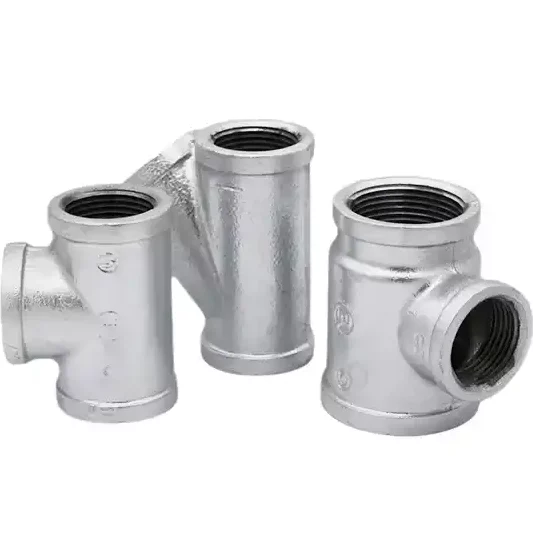
Selecting the right plumbing infrastructure is a critical decision for the longevity of any building. This guide explores BS EN pipes and fittings, providing a comprehensive look at why certified components are essential for safety and performance. For those optimizing their entire setup, pairing these pipes with a Waterdrop G3P800 water system is key to system longevity.
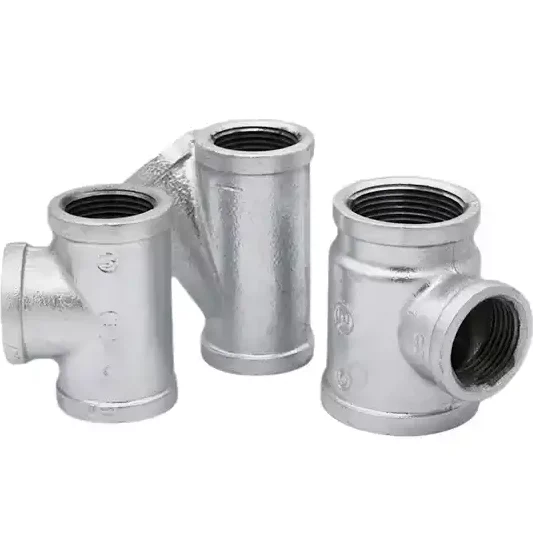
Top Pick: BS EN (12165)
Score: 9.0/10. A strong standards-led choice for buyers who want reliable, code-conscious pipes and fittings for plumbing, heating, water supply, and drainage applications.
BS EN (12165)
BS EN certified pipes and fittings are engineered for buyers who prioritize quality-assured components for long-lasting pipework.
Ensure your installation meets European safety norms with certified BS EN 12165 components.
Unlike generic alternatives, these components are designed around European safety and performance expectations. This compliance-led positioning makes them a practical choice for homeowners, contractors, and competent DIY users working on dependable plumbing installations where failure is not an option.In the Pipes & Fittings category, BS EN (12165) is best understood as a standards-focused component choice rather than a decorative or convenience upgrade. It is specifically suitable for projects where compatibility, material confidence, and installation reliability are paramount. This includes modern heating circuits, high-pressure water supply pipework, and drainage-related fittings where appropriate sizing and specification matching are essential to prevent leaks and structural degradation over time.
The product is especially useful for buyers who want to reduce uncertainty when sourcing plumbing materials. Instead of choosing generic parts with unclear performance credentials, BS EN certified pipes and fittings give installers a clearer framework for selecting components that meet rigorous requirements. This is particularly valuable on commercial jobs, large-scale renovation projects, or any installation where code compliance and a long service life are the primary goals.
Before purchasing, it is vital to confirm the exact size, material, connection type, and system compatibility required for your specific installation. While BS EN (12165) is a strong catalog choice for standards-conscious pipework, the right final selection still depends on your specific water pressure, temperature range, fitting method, and whether the parts are being used for heating, potable water, drainage, or another approved application.
Pros
- BS EN certification provides a clear standards-based buying signal.
- Suitable for both residential and commercial plumbing projects.
- Designed for seamless compatibility with modern heating and water systems.
- Ensures durable, code-conscious pipework that meets European safety norms.
Cons
- Final suitability depends on selecting the correct material and fitting type.
- May require a qualified installer to ensure full regulatory compliance.
- Certification does not replace the need to check specific system pressure/temp.
Understanding the BS EN Standard: How it Works
To understand the value of BS EN (12165), one must understand what a "standard" actually does for a plumber or homeowner. In the world of piping, a standard is not just a suggestion; it is a technical specification that defines the tolerances, material composition, and stress-test requirements of a product. When a pipe is BS EN certified, it means it has undergone rigorous testing to ensure that the wall thickness is consistent, the material is free of impurities, and the fittings will create a watertight seal under specified pressures.
The "BS" stands for British Standard and "EN" for European Norm. (Just as electrical panels require specific AFCI vs standard circuit breakers for safety, plumbing relies on these certifications to prevent structural failure.) The harmonization of these standards ensures that a fitting manufactured in one part of Europe will interface perfectly with a pipe manufactured in another, provided they both adhere to the 12165 framework. This eliminates the "guessing game" that often plagues non-certified hardware, where a fitting might feel tight but actually lacks the precise internal geometry required to prevent slow-seepage leaks.
From a mechanical perspective, these components are designed to handle the thermal expansion and contraction that occurs in heating systems (a critical factor when installing units like high-efficiency water heaters (ensure your water quality first with a Fleck 5600SXT water softener or a high-capacity Waterdrop G3P800 water system to prevent scale buildup)). Using non-standard pipes in a high-heat environment can lead to "creep" or premature fatigue, resulting in burst pipes behind walls—a nightmare scenario for any property owner. BS EN (12165) components are rated for these cycles, ensuring that the material remains stable across a wide range of operating temperatures.
Deep Dive: The Physics of Material Integrity
When we discuss the "rigorous safety standards" of BS EN (12165), we are specifically referring to the metallurgical and chemical consistency of the pipes. In non-certified pipes, "inclusion" defects—tiny pockets of air or foreign contaminants—can occur during the casting or extrusion process. These inclusions act as stress concentrators. Under the rhythmic pulsing of a modern water pump, these points can develop micro-cracks that eventually lead to catastrophic failure.
BS EN standards mandate a specific level of purity. For copper pipes, this means controlling the phosphorus and oxygen content to prevent "season cracking." For polymer pipes, it means ensuring the cross-linking density of the plastic is uniform across the entire length of the roll (such as Uponor AquaPEX—see our detailed review). For more on PEX installations, see our comprehensive guide to PEX piping. This level of precision ensures that the pipe's "burst pressure" is a reliable number rather than an estimate.
Furthermore, the standard addresses "dimensional stability." In a complex plumbing network, a pipe that expands slightly too much when heated can put immense leverage on a joint, causing it to pull apart. BS EN (12165) components are tested for their coefficient of linear thermal expansion, meaning engineers can calculate exactly how much "slack" or expansion loops are needed in a long run of pipe to prevent structural warping.
Comprehensive Buyer's Guide: Choosing Your Fittings
Selecting the correct pipe and fitting requires more than just measuring the diameter of the hole. To get the most out of BS EN (12165) components, you must consider several technical variables across material, size, and pressure.
1. Material Selection and Application
Depending on the specific application, BS EN certified components may come in various materials. Each has a specific use case where it outperforms the others:
- Copper: The gold standard for potable water (essential for high-end fixtures—see our buying guide for bathroom sink faucets, including high-end options like the MOEN Chateau or the Pfister Stellen series. For those managing basement water levels (see our Ridgid SP-650C buying guide and explore the best sump pump options for homeowners), these pipes are often paired with a professional system, such as the Ridgid SP-650C sump pump, or other submersible utility pumps designed for fast drainage. It is naturally antimicrobial, which helps keep drinking water clean. Copper is highly resistant to UV degradation, making it suitable for exposed runs, though it requires careful installation to avoid pitting corrosion in acidic water environments.
- PEX (Cross-linked Polyethylene): Ideal for underfloor heating and modern residential plumbing.
For reliable residential runs, the Apollo Half-Inch White PEX-B Flexible Water Pipe Tubing Coil is a top-rated choice.
High-quality options like Uponor AquaPEX are frequently used in these setups. The Apollo Half-Inch White PEX-B Flexible Water Pipe Tubing Coil and PEX-C offer exceptional flexibility, meaning fewer fittings are required over long runs, which reduces the number of potential leak points. It is also immune to the corrosion that affects metal pipes. - CPVC (Chlorinated Polyvinyl Chloride): Used primarily where high heat and chemical resistance are needed but the cost of copper is prohibitive. CPVC can handle higher temperatures than standard PVC, making it suitable for some hot water applications.
- Stainless Steel: Reserved for high-pressure commercial environments or industrial applications where extreme hygiene or corrosion resistance is required. For those in North American markets, ASTM-Standard Pipes and Fittings for Plumbing are the common equivalent.
2. Sizing, Tolerances, and the "Nominal Bore" Trap
For expansion-style PEX systems, using a professional tool like the Milwaukee M12 ProPEX Expansion Tool Kit ensures the joint meets the required standard without over-stressing the pipe.
Related parts & accessories
One of the biggest pitfalls in plumbing is confusing "Nominal Bore" (NB) with the actual outer diameter (OD). BS EN standards provide a strict framework for these measurements to ensure global interoperability.
The Nominal Bore is a conceptual size used to categorize the pipe's flow capacity. However, the actual outer diameter is what determines which fitting will slide onto the pipe. A BS EN (12165) certified pipe has a tolerance of mere microns. If you use a non-certified fitting on a certified pipe, you may find that the fitting is either too loose (causing a leak) or too tight (stretching the pipe wall and thinning it), which compromises the structural integrity of the joint.
3. Connection Methods and Tooling
The method of joining pipes is as important as the pipe itself. Within the BS EN ecosystem, you will encounter several methods, each requiring different skill levels and tools:
Compression Fittings
Ideal for those without specialized tools; they use a nut and olive to squeeze the pipe shut. Best for temporary fixes or low-pressure zones.
Solder/Brazing
The traditional method for copper. Requires a torch and flux. It offers a permanent, leak-proof bond that is virtually indestructible if done correctly.
Push-Fit Systems (e.g., SharkBite push-to-connect fittings — refer to the manufacturer's specifications for specific fitting details)
For critical shut-off points, the SharkBite 1/2 inch Push-to-Connect Ball Valve is a highly reliable standard choice.
Rapid installation using internal O-rings and grip rings. Extremely convenient for DIY but should be used with caution in high-vibration areas.
Threaded Connections
Common in commercial settings. Uses tapered threads to create a mechanical seal, often enhanced with PTFE tape or hemp. High-quality options like the Watts 3/4 inch Lead-Free Brass FPT Coupling ensure a secure, lead-free connection.
4. Pressure (PN) and Temperature Ratings
Not all BS EN pipes are created equal in terms of stress. A pipe designed for a low-pressure drainage system cannot be used for a high-pressure boiler feed. Always check the "PN" (Pressure Nominal) rating on the technical data sheet.
For example, a PN16 rating means the pipe is designed to handle up to 16 bar of pressure at a specific reference temperature (usually 20°C). It is critical to remember that as temperature increases, the pressure rating typically decreases. A pipe that is rated for 16 bar at room temperature might only be safe for 10 bar when carrying boiling water. Failing to account for this "temperature derating" is a common cause of pipe bursts in residential heating systems.
Installation and Setup Process
Installing BS EN (12165) components requires a systematic approach to ensure that the certification of the product is matched by the quality of the installation. Even the best components will fail if the installation is sloppy.
Step 1: Preparation and Mapping
Before cutting any pipe, map out the entire run. Identify where elbows, tees, and couplings will be required. Using BS EN standard components means you can rely on the angles being precise (e.g., exactly 90 degrees), which allows for cleaner runs and better support bracing. Avoid "fighting" the pipe; if a run is slightly off, use a fitting rather than forcing the pipe into a bend. Over-bending causes "necking," where the pipe wall thins at the curve, creating a weak point that will eventually leak.
Step 2: Precision Cutting
Avoid using a hacksaw for precision work. While a hacksaw is fast, it leaves a jagged, uneven edge and produces metal shavings that can clog valves. A rotary pipe cutter should be used to ensure a perfectly square cut. A skewed cut on a BS EN pipe can lead to an uneven seal in compression fittings, undermining the very safety standards the product provides. A square cut ensures that the fitting seats fully and the sealing mechanism engages uniformly across the circumference of the pipe.
Step 3: Deburring and Cleaning
After cutting, the interior of th