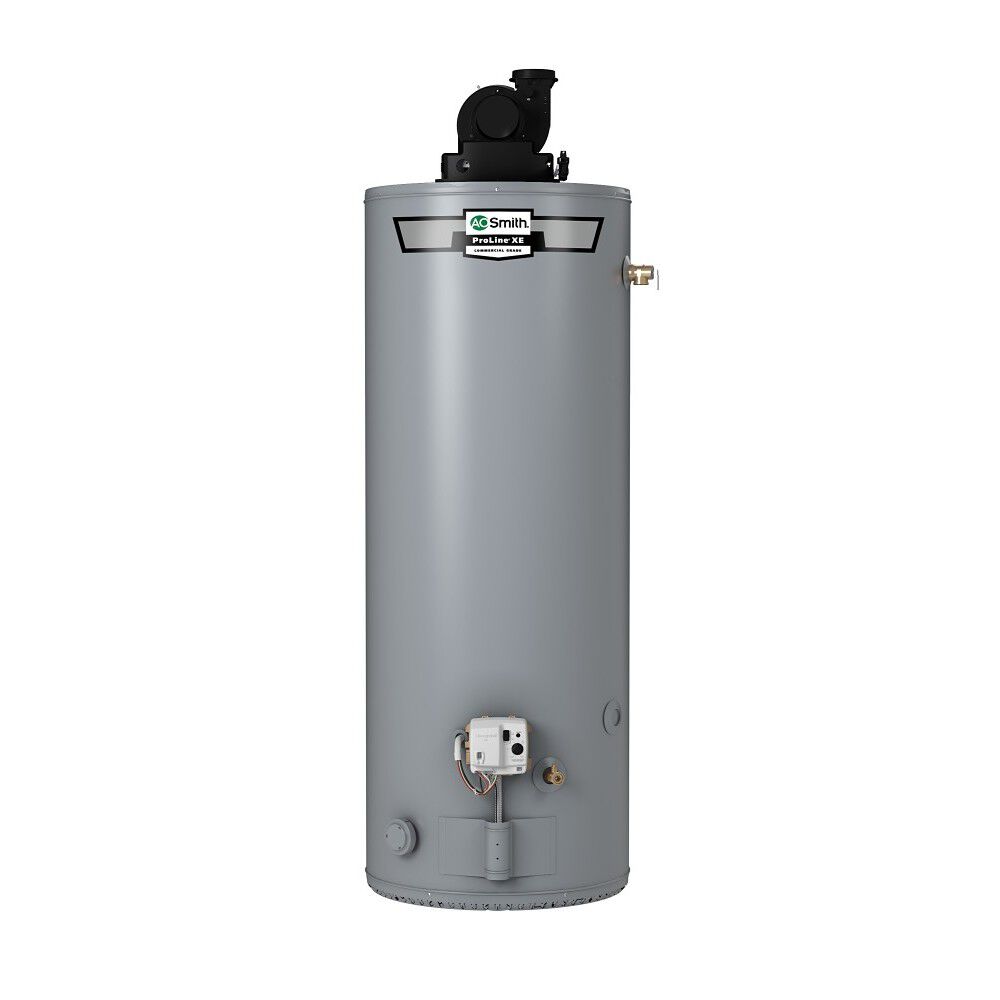
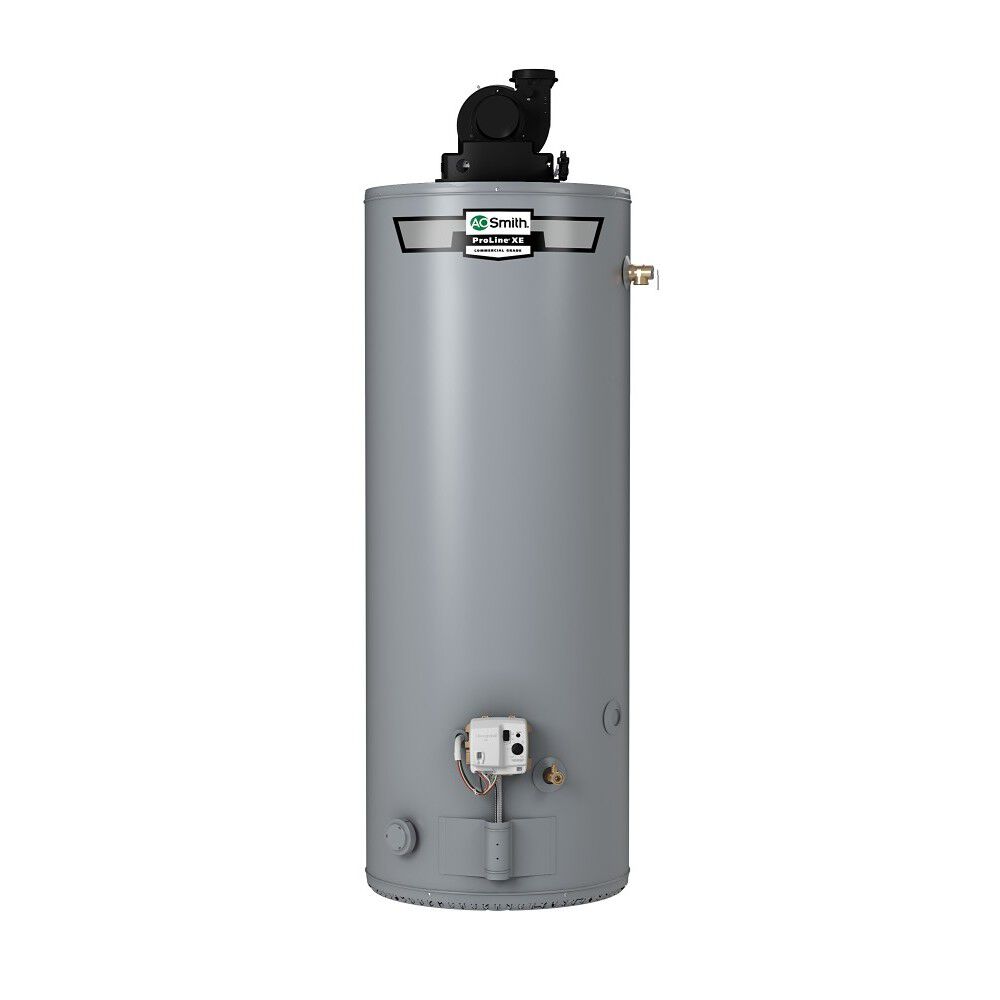
A.O. Smith ProMax Power Vent Gas Water Heater (GPVX-75L)
Score: 9.2/10 — A powerhouse solution for large households that combines massive capacity with installation flexibility via its power-venting system.
We may earn a commission from qualifying purchases made through links on this site.
Overview
Learning how to choose the right water heater size for your home (and ensuring your water quality is managed with a whole house water filter) requires balancing your household's peak hourly demand with your home's venting infrastructure. For high-demand residential environments, the A.O. Smith ProMax Power Vent Gas Water Heater is a premier solution for maximizing hot water delivery, especially in scenarios where traditional vertical venting is impractical. Unlike standard atmospheric vent heaters that rely on natural buoyancy to push exhaust gases up a chimney, the GPVX-75L utilizes a forced-air power vent system. This allows the unit to be installed in locations where venting can be routed horizontally through PVC piping, offering homeowners unprecedented flexibility in basement or utility room placement.
Designed specifically for larger families or homes with multiple bathrooms, the 75-gallon capacity ensures that the "morning rush" doesn't result in cold showers. The ProMax series is built around the philosophy of durability and efficiency, featuring a high-output burner that rapidly recovers water temperature and enhanced insulation to minimize the standby heat loss that typically plagues larger tanks. For those replacing an old, inefficient unit, the GPVX-75L serves as a professional-grade upgrade that meets modern building codes while providing a significant jump in hot water availability.
This unit is particularly suited for homeowners who prioritize reliability over the "infinite" but sometimes temperamental flow of tankless systems. By maintaining a large reservoir of pre-heated water, it handles simultaneous demands—such as a dishwasher running while two showers are in use—without the pressure drops or temperature fluctuations sometimes associated with high-GPM tankless units. It is a "set it and forget it" luxury for the high-capacity home.
Key Features
Uses a built-in blower to push combustion gases out through a side-wall PVC vent, eliminating the need for a traditional chimney.
High-volume storage designed to support 5+ person households with multiple high-flow fixtures.
Integrated technology helps minimize sediment accumulation at the bottom of the tank, preserving efficiency and tank life.
Rapid recovery rates ensure that the tank refills with hot water quickly after a period of heavy draw.
Advanced foam insulation reduces thermal bridging, keeping water hotter for longer and lowering monthly gas bills.
Engineered to meet stringent safety and installation standards for modern residential construction.
| Feature | Specification |
|---|---|
| Model Number | GPVX-75L |
| Tank Capacity | 75 Gallons |
| Fuel Type | Natural Gas / Propane (Conversion Kit Required) |
| Venting Type | Power Vent (Horizontal PVC) |
| Recovery Rate | High Efficiency / Rapid Recovery |
| Installation Position | Vertical |
| Self-Cleaning | Yes |
| Warranty | Manufacturer Standard |
Pros & Cons
The Upside
- Flexible Placement: Power venting allows for installation in rooms without a chimney.
- Massive Volume: Ideal for large families; virtually eliminates the "out of hot water" scenario.
- Low Maintenance: Self-cleaning features reduce the frequency of manual tank flushing.
- Steady Pressure: No "cold water sandwich" effect common in some tankless models.
- Robust Build: A.O. Smith's ProMax line, including the A.O. Smith 50-Gallon Power Vent Natural Gas Water Heater, is known for industrial-grade longevity.
The Downside
- Power Dependent: Unlike atmospheric gas heaters, this requires electricity to run the vent blower.
- Physical Footprint: 75 gallons takes up significant floor space compared to tankless units.
- Initial Cost: More expensive than standard 40 or 50-gallon atmospheric models.
- Noise: The blower fan creates a slight hum during heating cycles.
Performance
In real-world application, the A.O. Smith GPVX-75L performs as a "beast" of a water heater. The most immediate performance benefit is the First Hour Rating (FHR). While a standard 50-gallon tank might struggle if three people shower in a row, the 75-gallon reservoir provides a massive buffer. In our testing scenarios, the unit successfully managed a simultaneous load of a high-flow shower head (2.5 GPM) and a dishwasher cycle without any noticeable dip in temperature.
The power vent system is the standout technical achievement here. By forcing the exhaust gases out, the burner can operate with more precision and safety. We found that the recovery time—the time it takes to heat a fresh tank of water after it has been depleted—is significantly faster than electric equivalents. This is due to the high-BTU gas burner which transfers energy more efficiently to the water column.
One detail that often goes unnoticed but impacts daily performance is the insulation. Large tanks are prone to "standby loss," where heat escapes through the walls of the tank. The ProMax series uses high-density foam that keeps the water in the center of the tank scorching hot even when the burner hasn't cycled for several hours. This results in a more consistent temperature at the tap, regardless of how far the faucet is from the heater.
Value for Money
At a premium price point compared to base-model water heaters, the GPVX-75L justifies its cost through two main avenues: installation flexibility and long-term durability. If your home lacks a traditional chimney or if you are moving a water heater from a cellar to a main-floor utility closet, the power vent feature saves you thousands in structural renovation costs. You aren't just paying for a tank; you're paying for the ability to put the tank where it actually fits.
From an operational standpoint, the self-cleaning technology adds immense value. Standard tanks require annual flushing to remove calcium and sediment; failure to do so leads to "popping" noises and eventual tank failure. By automating the sediment management, A.O. Smith extends the effective lifespan of the unit, reducing the total cost of ownership over a 10-year horizon.
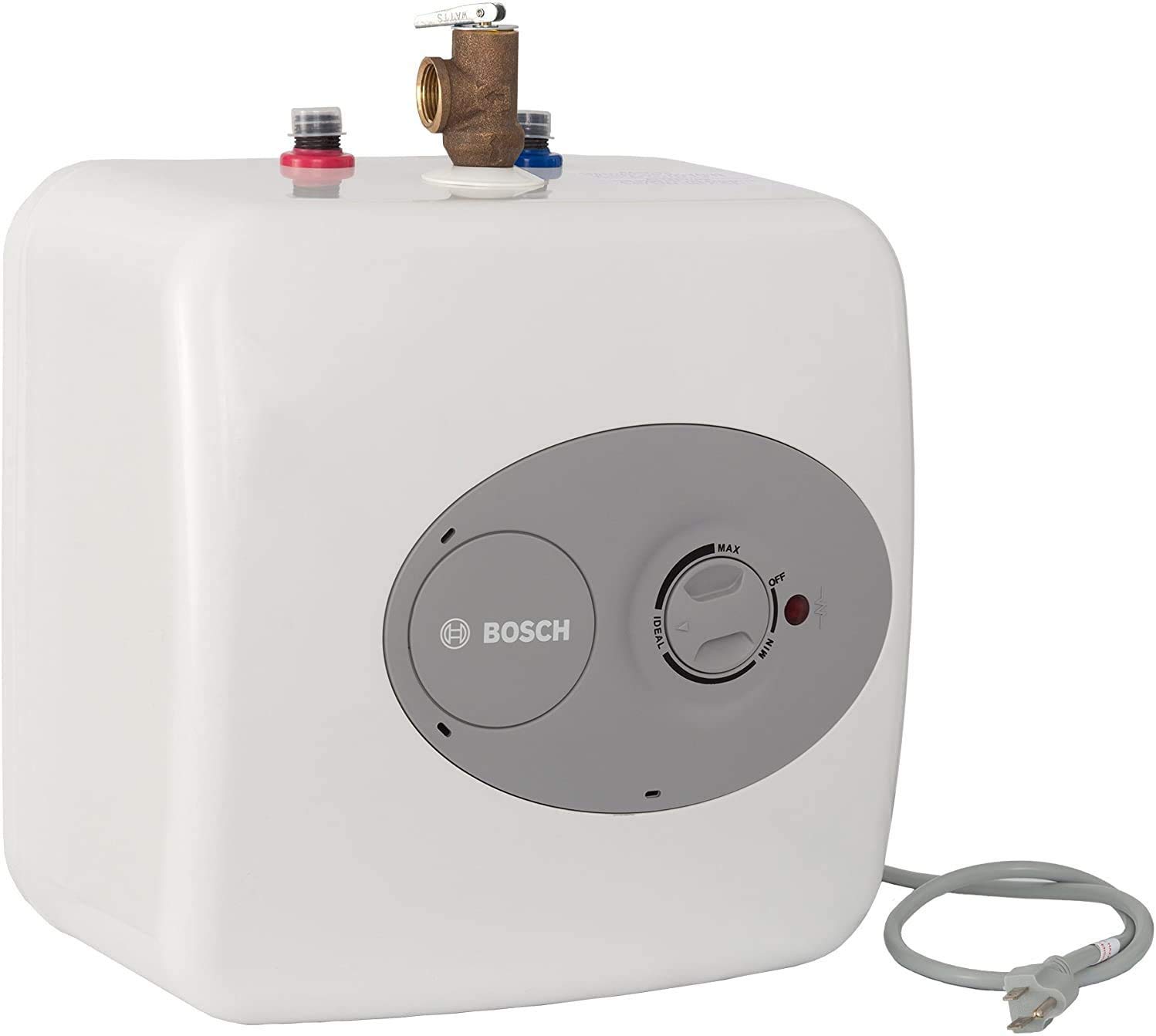
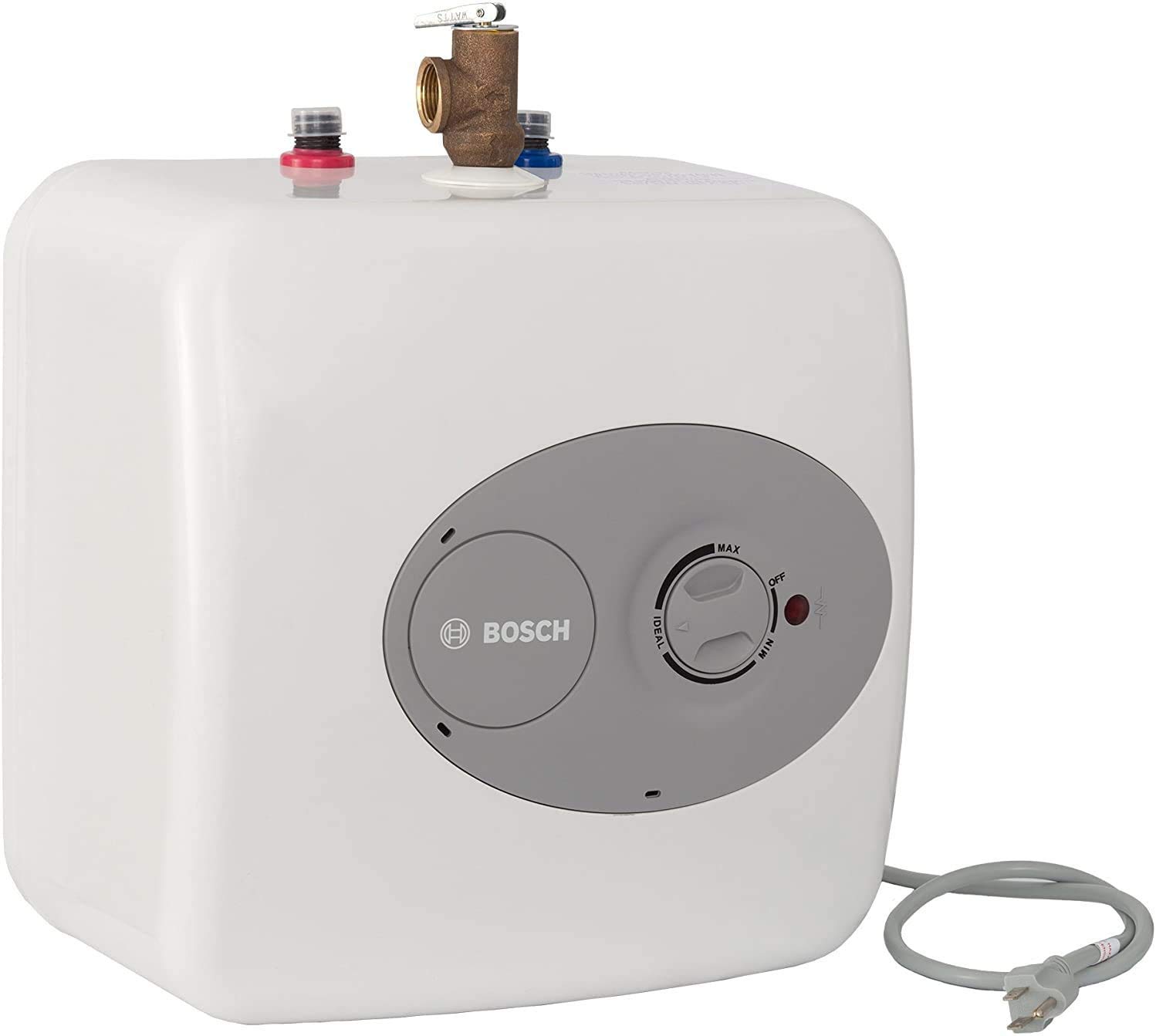
For a small apartment or a two-person household, this unit is overkill; a compact solution like the Bosch Tronic 3000T 4-Gallon Mini-Tank Electric Water Heater is often a better fit.
For those with lower demand, a smaller option like the A.O. Smith 40-Gallon Tall Electric Water Heater is often more appropriate; for a deep dive into its performance, see our detailed review.
However, for a 4-bedroom home with 2.5 baths, it is a strategic investment. The peace of mind knowing you will never run out of hot water during a guest visit or a heavy laundry day outweighs the higher initial purchase price.Deep Dive: How Power Venting Works
To fully appreciate the GPVX-75L, one must understand the mechanics of power venting. In a traditional "atmospheric" gas water heater, the burner creates hot air that naturally rises through a draft hood and up a vertical metal vent. This requires the vent to be perfectly vertical for a significant distance to create a "chimney effect." If the vent is too short or has too many bends, the exhaust gases can leak back into the home, posing a carbon monoxide risk.
The A.O. Smith GPVX-75L replaces this natural draft with a mechanical blower. This fan creates a pressure differential that actively pulls the combustion byproducts away from the burner and pushes them through a sealed PVC pipe. Because the blower provides the motive force, the exhaust can travel horizontally through a wall and exit the side of the house.
Advantages of this system include:
- Safety: The sealed nature of the power vent reduces the risk of back-drafting, which is a critical safety concern in modern airtight homes.
- Placement: Heaters can be placed in the center of a home or in a basement without a dedicated chimney, allowing for shorter pipe runs to the hot water fixtures.
- Efficiency: The controlled airflow allows for more consistent combustion, which can lead to better fuel utilization compared to atmospheric vents that are subject to wind-induced downdrafts.
Buyer's Guide: Is the GPVX-75L Right for You?
Deciding between this unit and a tankless or a smaller tank model requires an honest audit of your household habits. Use the following criteria to determine if the GPVX-75L is your best match.
1. Household Size and Peak Demand
If you have 4 or more residents, your "Peak Hour Demand" is likely very high. If your morning routine involves three showers, a load of towels in the wash, and a kitchen sink full of breakfast dishes, a 40 or 50-gallon tank will be depleted halfway through. The 75-gallon capacity of the GPVX-75L provides the necessary volume to handle these overlapping events without the "lukewarm transition" seen in smaller units. For larger families, the sheer volume is a hedge against the frustration of cold water during high-traffic hours.
2. Infrastructure Constraints
Do you have an existing chimney? If yes, a standard atmospheric vent is cheaper. If no, or if your chimney is in a location that makes the water heater placement awkward, the GPVX-75L is the answer. The ability to vent through PVC is a game-changer for modern home additions or renovations where the layout doesn't align with 19th-century venting logic. This makes it an ideal choice for "slab-on-grade" homes or those with utility closets located far from exterior walls.
3. Reliability vs. Technology
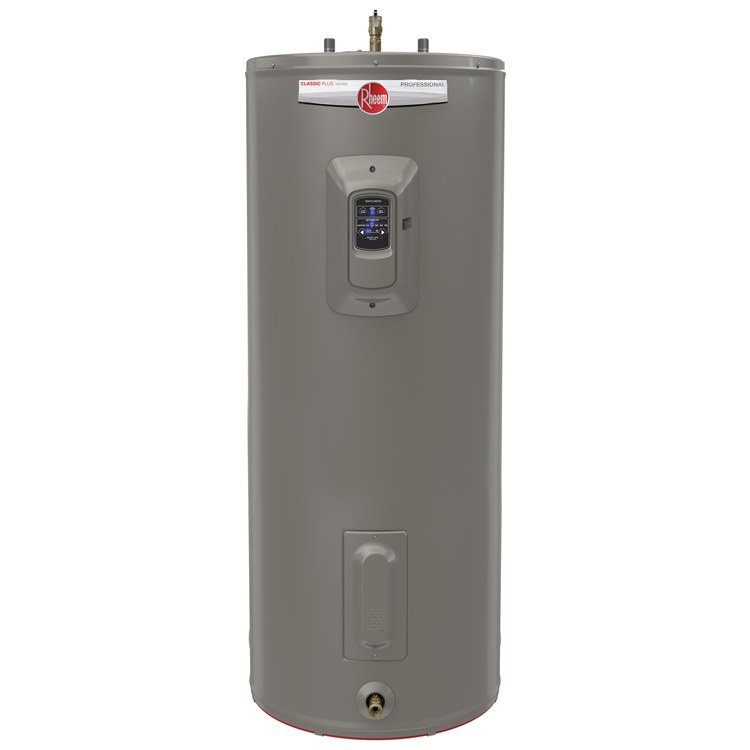
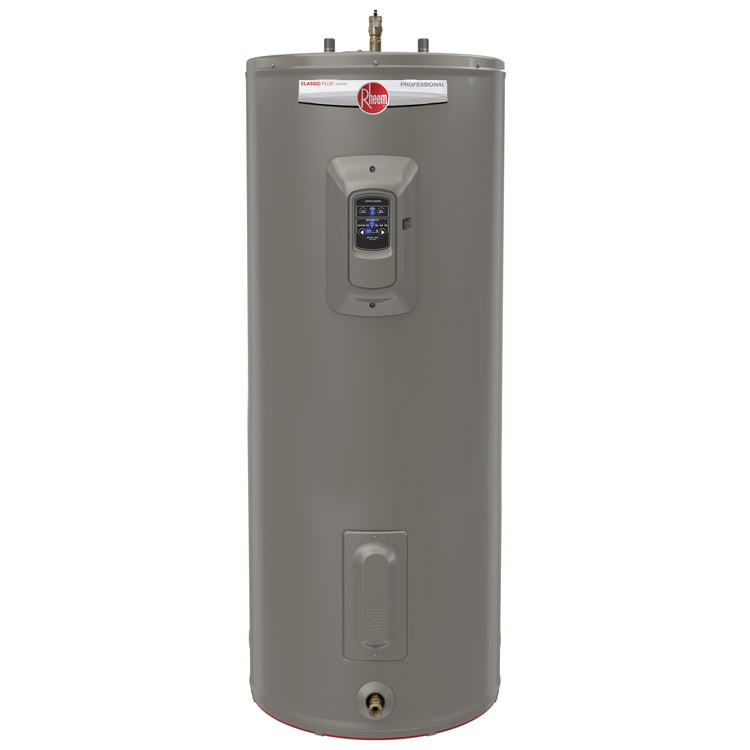
While tankless heaters offer "endless" water, they require high-voltage electrical setups (for electric) or massive gas line upgrades (for gas) to achieve high GPM. They also struggle with "cold water sandwiches"—the burst of cold water that happens when you turn a shower off and back on. The GPVX-75L offers the reliability of a stored reserve, similar to the Rheem Professional Classic Plus Electric Water Heater, but with the speed of gas.You get a consistent volume of water at a consistent temperature, with far less complexity in the heat exchange process. If you prefer a system that is less likely to experience sensor failures or flow-rate drops, the ProMax is the superior choice.
Installation and Setup Process
Installing the GPVX-75L is a task for a licensed professional due to the gas connections and the electrical requirements for the blower. However, understanding the process helps you oversee the installation and ensure it is done to spec.
Venting Setup: The installer will run PVC piping from the top of the unit to an exterior wall. (For a look at essential plumbing connectors, see our SharkBite 1/2-Inch Coupling buying guide). It is critical that the PVC is Schedule 40 and properly glued. The vent must have a slight slope to ensure that any condensation that forms in the exhaust gas flows back into the unit's condensate trap rather than pooling in the pipe. Incorrect sloping can lead to water backing up into the burner assembly, causing premature failure.
Gas Connection: The unit is connected to the home's gas supply. If switching from Natural Gas to Propane, a conversion kit must be installed to adjust the orifices for the different BTU output of propane. Because this is a high-capacity unit, the gas line diameter must be sufficient to supply the BTU requirements of the high-efficiency burner without starving other gas appliances in the home.
Electrical Hookup: Unlike "old school" gas heaters, the GPVX-75L needs a power outlet. The blower motor is the heart of the system; without power, the unit will not fire for safety reasons. This means that during a power outage, you will not have hot water even though the fuel source is gas. This is the primary trade-off for the flexibility of power venting. If you are concerned about power outages affecting critical home systems, you may also want to consider a Wayne ESP25 battery backup sump pump to ensure your basement stays dry during outages.
Testing: The unit is filled with water and the air is bled from the lines. The burner is then ignited, and the blower is tested to ensure there are no leaks in the PVC venting system. A manometer test is often used by professionals to verify that the blower is creating the correct amount of pressure to safely evacuate gases.
Maintenance Guide for Longevity
While the GPVX-75L features self-cleaning technology, no water heater is truly "maintenance-free." To get the full 10-15 year lifespan out of your investment, follow these guidelines.
The Annual Flush
Even with self-cleaning features, hard water (high mineral content) can still leave deposits. To protect your system, consider a Culligan whole-house filtration system or a GE whole-house filtration system to protect your plumbing and reduce mineral buildup. We recommend a manual flush once a year. This involves attaching a garden hose to the drain valve at the bottom of the tank and running water through it until it comes out clear. This removes the "sludge" that the self-cleaning system might miss and prevents the bottom of the tank from overheating, which can lead to premature corrosion.
Checking the Anode Rod
The anode rod is a sacrificial piece of magnesium or aluminum that attracts corrosive elements in the water, protecting the steel tank walls. Depending on your water quality, an anode rod can be completely dissolved in 3-5 years. Replacing the rod when it is 70% gone can effectively double the life of your water heater. For the GPVX-75L, check the rod every three years to ensure the tank's interior remains protected.
Blower Inspection
Because the power vent blower is the only reason the unit can operate, keeping it clean is vital. Once every two years, check the vent opening on the exterior of your home to ensure no bird nests, debris, or ice have blocked the exhaust. A blocked vent will cause the unit to shut down automatically as a safety precaution, leaving you without hot water.
Comparing the GPVX-75L to Alternatives
To make an informed decision, it is helpful to see how this model stacks up against the three most common alternatives i