Choosing between a gas and electric water heater is one of those decisions that quietly shapes your daily comfort and monthly utility bills for a decade or more. Both technologies have matured significantly, and the right answer depends on your home's existing infrastructure, local energy costs, household size, and long-term efficiency goals. This guide breaks down every meaningful difference so you can make a confident, informed choice before calling a plumber or hitting checkout.
Quick Picks: TL;DR
- Best for most homes with a gas line: Gas water heater — faster recovery, lower operating costs in most U.S. markets.
- Best for all-electric homes or tight spaces: Electric resistance water heater — lower upfront cost, easy installation, no venting required.
- Best for maximum long-term savings: Electric heat pump water heater — 2–4× more efficient than resistance electric, qualifies for federal tax credits.
1. Gas Water Heater
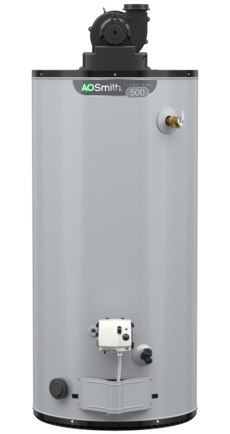
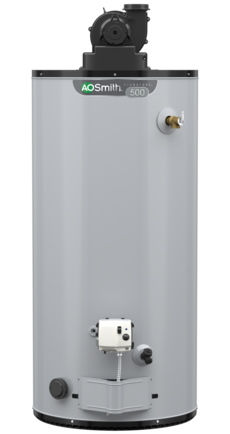
A conventional gas water heater uses a burner fueled by natural gas or liquid propane (LP) to heat water stored in an insulated tank, typically ranging from 30 to 80 gallons. Because combustion delivers heat rapidly, gas models recover quickly after a heavy draw — a 50-gallon unit can reheat a full tank in roughly 30–40 minutes, compared to 60–80 minutes for a comparable electric resistance model.
Who it's for: Households already connected to a natural gas line, larger families with high simultaneous hot-water demand, and homeowners looking to minimize operating costs in areas where natural gas is priced well below electricity on a per-BTU basis.
Installation requirements
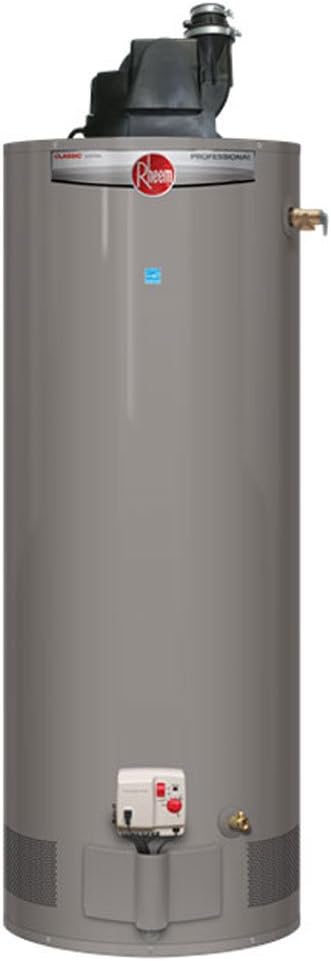
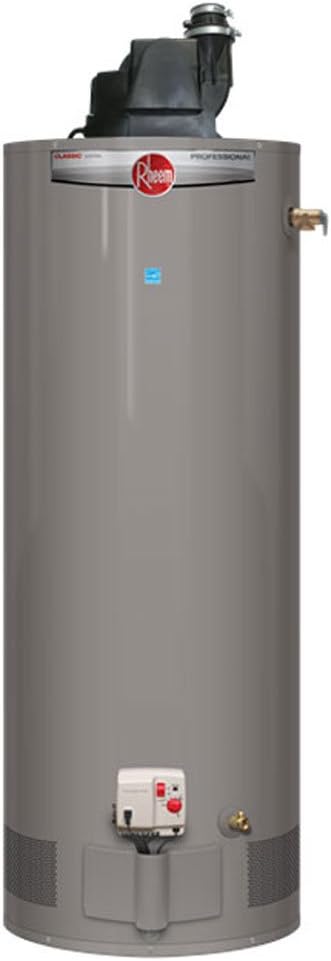
Gas water heaters require a dedicated gas supply line, a cold-water inlet, a hot-water outlet, a temperature-pressure relief (TPR) valve, and — critically — a flue or venting system to expel combustion byproducts outdoors. Traditional atmospheric-vent models use a vertical exhaust flue; power-vent models use a blower to push exhaust through a horizontal PVC pipe, offering more flexible placement. Direct-vent models pull combustion air from outside, making them suitable for tight or unventilated utility rooms.
Energy factor and operating costs
Modern gas water heaters carry a Uniform Energy Factor (UEF) of roughly 0.60–0.70 for standard atmospheric-vent models and up to 0.80–0.86 for high-efficiency condensing units. At average U.S. natural gas prices, a typical family of four spends approximately $200–$350 per year to heat water with gas, depending on local rates and usage patterns.
Safety and maintenance
Gas appliances introduce combustion risks — carbon monoxide, gas leaks, and improper draft — that electric units simply don't carry. Annual inspection of the burner, thermocouple, and venting is strongly recommended. Anode rod replacement every 4–6 years prolongs tank life regardless of fuel type.
Pros
- Faster first-hour delivery and tank recovery
- Lower operating costs in most U.S. gas markets
- Continues to function during power outages (pilot ignition models)
- Wide range of sizes and venting configurations
- Lower upfront cost than heat pump electric models
Cons
- Requires an existing gas line (costly to add)
- Mandatory venting increases installation complexity and cost
- Combustion safety risks require ongoing maintenance
- Standby heat loss through the flue reduces overall efficiency
- Not viable for all-electric homes or apartments
Prices and availability vary by region and retailer. Always verify local rebates and gas utility incentives before purchasing.
2. Electric Resistance Water Heater
The most common alternative to gas, a conventional electric water heater uses one or two immersion heating elements — typically 4,500 watts each — to heat stored water. Because there's no combustion and no venting requirement, these units can be installed virtually anywhere with a 240V electrical circuit and standard plumbing connections.
Who it's for: All-electric homes, condos, and apartments where running a gas line is impractical or prohibited; budget-conscious buyers who prioritize low upfront cost and simple installation; and homeowners in regions where electricity rates are competitive with gas.
Installation requirements
A conventional electric water heater needs a 240V/30A dedicated circuit (larger elements may require 40A), a cold-water inlet, a hot-water outlet, and a TPR valve. No venting is needed. This simplicity makes DIY installation more accessible, though local codes often still require a licensed plumber for appliance connections.
Energy factor and operating costs
Electric resistance heaters have a UEF of approximately 0.90–0.95 — nearly all input energy converts directly to hot water with no flue losses. However, because electricity typically costs more per BTU than natural gas, annual operating costs for the same household often run $400–$600, depending on local electricity rates. The calculus shifts in states like the Pacific Northwest, where hydroelectric power keeps electricity rates low.
Reliability and lifespan
Electric water heaters are mechanically simpler than gas units — no burner, thermocouple, gas valve, or flue to maintain. Average lifespan is 10–15 years with regular anode rod service. Heating elements are inexpensive and straightforward to replace.
Pros
- Lowest upfront purchase price
- No venting required — flexible placement
- Simpler installation; no gas line needed
- No combustion safety risks
- High energy conversion efficiency (UEF ~0.90–0.95)
Cons
- Higher operating costs in most U.S. markets vs. gas
- Slower recovery time after heavy use
- Does not function during power outages
- 240V circuit required (may need panel upgrade in older homes)
- Less efficient per dollar spent on energy than heat pump models
Check with your local utility for demand-response rebates — some providers discount electric water heater operation during off-peak hours.
3. Electric Heat Pump Water Heater (Hybrid)
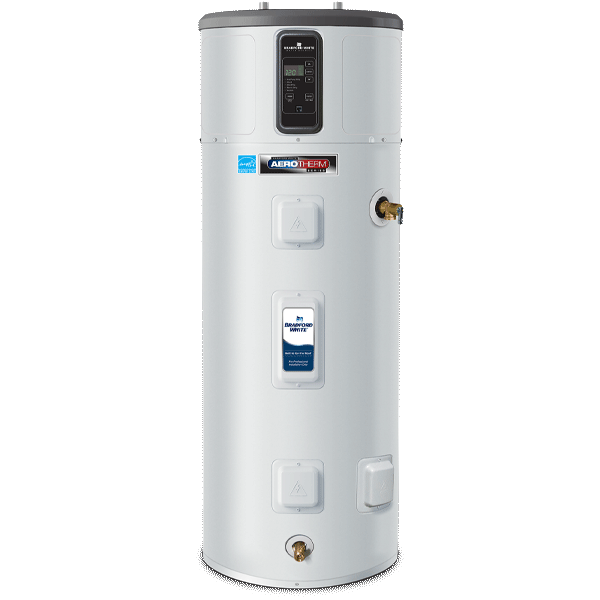
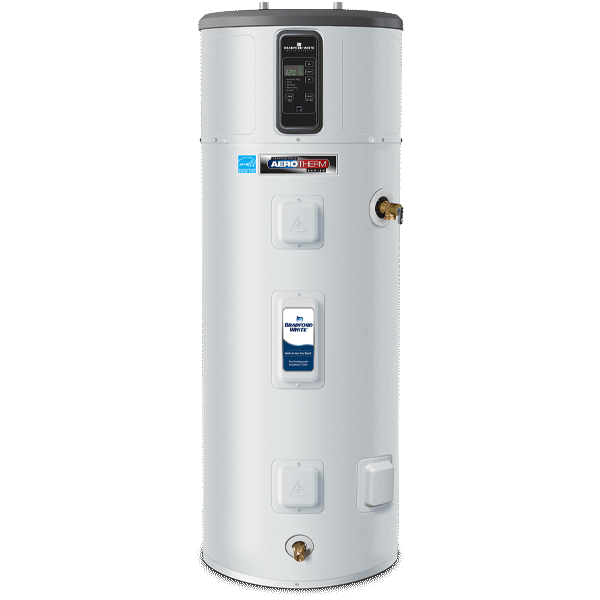
Heat pump water heaters (HPWHs) are the highest-efficiency option in the residential market today. Rather than generating heat directly, they extract ambient heat from the surrounding air and transfer it to the water tank — the same principle as a refrigerator running in reverse. This process is measured by a Coefficient of Performance (COP) of 2.0–4.0, meaning the unit delivers two to four units of heat energy for every unit of electricity consumed.
Who it's for: Homeowners prioritizing long-term energy savings, those looking to electrify their home as part of a broader clean-energy transition, and households in unconditioned spaces (garages, basements) with adequate ambient air. Also ideal for those who qualify for the federal Residential Clean Energy Credit or state-level rebates.
Installation requirements
HPWHs require a 240V circuit (same as standard electric), but they also need roughly 700–1,000 cubic feet of surrounding air space to draw heat from efficiently. They expel cool, dehumidified air as a byproduct — a bonus in warm climates, a minor heating penalty in cold ones. Ceiling height of at least 7 feet is generally recommended. Some models offer dedicated exhaust ducting for installation in smaller spaces.
Energy factor and operating costs
Top-tier HPWHs achieve a UEF of 3.75 or higher. At average U.S. electricity rates, annual water heating costs can drop to $150–$250 — competitive with gas and sometimes lower. The Inflation Reduction Act (IRA) provides a federal tax credit of up to $2,000 for qualifying heat pump water heaters, and many states and utilities layer additional rebates on top.
Noise and ambient impact
HPWHs run a small compressor and fan, producing approximately 50–55 decibels of noise — similar to a dishwasher. This is rarely problematic in a garage or basement but worth considering in a first-floor utility closet adjacent to living areas.
Pros
- 2–4× more efficient than standard electric resistance
- Lowest annual operating costs of any water heater type
- Eligible for significant federal tax credits and utility rebates
- No combustion, no venting, no gas line required
- Dehumidifies the installation space as a side benefit
Cons
- Highest upfront purchase price ($800–$1,400+)
- Requires adequate surrounding air volume and clearance
- Produces audible compressor noise
- Slightly reduces heating efficiency in cold installation spaces
- More complex servicing than a standard electric tank
Federal tax credits and rebate programs change periodically. Confirm current eligibility with the ENERGY STAR website or a licensed HVAC/plumbing contractor before purchase.
Our Pick for Most Homeowners: Heat Pump Water Heater
If your home is all-electric or you're planning to drop your gas service, the heat pump water heater wins on total cost of ownership by a wide margin. The higher sticker price is quickly offset by operating savings and available tax credits. Gas remains the pragmatic choice if you already have a gas line and your local gas prices are low. Standard electric resistance is the right call only when budget, space, or infrastructure rules out the other two.
| Feature | Gas (Conventional) | Electric Resistance | Electric Heat Pump |
|---|---|---|---|
| Typical UEF / COP | 0.60–0.86 | 0.90–0.95 | 2.0–4.0+ (UEF 3.0–4.0) |
| Avg. Annual Operating Cost | $200–$350 | $400–$600 | $150–$250 |
| Typical Upfront Cost | $400–$900 | $300–$700 | $800–$1,400+ |
| Venting Required | Yes | No | No |
| Gas Line Required | Yes | No | No |
| Works During Power Outage | Yes (pilot ignition) | No | No |
| Recovery Speed | Fast (~30–40 min) | Moderate (~60–80 min) | Moderate (~60–80 min*) |
| Federal Tax Credit (IRA) | No | No | Up to $2,000 |
| Avg. Lifespan | 8–12 years | 10–15 years | 10–15 years |
| Installation Complexity | Moderate–High | Low–Moderate | Moderate |
| Best Climate / Setting | Any with gas access | Any (all-electric homes) | Warm or moderate; large unconditioned space |
* Heat pump models include electric resistance backup elements that activate on demand, providing comparable peak output to standard electric models. Cost estimates based on U.S. national average energy prices; your figures will vary by region.
How do I know if a gas water heater is worth it in my area?
Compare your local natural gas rate (in dollars per therm) against your electricity rate (in cents per kWh). As a rough guide, if your electricity costs more than about 3× the per-BTU equivalent of your gas rate, gas will be cheaper to operate. Your local utility's website or a licensed plumber can help you run the numbers precisely. Don't forget to factor in any gas line installation costs if you don't already have one — adding a new gas line can run $500–$2,000 or more depending on distance and local labor rates.
Can I switch from gas to electric (or vice versa) without major renovation?
Switching from gas to electric typically requires installing a 240V/30A dedicated circuit if one isn't present, and capping the existing gas line — both manageable jobs for a licensed electrician and plumber. Switching from electric to gas is more involved: you'll need to run a new gas supply line, install appropriate venting (flue or power vent), and potentially add a gas meter. Budget $500–$3,000 for a gas conversion depending on your home's layout and local labor costs.
What size water heater do I need?
Tank-style water heaters are sized by First Hour Rating (FHR) — how many gallons of hot water the unit can deliver in the first hour of use. As a general starting point: 1–2 people need a 30–40 gallon tank; 3–4 people need 40–50 gallons; 5+ people should consider 50–80 gallons or a tankless system. For heat pump water heaters, 50–65 gallon tanks are most common because the unit's efficiency partially compensates for any sizing difference. Always check the FHR on the EnergyGuide label rather than relying on tank capacity alone.
Is a tankless (on-demand) water heater better than a tank model?
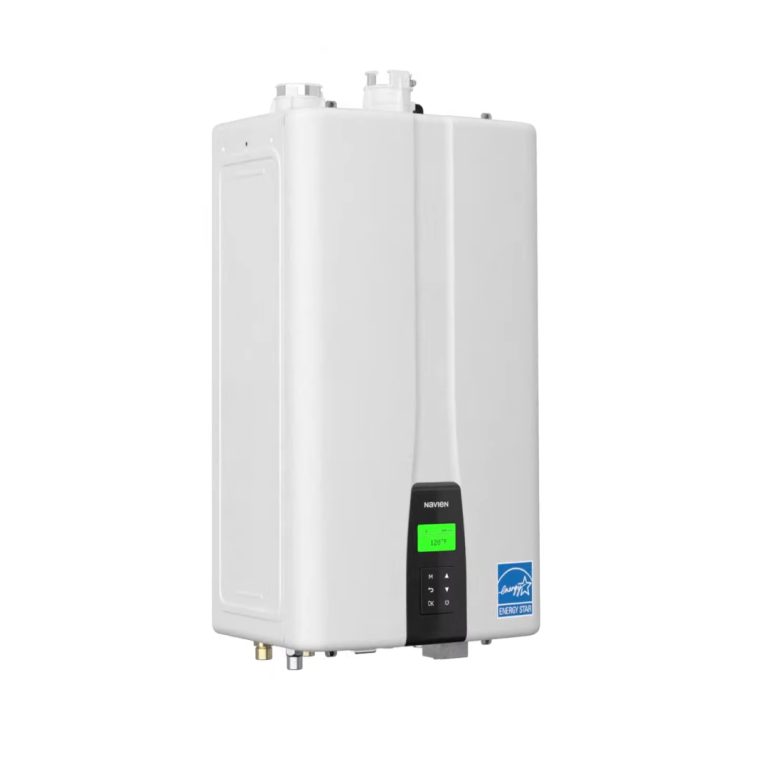
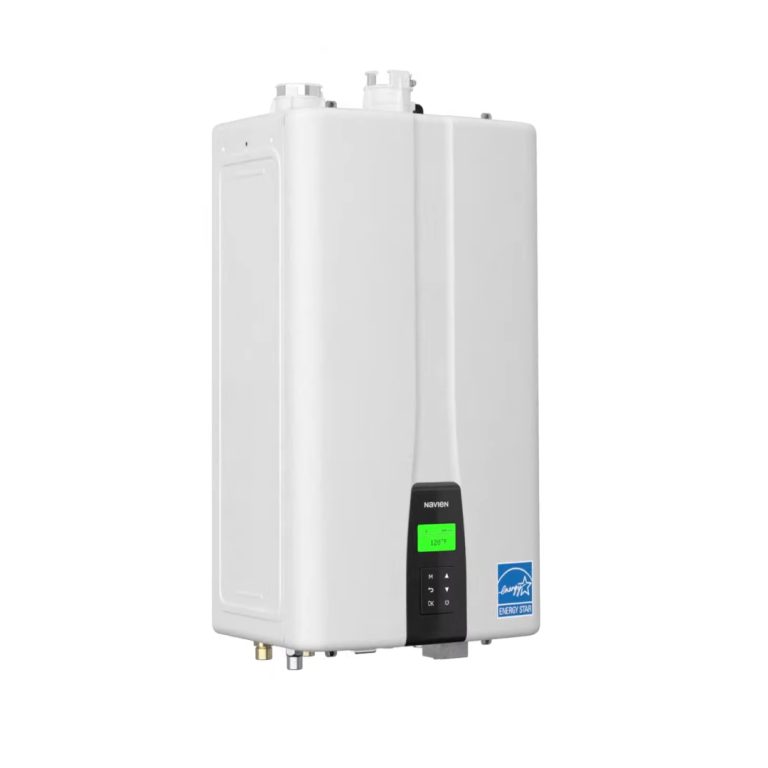
Tankless heaters eliminate standby heat loss and can supply endless hot water, but they have high flow-rate demands — gas tankless units may require a larger gas line, and electric tankless models often need 150–200 amp service upgrades that are cost-prohibitive in many homes. They shine in smaller households with low simultaneous demand or as point-of-use units for remote fixtures. For most families, a high-efficiency tank model (especially an HPWH) delivers better value after accounting for installation costs.
How long does a water heater typically last, and when should I replace mine?
Most tank water heaters last 8–15 years. Warning signs that replacement is overdue include rust-colored water, rumbling or popping noises from sediment buildup, visible corrosion around the tank or fittings, water pooling beneath the unit, and a noticeable drop in hot-water capacity or recovery speed. Proactive replacement before failure avoids emergency service fees and water damage. If your unit is more than 10 years old and showing any of these symptoms, start shopping now rather than waiting for a cold shower to force the decision.