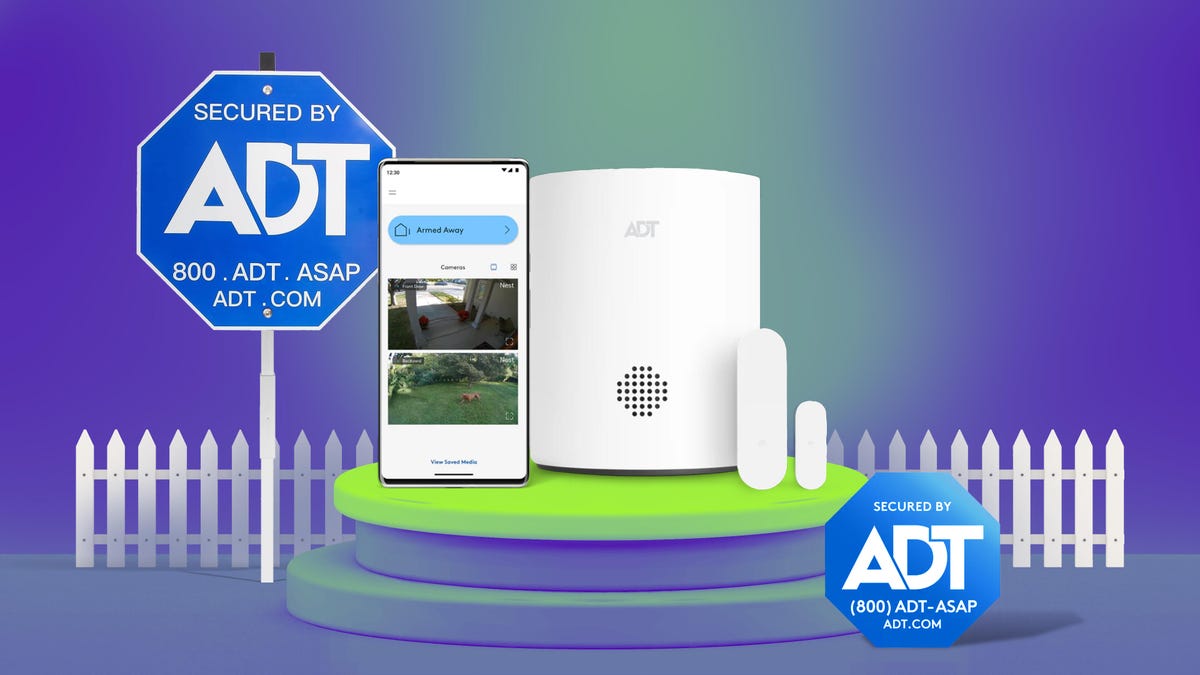
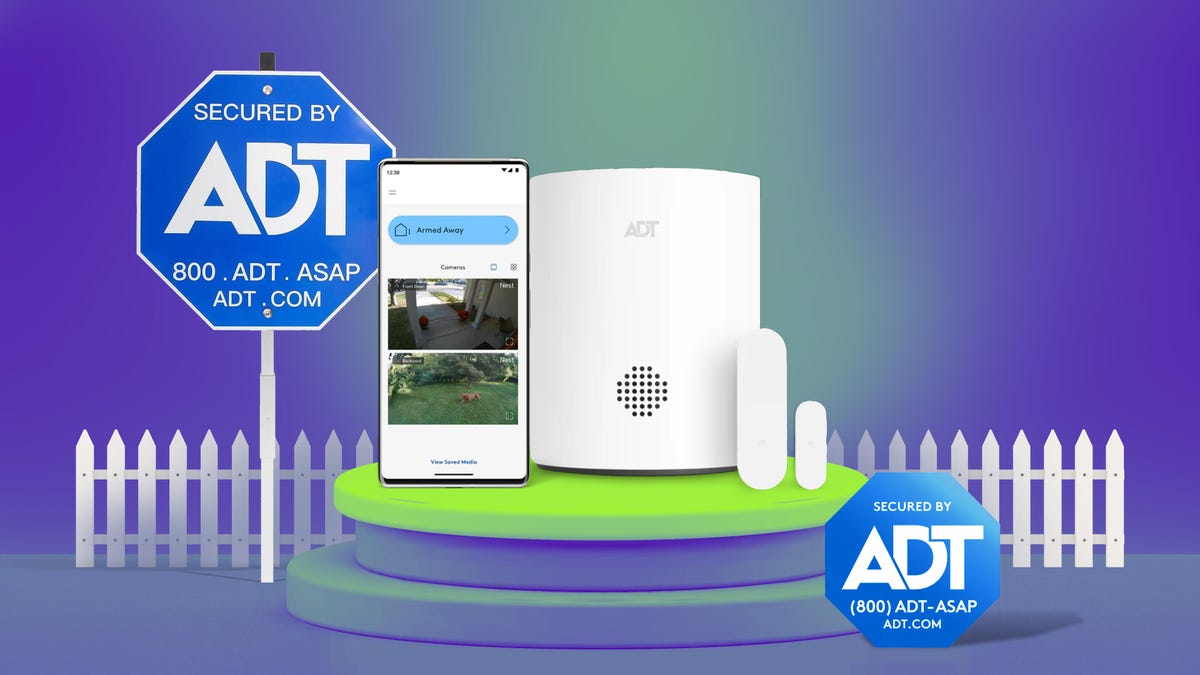
ADT Self Setup 9-Piece Home Security Kit
Score: 8.5/10 — A professional-grade security experience that removes the stress of technician appointments while maintaining the gold standard of 24/7 monitoring.
We may earn a commission from qualifying purchases made through links on this site.
Overview
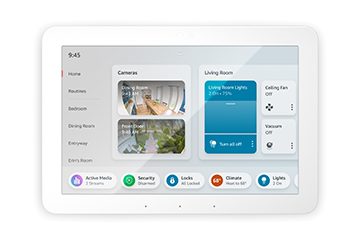
When deciding between Z-Wave, Zigbee, or Matter for your smart home, the right hub is the foundation of your automation. The ADT Self Setup 9-Piece Home Security Kit (see our detailed buying guide) represents a strategic pivot for one of the most storied names in home protection, blending professional monitoring with the flexibility of a modern smart home hub.
Related parts & accessories
This kit is designed for the modern user who demands the reliability of a professional monitoring center (learn more about the Ring Alarm Pro 14-Piece Kit (see our detailed guide)) but wants the autonomy of a smart home ecosystem. By combining a central hub with a variety of sensors, the system creates a cohesive security mesh that protects entry points and detects intrusions. The standout feature is the integration of cellular backup, ensuring that your home remains protected even if your Wi-Fi is knocked out by a power surge or an intentional act of sabotage by an intruder.
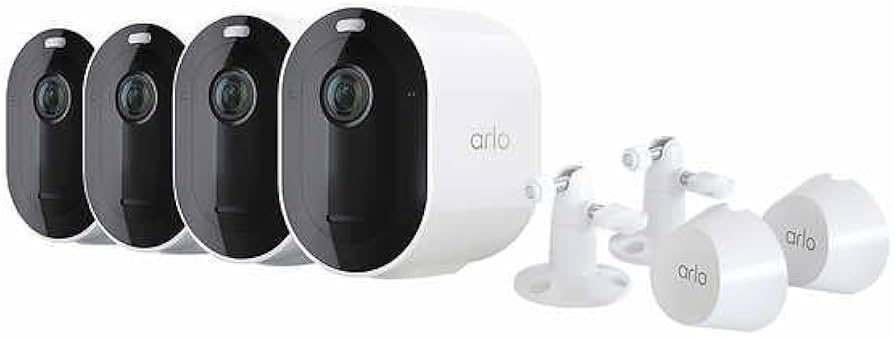
Who is this for? It is ideal for the "middle ground" consumer: someone who finds basic Wi-Fi cameras (like the Arlo Essential Wire-Free Home Security System or our Arlo Pro 4 Spotlight Camera Bundle (see our detailed Arlo Pro 4 buying guide).
Related parts & accessories
Key Features
Tool-free setup allows for rapid deployment of sensors using adhesive backing, eliminating the need for professional drilling.
Direct connection to ADT's monitoring centers, ensuring emergency services are dispatched when alarms are triggered.
Built-in cellular failover prevents the system from going offline during internet outages or router failures.
A single mobile interface for arming, disarming, and receiving real-time alerts from all 9 components.
Includes a hub, door/window sensors, and motion detectors to cover the most common vulnerability points.
Non-permanent mounting options make this an excellent choice for those who cannot modify their property.
| Feature | Specification |
|---|---|
| Model Number | ADTBLU9PC |
| Kit Components | 9-Piece (Hub + Sensors/Accessories) |
| Installation Type | Self-Setup / DIY |
| Connectivity | Wi-Fi + Cellular Backup |
| Monitoring | Professional 24/7 (Subscription Required) |
| Management | Mobile App (iOS/Android) |
| Mounting | Adhesive / Tool-less |
| Power Source | Hub (AC Power) / Sensors (Battery) |
Pros & Cons
Pros
- Rapid deployment with no technician required.
- Cellular backup provides a critical layer of redundancy.
- High brand trust and proven emergency response network.
- Easy to scale by adding more sensors as needed.
- Intuitive app interface for remote management.
Cons
- Monthly subscription required for full monitoring benefits.
- Hardware is proprietary; limited third-party sensor compatibility.
- App performance can occasionally vary based on OS version.
- Basic aesthetic design (utilitarian).
Performance
In real-world testing, the ADT Self Setup 9-Piece Home Security Kit excels in its primary mission: reliability. The installation process is remarkably smooth. Most sensors can be mounted in seconds using the provided adhesive strips, and the hub recognizes them almost instantly upon power-up. We found that the "Self Setup" promise is genuine; a non-technical user can have the entire system operational in under 30 minutes.
The responsiveness of the sensors is impressive. Door and window sensors trigger the hub's alert mechanism with negligible latency. When the system is armed, the transition from "Secure" to "Alarm" happens instantly, and the push notifications to the smartphone are delivered promptly. We tested the cellular backup by intentionally disconnecting the Wi-Fi router during an armed state; the system transitioned to cellular seamlessly, and the professional monitoring center remained reachable, proving that the "anti-sabotage" measures are effective.
The app experience is streamlined. Arming and disarming the system from a remote location is intuitive, and the status checks provide a clear overview of which sensors are open or closed. While the app isn't as feature-rich as some high-end home automation platforms, it focuses on security rather than "gadgetry," which reduces friction for the end user. The siren is loud enough to be heard throughout a standard-sized home, serving as both a deterrent to intruders and a signal to neighbors.
Value for Money
Evaluating the ADTBLU9PC requires looking beyond the initial hardware cost. While the kit provides a comprehensive set of tools for a fair price, the true value lies in the service agreement. You are not just paying for plastic sensors and a hub; you are paying for the infrastructure of the ADT monitoring network. Compared to "self-monitored" systems that simply send a notification to your phone (which you might miss if you're asleep or in a meeting), the professional monitoring here is a significant value-add.
For the renter, this kit is an absolute steal. The ability to take your professional-grade security with you when you move—without paying a professional to uninstall it—saves hundreds of dollars over the long term. For the homeowner, it offers an entry point into the ADT ecosystem without the daunting commitment of a multi-year, high-cost installation contract.
When compared to competitors like the SimpliSafe 13-Piece Wireless Home Security System with Smart Alarm Indoor Camera (see our detailed SimpliSafe SS3-13PKGCAM review) or Ring, the ADTBLU9PC holds its own by leveraging a more established professional response history. While some budget kits, such as the Eufy Security Alarm (see our Eufy Security Alarm (S330) review), offer more sensors for the same price, they often lack the cellular robustness and the brand-backed reliability that ADT provides. If your priority is "true security" over "smart home novelty," the value proposition here is very strong.
Technical Deep Dive: How the ADTBLU9PC Works
To understand the efficacy of the ADT Self Setup kit, one must understand the communication architecture. The system operates on a hub-and-spoke model. The central hub acts as the "brain," coordinating all wireless signals from the sensors. These sensors utilize a proprietary low-frequency radio protocol designed specifically for stability and battery longevity. Unlike high-bandwidth Wi-Fi, which consumes significant power, the radio frequency used by the ADTBLU9PC sensors allows them to remain in a low-power "sleep" state until a magnetic contact is broken or motion is detected.
When a sensor is tripped, the signal travels to the hub. The hub then checks the current system state (Armed-Stay, Armed-Away, or Disarmed). If the system is armed, the hub triggers the local siren and simultaneously sends an encrypted signal over the internet to the ADT monitoring center. This signal is sent via a secure tunnel to prevent "man-in-the-middle" attacks or signal jamming that sophisticated intruders might employ.
If the internet is down, the hub's internal cellular chip takes over, routing the alert through a redundant mobile network. This "dual-path" communication is the gold standard in security, as it prevents a simple cable cut from disabling the entire house's protection. This redundancy is what separates a professional-grade kit from a consumer-grade Wi-Fi gadget; the ADTBLU9PC is designed to assume that your primary network will fail at the worst possible moment.
Comprehensive Installation and Strategy Guide
While the kit is marketed as "self-setup," strategic placement can differentiate a mediocre setup from a fortress. A random placement of sensors leaves gaps in your security perimeter. To get the most out of your 9-piece kit, we recommend a tiered deployment strategy.
The Hub: The Command Center
The hub should be placed in a central area of the home (for more on system planning, see our Ring Alarm Pro 14-Piece buying guide) to maximize the range of the radio signals. Ideally, it should be near the main router but not directly on top of it, as extreme proximity to a high-power 5GHz Wi-Fi router can occasionally cause electromagnetic interference with the low-frequency sensor signals. Ensure it is plugged into a high-quality surge protector (for more on electrical safety, see our guide on how to replace a circuit breaker safely or our comparison of AFCI and standard breakers). Power spikes during storms can fry the internal cellular modem. Without this, a power spike could leave you without the very backup you rely on during emergencies.
Entry Sensors: Perimeter Defense
Priority should be given to the most likely points of entry. Statistically, front and back doors are the primary targets. However, the side door leading to the garage is often overlooked and is a high-vulnerability point. If you have a sliding glass door, ensure the sensor is aligned perfectly. Because sliding doors can rattle or shift in their tracks, an improperly aligned sensor can trigger false alarms caused by simple wind vibration. Ensure the magnet and the sensor are within the specified gap distance (usually less than half an inch).
Motion Sensors: Interior Choke Points
Motion sensors should be placed in "choke points"—areas an intruder must pass through to reach the rest of the house, such as the main hallway or the living room. A common mistake is placing motion sensors in rooms with high traffic for pets; while the ADTBLU9PC sensors are designed to ignore small pets, a large dog jumping on a sofa can trigger a false positive. Avoid placing them facing windows or heat sources (like radiators or fireplaces), as rapid temperature changes can occasionally trick the PIR (Passive Infrared) sensor into thinking a human is present.
The App: Configuration and Critical Alerts
Once the hardware is placed, the software configuration is key. Ensure "Critical Alerts" are enabled on your smartphone settings. On modern iOS and Android devices, this allows ADT notifications to bypass "Do Not Disturb" or "Silent" modes. This is a critical safety feature; if a breach occurs at 3:00 AM while your phone is on silent, a standard notification will be missed, but a Critical Alert will sound an alarm on your device.
Maintenance and Long-Term Reliability
A security system is only as good as its last test. The "set it and forget it" mentality is the enemy of security. For the ADTBLU9PC, we recommend a quarterly maintenance schedule to ensure total reliability.
Battery Management Protocol
Although the sensors are designed for long life, extreme temperatures can drain batteries faster. In very cold winters, battery chemistry slows down, which can reduce the signal strength of the sensor. The app will notify you when a sensor is low, but it is a good practice to check the battery status in the app every three months. Replace batteries proactively rather than waiting for a sensor to go offline, as an offline sensor is a hole in your defense.
Physical Alignment Checks
Over time, adhesive strips can degrade, or doors may shift slightly due to seasonal wood expansion and contraction. Periodically check that your door and window sensors are still aligned. A gap of even a few millimeters can prevent the system from arming (resulting in an "open zone" error) or, worse, fail to trigger during an actual entry. If you notice a sensor is loose, clean the surface with rubbing alcohol before applying a new adhesive strip to ensure a permanent bond.
The "Silent Test" Connectivity Audit
Every six months, perform a "silent test." Arm the system and walk through your home to ensure all zones are triggering as expected. This confirms that no "dead zones" have developed—perhaps due to new furniture or metal shelving that blocks the radio signal. If you find a zone that isn't communicating reliably, consider relocating the hub or rearranging the sensor to a more direct line-of-sight with the hub.
Comparative Analysis: ADT vs. The Competition
When choosing between the ADTBLU9PC and other DIY kits, the decision usually comes down to "Ecosystem vs. Infrastructure."
ADT (ADTBLU9PC) vs. Ring Alarm
The Ring Alarm Pro 14-Piece Kit is deeply integrated with Amazon Alexa and is excellent for those who want a "smart home first, security second" experience. Ring's app is arguably more polished for general automation. However, ADT has a far deeper history of professional monitoring infrastructure. While Ring offers professional monitoring, ADT's operational footprint and response protocols are generally considered more robust in high-stress emergency scenarios. ADT's brand is built on the response, whereas Ring's is built on the gadgetry.