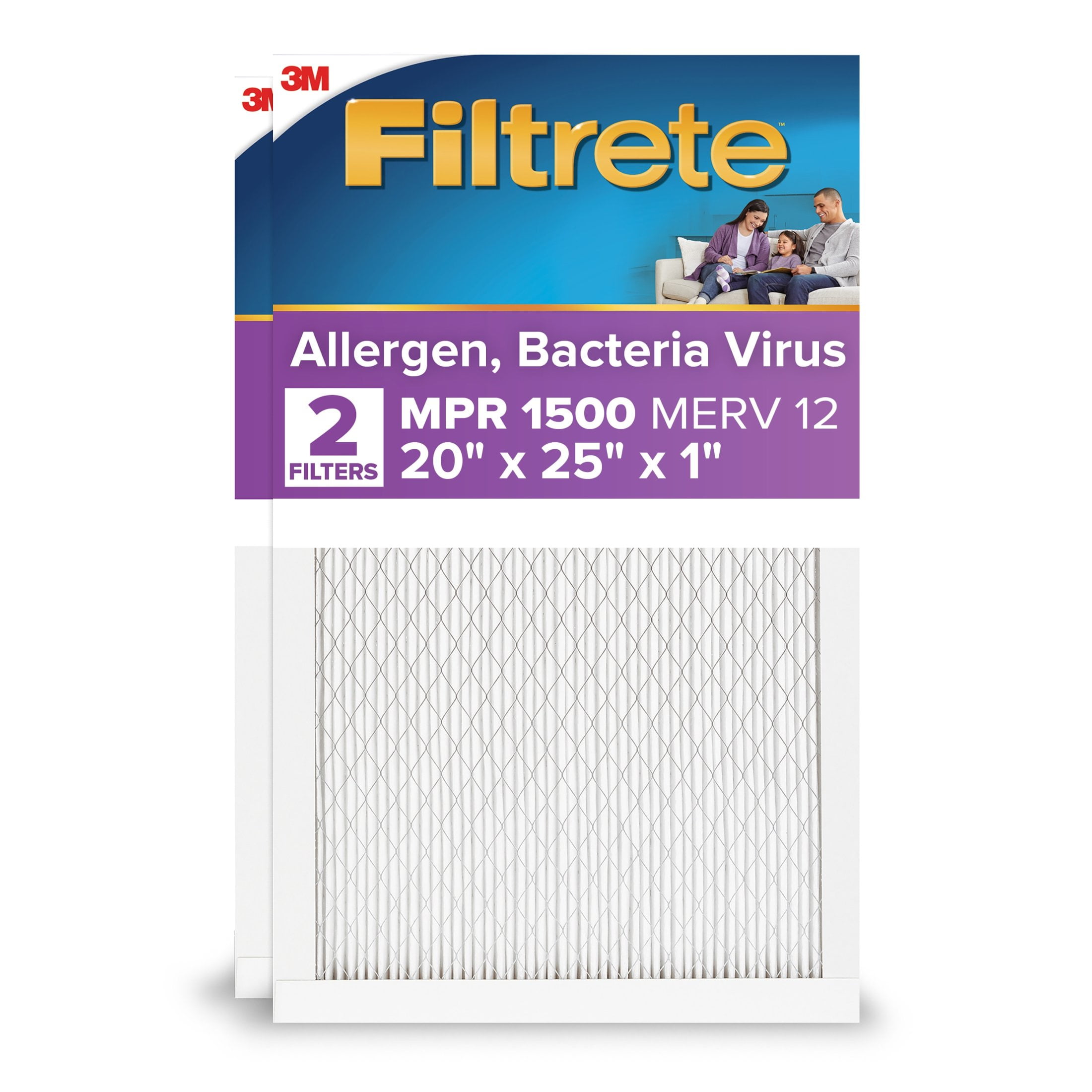
Choosing the right air filtration is critical for home health. Upgrading to a Filtrete 20x25x1 AC Furnace Air Filter MPR 1500 MERV 12 is one of the most effective ways to improve indoor air quality by capturing dust, pollen, pet dander, and smoke while protecting your HVAC system from debris. For a deeper dive into air filter performance, check out our detailed performance review of the Filtrete MPR 1500 for laboratory data. For those looking to manage moisture and mold triggers alongside air filtration, our Honeywell (ST9400C) review is a great resource for system maintenance. The Filtrete 20x25x1 AC Furnace Air Filter MPR 1500 MERV 12 offers a professional-grade filtration balance, capturing microscopic particles down to 0.3 microns to protect both your lungs and your HVAC equipment.
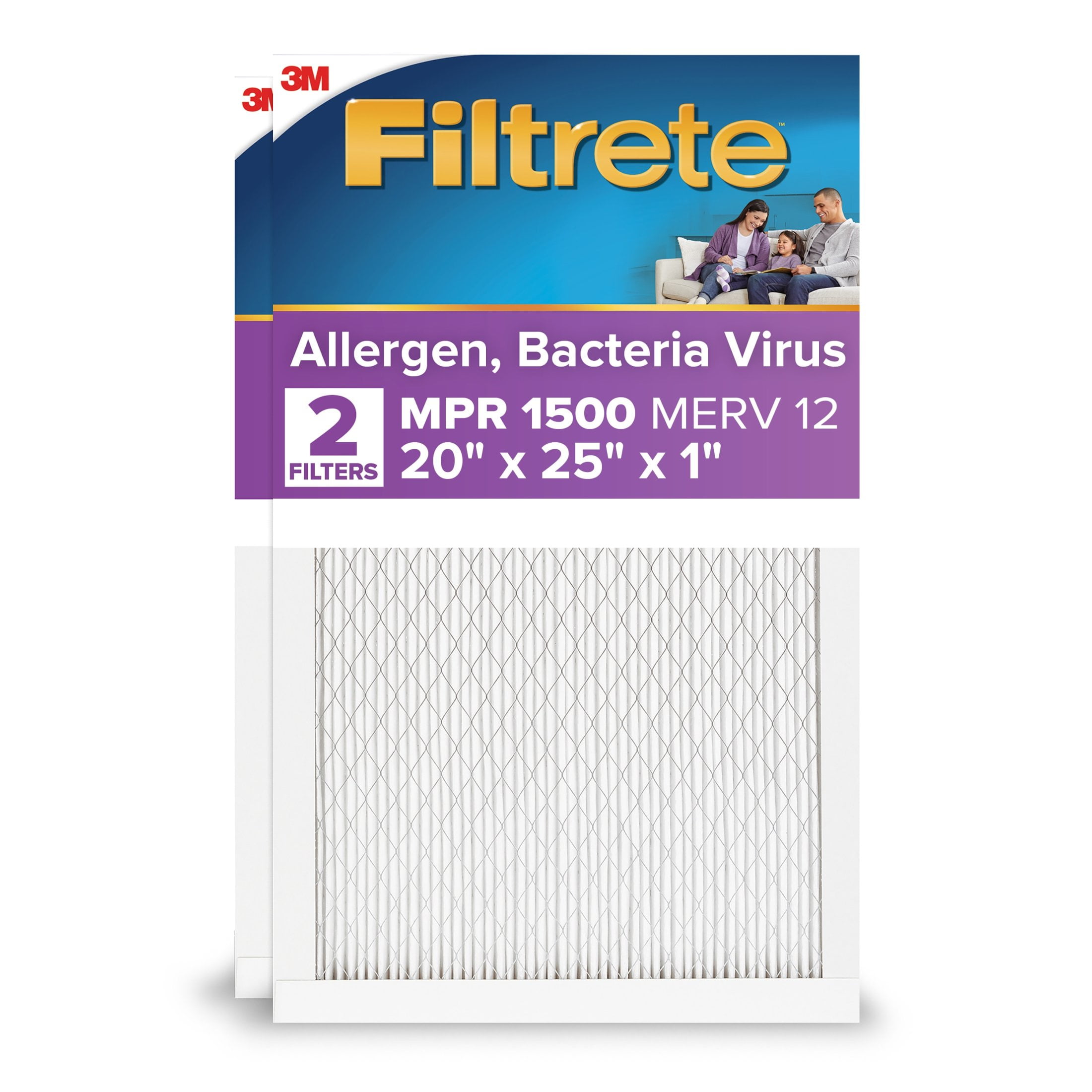
Best Overall: Filtrete 20x25x1 AC Furnace Air Filter MPR 1500 MERV 12
Score: 9.2/10. A premium 1-inch HVAC upgrade that effectively traps pet dander, smoke, and bacteria, making it an ideal choice for allergy sufferers and pet owners.
Filtrete 20x25x1 AC Furnace Air Filter MPR 1500 MERV 12
The Filtrete 20x25x1 AC Furnace Air Filter MPR 1500 MERV 12 is engineered for homeowners who require more than the basic "dust-stopping" capabilities of fiberglass filters.
While standard filters primarily protect the furnace blower motor (and its accompanying control board) from large debris, the MPR 1500 model focuses on the health of the occupants. With a MERV 12 rating, it bridges the gap between basic residential filtration and hospital-grade air cleaning, targeting the specific particles that trigger asthma and seasonal allergies.Utilizing Filtrete's proprietary 3-in-1 technology, this filter doesn't just act as a screen; it uses electrostatic charges to attract and hold particles. This mechanism allows it to capture microscopic contaminants as small as 0.3 microns. This includes not only common house dust and lint but also more hazardous particles like bacteria, smoke from wildfires or fireplaces, and pet dander.
For households with multiple pets or those living in urban areas with higher smog levels, this level of filtration is often a necessity rather than a luxury.
The 20x25x1 nominal size is one of the most common dimensions for residential central air and furnace systems. If you are supplementing your central air with window units or exploring high-efficiency MrCool DIY mini-split systems, explore our Panasonic ventilation review for performance insights on airflow. Because it maintains a standard 1-inch profile, it slides easily into existing filter slots without requiring the expensive cabinet modifications needed for 4-inch or 5-inch pleated media filters. This makes it a "drop-in" upgrade that provides immediate improvements in air purity without the need for a professional HVAC technician to alter your ductwork.
Maintenance is straightforward, though the higher density of a MERV 12 filter means it can clog faster than a cheap fiberglass filter. For more on maintaining air system components, see our guide to the best furnace control boards or our Honeywell (ST9400C) review. Filtrete recommends a 90-day replacement cycle, but this is a general guideline. In homes with high-shedding pets or during peak pollen seasons in the spring, checking the filter every 30 to 60 days is advised to ensure your system doesn't suffer from restricted airflow, which can put undue stress on the blower motor (and potentially the control boards that manage it). For more on high-efficiency climate control, explore our mini-split buying guide.
Pros
- High-efficiency MERV 12 filtration captures microscopic allergens.
- Electrostatic technology attracts particles more effectively than mechanical screens.
- Standard 1-inch fit ensures compatibility with most home systems.
- Significant reduction in airborne pet dander and smoke.
- Trusted brand reliability for HVAC protection.
Cons
- Higher air resistance compared to low-MERV filters.
- More expensive per unit than basic fiberglass options.
- Requires strict adherence to replacement schedules to prevent airflow drops.
- Only compatible with 20x25x1 slots.
The Science of Filtration: How MPR 1500 Works
To understand why the Filtrete 20x25x1 AC Furnace Air Filter MPR 1500 MERV 12 is superior to standard filters, one must look at the physics of air filtration. Most budget filters rely on mechanical filtration. This is essentially a "sieve" effect where particles larger than the holes in the material get stuck. The problem with mechanical filtration is that if the holes are large enough to let air flow easily, small pollutants like bacteria and smoke pass right through. If the holes are small enough to catch bacteria, the air cannot pass through, and the furnace motor burns out.
Filtrete solves this using Electrostatic Attraction. During the manufacturing process, the filter fibers are given a permanent electric charge. As air passes through the filter, particles—which often carry their own slight charge or become polarized—are magnetically drawn to the fibers. This allows the filter to capture a 0.3-micron particle even if the physical gap between fibers is larger than 0.3 microns. It is similar to how a balloon rubbed on hair attracts small pieces of paper.
The "3-in-1 technology" mentioned in the specifications (detailed further in our Filtrete MERV-12 review) refers to the combined approach of:
- Mechanical Trapping: Catching large lint, hair, and heavy dust.
- Electrostatic Attraction: Pulling in microscopic allergens and pathogens.
- Pleated Surface Area: Increasing the total amount of material so that the filter can hold more debris before it becomes clogged.
Comparing MPR vs. MERV Ratings
For those seeking a more versatile option, the Filtrete 20x25x1 AC Furnace Air Filter MPR provides a reliable alternative depending on your specific airflow needs.
When shopping, you will see two different ratings: MPR (Microparticle Performance Rating) and MERV (Minimum Efficiency Reporting Value). Understanding the difference prevents you from overbuying or under-filtering.For a more detailed performance breakdown, see our Filtrete MERV-12 20x25x1 air filter review.
MERV is the industry standard used by ASHRAE (American Society of Heating, Refrigerating and Air-Conditioning Engineers). It ranks filters from 1 to 16 based on their ability to capture particles of various sizes.
| MERV Rating | Filtration Capability | Typical Use Case |
|---|---|---|
| MERV 1-4 | Large particles, lint | Basic machine protection |
| MERV 5-8 | Pollen, dust mites | Standard residential use |
| MERV 9-12 | Lead dust, exhaust, bacteria | Allergy sufferers/Pet owners |
| MERV 13-16 | Viruses, fine smoke | Medical/Hospital grade |
MPR is a proprietary rating developed by 3M. While MERV is a broad industry average, MPR focuses specifically on the "micro-particles" that most impact human health. An MPR 1500 rating signifies that the filter is specifically optimized to stop the tiny particles that traditional filters let slip through. In this specific product, the MPR 1500 and MERV 12 ratings work together to certify that you are getting a high-performance balance of airflow and purity.
Comprehensive Buyer's Guide: Choosing the Right 20x25x1 Filter
Selecting an air filter seems simple, but the wrong choice can lead to poor air quality or a burnt-out HVAC motor. For those looking for a comprehensive approach to home purity, our Culligan WH-HD200-C review is an excellent companion. Consider these three critical pillars of filtration. For those considering a more robust setup, our Waterdrop G3P800 review explores similar concepts for maintaining total home purity.
1. Airflow and Pressure Drop
The most important trade-off in air filtration is between filtration efficiency and airflow. This is known as "Pressure Drop." A filter that catches everything (like a HEPA filter) is so dense that air can barely move through it. If your HVAC system isn't designed for that resistance, the blower motor will overheat because it is fighting against a wall of fabric.
The Filtrete MPR 1500 is designed to offer a "sweet spot." It uses electrostatic charges to maintain a higher "open area" for air to pass through while still capturing the most dangerous particles. This prevents the system from "choking" while still scrubbing the air clean. If you are upgrading your entire HVAC strategy, our MrCool DIY mini-split buying guide or check our guide on AFCI circuit breakers when upgrading your electrical panel for new HVAC equipment for zones where central air is insufficient.
2. Particle Size and Health Needs
Not all "dust" is the same. Your choice of filter should be based on the specific pollutants in your environment:
- Pet Owners: Pet dander is microscopic and sticky. A MERV 12/MPR 1500 filter is highly recommended to keep dander from settling in carpets and upholstery.
- Asthma/Allergy Sufferers: Pollen and mold spores are typically 5-10 microns. While a MERV 8 filter catches some, the MERV 12 ensures that almost all these triggers are removed. If you are dealing with excess moisture and mold, refer to our Wayne ESP25 review for managing basement moisture to reduce airborne mold spores.
- Urban Dwellers: Smog and traffic pollutants are extremely small (under 1 micron). Low-grade filters cannot stop these; a high-MPR filter is essential for city air. For managing ventilation in specific rooms, our comprehensive Panasonic WhisperGreen Select buying guide and corresponding performance review offer insights into high-quality exhaust solutions to complement your indoor filtration.
For additional localized cleaning, we recommend using a dedicated unit like the Dyson Purifier Hot+Cool for targeted air purification in bedrooms or living areas.
3. Long-term Cost vs. Performance
Fiberglass filters are cheap, often costing only a few dollars. However, they are effectively "screens" that only stop large bugs or clumps of dust. Pleated filters, like the Filtrete model, increase the surface area of the filtering material. This allows them to hold more dust and catch smaller particles. While the upfront cost is higher, the ROI comes from reduced cleaning time for your furniture and, more importantly, reduced respiratory strain on your family.
Installation and Setup Guide
Installing a 20x25x1 filter is a five-minute process, but doing it incorrectly can render the filter useless. Follow these steps to ensure maximum efficiency.
Step 1: Power Down and Access
Before starting, ensure your system is off. Turn off your HVAC system at the thermostat (or at the panel—see our guide on replacing circuit breakers safely for panel safety tips) to prevent a sudden burst of air from blowing accumulated dust into the house the moment you remove the old filter. If you are looking to optimize overall air cycles and efficiency, check out our Honeywell (ST9400C) review to learn how to optimize your furnace's fan cycles, or explore modern cooling options in our MrCool DIY mini-split buying guide. Locate your filter slot—this is usually found in the return air duct or directly where the return air enters the furnace cabinet. If you're performing a full system audit, you might also check our guide on diagnosing furnace ignition module failure or read our Packard (C230B) review.
Step 2: Check the Airflow Arrow
This is the most common mistake in HVAC maintenance. Every Filtrete filter has an Airflow Arrow printed on the frame. This arrow must point toward the furnace/blower and away from the return duct. If you install the filter backward:
- The electrostatic fibers may not work efficiently.
- The filter may buckle or collapse under pressure.
- There is a risk of the filter material being sucked into the blower motor, causing catastrophic equipment failure. For more on blower maintenance and choosing the right furnace draft inducer motor, see our detailed comparison.
Step 3: Fit and Seal
Slide the 20x25x1 filter into the slot. It should fit snugly. If there are gaps around the edges, air will take the path of least resistance and "bypass" the filter entirely. This means unfiltered air will enter your system, defeating the purpose of using a high-MPR filter. If the fit is loose, consider using foam weatherstripping around the filter rack to create an airtight seal.
Step 4: Document the Date
Use a permanent marker to write the installation date on the side of the filter frame. Be