Looking for more LG home tech? See our LG LW1222IVSM window AC review or our LG mini-split comparison guide or our detailed LG WM1455HWA compact washer review for more appliance insights. If you're upgrading your whole home, you might also find our guide to whole house water filtration useful for protecting your new washer.
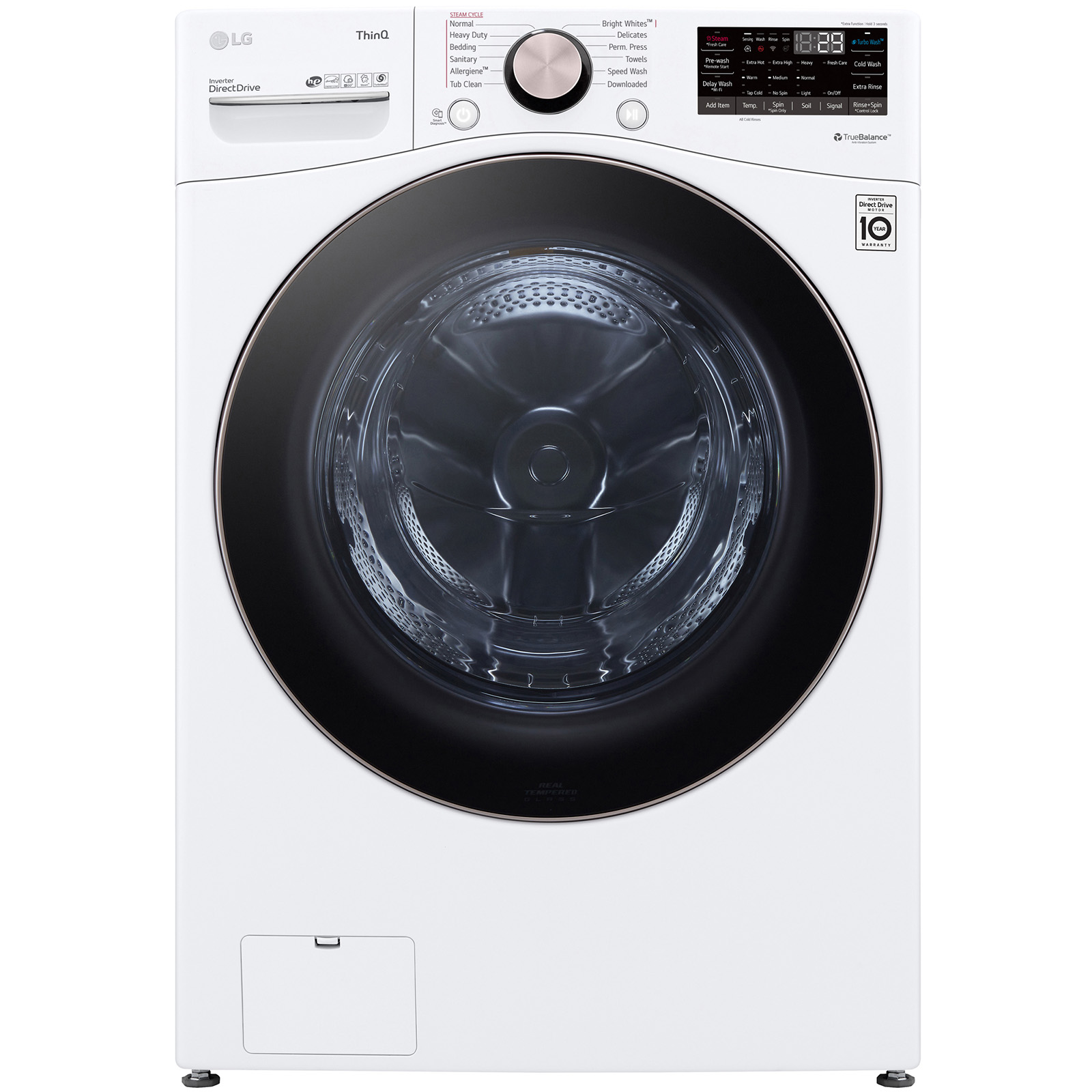
In this comprehensive review and guide to the LG WM4000HWA TurboWash 360 Front Load Washer, we analyze how this premium 5.0 cu. ft. machine uses high-pressure jets to slash cycle times and eliminate laundry day stress while providing professional-grade garment care. If you are shopping for a high-efficiency laundry setup, this model is one of the top-rated front loaders for large families.
If you are searching for the best high-capacity front load washer for a large family, the LG WM4000HWA balances AI-driven fabric sensing, ENERGY STAR efficiency, and the advanced TurboWash 360 system to deliver a fast, deep clean without damaging clothes. For those with limited space, you may want to consider our LG WM1455HWA review for a more compact, steam-enabled alternative.Top Pick: LG WM4000HWA TurboWash 360 Front Load Washer
Score: 9.4/10 — An industry-leading combination of massive capacity, rapid wash cycles, and intelligent fabric sensing that reduces clothing wear.
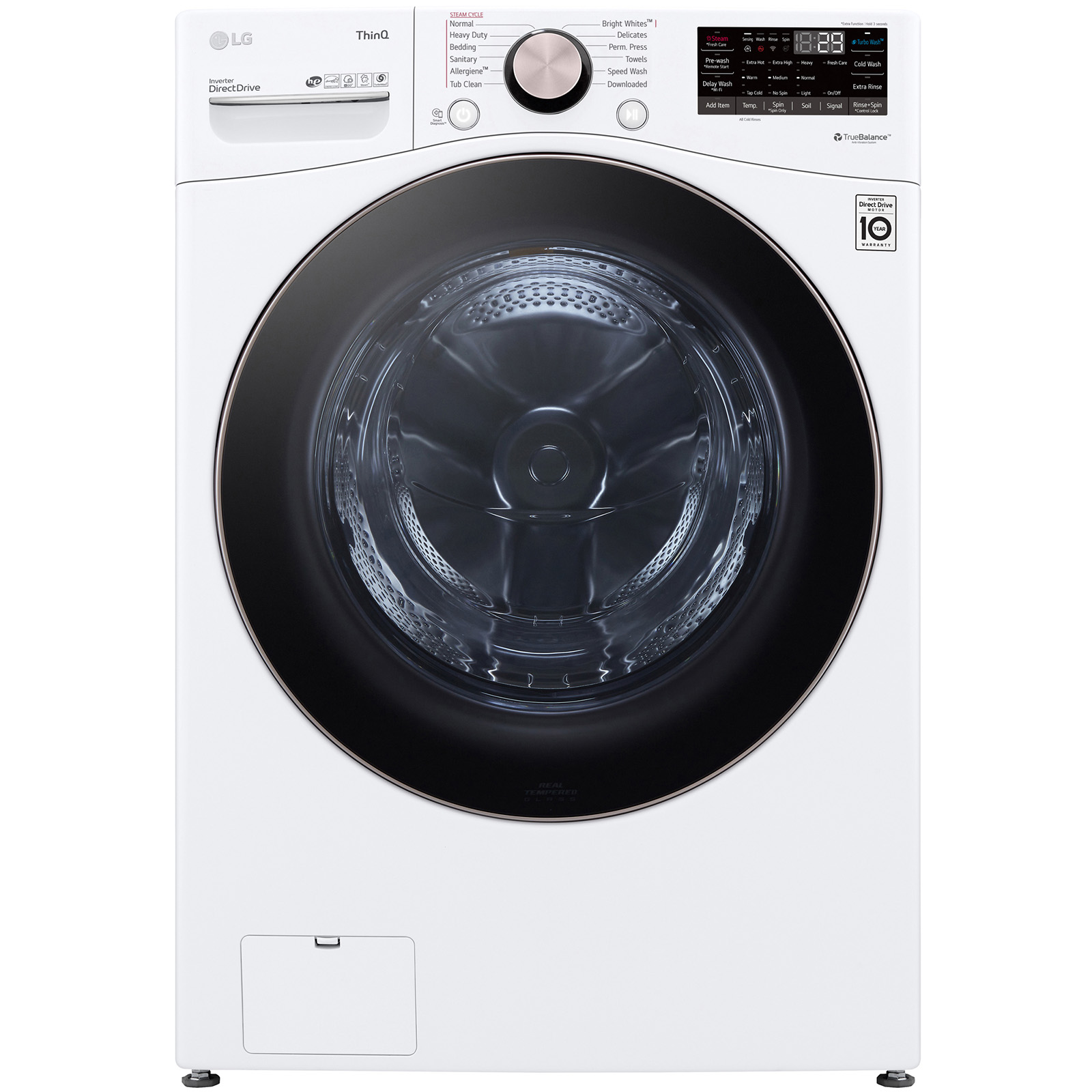
LG TurboWash 360 Front Load Washer
The LG WM4000HWA TurboWash 360 Front Load Washer is engineered to solve the primary complaint associated with front-load washers: the long cycle time.
By integrating TurboWash 360, LG has moved away from traditional tumbling alone, using five high-pressure jet nozzles to saturate clothes from all angles. This allows the machine to penetrate deep into fabrics and rinse away detergent faster, slashing the time it takes to finish a full load to under 30 minutes without sacrificing the cleanliness of the garments.The LG WM4000HWA leverages AI DD (Artificial Intelligence Direct Drive) technology to optimize every load.
Beyond speed, unlike standard sensors that only measure weight, AI DD analyzes the softness and texture of the fabric. The machine then selects a specific wash pattern—ranging from gentle oscillations for delicates to more vigorous movements for towels—to minimize fabric damage and prolong the life of your wardrobe. This intelligence is paired with a massive 5.0 cubic foot drum, allowing you to wash king-size comforters or a week's worth of family laundry in a single go.
For those dealing with allergies or heavy stains, the built-in steam functionality is a game-changer. The TrueSteam system permeates fabrics to loosen stubborn dirt and reduce wrinkles, while the Steam Allergiene cycle is specifically designed to remove household allergens. When paired with the ThinQ app, the washer becomes a smart hub, allowing users to download specialized cycles (like "Activewear") and monitor the progress of their laundry from another room, ensuring you never leave wet clothes sitting in the drum for hours.
| Feature | Specification |
|---|---|
| Model Number | WM4000HWA |
| Capacity | 5.0 cu. ft. |
| Wash Technology | TurboWash 360 (5 Jet Nozzles) |
| Motor | AI Direct Drive (AI DD) |
| Steam Capabilities | TrueSteam & Steam Allergiene |
| Fastest Cycle | Under 30 Minutes (Full Load) |
| Connectivity | Wi-Fi / LG ThinQ App |
| Energy Rating | ENERGY STAR Certified |
| Dimensions | Standard Front Load |
| Warranty | 1-Year General / 10-Year Motor |
Pros
- Massive 5.0 cu. ft. capacity for bulky items
- TurboWash 360 significantly reduces laundry day duration
- AI DD prevents fabric damage through texture sensing
- Whisper-quiet operation during high-speed spins
- Steam cycles effectively tackle allergens and stains
- ThinQ integration for remote monitoring and custom cycles
Cons
- Higher initial investment than basic top-loaders (like the Amana Top-Load Washer with Deep Water Wash and Dual-Action Agitator)
- Door gasket requires regular maintenance to prevent odors
- Heavier chassis requires careful installation and floor support
- Wi-Fi setup can occasionally be temperamental with some routers
Deep Dive: How TurboWash 360 Works
To understand the LG WM4000HWA, one must understand the mechanics of the TurboWash 360 system. Traditional front-load washers rely on a "tumble and soak" method, where clothes are lifted and dropped into a pool of water. While effective, this process can take a long time to fully saturate a large load of heavy towels or denim, often leading to "dry spots" in the center of a densely packed load.
LG’s 360 approach changes the fluid dynamics of the drum. By installing five strategically placed jets, the machine sprays detergent-infused water directly onto the fabrics from multiple directions. This creates a high-pressure environment that forces water into the fibers faster than gravity alone. The result is a "power-rinse" effect that removes soap residue more efficiently, allowing the machine to shorten the rinse and wash phases without leaving clothes feeling soapy.
This technology is particularly beneficial for those using the "Normal" cycle. While most "Quick Wash" cycles on other machines require you to use only a few garments to ensure they get clean, the WM4000HWA can maintain this speed even with a full drum. This is achieved by optimizing the water-to-fabric ratio and using the jets to accelerate the chemical action of the detergent, making it one of the most time-efficient machines in the residential market.
Furthermore, the TurboWash 360 system reduces the mechanical stress on clothes. Because the water is being driven into the fabric via pressure rather than solely through aggressive tumbling, the clothes experience less friction. This results in less pilling and fewer snags, which is a critical consideration for those who invest in high-end clothing or delicate fabrics.
Understanding AI DD (Artificial Intelligence Direct Drive)
The "Direct Drive" portion of the motor means there are no belts or pulleys. In a traditional washer, a belt connects the motor to the drum; belts can slip, wear out, and create noise. The LG Direct Drive motor is attached directly to the drum, which inherently reduces vibration and noise levels. However, the "AI" component is what separates this model from basic direct-drive machines.
The system uses a database of thousands of fabric patterns to analyze the load in real-time. When you start a load, the machine performs a "sensing" phase. It doesn't just weigh the clothes; it detects how the clothes move and resist the drum's rotation. A load of heavy denim reacts differently than a load of silk blouses or a mix of synthetic activewear.
The AI DD then adjusts the wash motions dynamically. For instance, it may choose a "gentle swing" for delicate items to prevent stretching or a "powerful scrub" for heavy-duty loads to ensure deep cleaning. This removes the guesswork for the user. Instead of spending five minutes sorting laundry into three different piles for different cycles, you can trust the AI to optimize the motion for the bulk of the load.
This automated optimization is critical for users who often mix different types of clothing in one load. It reduces the need for manual cycle selection and significantly lowers the risk of premature wear and tear. By adapting the drum's rotation speed and angle to the specific load, the WM4000HWA ensures that the most aggressive cleaning is reserved for the dirtiest fabrics, while your favorite t-shirts are treated with care.
Comprehensive Installation and Setup Guide
Installing a high-capacity front-loader like the WM4000HWA requires more preparation than a standard top-loader. Because of the centrifugal force generated during the spin cycle, stability is paramount to prevent damage to both the machine and your home.
1. Measuring Your Space
Before purchase, measure three specific areas: the doorway into the laundry room, the hallway turns leading to the room, and the final installation footprint. Remember that the door of the WM4000HWA swings open to the left; ensure there is enough clearance so the door doesn't hit a wall or another appliance. If you are planning to use a pedestal to raise the machine, add approximately 12-15 inches to the height requirement to ensure the unit still fits under overhead cabinetry.
2. Floor Integrity and Leveling
A full load of wet laundry combined with the heavy steel drum can put immense pressure on your flooring. If your laundry room is on a second floor with wooden joists, check for "bounce." For those installing laundry in a basement, ensuring you have the right sump pump setup for wet basements (see our guide to submersible utility pumps) is equally critical to prevent flooding during machine failure. Use a bubble level on top of the machine once placed. Adjust the leveling legs until the machine is perfectly flat. An unlevel machine will vibrate excessively and can cause "walking," where the washer moves across the floor during the spin cycle, potentially scratching your floors or disconnecting hoses.
You must remove the shipping bolts from the back of the machine before the first use. These bolts lock the drum in place during transport to prevent it from slamming into the cabinet. If you run the machine with them installed, the vibration will likely tear the internal suspension and permanently damage the motor. This damage is NOT covered under warranty.
3. Plumbing and Electrical
The WM4000HWA requires standard hot and cold water intake valves. For those concerned about water quality affecting their laundry, combining this machine with a GE GXWH40L whole house water filter (essential for hard water areas) can help prevent mineral buildup in the drum. We strongly recommend using braided stainless steel hoses rather than rubber ones to prevent bursts, especially if the machine is located near a heat source. Ensure the drain hose is securely fastened into the standpipe and not pushed too far down, which can cause siphoning issues where water flows back into the machine after a cycle.
Regarding electrical, ensure the machine is plugged into a grounded 120V outlet. For those updating their electrical panel, our guide on how to replace a circuit breaker safely is a great resource. Avoid using extension cords or surge protectors, as the high draw of the heater and motor during the steam and spin cycles can overheat lower-grade cords, creating a fire hazard.
Long-Term Maintenance and Care
Front-load washers are often criticized for developing odors if not maintained. If you are managing moisture issues in other parts of your home, our GE ADEL50LZ dehumidifier guide offers tips on controlling humidity in laundry areas.
The WM4000HWA is a high-performance machine, but it requires a specific care routine to keep it smelling fresh and running efficiently over its lifespan.
The "Open Door" Policy
The rubber gasket (bellows) on front-loaders traps moisture. If the door is closed immediately after a wash, air cannot circulate, and mildew can grow in the folds of the seal. Always leave the door cracked open a few inches between loads to allow the drum and gasket to air dry completely.
Gasket and Filter Cleaning
Every week, wipe the inside of the rubber door seal with a damp cloth to remove lint, hair, and stray socks. Debris left in the gasket can lead to leaks or odors. Every 3–6 months, locate the drain pump filter (behind the small access panel at the bottom front). Drain the emergency hose into a shallow bowl and unscrew the filter to remove debris, coins, or lint that can clog the pump and cause "OE" drainage errors.
Managing Detergent Buildup
Only use HE (High Efficiency) detergent. Standard detergent creates too many suds, which can leak from the drum or cause the "SUD" error code. Avoid using excessive amounts of fabric softener, as this can create a waxy buildup known as "scrud" inside the outer tub. This buildup eventually leads to a musty smell and can interfere with the AI DD's ability to sense fabric weight correctly.
The Tub Clean Cycle
Run the "Tub Clean" cycle once a month. Use a dedicated washer cleaner tablet or a small amount of bleach. This cycle uses high heat and high-speed agitation to strip away biofilm and detergent residue from the areas of the drum you cannot see. Neglecting this cycle can lead to permanent odors and reduced cleaning performance.
Comparative Analysis: WM4000HWA vs. Alternatives
When shopping for a 5.0 cu. ft. washer, the WM4000HWA is often compared to other high-end models. Here is how it stacks up against common industry alternatives, such as the Samsung Front-Load Washing Machine 4.5 cu. ft. or the Samsung Bespoke AI Front Load Washer 5.3 cu. ft..
| Feature | LG WM4000HWA | Basic Top-Loader | Compact Front-Load |
|---|---|---|---|
| Wash Speed | Fast (TurboWash 360) | Moderate | Slow |
| Capacity | Huge (5.0 cu. ft.) | Variable | Small (2.4 cu. ft.) |
| Fabric Care | AI DD Sensing | Standard Agitation | Standard Sensing |
| Water Efficiency | Very High | Low | High |
| Ideal User | Large Families | Budget Shoppers | Apartment Dwellers |
When compared to other high-capacity AI machines like the Samsung