BS EN
8.4/10 — A dependable choice for certified pipes and fittings in code-conscious residential or commercial plumbing installations.
We may earn a commission from qualifying purchases made through links on this page.
Overview
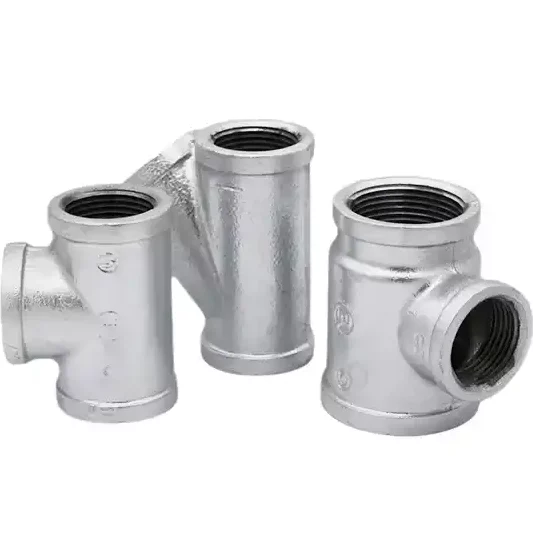
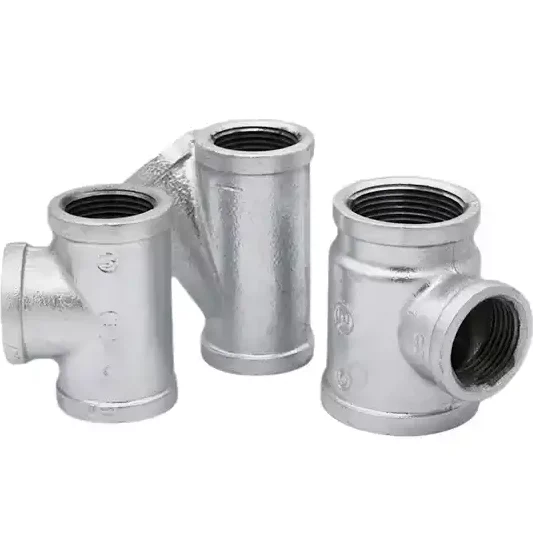
When it comes to high-reliability plumbing, BS EN pipes and fittings represent a gold standard in the Pipes & Fittings category, providing a comprehensive suite of components engineered to meet rigorous European safety and performance expectations.
Related parts & accessories
Rather than being a budget, no-name option, BS EN is aimed at homeowners, licensed contractors, and serious DIY enthusiasts who prioritize quality-assured materials for pipework where compliance and structural integrity are paramount. Whether it is a high-pressure water supply line, a complex central heating circuit, or a critical drainage system, these components are designed to withstand the chemical and physical stresses of modern plumbing environments. By adhering to a unified European standard, they ensure that parts from different batches or approved manufacturers integrate seamlessly, reducing the "guesswork" often associated with mixing brands in a single installation.
The primary appeal of BS EN (12165) is the inherent peace of mind it offers. In the plumbing world, "certified" means the materials have undergone standardized stress tests, corrosion resistance evaluations, and fitment checks. This makes the product especially relevant for large-scale renovations, new construction projects, and critical maintenance work, such as when upgrading a premium kitchen faucet or maintaining an efficient water heater (see also our Fleck 5600SXT water softener review for system protection) (see also our Pfister Stellen guide for more options). By choosing a certified path, installers can avoid the common pitfalls of substandard fittings that lead to slow leaks, premature oxidation, or failure during building inspections. For those who understand their specific diameter and material needs, BS EN (12165) provides a direct route to a professional-grade result.
Key Features
Engineered strictly around BS EN requirements, providing a verifiable benchmark for safety, consistency, and mechanical performance across all components.
Designed for seamless integration across modern plumbing installations, including potable water supply, HVAC heating loops, and drainage pipework.
Fully rated for both residential domestic use and demanding commercial environments where higher traffic and stricter building codes are enforced.
Available in a broad spectrum of sizes and materials, allowing installers to match the specific chemical and thermal requirements of their project.
A practical choice for buyers who need pipework that aligns with recognized safety standards, simplifying the process of passing municipal inspections. (For other home safety upgrades, see our guide on how to replace a circuit breaker safely).
Focused on reducing lifetime maintenance costs by utilizing materials that resist fatigue, scale build-up, and environmental degradation. For comprehensive system protection, consider a whole-house filtration system or a high-capacity water softener for long-term protection.
| Feature | Value |
|---|---|
| Product Name | BS EN (12165) |
| Model Number | 12165 |
| Category | Pipes & Fittings |
| Certification Focus | BS EN certified plumbing components |
| Primary Applications | Heating, water supply, and drainage systems |
| Intended Users | Homeowners, contractors, plumbers, and DIY enthusiasts |
| Installation Type | Residential and commercial plumbing installations |
| Available Configurations | Range of sizes and materials |
| Best For | Quality-assured, long-lasting, code-compliant pipework |
| Review Score | 8.4/10 |
Pros & Cons
Pros
- Certified to recognized BS EN expectations for maximum buyer confidence.
- Versatile application across residential and commercial plumbing sectors.
- Broad compatibility with heating, water, and drainage system types.
- Ideal for use with professional tools like the Milwaukee M12 ProPEX Expansion Tool Kit to ensure airtight, standards-based joints.
- Wide variety of sizes and materials to minimize the need for adapters.
- Significantly reduces the risk of using mismatched or non-compliant parts.
Cons
- Requires precise sizing and material verification before the point of purchase.
- Higher price point compared to generic, non-certified alternatives.
- Not a "one-size-fits-all" solution; careful system analysis is still required.
- DIY users may find the strict standards daunting without a professional guide.
Performance
In real-world application, BS EN (12165) functions as the invisible backbone of a high-performing plumbing system. Unlike consumer electronics where performance is measured in speed or resolution, the performance of certified pipes and fittings is measured in absence: the absence of leaks, the absence of corrosion, and the absence of pressure drops over decades of use. When installed correctly, these components provide a level of stability that generic fittings simply cannot guarantee.
For potable water supply, the performance is characterized by material purity and wall thickness consistency. BS EN (12165) ensures that there is no leaching of chemicals into the water supply and that the pipe walls can withstand the "hammer effect" caused by sudden valve closures. In heating systems, where pipes are subjected to constant thermal expansion and contraction (cyclic loading), the BS EN certified materials excel. They maintain their shape and seal integrity even as they heat and cool hundreds of times per year, preventing the hairline fractures that often plague lower-grade materials.
Drainage performance is another key area where the certification pays dividends. By utilizing standardized dimensions, BS EN (12165) ensures a smooth interior bore and precise joint angles. This minimizes turbulence and prevents the accumulation of debris at joints—common failure points in non-standardized systems. When paired with high-quality submersible pumps or professional sump pump systems (see our Wayne ESP25 review or the Ridgid SP-650C buying guide) or valves, the resulting system is an efficient, low-friction network that moves fluids with minimal resistance. This is particularly critical when integrating with a Basement Watchdog BW1033 high-performance sump pump.
How It Works: The Science of Certification
To understand why BS EN (12165) is superior, one must understand what happens during the certification process. Standard pipes are often produced to a "general" specification, but BS EN certified products must pass a series of rigorous stress tests. These include hydrostatic pressure testing, where the pipes are pushed to their absolute limit to determine the exact burst point, and accelerated aging tests, where materials are exposed to extreme UV, heat, and chemicals to simulate 50 years of wear in a matter of months.
The "mechanics" of the BS EN (12165) system rely on dimensional tolerance. In a standard fitting, a fraction of a millimeter of variance can lead to a slow drip that goes unnoticed for years until a wall rots. BS EN certification mandates incredibly tight tolerances. This means that when you slide a pipe into a fitting, the "interference fit" is precise, maximizing the surface area for the seal and ensuring that the mechanical bond is uniform around the entire circumference of the joint.
Furthermore, the materials themselves are chemically analyzed. Whether using high-density polymers or treated metals, the BS EN (12165) standard ensures that the material composition is consistent from the first meter of pipe to the last. This prevents "weak spots" in the line—areas where the material might be thinner or more brittle—which are common in budget-grade piping. The certification also involves "batch testing," meaning every production run is sampled and verified against the 12165 blueprint before it ever reaches a warehouse.
From a fluid dynamics perspective, the internal surface finish of BS EN (12165) products is optimized to reduce friction. In non-certified pipes, internal ridges or casting flash (excess material from the mold) can create micro-turbulences. While this seems negligible, over a 50-meter run, this turbulence increases the pump energy required to move water and creates areas where mineral deposits (scale) can more easily adhere. By mandating a specific internal smoothness, BS EN (12165) effectively lowers the long-term operational cost of the plumbing system.
Comprehensive Buyer's Guide
Choosing the right variant of BS EN (12165) requires a systematic approach. Because this is a standards-based product rather than a single SKU, you must identify your requirements based on three primary vectors: Application, Environment, and Material.
1. Determining Your Application
Potable Water: If the system is for drinking water, ensure you select the material grade that is specifically rated for human consumption to avoid contamination. This usually involves a "WRAS" or similar health-safety approval integrated into the BS EN framework. Check for certifications regarding lead-free composition and leach-testing.
Central Heating: Look for high-temperature ratings. Heating systems require pipes that can handle 80°C+ without softening or losing structural integrity. The thermal expansion coefficient is critical here; the pipe must be able to grow and shrink without stressing the fittings.
Drainage/Waste: Focus on the bore diameter and the ability of the fittings to maintain a consistent slope (grade) to ensure gravity-fed flow. Drainage pipes often face different chemical challenges (detergents, fats, oils) than supply lines, so the chemical resistance of the BS EN grade is the priority.
2. Assessing the Environment
Where will the pipes be located? If they are being buried underground, you need a grade of BS EN (12165) that is resistant to soil acidity and external crushing pressure. External loads from soil and traffic can collapse thinner-walled pipes; hence, "SDR" (Standard Dimension Ratio) becomes a key metric to verify.
If they are being installed in a coastal area, salt-air corrosion becomes a factor, necessitating specific protective coatings or non-metallic certified options. For interior walls, fire-rating standards may apply, and you should ensure your chosen fitting is compatible with fire-stop materials to prevent the pipe run from becoming a chimney for smoke during a fire.
3. Material Selection
BS EN (12165) covers various materials, each with distinct trade-offs:
- PEX (Cross-linked Polyethylene): Excellent for flexibility and ease of installation in tight spaces. For standard residential runs, the Apollo Half-Inch White PEX-B Flexible Water Pipe Tubing Coil is a widely trusted choice. It is virtually corrosion-proof and resists scale build-up, making it ideal for modern underfloor heating (read our detailed Uponor AquaPEX review for more on Uponor AquaPEX).
For those seeking a professional-grade flexible option, the Uponor AquaPEX White PEX-A Tubing Coil is a top-tier choice.
Related parts & accessories
- Copper: Remains the gold standard for longevity and heat resistance but requires more skilled labor (soldering). It is naturally antimicrobial, which is a benefit for potable water.
- Multilayer (MLCP): Plastic-aluminum-plastic composites offer the benefits of both. They provide the rigidity of metal (holding their shape without clips) with the corrosion resistance of plastic.
- HDPE (High-Density Polyethylene): Best for external, high-durability runs where flexibility and impact resistance are required.
Installation and Setup Process
Installing BS EN (12165) components is a process of precision. While the components are designed for ease of use, ignoring the standard setup procedure can negate the benefits of the certification.
Step 1: Preparation and Cutting
The most critical part of the installation is the cut. Use a dedicated pipe cutter—not a hacksaw—to ensure a perfectly square edge. A slanted cut reduces the contact area between the pipe and the fitting, creating a potential leak path. After cutting, deburr the edges using a chamfer tool. Any jagged plastic or metal burrs can damage the O-rings or seals inside the fitting during insertion, leading to "invisible" leaks that only manifest under high pressure.
Step 2: Dry Fitting and Layout
Before applying any permanent adhesives or crimps, perform a "dry fit." Layout the entire run of pipe and fittings to ensure the angles are correct and there is no unnecessary tension on the joints. Tension is the enemy of longevity; if a pipe is "pulled" into a fitting, it may seem tight initially, but thermal expansion will eventually pull the joint apart or cause the pipe to bow, putting lateral stress on the fitting.
Step 3: Connection Methods
Depending on the material selected, use the corresponding BS EN approved connection method:
- Compression Fittings: Tighten to the manufacturer's torque specificati