We may earn a commission if you purchase through links on this page, at no extra cost to you.
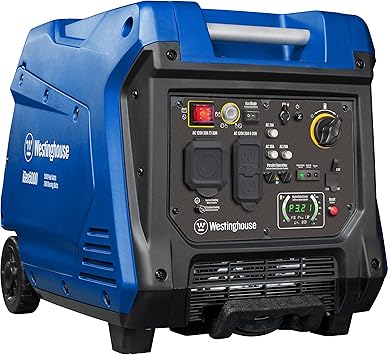
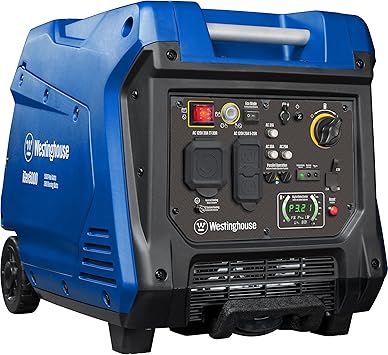
Power outages and off-grid adventures both demand a generator that can run quietly without draining your patience or your fuel budget. The Westinghouse Super Quiet Portable Inverter Generator 4500 Watt RV Ready has earned a loyal following among RVers, tailgaters, and homeowners looking for reliable backup power.
In this guide, we break down exactly what it offers and whether it deserves a spot in your garage.
TL;DR: The Westinghouse iGen4500 is a 4,500-peak-watt inverter generator that runs as quietly as 52 dB, comes RV-ready with a 30-amp outlet, and supports parallel pairing for double the power. It's a strong all-around pick for camping, tailgating, and partial home backup.
Top Pick: Westinghouse Super Quiet Portable Inverter Generator 4500 Watt RV Ready
Score: 9.2/10 — Best overall inverter generator for quiet, RV-ready portable power that balances output, runtime, and convenience.
Westinghouse Super Quiet Portable Inverter Generator 4500 Watt RV Ready
The Westinghouse Super Quiet Portable Inverter Generator 4500 Watt RV Ready delivers 3,700 rated watts and 4,500 peak watts from a fuel-efficient inverter engine. The headline feature is its noise level: at roughly 52 dB, it runs about as loud as a normal conversation, which makes it well-suited for campgrounds with quiet hours and neighborhoods where a roaring open-frame generator would draw complaints. Unlike traditional generators, the inverter technology allows the engine to throttle down when power demand is low, significantly reducing fuel consumption and noise pollution.
Connectivity is where this unit shines for versatility. You get dual USB ports for charging devices, four standard 120V household outlets, and a 30-amp RV-ready outlet that lets you plug directly into a camper without an adapter dance. This eliminates the need for bulky "dogbone" adapters that often fail or overheat under heavy load. That combination covers everything from charging phones at a tailgate to running a refrigerator, microwave, and a few lights during an outage.
Safety and convenience features round out the package. A built-in fuel gauge tells you how much runtime remains at a glance, while low-oil shutdown and overload protection guard the engine against catastrophic damage during extended use. For those whose power needs grow—perhaps adding a portable AC unit to an RV—the parallel capability lets you link two compatible units to roughly double your available power output.
This generator is best for RV owners, weekend campers, tailgaters, and homeowners who want quiet partial-home backup. While it cannot replace a massive whole-home standby system for 240V appliances like central air, it provides a flexible, portable safety net. For those who need extreme portability over power, smaller 2,000-watt alternatives—such as the Honda Super Quiet 2200-Watt Portable Inverter Generator, the EcoFlow DELTA 2 Portable Power Station 1024Wh LiFePO4 or the high-capacity Bluetti 2000Wh LiFePO4 Portable Power Station—exist, but the iGen4500 hits the "goldilocks" zone of power-to-weight ratio for the average user.
Pros
- Very quiet operation at around 52 dB
- 30-amp RV-ready outlet built in
- Inverter engine produces clean, fuel-efficient power
- Parallel capability for double the output
- Built-in fuel gauge and key safety shutdowns
Cons
- Not enough capacity for whole-home backup with heavy 240V loads
- Parallel operation requires buying a second compatible unit
- Heavier than smaller 2,000-watt inverter units
| Specification | Detail |
|---|---|
| Model | iGen4500 |
| Rated Watts | 3,700 W |
| Peak Watts | 4,500 W |
| Noise Level | As low as 52 dB |
| Outlets | 4× 120V household, 1× 30-amp RV, 2× USB |
| Parallel Capable | Yes (with compatible unit) |
| Safety Features | Low-oil shutdown, overload protection, fuel gauge |
We may earn a commission if you purchase through links on this page, at no extra cost to you.
Understanding Inverter Technology: Why It Matters
To appreciate the iGen4500, one must understand the difference between a traditional "open-frame" generator and an inverter generator. Traditional generators run at a constant speed (typically 3,600 RPM) to maintain a steady frequency. This results in a loud, droning sound and "dirty" power—voltage fluctuations known as Total Harmonic Distortion (THD) that can fry sensitive electronics like laptops, smartphones, and modern LED TVs.
The iGen4500 utilizes inverter technology, which converts DC power from the engine into a clean AC sine wave. This process allows the engine to vary its speed based on the actual load. If you are only charging a phone, the engine slows down to a whisper. If you start a microwave, the engine ramps up. This "Eco-mode" logic is why the iGen4500 is significantly quieter and more fuel-efficient than its traditional counterparts.
For RVers, this "clean" power is non-negotiable. Modern RVs are filled with sensitive control boards and electronic ignition systems that can be damaged by the unstable power output of cheap, non-inverter generators. By delivering a pure sine wave, the iGen4500 ensures your high-end electronics remain safe while you're boondocking in the wilderness. This technology essentially acts as a power conditioner, smoothing out the electrical current to mimic the stable power you receive from a utility company wall outlet.
Furthermore, the efficiency of inverter generators is tied to their ability to manage "idle" states. In a traditional generator, the fuel consumption remains relatively high regardless of whether you are powering a single lamp or a full air conditioner. The iGen4500's inverter board monitors the electrical load in real-time and adjusts the throttle accordingly. This means that during the night, when you might only be running a small fan and a CPAP machine, the unit sips fuel, extending the life of your gas tank and reducing the frequency of disruptive midnight refills.
Comprehensive Buying Guide: Choosing Your Power Source
Selecting a generator involves more than just looking at the wattage number on the box. You must calculate your "starting watts" versus "running watts." Many appliances, like refrigerators or AC units, require a surge of power to start the motor—this is the 4,500 peak watts of the iGen4500. Once running, they settle into a lower wattage—the 3,700 rated watts.
Tip: To calculate your needs, list every device you plan to run simultaneously. Sum the running watts and add the highest single starting wattage of the group. If that number is under 3,700W, the iGen4500 can handle your load comfortably.
Portability vs. Power
The trade-off in the generator world is always weight versus wattage. A 2,000-watt unit is a "suitcase" generator that anyone can carry. The iGen4500 is larger, but it provides nearly double the power. This is critical for those who want to run a 13,500 BTU RV air conditioner or a full-size coffee maker without the generator stalling. The iGen4500 strikes a balance, providing enough power for most "glamping" needs while remaining portable enough for a single person to move via the integrated handle.
When evaluating portability, consider not just the weight, but the "footprint" of the unit in your vehicle. The iGen4500 is designed to fit into most SUV trunks or RV storage bays, but it is significantly bulkier than a micro-inverter. However, the trade-off is a much lower stress level when plugging in multiple appliances. With a 2,000W unit, you are constantly playing "electrical Tetris"—unplugging the toaster to use the microwave. With the iGen4500, you have enough overhead to run several medium-draw appliances simultaneously.
Noise Considerations
Decibels (dB) are logarithmic, meaning a small increase in number represents a large increase in perceived loudness. A typical construction generator might scream at 90-100 dB, which is intolerable in a campground. At 52 dB, the iGen4500 is comparable to a quiet office or a normal conversation. This reduces "neighbor friction" and allows you to enjoy your outdoor space without the constant roar of an engine.
It is important to note that noise levels vary based on the load. When the generator is running at 10% capacity in Eco-mode, it is nearly silent. As you approach the 3,700W rated limit, the engine will naturally ramp up, and the noise will increase. Even at full load, however, the enclosed design of the iGen4500 mutes the mechanical clatter far more effectively than an open-frame unit. For those who prioritize peace and quiet, the inverter design is the only viable choice for long-term camping.
Setup and Operational Best Practices
Getting the most out of your iGen4500 requires a few critical steps during the initial setup. First, always check the oil level before the very first start. Most inverter generators ship with a small amount of shipping oil or are dry; attempting to start a dry engine will trigger the low-oil shutdown immediately or, worse, cause permanent engine damage.
When placing the generator, remember that it is an internal combustion engine. It must be placed on a flat, stable surface at least 5 feet away from any windows, doors, or vents. Carbon monoxide is odorless and colorless; placing a generator too close to a sleeping area in an RV or home is a fatal mistake. Always use a drip pan if you are parking on a paved driveway to avoid permanent oil stains.
For those using the 30-amp RV outlet, ensure your RV's power cord is properly seated. If you experience a "trip" or the generator shuts down under load, check if you are attempting to run too many high-wattage appliances at once. The overload protection is a safety feature that prevents the inverter board from burning out when the demand exceeds 3,700 rated watts.
Step-by-Step First Start Guide:
- Oil Check: Remove the dipstick, wipe it clean, reinsert it, and ensure the oil is at the "Full" mark. Add 10W-30 if necessary.
- Fueling: Fill the tank with fresh, unleaded gasoline. Avoid using fuel that has been sitting in a plastic container for months.
- Vent Position: Ensure the fuel valve is set to "On" and the fuel tank vent is open.
- Choke Setting: Set the choke to "Closed" (or "Start") for a cold engine. Once it fires up and runs for 10-20 seconds, gradually move the choke to the "Open" (or "Run") position.
- Eco-Mode: Activate the Eco-switch. This allows the unit to manage its own RPMs and save fuel.
Maintenance for Longevity
A generator is an investment that can last a decade if maintained, or fail in two years if neglected. The most critical maintenance item is the oil change. For the iGen4500, the first "break-in" oil change typically happens after the first 20-50 hours of use. This removes any tiny metal shavings that occur during the initial seating of the engine components.
Warning: Never use gasoline that has sat in a can for more than 30 days. Old gas develops varnish that clogs the small jets in the carburetor, leading to hard starts or "hunting" (where the engine surges up and down).
To prevent fuel degradation, it is highly recommended to use a fuel stabilizer. If the generator will be stored for more than a month, you should either drain the carburetor bowl or run the engine until it is completely dry. This prevents the fuel from gumming up the internals. Additionally, check the air filter every season; a clogged filter will cause the engine to run "rich," wasting fuel and creating carbon buildup on the valves.
The Maintenance Checklist:
- Every 50 Hours: Check oil level and top off if needed.
- Every 100 Hours/Seasonally: Change the engine oil. Replace the spark plug if the electrode is worn.
- Annual Inspection: Clean the air filter. If it's a foam filter, wash it with soap and water and relubricate with a tiny amount of engine oil.
- Fuel System Flush: If the unit has been sitting for 6 months, drain the old fuel and replace it with fresh gas mixed with a stabilizer.
Comparative Analysis: iGen4500 vs. The Field
When compared to high-end brands like the Honda Super Quiet 2200-Watt Portable Inverter Generator or the Yamaha Enclosed Inverter Generator, the Westinghouse iGen4500 offers a significantly higher "watt-per-dollar" ratio than alternatives like the Generac Open Frame Inverter Generator 3500 Watt Portable. While a Honda EU series might have a slight edge in ultra-long-term reliability and a marginally lower noise floor, the iGen4500 provides the dedicated 30-amp RV outlet and higher peak wattage that makes it more practical for actual RV use.
Compared to budget open-frame generators, the iGen4500 is vastly superior in three areas: noise, fuel economy, and power quality. An open-frame 4,500W unit will be significantly louder and cannot be used with sensitive laptops or tablets without a separate power conditioner. The "super quiet" branding of the iGen4500 isn't just marketing; it's a fundamental difference in engineering.
| Feature | Westinghouse iGen4500 | Generic Open-Frame | Ultra-Compact Inverter |
|---|---|---|---|
| Rated Power | 3,700 W | 3,500 - 4,000 W | 1,600 - 2,000 W |
| Noise Level | ~52 dB (Quiet) | ~70-85 dB (Loud) | ~50-60 dB (Quiet) |
| Power Quality | Clean Sine Wave | Rough / Unstable | Clean Sine Wave |
| RV Ready | Yes (30A Outlet) | No (Requires Adapters) | No (Requires Adapters) |
| Fuel Efficiency | High (Variable RPM) | Low (Fixed RPM) | Very High |
Common User Pitfalls and How to Avoid Them
Many new generator owners make the mistake of plugging too many extension cords in series—known as "daisy-chaining." This causes a voltage drop that can cause the inverter to trip or your appliances to malfunction. Always use heavy-duty, outdoor-rated extension cords with the correct gauge (12AWG or 10AWG) to ensure the iGen4500 can deliver its full power to the device. For more on managing electrical loads, check out our guide on AFCI breakers and panel safety.
Another common error is ignoring the fuel gauge. Inverter generators are efficient, but they don't "warn" you before they run out of gas—they simply stop. Running a generator dry can sometimes introduce air bubbles into the fuel line, requiring a "prime" or a brief period of idling to clear the air bubbles before the engine will fire again. Always keep a spare 2-gallon can of stabilized fuel nearby to avoid this frustration.
Some users also struggle with the "Eco-Mode" switch. They find that the generator "stutters" when they first plug in