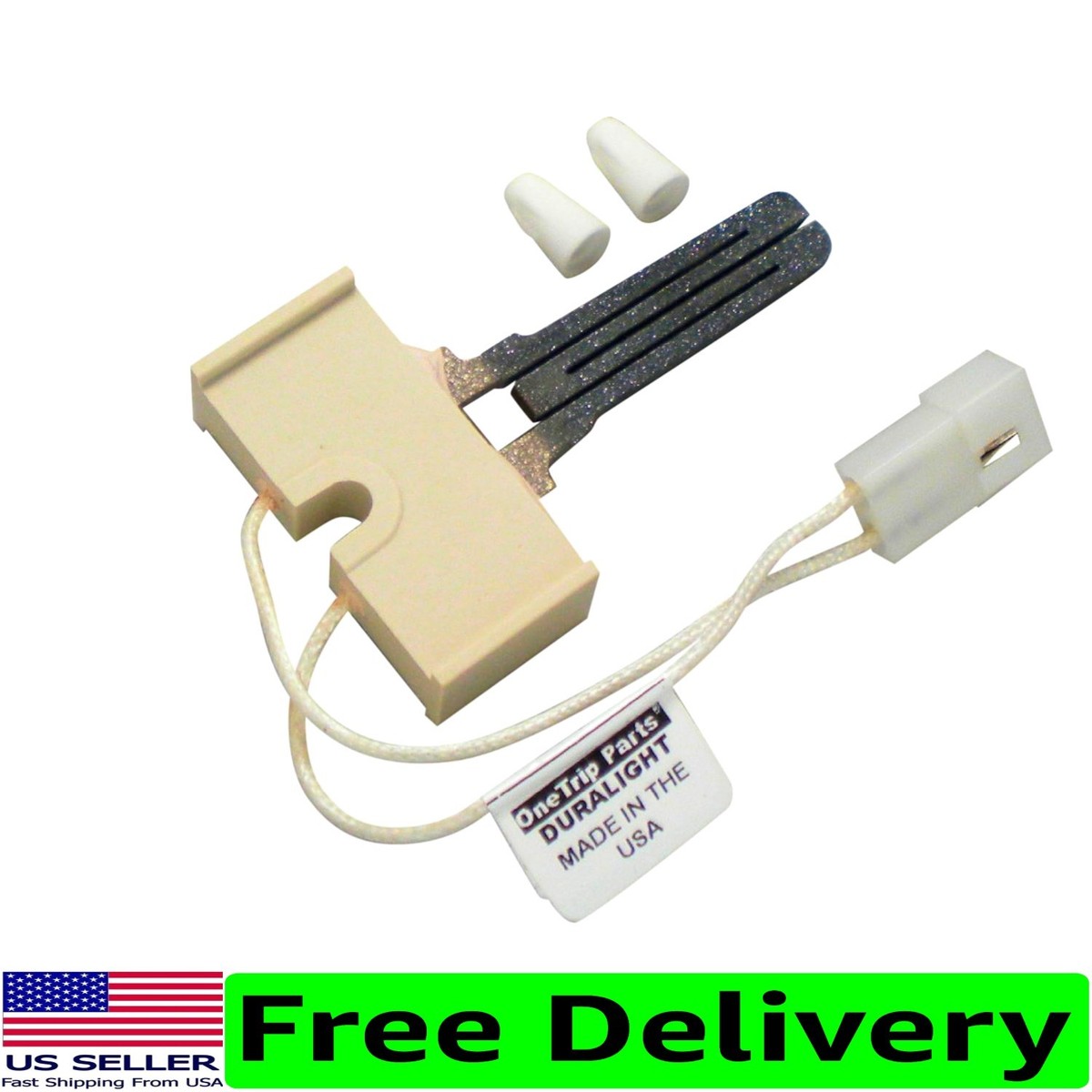
If your gas furnace won't light, replacing a failed igniter with the LH33ZS004 is the most effective way to restore heat for compatible Carrier, Bryant, or Payne systems. The Carrier Bryant Payne Furnace Hot Surface Igniter Replacement is a targeted replacement part for homeowners and HVAC technicians who want to repair an existing system rather than replace the entire furnace.
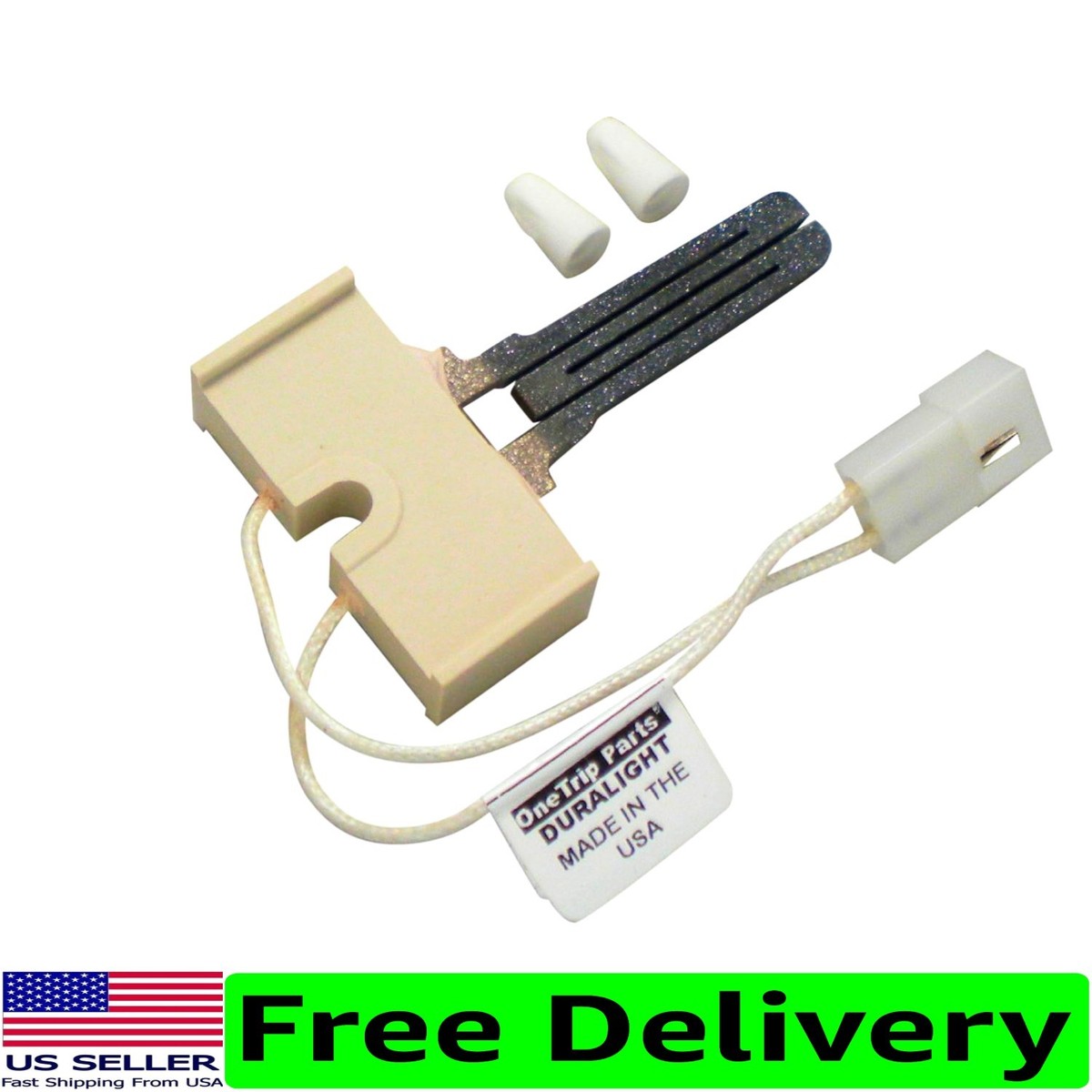
This guide focuses on the Carrier Bryant Payne Furnace Hot Surface Igniter Replacement, covering its technical application, installation pitfalls, and compatibility requirements.
Best Overall: Carrier Bryant Payne Furnace Hot Surface Igniter Replacement
Score: 9.1/10 — A practical, direct-replacement LH33ZS004 hot surface igniter for compatible Carrier, Bryant, and Payne furnaces when the existing igniter is cracked, weak, or failing to light the burner reliably.
Carrier Bryant Payne Furnace Hot Surface Igniter Replacement
The Carrier Bryant Payne Furnace Hot Surface Igniter Replacement is a precision-engineered component designed to restore the primary ignition sequence in compatible gas heating systems.
Related parts & accessories
In a modern Carrier gas furnace, the igniter serves as the catalyst for heat; it is the element that transforms electrical energy into intense thermal energy, creating the spark or heat source necessary to ignite the gas flowing from the burners. When this component fails, the furnace may go through its initial blower cycle and "click" as the gas valve opens, but the burners will never catch fire, leaving the home without heat.
Constructed from advanced materials such as silicon nitride or silicon carbide, the LH33ZS004 is built to withstand the extreme "thermal shock" that occurs every time the furnace cycles. These materials are chosen for their ability to heat up to white-hot temperatures within seconds and then cool down rapidly without fracturing. However, because this involves gas lines and high-voltage electricity, we strongly recommend having a licensed HVAC technician perform the installation to ensure safety and maintain your system's warranty. Because they operate under such extreme stress, igniters are considered wear-and-tear items. Over several years, the material can degrade, develop microscopic cracks, or simply lose the ability to reach the required temperature, leading to intermittent ignition failures or complete system shutdowns.
This specific replacement part is tailored for the Carrier, Bryant, and Payne ecosystem. Because these three brands often share internal chassis designs and electronic components, the LH33ZS004 provides a streamlined repair path for a wide array of residential models. By replacing only the igniter rather than the entire burner assembly or upgrading to one of the top-rated furnace control boards, such as the White-Rodgers Universal Integrated Furnace Ignition Control Board (see our Honeywell Home ST9400C review), homeowners can significantly extend the operational life of their existing HVAC system—often by replacing small components like the Packard 2-Pole 30-Amp HVAC Contactor (see our Packard C230B review)—at a fraction of the cost of a full unit replacement. For those considering a transition to more efficient heating, our mini-split heating guide or MrCool DIY-24-HP-WIF115 buying guide offers a modern alternative.
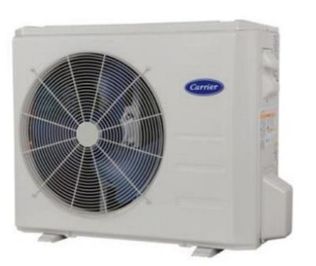
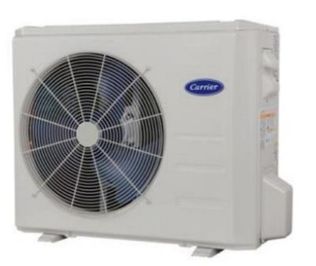
For more on high-efficiency heating, check out the Carrier Performance Series Ductless Mini-Split Heat Pump 9000 BTU Single Zone.
For the end user, the LH33ZS004 represents a targeted fix. It is specifically intended for those who have diagnosed a failure in the ignition element (see our guide on how to tell if your furnace ignition module has failed). Whether you are an HVAC professional looking for a reliable part for a client or a seasoned DIYer who has confirmed the fault via a multimeter, this igniter provides the exact electrical and physical fit required to return a furnace to factory-spec performance. It is critical, however, to handle this part with extreme care; the heating element is fragile, and touching the surface with bare hands can leave skin oils that create "hot spots," potentially shortening the lifespan of the new part.
Pros
- Direct replacement for compatible Carrier, Bryant, and Payne models
- Restores reliable ignition without needing full system replacement
- Engineered for rapid heating and high thermal cycling durability
- Cost-effective solution for common "no-heat" furnace symptoms
- Straightforward installation for qualified technicians
Cons
- Requires strict model number verification before purchase
- Heating element is highly fragile and susceptible to breakage
- Does not resolve issues stemming from gas valves or control boards
- Installation involves risks associated with gas and high-voltage electricity
Technical Specifications
| Specification | Details |
|---|---|
| Catalog Product | Carrier Bryant Payne Furnace Hot Surface Igniter Replacement |
| Model Number | LH33ZS004 |
| Category | Furnace Parts & Components |
| Primary Function | Ignites the furnace burner assembly during the heating cycle |
| Compatible Brands | Carrier, Bryant, and Payne (specific models only) |
| Igniter Type | Hot Surface Igniter (HSI) |
| Material | Silicon Nitride or Silicon Carbide |
| Installation Level | Qualified HVAC Technician / Experienced DIYer |
Deep Dive: How Hot Surface Igniters Work
To understand why the LH33ZS004 is critical, one must understand the physics of the furnace ignition sequence. Older furnaces used "standing pilots," where a small flame burned 24/7. Modern high-efficiency furnaces, like those from Carrier and Bryant, use Hot Surface Ignition (HSI). This is a more energy-efficient and safer method that only activates when heat is demanded.
When the thermostat signals for heat, the furnace control board performs a series of safety checks (verifying the right furnace draft inducer motor is running (see our guide on inducer vs blower motors) and the pressure switch is closed). Once safety is confirmed, the board sends a high-voltage current to the LH33ZS004 igniter. The igniter acts as a high-resistance heater. Within a few seconds, the element glows bright orange or white. Simultaneously, the gas valve opens, releasing a mixture of gas into the burner area. When the gas hits the white-hot surface of the igniter, it ignites instantly.
The fragility of the LH33ZS004 comes from this extreme temperature swing. Going from room temperature to over 2,000°F in seconds causes the material to expand and contract. Over time, this leads to "thermal fatigue." A crack as small as a human hair can break the electrical circuit, meaning the element will no longer glow, and the furnace will enter a "lockout" mode to prevent gas from filling the house without being lit.
Furthermore, the resistance of the element is calibrated to the control board's tolerances. If the material degrades, the resistance changes. The furnace control board monitors this current flow; if it detects an "open circuit" (a break in the element) or a "short circuit," it will immediately terminate the ignition sequence. This is a critical safety feature designed to prevent the release of unburned gas into the combustion chamber, which could lead to a dangerous explosion upon eventually lighting.
Comprehensive Buyer's Guide: Choosing the Right Igniter
1. Compatibility is King
In the world of furnace parts, "close enough" is not acceptable. Many igniters look identical—a small ceramic-mounted rod with two wires—but they have vastly different electrical resistances. If you install an igniter with the wrong resistance, you may either fail to get the element hot enough to light the gas, or you may draw too much current and fry the furnace control board. This can lead to thousands of dollars in damage if a non-compatible part is forced into the system.
How to verify compatibility: Always check the part number stamped on the old igniter or listed in the furnace's technical manual. The LH33ZS004 is specifically designed for a subset of Carrier, Bryant, and Payne models. If your manual calls for a different part number, do not attempt to use the LH33ZS004 even if the plug fits perfectly. Cross-referencing the furnace model number (usually found on the rating plate inside the blower compartment) with the manufacturer's parts list is the only foolproof method.
2. Identifying Failure Symptoms
How do you know you actually need a new igniter? Look for these red flags:
- The "Click-Wait-Fail" Cycle: You hear the furnace start, you might hear the gas valve click, but no flame appears, and then the system shuts off. This usually indicates that the gas is flowing but the igniter isn't hot enough to light it.
- Visible Damage: If you remove the burner cover and see a black, cracked, or "blistered" element on the igniter, it is dead. A healthy igniter should be a clean, uniform color; a "burnt" look suggests the internal filament has failed.
- Delayed Ignition: If the furnace takes longer than usual to light, or you hear a small "boom" (delayed ignition) when it finally does, the igniter may be weakening. This happens when the igniter takes too long to reach the ignition temperature, allowing gas to build up in the chamber before finally lighting.
- Fault Codes: Many modern Carrier/Bryant systems will flash a LED code on the control board indicating "Ignition Failure." Refer to our comprehensive guide to the best furnace control boards or the legend on the inside of the furnace door to interpret these flashes, or read our guide on how to tell if your furnace ignition module has failed to rule out board issues.
3. Material Quality and Resistance
The LH33ZS004 utilizes industrial-grade silicon nitride or silicon carbide. These materials are superior to older nickel-chromium wires because they are more durable and heat up faster. When shopping for replacements, ensure you are getting a part that meets these material standards to avoid premature failure during the peak of winter. Cheaper, generic alternatives often use inferior ceramics that cannot withstand the rapid thermal expansion and contraction, leading to "shattering" within a few months of use.
Additionally, the electrical tolerances are tight. A high-quality igniter maintains a steady resistance across its entire length. Low-quality clones often have "hot spots" where the material is thinner, causing the part to burn out at a specific point while the rest of the element remains intact. This is why sticking to verified replacements for Carrier and Bryant systems is essential for long-term reliability.
Installation and Setup Process
Installing the LH33ZS004 is a straightforward mechanical process, but it requires strict adherence to safety protocols. Because you are working with a gas-fired appliance and high-voltage electricity, there is no room for error. An incorrect installation can not only destroy the new part but can also create a hazardous environment in your home.
Step-by-Step Installation Overview
- Power Down: Turn off the electrical power to the furnace at the breaker or the service switch (see our guide on how to replace a circuit breaker safely at home for essential power-down steps and general electrical safety tips). Verify the power is off using a non-contact voltage tester. Never assume the switch is off just because the thermostat is set to "off."
- Gas Safety: While not always required for a simple igniter swap, some technicians prefer to shut off the gas supply to the unit for added safety. This prevents any accidental gas leaks if a burner component is bumped during the process.
- Access the Burner: Remove the furnace panels to access the burner compartment. Be careful not to bend the door switches, as these are safety interlocks that will prevent the furnace from running if the panels are not seated correctly.
- Disconnect the Old Igniter: Unplug the wiring harness from the control board. Carefully unscrew the mounting bracket holding the old LH33ZS004 in place. Note how the wires are routed; you will want to mirror this routing with the new part to avoid wires touching hot surfaces.
- Handle the New Part with Care: Remove the new igniter from its packaging only when you are ready to install it. Avoid touching the white/grey element with your bare fingers. Use the plastic housing or wear nitrile gloves. Skin oils can cause the material to overheat at a specific point, leading to premature failu