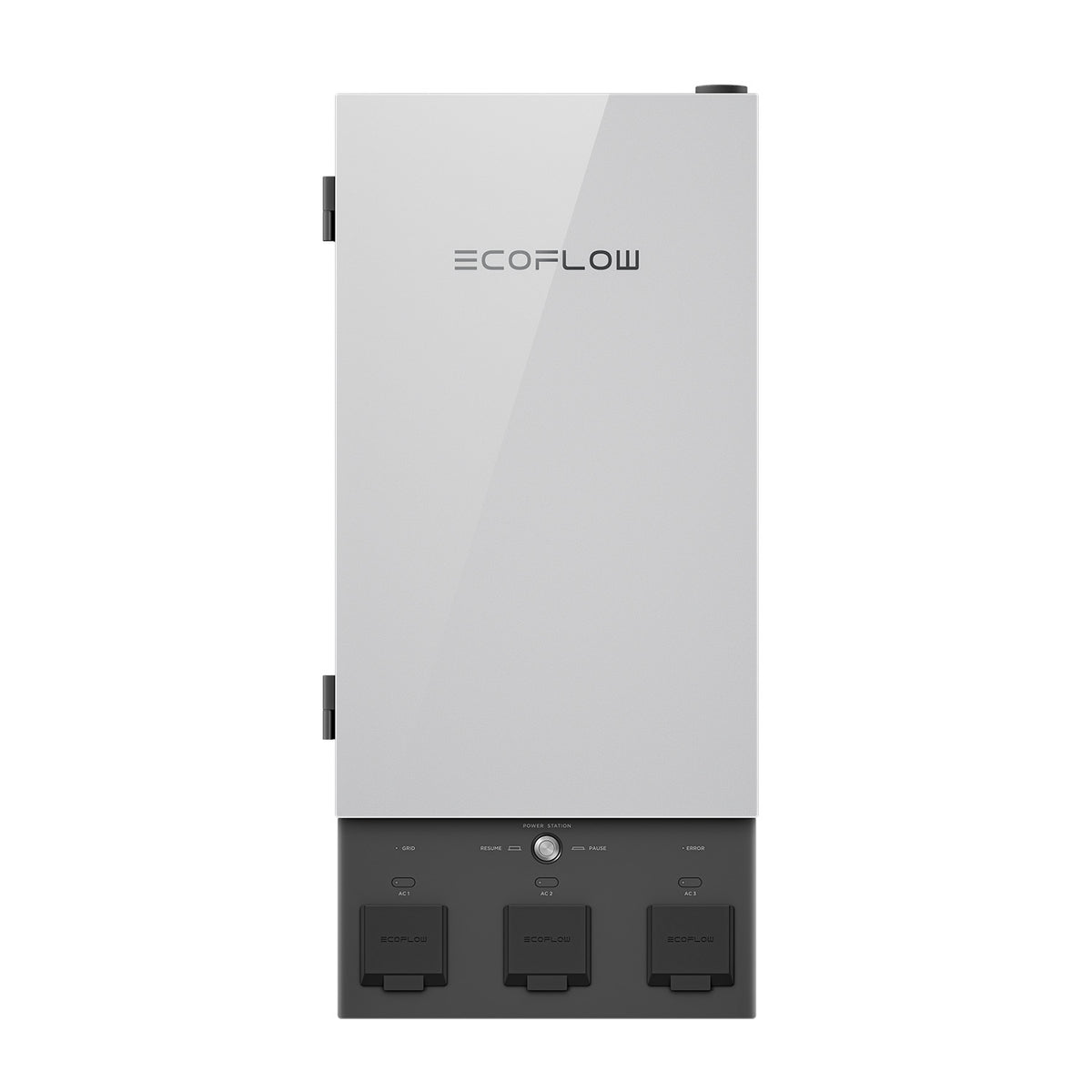
The EcoFlow Smart Home Panel 2 is a professional-grade home energy management hub designed to provide automatic backup power, bridging the gap between portable battery storage and permanent home electrical infrastructure.
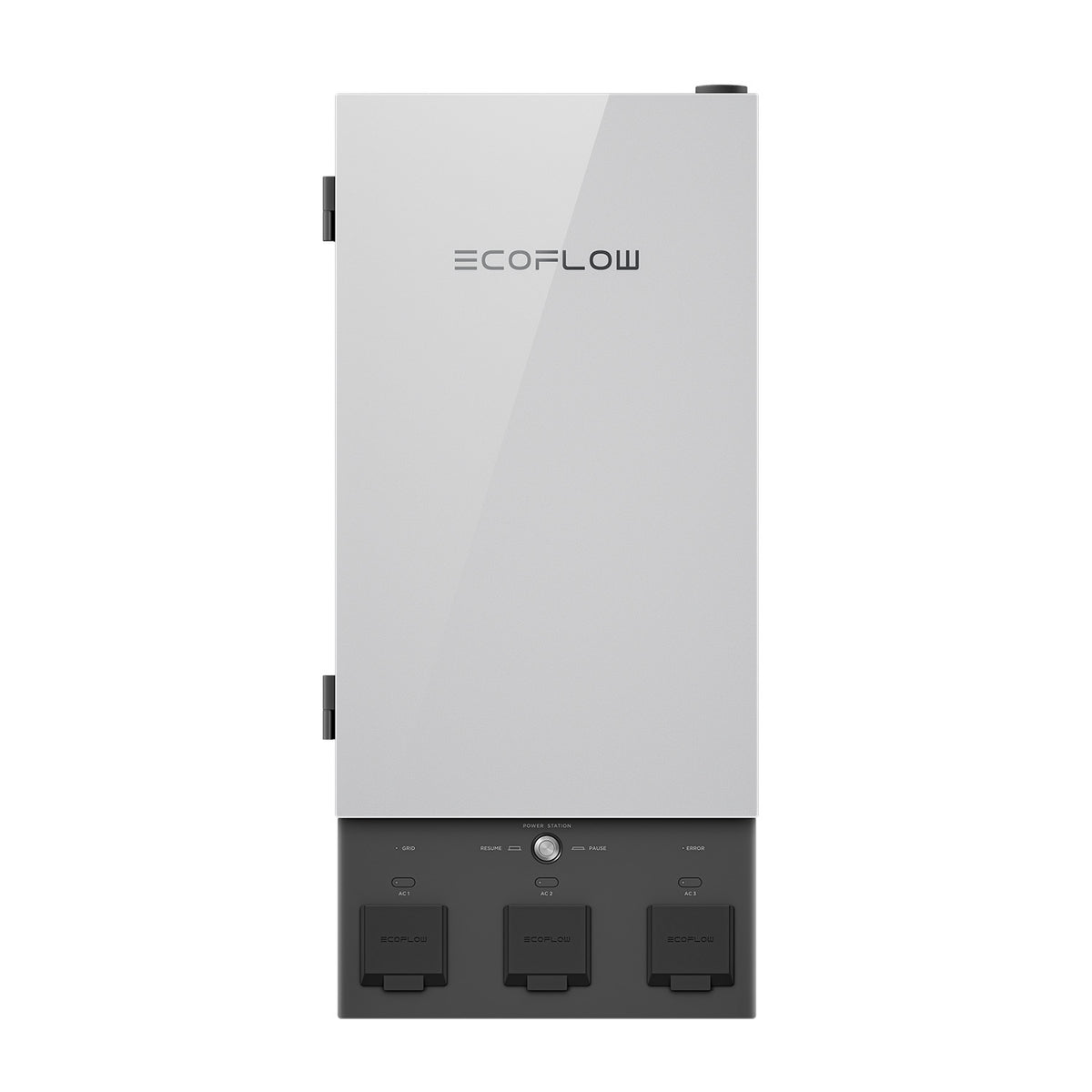
Looking for a permanent energy solution? The EcoFlow Smart Home Panel 2 offers the most scalable way to integrate battery power into your home's electrical system.
For homeowners seeking total energy independence, the SHP2 offers a scalable solution for seamless backup power and smart load management. This complete guide explores how the SHP2 integrates with your existing electrical panel to provide a seamless, automatic backup power solution. By integrating with the EcoFlow DELTA Pro 3 energy ecosystem, it provides automatic, near-instantaneous backup for critical home circuits, enabling homeowners to maintain power for essential appliances and medical devices without the need for manual intervention or cumbersome extension cords.Top Pick: EcoFlow Smart Home Panel 2
Score: 9.2/10 — The most flexible and scalable bridge between portable power stations and permanent home energy management.
EcoFlow Smart Home Panel 2
The EcoFlow Smart Home Panel 2 is an intelligent load center designed to integrate the EcoFlow DELTA Pro 3 directly into your home's electrical architecture. Rather than relying on extension cords or manual transfer switches, the SHP2 acts as a sophisticated traffic controller for your electricity. It sits between your main service panel and your home's critical circuits, allowing for a seamless transition from grid power to battery power the moment a utility failure is detected.
For the modern homeowner, this represents a shift from "emergency power" to "energy management." The SHP2 allows users to digitize their electrical panel, providing real-time telemetry on how much power a specific refrigerator or home office setup is drawing. By supporting 240V split-phase loads, the SHP2 moves beyond simple LED lights and phone chargers, enabling the backup of heavy-duty appliances like well pumps, sump pumps (see our comparison guide), and mini-split HVAC systems that typically require expensive, industrial-grade backup solutions.
The system is built for scalability. While a single EcoFlow DELTA Pro 3 unit provides a robust foundation, the SHP2 can be expanded to support dual-inverter configurations, effectively doubling the continuous output and storage capacity.
This modularity ensures that homeowners aren't overpaying for capacity they don't currently need, but aren't locked out of future upgrades as their energy needs grow or as they add more solar arrays to their roof.
| Feature | Specification |
|---|---|
| Model Number | SHP2 |
| Supported Circuits | 12 Configurable Circuits |
| Voltage Support | 120V / 240V Split-Phase |
| Max Continuous Output | Up to 7,200W (Single) / 14,400W (Dual) |
| Switchover Time | < 20 milliseconds |
| Battery Compatibility | DELTA Pro Ultra, DELTA Pro (via adapter) |
| Connectivity | Wi-Fi, Bluetooth, EcoFlow App |
| Installation Type | Permanent (Professional Installation Required) |
| Warranty | 5 Years Standard |
Pros
- Automatic transfer prevents data loss and equipment rebooting
- Native 240V support handles heavy appliances (pumps, AC)
- Granular app-based control for each individual circuit
- Significantly lower entry cost than Tesla Powerwall
- Modular battery scaling allows for incremental upgrades
Cons
- Requires a licensed electrician for installation
- Limited to 12 circuits, necessitating careful prioritization
- Deeply tied to the EcoFlow hardware ecosystem
- Total system cost increases quickly with battery stacks
Deep Dive: How the SHP2 Operates
To understand the value of the Smart Home Panel 2, one must understand the difference between a manual transfer switch and an automatic transfer switch (ATS). A manual switch requires the homeowner to physically flip a lever and potentially move cables during a blackout. The SHP2 integrates an electronic ATS that monitors the incoming grid voltage. When the voltage drops below a specific threshold, the internal relays trip in less than 20 milliseconds.
This "near-instant" transition is critical for "UPS-style" (Uninterruptible Power Supply) performance. For example, a desktop computer or a network router might reboot if the power gap is 100ms, but at 20ms, most devices continue to operate without interruption. This ensures that your Ring Alarm Pro home security system, internet gateway, and medical devices remain online without human intervention.
The Role of the App and Intelligence: Unlike a traditional breaker box, which is a "dumb" piece of hardware, the SHP2 is an IoT device. Through the EcoFlow app, the panel provides a visual map of your home's energy consumption. Users can see exactly how many watts are being consumed by the living room circuit versus the kitchen circuit. This data allows for "load shedding"—the process of remotely turning off non-essential circuits (like a guest bedroom) to preserve battery life for essential circuits (like the refrigerator) during a multi-day outage.
Pro Tip: Use the app's scheduling feature to time your heavy loads. If you have a variable-rate electricity plan, you can schedule the SHP2 to power certain loads from the battery during "peak" hours and recharge the battery from the grid during "off-peak" midnight hours.
Comprehensive Buyer's Guide: Planning Your Installation
Purchasing the SHP2 hardware is only the first step. Because this is a permanent electrical modification, failure to plan can lead to expensive installation delays. If you're curious about the components involved, you can learn how to replace a circuit breaker safely at home, though the SHP2 installation must be handled by a professional. Follow this structured approach to ensure a successful deployment.
1. Calculating Energy Autonomy
The SHP2 is the "brain," while high-capacity storage like the EcoFlow DELTA Pro 3 serves as the "fuel."
For maximum reliability, pairing the panel with the EcoFlow DELTA Pro 3 ensures you have the capacity to maintain critical loads during extended outages.
To determine how many batteries you need, you must calculate your Critical Load. List every device you intend to back up and multiply its wattage by the hours of use per day.- Refrigerator: ~150W (cycling) × 24h = 3.6 kWh/day
- Internet/Router: ~20W × 24h = 0.48 kWh/day
- LED Lighting: ~50W × 6h = 0.3 kWh/day
- CPAP/Medical: ~60W × 8h = 0.48 kWh/day
- Total Essentials: ~4.86 kWh per day
If your daily essential load is 5kWh, a single 6kWh battery module provides roughly 24 hours of autonomy. If you want to survive a 3-day outage without solar, you will need at least 15kWh of storage. This underscores the importance of the SHP2's scalability; you can start small and add EcoFlow DELTA Pro 3 battery packs as your budget allows.
2. Mapping Your 12 Circuits
The SHP2 supports 12 circuits. In a standard 200-amp home panel, you may have 30 to 40 circuits. You cannot back up the whole house; you must choose. If you are unsure which pumps to prioritize, check out our guide to the best submersible utility pumps or our Ridgid SP-650C sump pump buying guide.
We recommend the following priority list to maximize utility during a blackout:- Network/Comms: Modem, Router, and security cameras. We recommend the Arlo Pro 4 or a comprehensive Ring Alarm Pro system for integrated monitoring. Without these, smart features of the SHP2 are limited to local Bluetooth.
- Food Preservation: Refrigerator and Freezer. These are high-priority to prevent food spoilage.
- Climate Basics: Furnace blower (not the heating element) or a small Pioneer mini-split heat pump (explore our DIY mini-split guide for installation alternatives) (see our Bosch BMS500-18HDN1 Mini-Split Buying Guide for more options). Maintaining basic temperature is critical in extreme weather.
- Water Management: Well pump or Ridgid SP-650C sump pump (see our complete buying guide). These are non-negotiable for rural homes or basements prone to flooding; for dedicated battery alternatives, see our Wayne ESP25 review or our battery backup sump pump buying guide.
- Lighting: Key hallways, kitchen, and bedroom for safety.
- Critical Outlets: Home office for remote work or specific medical equipment.
3. The Electrician's Role and Cost
The SHP2 is not a DIY project. It requires a licensed electrician to install a sub-panel and reroute existing home wiring (for those upgrading their safety gear, check out our comparison of professional circuit breaker brands or consult our Eaton AFCI breaker review (and if you're updating your home's safety, see our ADT Self Setup guide for integrated security) to understand how modern safety breakers integrate into updated panels). This involves installing the SHP2 enclosure on a wall, running conduit from the main service panel to the SHP2, physically moving wires from the main panel breakers into the SHP2 breakers, and ensuring proper grounding and bonding.
Expect labor costs to range from $800 to $2,500 depending on the distance between your main panel and the installation site. Factors that increase cost include the need to open walls for wiring, the distance of the run, and local permitting requirements. Always ensure your electrician has reviewed the EcoFlow installation manual before the appointment to avoid "surprise" charges for unplanned materials.
Technical Installation and Setup Depth
For those coordinating with their electrical contractor, understanding the physical requirements of the SHP2 is paramount. The panel is designed as a sub-panel, meaning it does not replace your main utility meter panel but rather branches off from it. The wiring path is critical; if the SHP2 is located far from the DELTA Pro Ultra batteries, the voltage drop across the connecting cables can lead to efficiency losses and potential overheating of the wires.
The installation process typically begins with the "Critical Load Panel" concept. The electrician identifies which circuits in your current main panel are "critical." Those wires are physically disconnected from the main panel and routed into the SHP2. This means that when the grid goes down, these specific wires are no longer connected to the grid but are instead connected to the SHP2's internal switching logic, which then pulls power from the EcoFlow battery stack.
A key technical advantage of the SHP2 is its handling of 240V loads. Most portable power solutions only offer 120V, which is fine for a lamp but useless for a 240V well pump. The SHP2 utilizes a split-phase architecture, allowing it to combine two 120V legs into a single 240V output. This requires specific breaker configurations within the panel—typically double-pole breakers—that your electrician must install correctly to avoid short circuits or equipment damage.
Integrating Solar Input
The SHP2 is not just a discharge hub; it is part of a charging ecosystem. Much like investing in a whole house water filtration system for water quality, the SHP2 is an investment in home infrastructure resilience. When paired with the DELTA Pro Ultra, the system can accept massive solar arrays. To maximize the utility of the SHP2, homeowners should plan their solar placement to feed directly into the battery stack. By utilizing the "Self-Consumption" mode in the app, the SHP2 can prioritize using solar energy to power your home circuits during the day, storing the excess in the batteries, and only drawing from the grid as a last resort.
This effectively turns the SHP2 into a "smart bridge" that reduces your monthly utility bill. By shifting the load to solar during peak pricing windows (Time-of-Use billing), the system can pay for itself over several years through energy savings alone, independent of its value as an emergency backup.
Maintenance and Long-Term Care
While the SHP2 is largely a "set and forget" system, a few maintenance steps will extend the life of your investment and ensure it works when the grid fails.
Quarterly Testing
Once every three months, perform a "dry run" by switching the panel to battery mode while the grid is still active. This confirms that the relays are functioning and the battery is holding a charge.
Firmware Updates
EcoFlow frequently releases updates via the app. These updates often improve the efficiency of the transfer switch and add new load-management features. Keep the panel connected to Wi-Fi for automatic updates.
Battery Health
Avoid keeping your DELTA Pro Ultra batteries at 100% charge for months at a time. Use the app to set a "storage charge" limit (e.g., 80%) to prolong the chemical life of the LFP cells.
Physical Inspection
Ensure the area around the panel and batteries is free of dust and debris. While the SHP2 is enclosed, the batteries require airflow to prevent overheating during high-wattage discharges.
Comparison: SHP2 vs. Other Backup Solutions
Choosing a backup system is a trade-off between cost, convenience, and capacity. The following table compares the SHP2 against the most common alternatives in the current market.
| Solution | Best For... | Transfer Method | 240V Support | Relative Cost |
|---|---|---|---|---|
| EcoFlow SHP2 | Modular, smart backup | Automatic (<20ms) | Yes | Medium |
| Tesla Powerwall |