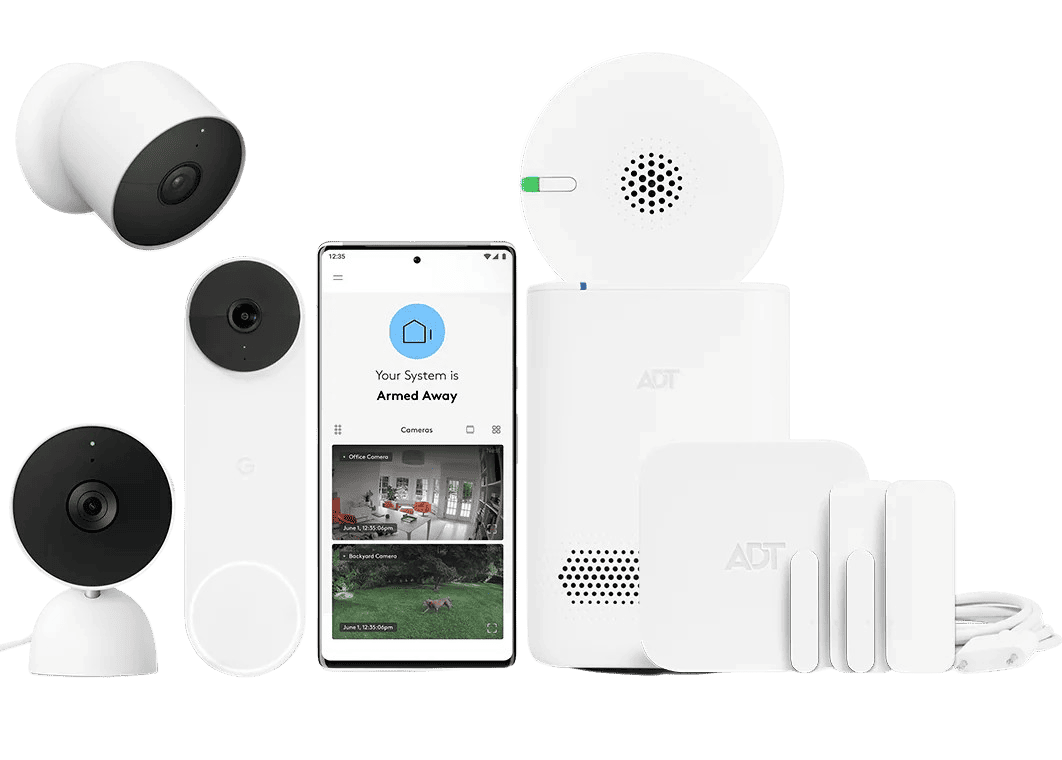
The ADT Self Setup 10-Piece Wireless Security System is a professional-grade DIY home security solution designed for those who want the reliability of ADT monitoring without the hassle of professional installation. For those seeking a balance of autonomy and expert protection, this kit is a top contender.
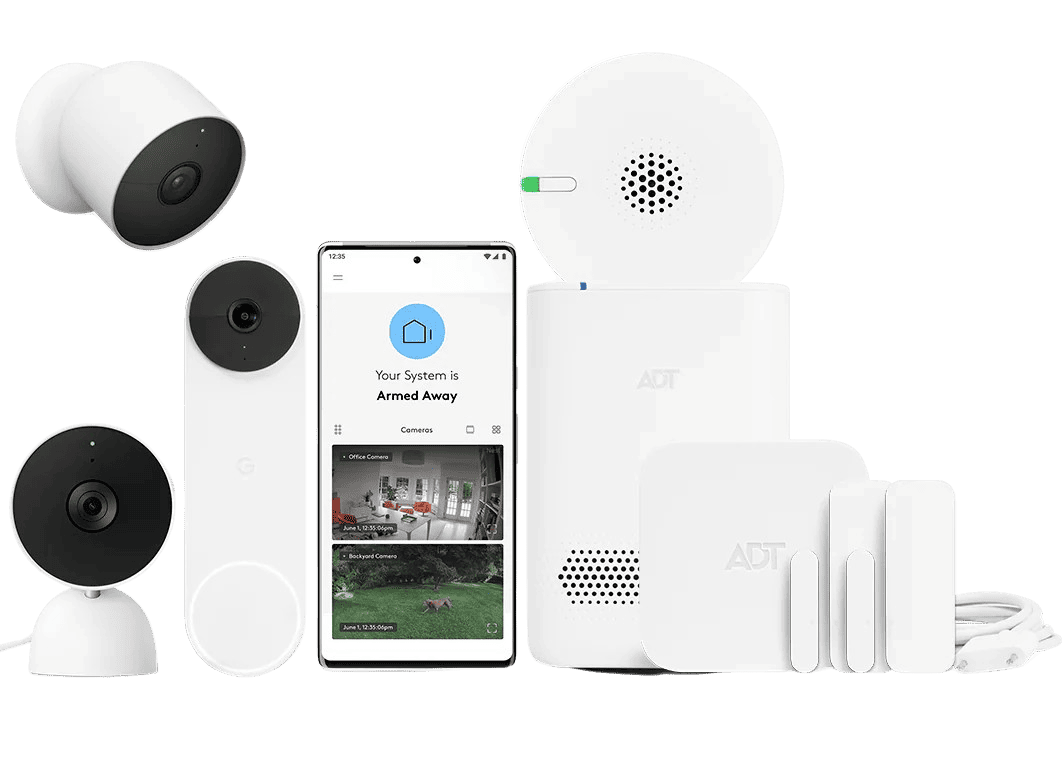
This guide explores how to maximize the potential of the ADTSS10KIT, from strategic sensor placement to choosing the right monitoring tier for your home or rental.
Best Overall Home Security Kit
Score: 9.0/10 — A powerhouse DIY security solution that offers the rare combination of easy, wireless installation and access to ADT's world-class professional monitoring network.
ADT Self Setup 10-Piece Wireless Security System
The ADT Self Setup 10-Piece Wireless Security System is engineered for the modern homeowner or renter who values autonomy.
In the past, getting an ADT system meant navigating a complex series of appointments, drilling holes through walls for hardwired sensors, and signing long-term contracts before a single door was protected. The ADTSS10KIT flips this model, providing the hardware and the brand's monitoring infrastructure in a package that you can deploy in an afternoon.
At the core of this system is a centralized hub that acts as the brain of your security network. This hub communicates wirelessly with the 10 included pieces—typically a mix of door/window sensors and motion detectors—ensuring that there are no unsightly wires running across your baseboards. For a medium-sized apartment or a small single-family home, this kit provides a comprehensive perimeter. If you have a very small space, you might consider our ADT Self Setup 9-Piece Home Security Kit guide
Related parts & accessories
One of the most compelling aspects of this kit is the optional integration with ADT’s 24/7 professional monitoring. While many DIY systems rely solely on "self-monitoring" (where your phone pings you, but you are responsible for calling the police), the ADTSS10KIT allows you to plug into a professional dispatch center. This means that if an alarm is triggered and you are unavailable—perhaps you're in a meeting or asleep—a professional operator can verify the emergency and contact local authorities on your behalf.
For renters, the "self-setup" nature is the primary selling point. Because the sensors use adhesive backings and wireless signals, there is no permanent alteration to the property. When it is time to move, the system can be disassembled and packed up just as easily as it was installed. For homeowners, the system offers a scalable path; you can start with this 10-piece foundation and gradually add more sensors, such as those detailed in our Arlo Essential review, including the Arlo Pro 4 Spotlight Camera 4-Pack (see our Arlo Essential review for a deeper dive), or smart locks as your budget or home layout evolves. If you are comparing brands, our SimpliSafe (SS3-13PKGCAM) review offers a great alternative perspective.
Pros
- DIY setup avoids the need to schedule a technician visit.
- 10-piece kit is a stronger starting point than many smaller security bundles.
- Compatible with ADT’s 24/7 professional monitoring plans.
- Wireless design is well suited to renters and flexible home layouts.
- Scalable approach lets you build out coverage over time.
Cons
- Requires comfort with self-installation and sensor placement.
- Professional monitoring may require an ongoing plan.
- Exact coverage depends on your home’s layout and entry points.
- Larger homes may need additional sensors beyond the starter kit, such as those found in the ADT Self Setup 12-Piece Home Security Kit.
Technical Specifications
| Specification | Details |
|---|---|
| Product Name | ADT Self Setup 10-Piece Wireless Security System |
| Model Number | ADTSS10KIT |
| Category | Home Security Systems |
| Installation Type | Self setup / DIY wireless installation |
| Monitoring Options | Self-monitored or ADT Professional 24/7 |
| Connectivity | Wi-Fi / Ethernet Hub |
| Sensor Types | Contact (Door/Window) & Motion (PIR) |
Deep Dive: How the ADTSS10KIT Works
Understanding the mechanics of a wireless security system is crucial for maximizing its effectiveness. The ADT Self Setup system operates on a proprietary wireless frequency designed to minimize interference from other home electronics (like microwaves or Wi-Fi routers) while maintaining a stable connection over a significant distance within the home. This is critical because standard 2.4GHz Wi-Fi can often be congested, leading to "laggy" sensors or dropped connections. By using a dedicated frequency for sensor-to-hub communication, ADT ensures that the alarm triggers almost instantly.
The Hub and Communication Pipeline
The hub is the critical junction point. It connects to your home internet via Wi-Fi or Ethernet and maintains a constant heartbeat with each sensor. When a door sensor is tripped, it sends a rapid signal to the hub. The hub then processes this event based on your current mode (Stay, Away, or Disarmed). If the system is armed, the hub triggers the siren and immediately sends a notification to your smartphone via the ADT app.
Crucially, the hub handles the "logic" of your home. For example, you can configure "entry delays," giving you 30 seconds to disarm the system after opening the front door before the full siren sounds. This prevents the frustration of accidental alarms during your own arrival. The hub also manages the battery health of every peripheral, polling sensors periodically to ensure they are still online and powered.
Sensor Technology Explained
The kit utilizes two primary types of sensors: Magnetic Contact Sensors and Passive Infrared (PIR) Motion Sensors. These represent the two pillars of residential security: perimeter defense and interior detection.
Contact Sensors: These consist of two parts: a magnet and a reed switch. One is placed on the door or window frame, and the other is placed on the moving part of the door. When the door opens, the magnetic field is broken, which instantly completes the electrical circuit and triggers the alarm. These are the most reliable sensors because they have a binary state—either the door is closed or it isn't.
PIR Motion Sensors: Passive Infrared sensors do not "see" images like a camera; instead, they detect changes in infrared radiation (heat). They are designed to ignore static objects like furniture but trigger when a human-sized heat source moves across their field of vision. This makes them ideal for "catch-all" protection in a living room or hallway if an intruder manages to bypass a window sensor.
Professional Monitoring Integration
The transition from self-monitoring to professional monitoring happens in the cloud. Instead of the hub only talking to your app, it also sends a signal to ADT's Central Station. These stations are staffed by trained operators who follow a strict protocol: they notify the user first via phone or app to ensure it isn't a false alarm. If the user doesn't respond, enters a "duress code," or confirms a breach, the operator dispatches the appropriate emergency services based on the home's registered address.
Comprehensive Buyer's Guide: Evaluating Home Security (compare with other wireless options like the Ring Alarm Pro 14-Piece Kit)
When shopping for a system like the ADT Self Setup 10-Piece, you shouldn't just look at the number of pieces in the box—similar to the considerations in our Eufy Security Alarm (S330) review. You need to evaluate the "security gaps" of your specific residence to determine if this kit is the right size or if you need additional accessories.
The "Entry Point" Audit
Before purchasing, perform a physical walkthrough of your home. Count every door that leads outside, including the garage door, the basement door (which we often pair with a Basement Watchdog leak detector), and the sliding glass door to the patio. Then, count every ground-floor window. If you have six one-story windows and three exterior doors, a 10-piece kit is almost perfectly sized, as it leaves a few sensors for interior motion detection. If you have twenty windows, you will need to budget for additional sensor packs immediately upon setup.
For larger homes requiring more coverage, we recommend the ADT Self Setup 12-Piece Home Security Kit.
Don't forget "forgotten" entries. Many homeowners forget to protect the dog door, the small window in the laundry room, or the door leading from the garage into the house. While the latter is interior, it is a common point of entry for burglars who have already breached the garage. The 10-piece kit provides a great foundation, but the flexibility of the ADT Self Setup 9-Piece Home Security Kit with 24/7 Professional Monitoring and the ADTSS10KIT allows you to expand these numbers as your audit reveals new gaps.
For a detailed look at other top-tier options, see our Arlo Essential guide, SimpliSafe review or SimpliSafe 13-Piece Wireless Home Security SystemMonitoring: Self vs. Professional
The decision between self-monitoring and professional monitoring comes down to your lifestyle and risk tolerance:
- Self-Monitoring: Ideal for those who are always attached to their phones and live in areas where they can quickly alert a neighbor or a local contact. It costs nothing monthly but places the entire burden of vigilance on the user. If you are in a dead-zone or your phone is on "Do Not Disturb," you may miss an intrusion entirely.
- Professional Monitoring: Essential for those who travel, have "dead zones" in their cellular coverage, or want a guaranteed response. The peace of mind knowing that a professional is watching the "ping" while you are asleep or on vacation is the primary value proposition of the ADT ecosystem.
Wireless vs. Hardwired Systems
While professional technicians often prefer hardwiring for absolute reliability, wireless systems have reached a point of maturity where they are sufficient for 95% of residential needs. The advantage of the ADTSS10KIT's wireless nature is that it eliminates "installation anxiety"—the fear that a technician will accidentally drill through a water pipe or ruin a piece of expensive drywall (a common concern when updating home electrical or installing AFCI circuit breakers).
Furthermore, wireless systems are "portable." If you rent an apartment, you cannot drill holes into the walls without risking your security deposit. The adhesive-backed sensors of the ADT Self Setup system allow you to secure your home and then take the entire system with you when your lease ends.
If you're looking for an alternative for smaller spaces, check out our ADT Self Setup 9-Piece Home Security Kit.
Step-by-Step Setup and Installation Process
The "Self Setup" promise relies on a streamlined process. Here is the detailed deployment strategy for the ADTSS10KIT to ensure maximum security and minimum false alarms.
1. Hub Placement and Network Integration
The first step is finding a central location for the hub. If the hub is tucked away in a far corner of the basement, the sensors on the second floor may suffer from signal attenuation. Aim for a central location, ideally near your router for a strong internet connection, but centrally located to maintain a clear line-of-sight to the most critical sensors.
Once placed, connect the hub to power and your network. Using a wired Ethernet connection is always preferred over Wi-Fi for the hub itself, as it removes one more layer of potential wireless interference and ensures the fastest possible communication with ADT's monitoring centers.
2. App Configuration and Device Pairing
Download the ADT app and create your account. The pairing process is designed to be intuitive; you will typically scan a QR code on the hub, which registers the unique serial number to your account. Before sticking sensors to walls, it is highly recommended to "pair" them to the hub while they are still on your dining room table. This ensures every device is communicating correctly and that the batteries are active before you commit to a permanent position.
3. Strategic Sensor Deployment
Now that the devices are paired, it is time for placement. For Contact Sensors, ensure the magnet is perfectly aligned with the sensor. A gap of more than half an inch can sometimes cause "false open" alerts or, worse, fail to trigger when the door is actually opened. Clean the surface with rubbing alcohol before applying the adhesive to ensure a long-lasting bond.
For Motion Sensors, avoid placing them directly facing a window or near a heat vent. Sudden sunlight or a blast of hot air can occasionally trigger a PIR sensor, leading to frustrating false alarms. Instead, place them in corners of main living areas or hallways where an intruder would be forced to pass through.
Long-Term Maintenance and System Health
A security system is only effective if it is operational. Because the ADTSS10KIT is wireless, it relies on batteries and network stability. Neglecting these can lead to "blind spots" in your home security.
Battery Management
The sensors in the 10-piece kit are designed for longevity, but batteries eventually deplete. The ADT app provides low-battery notifications, but it is a best practice to perform a manual "health check" every six months. This involves walking through the home and ensuring that no sensors are physically loose or sagging, which could indicate the adhesive is failing or the sensor is shifting out of alignment.
When replacing batteries, always use the recommended battery type specified in the manual. Using off-brand batteries with slightly different voltages can sometimes lead to erratic sensor behavior or shorter-than-expected life spans.
Updating Firmware and Software
The hub of the ADTSS10KIT is an IoT device, meaning it receives periodic firmware updates. These updates often include security patches, improved sensor range, or new features for the app. Ensure y