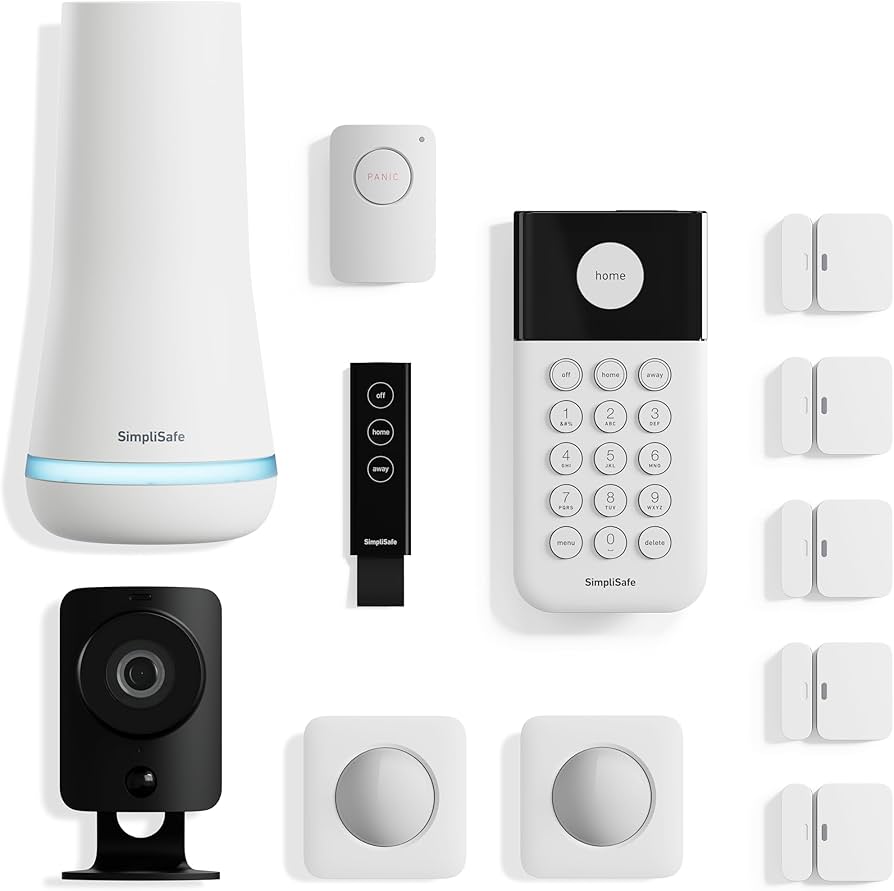
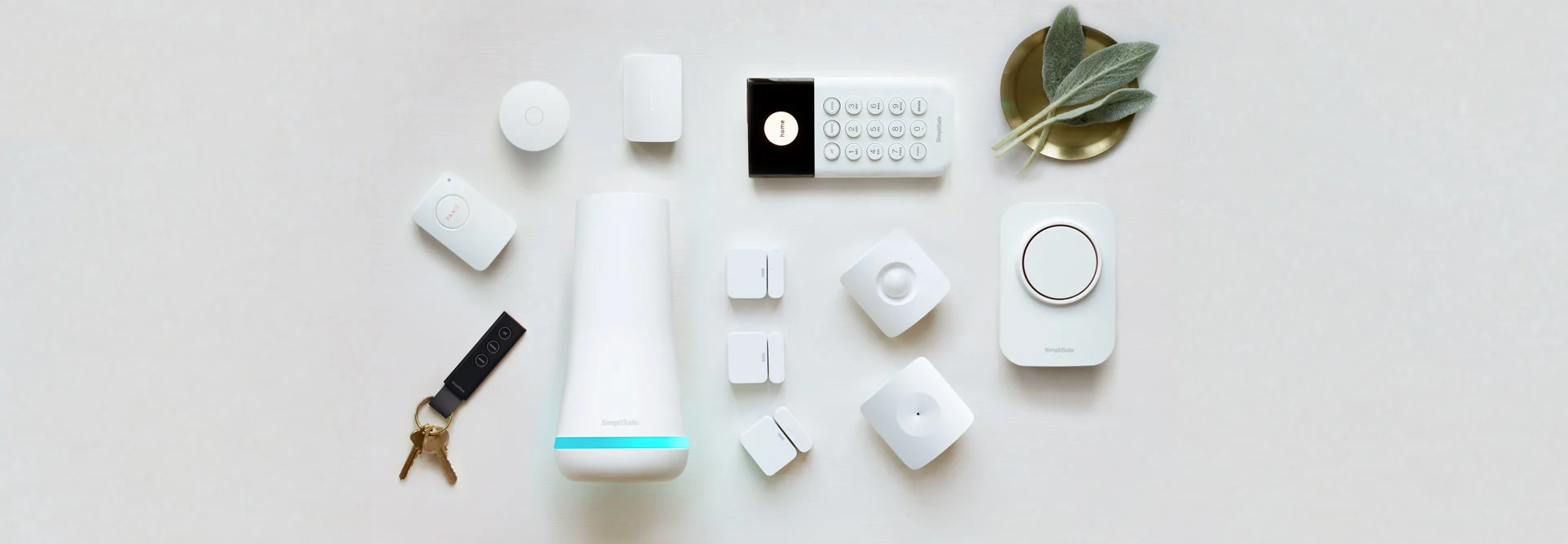
For homeowners seeking professional-grade protection without the cost of a technician, the SimpliSafe 12-Piece Wireless Home Security System is often the sweet spot for homeowners seeking a balance of coverage and value. The SimpliSafe 12-Piece Wireless Home Security System is designed to cover key doors, windows, and common living areas while keeping setup simple enough for renters, homeowners, and first-time security buyers. If you are comparing different DIY approaches, check out our Ring Alarm Pro buying guide for more options.
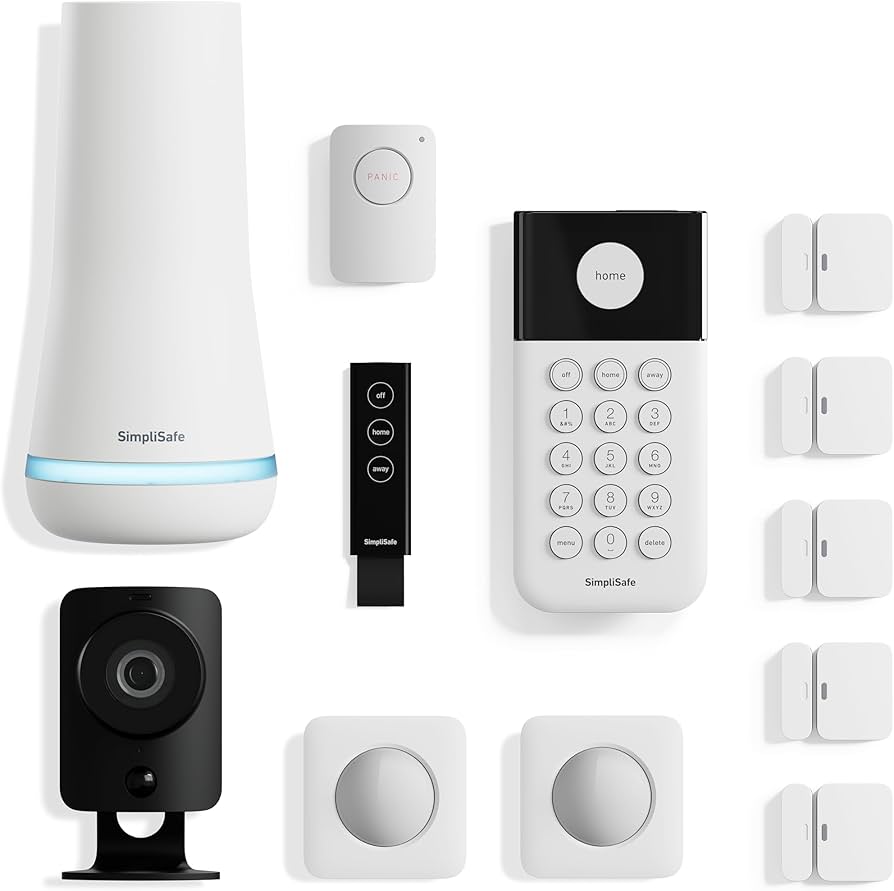
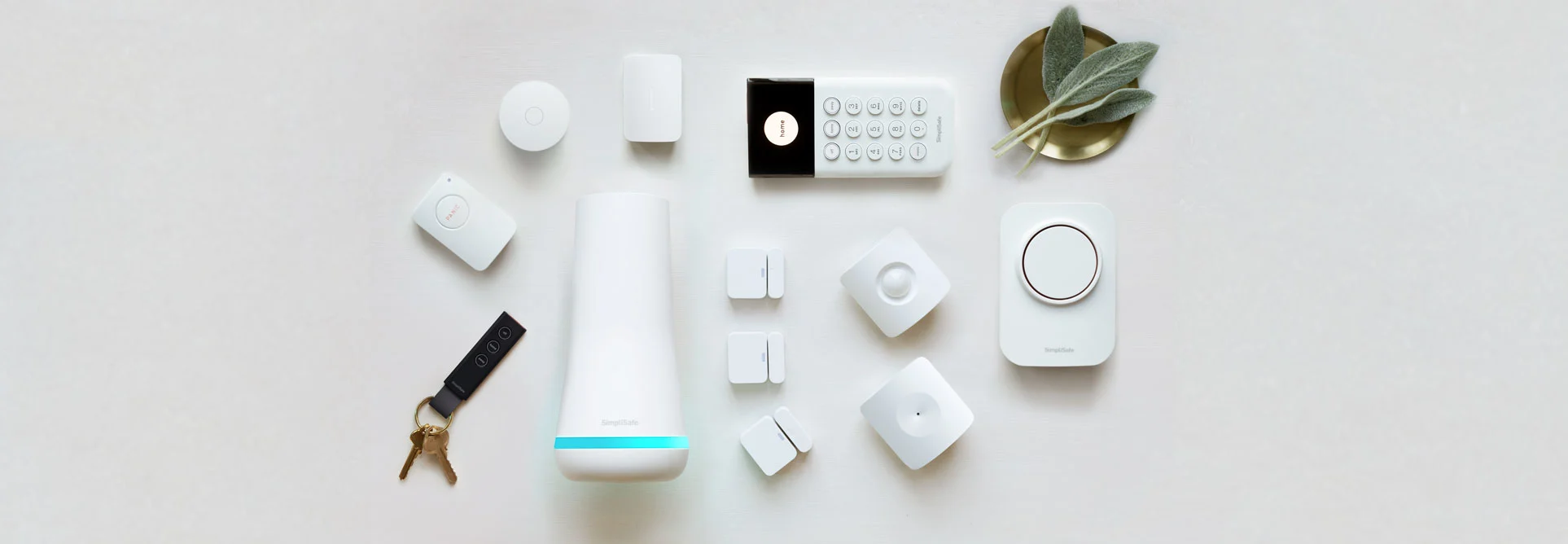
SimpliSafe 12-Piece Wireless Home Security System (SS3-11)
Score: 9.0/10 — A strong all-in-one wireless security kit for buyers who want broad starter coverage, app-friendly control, and optional professional monitoring without committing to a hardwired system.
SimpliSafe 12-Piece Wireless Home Security System with 24/7 Professional Monitoring
The SimpliSafe 12-Piece Wireless Home Security System is built for people who want a complete security starter kit rather than a single camera or basic alarm bundle.
With a base station, keypad, motion sensor, entry sensors, and additional accessories in the box, it gives you the core pieces needed to monitor multiple access points and one or more interior areas right away.Its biggest advantage is simplicity. Because the system is wireless and does not require professional installation, it is well suited to apartments, rental homes, condos, and existing houses where running wires would be inconvenient. The keypad and base station create the central alarm setup, while the sensors help detect common break-in paths such as doors, windows, and interior movement.
Looking for a comprehensive starter kit? The SimpliSafe 12-Piece Wireless Home Security System is an ideal starting point for most homeowners.
The SS3-11 is especially appealing if you want security that can scale. You can start with the included 12-piece configuration, then expand later if your layout changes or you decide to add more coverage. Optional 24/7 professional monitoring is the key upgrade for buyers who want emergency response support when an alarm is triggered, rather than relying only on self-monitoring.
This kit is best for households that want a reliable, low-friction security system without a long-term contract or a complex installation appointment. It may be more than a very small studio apartment needs, but for most small to midsize homes, townhomes, and larger apartments, the 12-piece bundle hits a practical balance between coverage, flexibility, and ease of use.
If you need a slightly smaller footprint, check out our ADT Self Setup 9-Piece Home Security Kit.
| Spec | SimpliSafe 12-Piece Wireless Home Security System |
|---|---|
| Model number | SS3-11 |
| Category | Home Security Systems |
| System type | Wireless home security kit |
| Installation | DIY installation; no professional installation required |
| Core components | Base station, keypad, motion sensor, entry sensors, and additional security accessories |
| Monitoring | Supports optional 24/7 professional monitoring |
| Best for | Renters, homeowners, first-time security buyers, and households wanting expandable wireless protection |
| Contract requirement | No long-term contract required for basic ownership; monitoring plan terms may vary |
Pros
- 12-piece bundle gives broader coverage than smaller starter kits
- Wireless design is friendly for renters and existing homes
- No professional installation required
- Optional 24/7 professional monitoring adds emergency-response support
- No long-term commitment required for basic system ownership
- Expandable if you need more sensors later
Cons
- Professional monitoring typically requires an ongoing plan
- May be more kit than a very small apartment needs
- Exact sensor placement matters for best coverage
- Buyers wanting a hardwired, installer-managed system may prefer a different setup
How the SimpliSafe SS3-11 Ecosystem Works
Understanding the operational flow of the SS3-11 is key to maximizing its effectiveness. Unlike traditional legacy systems that rely on a central wired panel and phone lines, the SimpliSafe 12-piece kit operates on a hub-and-spoke wireless model. The Base Station acts as the brain of the operation, communicating with all sensors and managing the connection to the SimpliSafe monitoring center via Wi-Fi or a cellular backup.
The Sensor Network
The 12-piece kit employs three primary types of detection. First are the Entry Sensors, which utilize a magnetic reed switch. One part is placed on the door or window frame, and the other on the moving part. When the magnetic bond is broken, a signal is sent instantly to the base station. These are critical for "perimeter" security. In a standard home, these are typically deployed on the front door, back door, and ground-floor sliding glass doors.
Next are the Motion Sensors. These use Passive Infrared (PIR) technology to detect heat signatures and movement. By placing these in central hallways or large living areas, you create a secondary layer of defense; if an intruder bypasses a window sensor, the motion sensor acts as a fail-safe. SimpliSafe's PIR sensors are tuned to ignore small pets to reduce false alarms, though placement is key to avoid "blind spots" created by heavy furniture or deep alcoves.
The Command Center
The Keypad is the user interface. While the SimpliSafe app allows for remote arming and disarming, the physical keypad provides an immediate way to toggle modes (Home, Away, Off) as you enter the house. The Keypad is strategically placed near the primary entrance for convenience. The Base Station itself contains the high-decibel siren, designed to shock intruders and alert neighbors or occupants. This siren is not just a noise maker; it serves as a psychological deterrent that often forces an intruder to flee immediately upon detection.
Technical Tip: The SS3-11 includes cellular backup. This means that even if a burglar cuts your internet line or your Wi-Fi router crashes, the system can still transmit alarm signals to the professional monitoring center using its internal SIM card. This redundancy is what separates a "smart home gadget" from a professional-grade security system.
Detailed Installation and Setup Guide
One of the primary selling points of the SimpliSafe 12-piece kit is the lack of a professional installation fee. However, "DIY" doesn't mean "random." For the best security results, a strategic approach to setup is required to eliminate vulnerabilities and avoid the frustration of false alarms.
Step 1: Base Station Positioning
The Base Station should be placed in a central location within the home. Because it communicates wirelessly with all sensors, placing it in a far corner of a basement may lead to connectivity issues with sensors on the top floor. Ensure it is plugged into a reliable power source and has a clear path to your Wi-Fi router. Avoid placing the base station inside a metal cabinet or directly behind a large appliance, as metal and dense electronics can interfere with the wireless signals sent from your sensors.
Step 2: Perimeter Mapping
Start with your entry sensors. Identify the "most likely" points of entry: the front door, back door, and ground-floor windows. When installing the magnetic sensors, ensure the gap between the two pieces is within the recommended distance (usually less than half an inch) to avoid "false open" alerts. Use the included adhesive strips for a non-destructive mount, which is ideal for renters. For those who prefer a permanent hold, small screws are typically compatible, but the adhesive is rated for long-term stability if the surface is cleaned with rubbing alcohol first.
Step 3: Interior Layering
Place your motion sensor in a high-traffic area that cannot be bypassed. A common mistake is placing a motion sensor directly facing a window or a heat source (like a fireplace), which can cause false triggers due to rapid temperature changes or sunlight shifting. Instead, aim it toward the center of a room or across a hallway. Ensure it is mounted at the height recommended in the manual (usually about 6-7 feet) to maximize the detection field without capturing too much "ground noise" from pets.
Step 4: System Calibration
Once all hardware is placed, use the SimpliSafe app to name each sensor (e.g., "Kitchen Window" or "Front Door"). This is crucial for professional monitoring; if the alarm goes off, the monitoring center will know exactly where the breach occurred, allowing them to provide more accurate information to emergency responders. This specificity can be the difference between a police officer checking the front porch and a police officer immediately securing the back entrance.
Comprehensive Buyer's Guide: Is 12 Pieces the Right Size?
When shopping for home security, the number of pieces in a kit can be confusing. You might wonder if a 5-piece kit is enough or if a 20-piece kit is overkill. The 12-piece SS3-11 kit is designed as a "Mid-Tier" solution, bridging the gap between basic door-monitoring and a full-property fortress.
Who Should Choose the 12-Piece Kit?
- Small to Mid-Sized Homeowners: If you have a 2-3 bedroom home with multiple entry points, the 12-piece kit provides enough sensors to cover the main doors and a few key windows, plus interior motion detection. For those prioritizing high-definition video over sensors, our Arlo security guides offers a detailed look at camera-centric security (see our Arlo Essential review). It allows you to secure the "critical path" an intruder would take.
- Renter-Minded Buyers: Because no drilling or wiring is required, the 12-piece kit is a massive upgrade over basic "door-only" alarms without risking a security deposit. It offers a high level of protection that can be packed up and moved to a new apartment in under thirty minutes.
- Security Novices: For those who have never owned a security system, this kit provides a comprehensive "taste" of every sensor type, allowing you to learn how they work before investing in more hardware.
Comparing the 12-Piece Kit to Other Options
If you live in a studio apartment with only one door and one window, a 12-piece kit is likely unnecessary; you may prefer a more compact option like the SimpliSafe 9-Piece Wireless Home Security System with Smart Lock and Outdoor Camera. Alternatively, Abode Iota All-in-One Home Security Kit
Related parts & accessories
Expansion Strategy: SimpliSafe is modular. We recommend starting with the 12-piece kit (SS3-11) and then adding a SimpliSafe 13-Piece Wireless Home Security System (see our detailed review) or a Glass Break Sensor once you've identified the "weak spots" in your home's layout. You can also add smoke detectors or water sensors to the same hub, turning your security system into a general home safety hub. For other critical home safeguards, see our Wayne ESP25 battery backup review.
Maintenance and Long-Term Ownership
Wireless security systems are "low maintenance," but they are not "no maintenance." To ensure your home remains protected, you must adhere to a basic upkeep schedule. A system that is ignored is a system that fails when it is needed most.
Battery Management
Every sensor in the SS3-11 kit runs on batteries. While these batteries typically last for several years, they will eventually deplete. The SimpliSafe system is designed to alert you via the app and the base station when a sensor's battery is low. Do not ignore these alerts. A sensor with a dead battery is effectively a hole in your security perimeter. We recommend a "battery audit" every six months where you check the status of all components within the app to ensure no sensor has gone offline.
Testing the System
We recommend a monthly "test run." Put your system in "Test Mode" (so you don't accidentally dispatch the police) and trigger each sensor manually. Open every door and window and walk in front of the motion sensors to verify that the base station is receiving the signal. This ensures that a sensor hasn't fallen off the wall due to humidity or become unresponsive due to a technical glitch.
Firmware and App Updates
Because the SS3-11 is an internet-connected device, the software evolves. SimpliSafe frequently pushes updates to the base station and the mobile app to improve connectivity and add new features. Ensure your app is always updated to the latest version. These updates often include security patches that protect your system from potential digital vulnerabilities, as well as improvements to the user interface that make arming and disarming the system faster.
Comparative Analysis: SimpliSafe SS3-11 vs. Competitors
When comparing the SS3-11 to traditional security giants (like the Vivint review or the ADT Self Setup 9-Piece Kit buying guide) or budget smart-home brands (like the Eufy Security Alarm (S330) review or the Ring Alarm Pro 14-Piece Wireless Home Security System (see our detailed buying guide) or Wyze), the 12-piece kit occupies a unique middle ground. To make an informed decision, it is important to look at three specific dimensions: Contractual Freedom, Installation Effort, and Monitoring Quality.
Contractual Freedom vs. Traditional Security
The most significant difference between the SS3-11 and legacy providers is the "No Contract" philosophy. Traditional systems often lock users into 3-to-5 year contracts with steep cancellation fees. SimpliSafe removes this barrier. While you pay for professional monitoring on a monthly basis, you can cancel or pause the service at any time. This is a critical advantage for renters who may move frequently or homeowners who want the flexibility to change their security level based on the season (e.g., increasing monitoring during summer vacations).
DIY Ease vs. High-End Professional Systems
Professional installations often involve drilling through walls, running Ethernet cables to every sensor, and spending a full day with a technician. The SS3-11 eliminates this. The "peel-and-stick" nature of the sensors means the entire 12-piece kit can be deployed in under an hour. While this lacks the "invisible" look of hardwired systems, it provides 95% of the security value with 5% of the effort. For the average homeowner, the trade-off is heavily skewed in favor of the DIY wireless approach.
The Monitoring Gap: Self-Monitoring vs. Professional
While some users prefer lower-cost options, many budget-tier systems only offer "self-monitoring," (see our