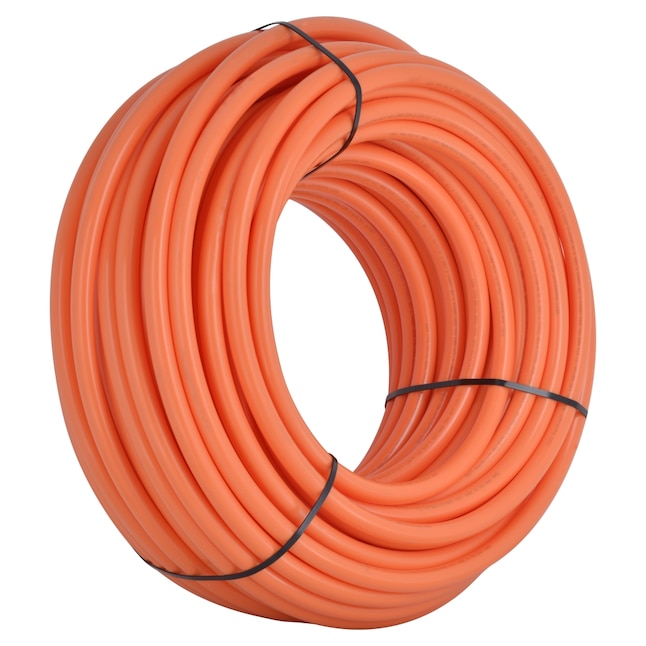
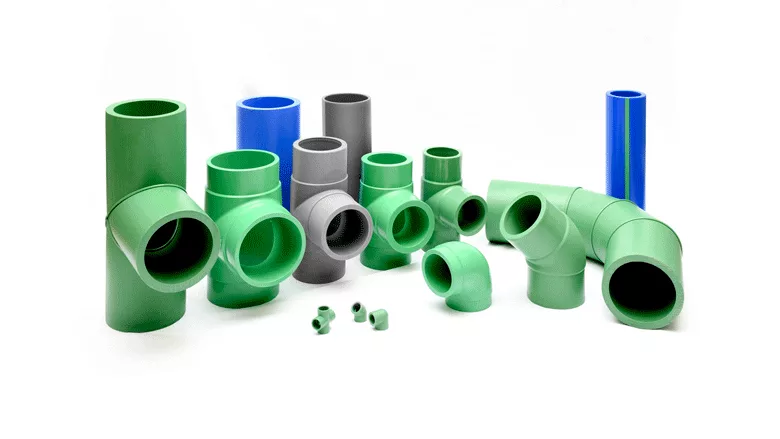
PEX-A is widely considered the gold standard for residential plumbing due to its superior flexibility, freeze resistance, and the ability to use expansion fittings. However, for homeowners seeking a cost-effective, durable alternative for potable water and radiant heating, PEX-C offers a professional-grade solution using electron beam cross-linking. This comprehensive buying guide explores the nuances of PEX-A and PEX-C to help you determine which plumbing system is the best investment for your home's infrastructure.
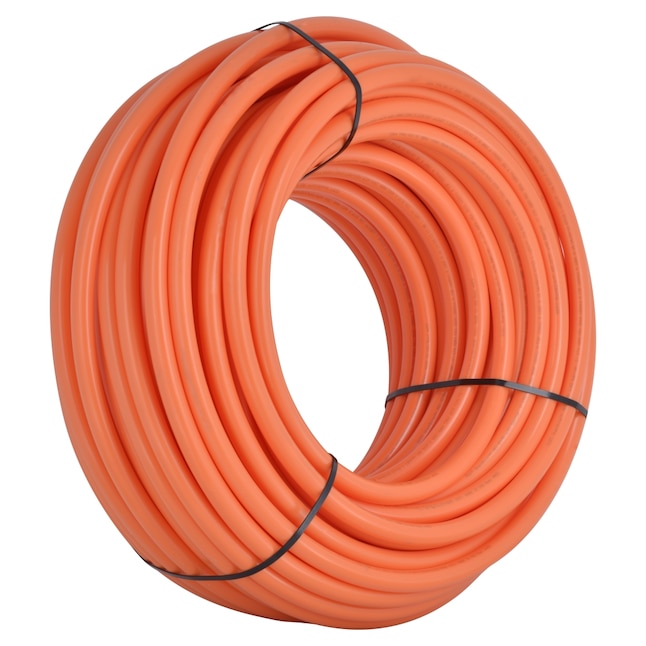
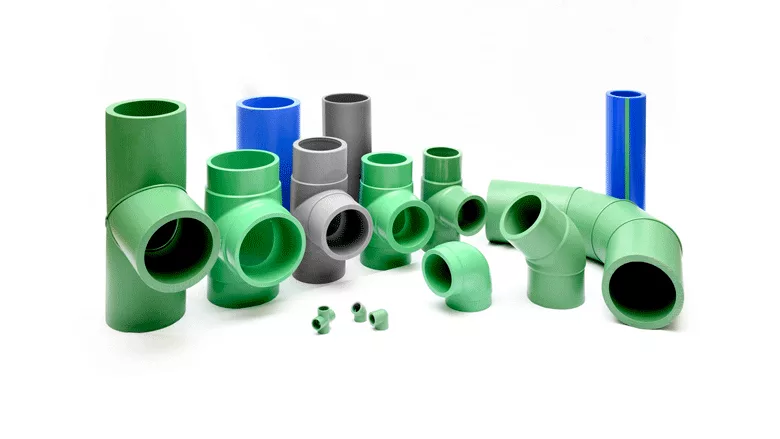
Top Pick: PEX-C (EB-PEX-C-12)
Score: 8.5/10. An exceptional balance of durability and value, utilizing e-beam technology to provide uniform cross-linking and high-pressure tolerance for residential and light commercial use.
PEX-A pipe has quietly become the gold standard for residential plumbing, winning over contractors and DIY homeowners alike with its unmatched flexibility, freeze resistance, and long-term reliability. Whether you're replumbing an entire house or running a single supply line, choosing the right PEX product can save you thousands in labor and repairs over the lifetime of your home. From the high-end flexibility of PEX-A to the streamlined efficiency of PEX-C, the modern plumbing landscape offers options that far surpass the rigidity and corrosion risks of traditional copper or galvanized steel.
PEX-C (EB-PEX-C-12)
PEX-C tubing, specifically the EB-PEX-C-12 model, represents a highly efficient approach to cross-linked polyethylene piping. Unlike the peroxide method used in PEX-A or the silane method used in PEX-B, PEX-C is produced using the electron beam (e-beam) method. In this process, the polyethylene is irradiated with high-energy electrons, which triggers cross-linking between the polymer chains. This results in a remarkably uniform molecular structure that enhances the pipe's overall durability and resistance to cracking under pressure.
For the homeowner, PEX-C is an ideal middle-ground solution. It is engineered for high-temperature and pressure tolerance, making it a reliable choice for potable water distribution, hydronic systems, and radiant floor heating. While it lacks the "shape memory" of PEX-A—meaning you cannot simply heat a kink out of the pipe—it offers significantly easier installation than rigid copper. It is particularly effective in tight spaces where traditional piping would be impractical, allowing for sweeping curves that reduce the need for excessive elbow fittings, which are often the primary failure points in a plumbing system.
The EB-PEX-C-12 is specifically designed for those who prefer the stability of crimp-style connections. Because PEX-C is optimized for these mechanical fasteners, it eliminates the need for the expensive, specialized expansion tools required for PEX-A. This makes it the preferred choice for DIY enthusiasts and budget-conscious renovators who still want the long-term peace of mind associated with cross-linked polyethylene.
Whether you are installing a new water line to a kitchen island or updating a basement hydronic loop, this tubing provides the structural integrity needed for residential and light commercial applications.
Looking for a reliable alternative? Check out the PEX-C (EB-PEX-C-12) for a durable, cost-effective solution.
Pros
- Uniform cross-linking via e-beam method increases crack resistance
- Highly compatible with standard, affordable crimp and clamp fittings
- Excellent flexibility for routing around obstacles in tight walls
- High temperature and pressure tolerance for hot water lines
- Cost-effective alternative to PEX-A without sacrificing essential durability
Cons
- Lacks the advanced kink-recovery properties of PEX-A
- Not compatible with expansion-style fittings
- Slightly lower flexibility in extreme cold compared to PEX-A
This guide may earn a commission on purchases made through links on this page, at no extra cost to you.
| Specification | PEX-C (EB-PEX-C-12) Details |
|---|---|
| Model Number | EB-PEX-C-12 |
| Manufacturing Method | Electron Beam (e-beam) Cross-linking |
| Primary Applications | Potable Water, Radiant Heat, Hydronic Systems |
| Connection Type | Crimp / Clamp |
| Key Feature | Uniform molecular cross-linking for crack resistance |
| Environment | Residential & Light Commercial |
Understanding PEX Technology: How It Works
To make an informed buying decision, it is essential to understand what "PEX" actually is. PEX stands for cross-linked polyethylene. Standard polyethylene is a thermoplastic that is relatively soft and can melt or deform at high temperatures. By "cross-linking" the polymer chains—essentially creating chemical bonds between the long chains of molecules—the material is transformed into a thermoset plastic. This means it will not melt when heated and can withstand much higher pressures and temperatures than standard plastic piping.
The three primary methods of cross-linking create the A, B, and C designations. PEX-A (such as Uponor AquaPEX White PEX-A Tubing Coil) uses the Engel method (peroxide), where cross-linking occurs during the melting process. This creates the highest density of cross-links, giving the pipe its legendary flexibility and memory. Apollo Half-Inch White PEX-B Flexible Water Pipe Tubing Coil uses the Silane method, where the pipe is extruded and then treated with a chemical agent and hot water to trigger cross-linking. PEX-C, as seen in the EB-PEX-C-12, uses electron beam radiation to punch the cross-links into place. This method is highly precise and creates a very consistent wall thickness and material density.
From a physics perspective, the cross-linking acts like a structural web. When the pipe is stressed or bent, these bonds pull the material back toward its original shape. While PEX-C has slightly fewer of these bonds than PEX-A, it still possesses enough structural integrity to outperform copper in terms of corrosion resistance. Since PEX is not a metal, it cannot rust or suffer from the "pinhole leaks" common in copper pipes exposed to acidic water or high chlorine levels.
Crucially, the electron beam method used in the EB-PEX-C-12 avoids the use of chemical catalysts that can sometimes leave residues or create inconsistencies in the pipe wall. Because the radiation penetrates the plastic uniformly, the resulting pipe is exceptionally stable across its entire circumference. This is why PEX-C is often preferred for high-pressure hydronic systems; there are fewer "weak spots" in the molecular lattice where a breach could originate.
The Homeowner's Guide to Installation Methods
Choosing your pipe is only half the battle; the connection method is where most plumbing failures occur. If you're updating your whole-home water management, you might also consider a Ridgid SP-650C sump pump guide to prevent basement flooding. Depending on whether you choose PEX-A or PEX-C, your tooling requirements will change drastically. Understanding these methods ensures you don't buy the wrong hardware—refer to ASTM-Standard Pipes and Fittings for Plumbing guidelines and consider high-quality components like the Watts 3/4 inch Lead-Free Brass FPT Coupling and our detailed Watts LFA-3/4 Review—for your chosen tubing.
1. The Expansion Method (PEX-A Only)
Expansion fittings are the gold standard for reliability. A specialized tool, such as the Milwaukee M12 ProPEX Expansion Tool Kit, expands the end of the pipe and the fitting ring. Once the fitting is inserted and the tool is removed, the pipe shrinks back to its original diameter, creating a mechanical seal that is essentially a "permanent" bond. The advantage here is the lack of a separate clamp that could potentially fail or be over-tightened, causing the pipe to deform. For quick repairs, many homeowners turn to SharkBite push-to-connect fittings for speed and ease. However, these tools are expensive and often require a power source, making them less appealing for minor repairs.
2. The Crimp Method (PEX-B and PEX-C)
The crimp method is the most common for DIYers and is the primary method for the EB-PEX-C-12. It involves sliding a copper crimp ring over the pipe, inserting a brass fitting, and using a crimping tool to compress the ring into a precise diameter. This creates a tight, leak-proof seal. Crimp tools are significantly cheaper than expansion tools, making the barrier to entry much lower for the average homeowner. The key to success with crimping is ensuring the ring is seated correctly and that the tool is calibrated for the specific pipe diameter.
3. The Clamp Method (Universal)
Clamp fittings use stainless steel bands that are tightened with a screw or a specialized tool. While these are the cheapest and easiest to install, they are generally considered slightly less reliable than crimps or expansion fittings because the seal depends entirely on the tension of the stainless steel band and the skill of the person tightening the screw. They are excellent for temporary setups or low-pressure applications but are less recommended for main water supply lines inside walls.
Deep Dive: Designing Your Plumbing Layout
When moving from a traditional copper system to a PEX system like the EB-PEX-C-12, you have the opportunity to completely rethink how water moves through your home. Traditional plumbing often uses a "Trunk and Branch" system, where one large pipe (the trunk) runs through the house and smaller pipes (branches) tee off to each fixture. This is efficient for material use but often leads to pressure drops when multiple fixtures are used simultaneously.
The Home-Run (Manifold) System
A "home-run" system uses a central manifold—essentially a plumbing circuit breaker. From this manifold, a dedicated line of PEX-C runs directly to every single faucet, toilet, and shower. There are no tees or joints hidden inside the walls; every connection is either at the manifold or at the fixture. This is the ideal setup for the EB-PEX-C-12 because it minimizes the number of crimp fittings required, which are theoretically the most likely points of failure. Furthermore, it allows you to shut off water to a single room or fixture from the central manifold without turning off the water for the entire house.
Hybrid Systems
For many homeowners, a hybrid system is the most practical. This involves using a trunk-and-branch layout for the main corridors but utilizing PEX-C's flexibility to create "pods" of distribution. For example, you might have one branch go to the bathroom, and then use a small manifold inside the bathroom wall to distribute water to the sink and shower. This reduces the total amount of piping required while still offering some of the benefits of a home-run system.
Critical Considerations: Thermal Expansion and Support
One of the most overlooked aspects of PEX installation is thermal expansion. PEX expands and contracts significantly more than copper when water temperature changes. If you zip-tie a PEX pipe tightly to a floor joist, the pipe will "snake" or bow as it heats up, which can lead to rubbing against wood and eventually wearing through the pipe wall.
To prevent this, homeowners should use plastic PEX hangers or "floating" supports. These allow the pipe to move longitudinally as it expands. When running PEX-C through studs, avoid drilling holes that are too tight; leave a small gap to allow the material to shift. If you are installing a radiant heating loop, ensure the tubing is secured with staples that have a plastic head to avoid pinching the tubing against the concrete slab.
Another critical factor is UV exposure. All PEX grades, including the EB-PEX-C-12, are susceptible to UV degradation. Sunlight breaks down the polymer chains, making the pipe brittle and prone to cracking. Never leave PEX coils sitting in the sun for weeks before installation. If a pipe must be run outdoors, it must be sleeved in a UV-resistant conduit or painted with a specialized UV-blocking coating. A pipe exposed to direct sunlight for a few months can lose a significant portion of its pressure rating and become prone to sudden bursts.
PEX-A vs. PEX-C: Which One Should You Buy?
The decision usually comes down to a trade-off between upfront cost and long-term versatility. PEX-A is the premium choice. If you are doing a massive renovation and can justify the $500+ investment in a powered expansion tool, PEX-A is superior because of its kink recovery and the sheer strength of its joints. If a pipe gets kinked during a hectic installation, you can simply hit it with a heat gun to restore its shape.
However, PEX-C (EB-PEX-C-12) is the pragmatic choice. For most homeowners, the "kink recovery" feature is a luxury, not a necessity, provided the installer is careful. The e-beam method ensures that you are getting a pipe with highly consistent quality and excellent pressure ratings. When you factor in the cost of the piping and the tools, a PEX-C installation can be 30-50% cheaper than a PEX-A installation while providing nearly identical lifespan and performance for potable water.
| Feature | PEX-A | PEX-C (EB-PEX-C-12) |
|---|---|---|
| Cross-linking Method | Peroxide (Engel) | Electron Beam |
| Tooling Cost | High (Expansion Tool) | Low (Crimp Tool) |
| Kink Recovery | Yes (with heat) | No (must cut and replace) |
| Connection Strength | Extreme (Expansion) | High (Crimp/Clamp) |
| Price per Foot | Premium | Economical |
| Best Use Case | Professional Whole-Home Repipes | DIY Renovations & Budget Builds |
Maintenance and Long-Term Care of PEX Systems
One of the biggest selling points of PEX-C and PEX-A is that they are virtually maintenance-free. Unlike copper, they do not suffer from oxidation or mineral buildup inside the pipe walls that can restrict flow over time. However, a "maintenance-free" system still requires a few precautions to ensure it lasts the promised 50+ years.
Water Chemistry and Chlorine
While PEX is highly resistant to corrosion, extremely high levels of chlorine in municipal water can potentially degrade the interior lining of some PEX pipes over decades. For most residential areas, this is a non-issue. However, if you live in an area with known high-chlorine "shocks" to the water system, consider installing a GE GXWH40L whole-house water filter system to ensure your water chemistry is balanced at the main entry point. This protects not only your pipes but also your MOEN Chateau 7430 kitchen faucet and water heater and faucets.
Freeze Protection
PEX is far more freeze-resistant than copper. Because it is flexible, it can expand slightly as water turns to ice, which prevents the pipe from bursting in many scenarios where copper would shatter. However, "freeze-resistant" does not mean "freeze-proof." If a section of PEX-C freezes and remains frozen for a long period, the expansion can still stress the molecular bonds of the material. The best protection remains proper insulation of exterior walls and the use of heat tape in extremely cold climates.
Monitoring Fittings
While the pipe itself rarely fails, the fittings are where issues usually arise. Along with checking your sump pump system, periodically check exposed PEX-C connections—such as those using a SharkBite 1/2 inch Push-to-Connect Ball Valve under sinks or near the water heater—for signs of moisture. Because the EB-PEX-C-12 uses crimp rings, ensuring that these rings haven't loosened over time (which is rare but possible with extreme temperature swings) is a good annual habit.
Common Pitfalls and How to Avoid Them
Even with a high-quality product like the EB-PEX-C-12, improper installation can lead to catastrophic leaks. Avoid these common mistakes:
- Over-tightening Clamps: Using a clamp method? Don't ove