Choosing between a front load or top load washing machine (and determining if a compact washer is right for your space) is one of the most critical appliance decisions for your home—similar to choosing the right water softening system or setting up a whole house water filtration system—because the wrong choice can cost you hundreds of dollars in energy bills, repairs, or premature replacement down the line. Both styles have evolved dramatically in recent years, and the "obvious" winner isn't always so obvious once you dig into the details. This guide breaks down everything you need to know so you can walk into any appliance store (or open any browser tab) with total confidence.
TL;DR — Quick Summary
- Front loaders win on energy efficiency, water savings, cleaning performance, and fabric care — but cost more upfront and require more maintenance to prevent mold.
- Top loaders with agitators are budget-friendly, faster, and easier to load — but use significantly more water and can be rougher on clothes.
- High-efficiency (HE) top loaders (impeller/no agitator) split the difference, offering better efficiency than traditional top loaders but generally inferior wash performance to front loaders.
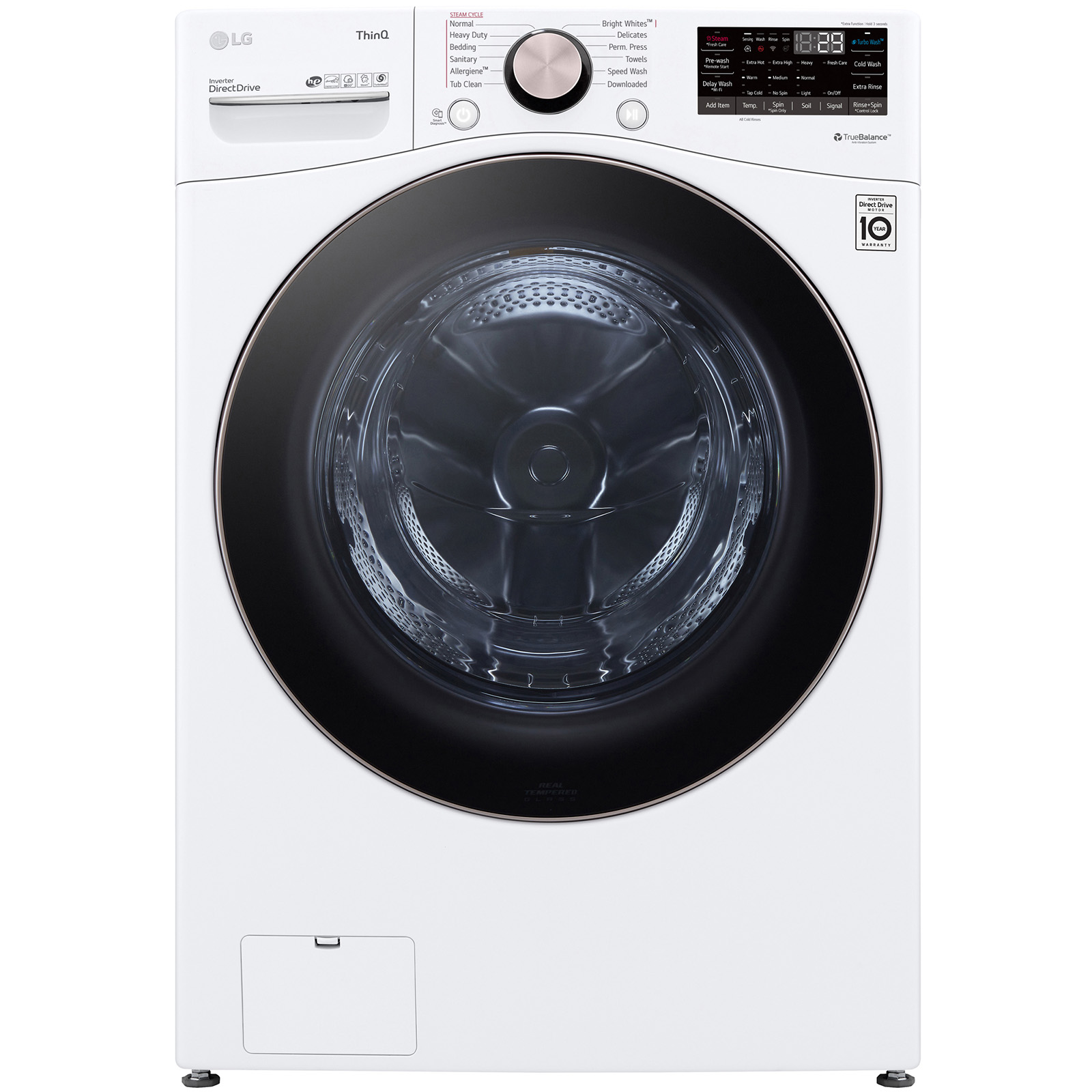
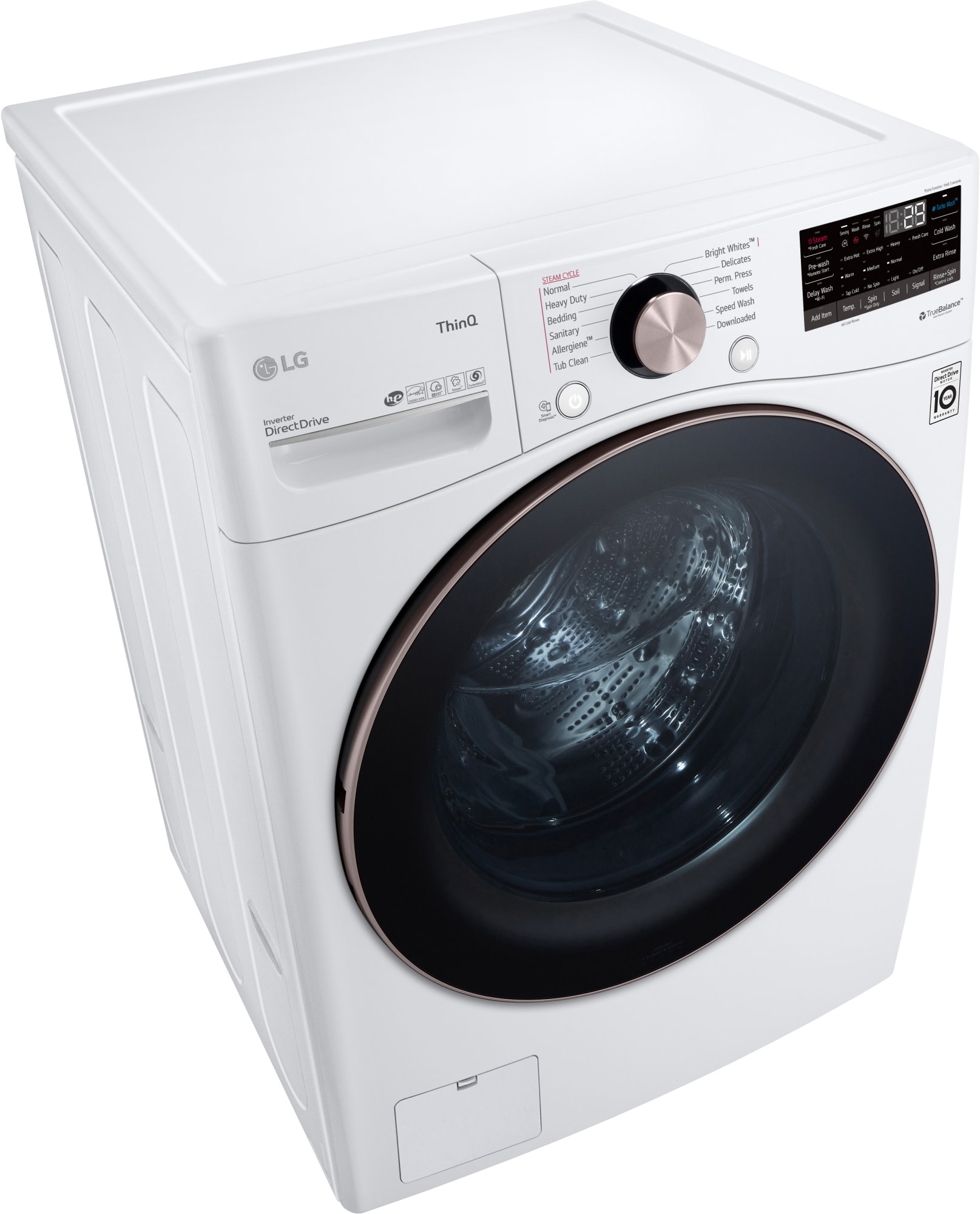
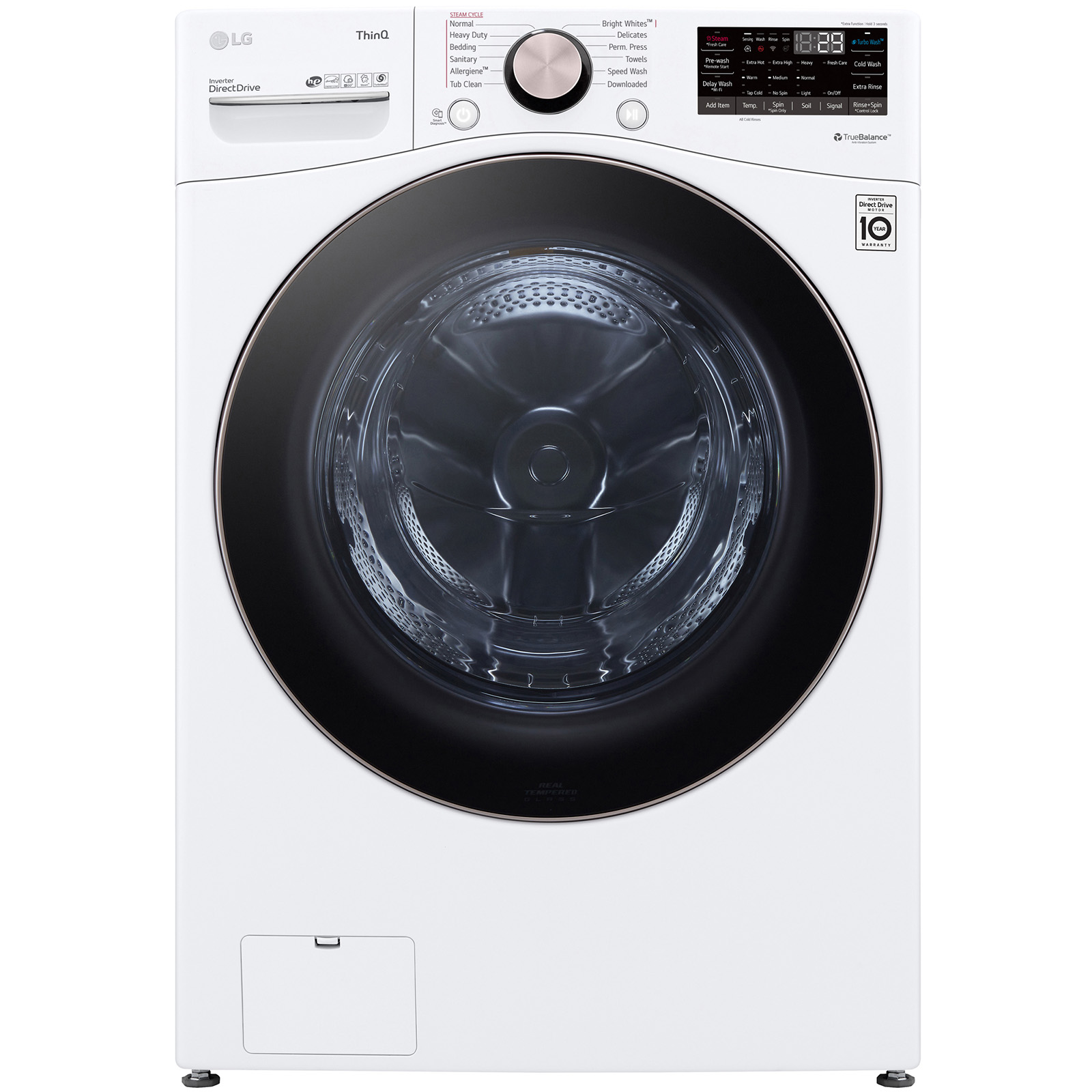
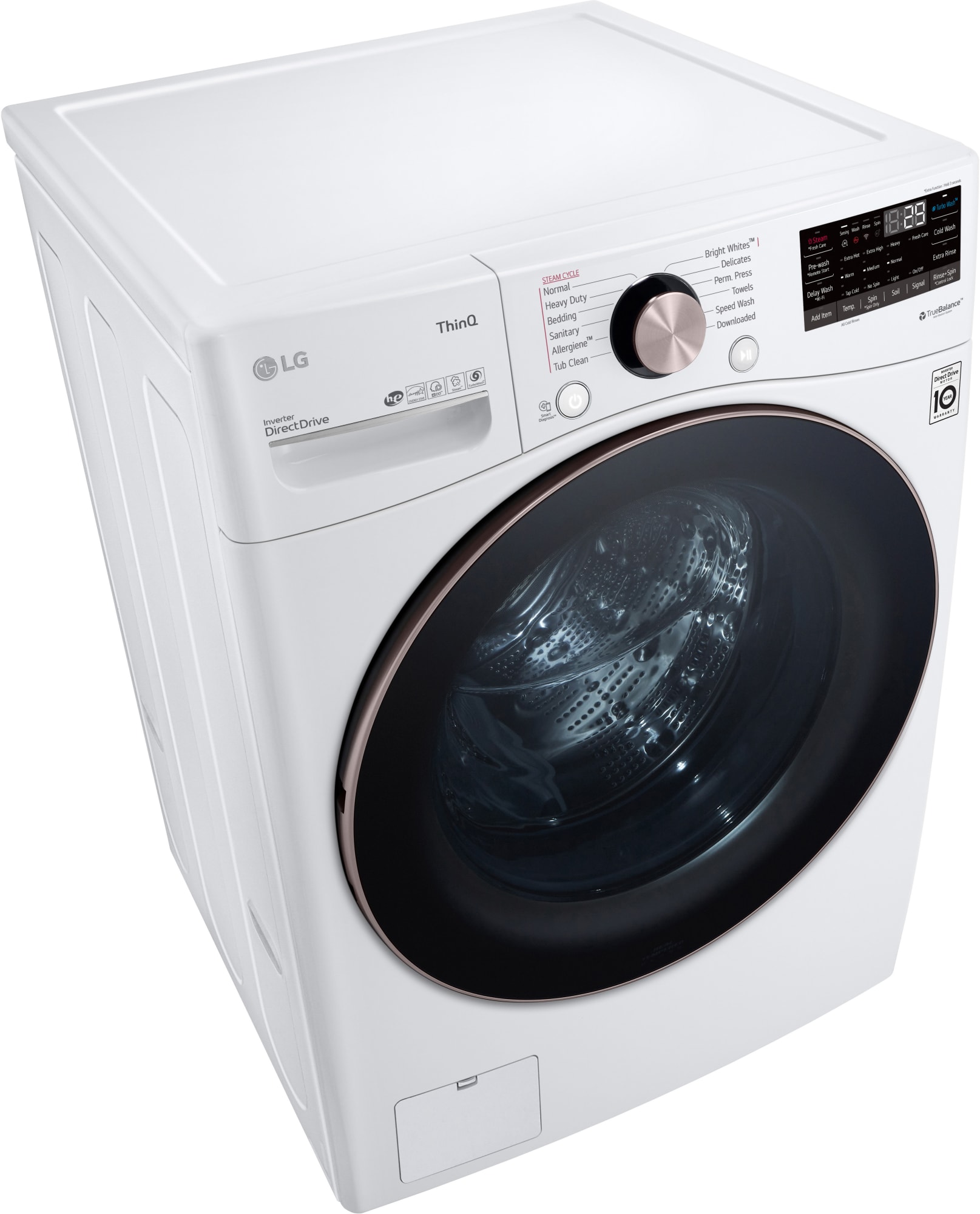
- Best for most people: A front loader with a steam cycle (such as the LG TurboWash 360 Smart Front-Load Washer) if budget allows; an HE top loader if you prioritize convenience and value.
Our Top Pick for Most Buyers: Front Load Washer
For the majority of households, a modern front load washer delivers superior cleaning performance, lower long-term operating costs, and gentler fabric care. Our top recommendation is the LG TurboWash 360 Front Load Washer, which combines a 5.0 cu. ft. capacity and AI-driven fabric care.
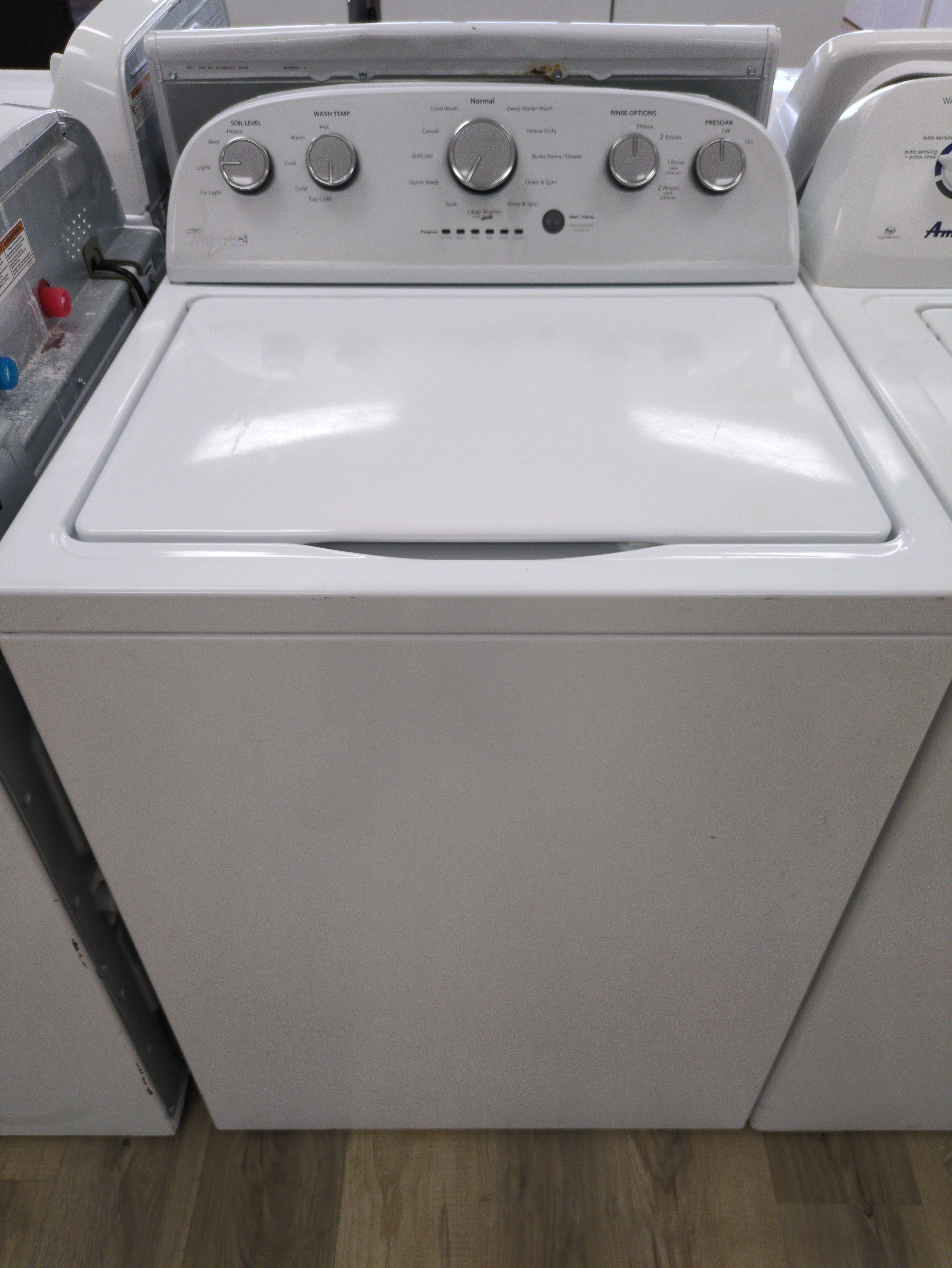
If budget or ergonomics are a concern, a high-efficiency top loader without an agitator — like the Whirlpool Top Load Washer — is a strong runner-up.
Front Load Washing Machines
Front load washers use a horizontal drum that tumbles clothes through a small pool of water at the bottom — a process that is inherently more efficient than immersing an entire load. Because the drum doesn't need to be filled to the top, these machines use up to 40–50% less water than a traditional top loader. Combine that with faster spin speeds (1,200–1,600 RPM is common), and your clothes come out drier before they even hit the dryer — which translates directly into shorter drying cycles and lower energy bills month after month.
Cleaning performance is where front loaders have historically excelled. The tumbling action combined with higher temperatures (many models can heat water internally to boost stain removal) allows detergent to penetrate fabric more thoroughly. Independent testing by consumer organizations consistently places front load models at the top of wash-performance rankings for stain removal, rinsing, and fabric preservation. If you have a family dealing with grass stains, wine spills, or baby blowouts on a regular basis, a front loader is very likely to outperform its top-loading counterpart.
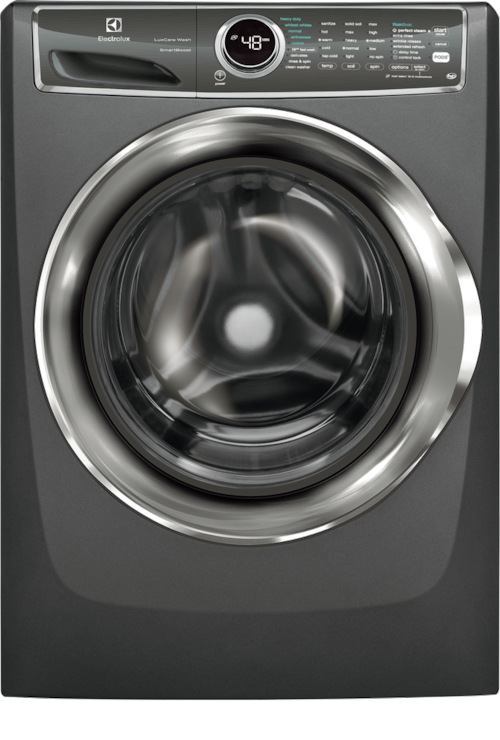
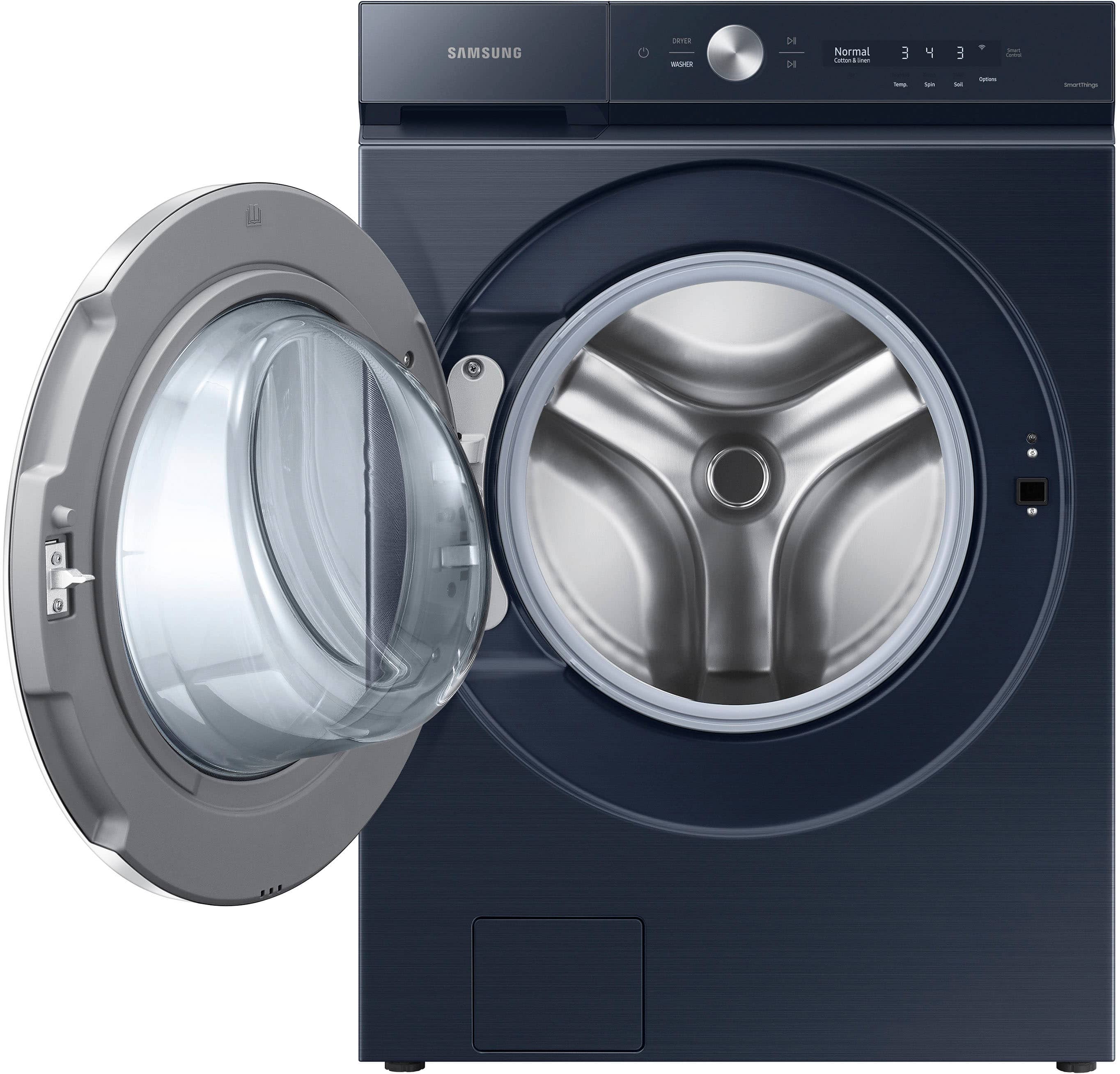
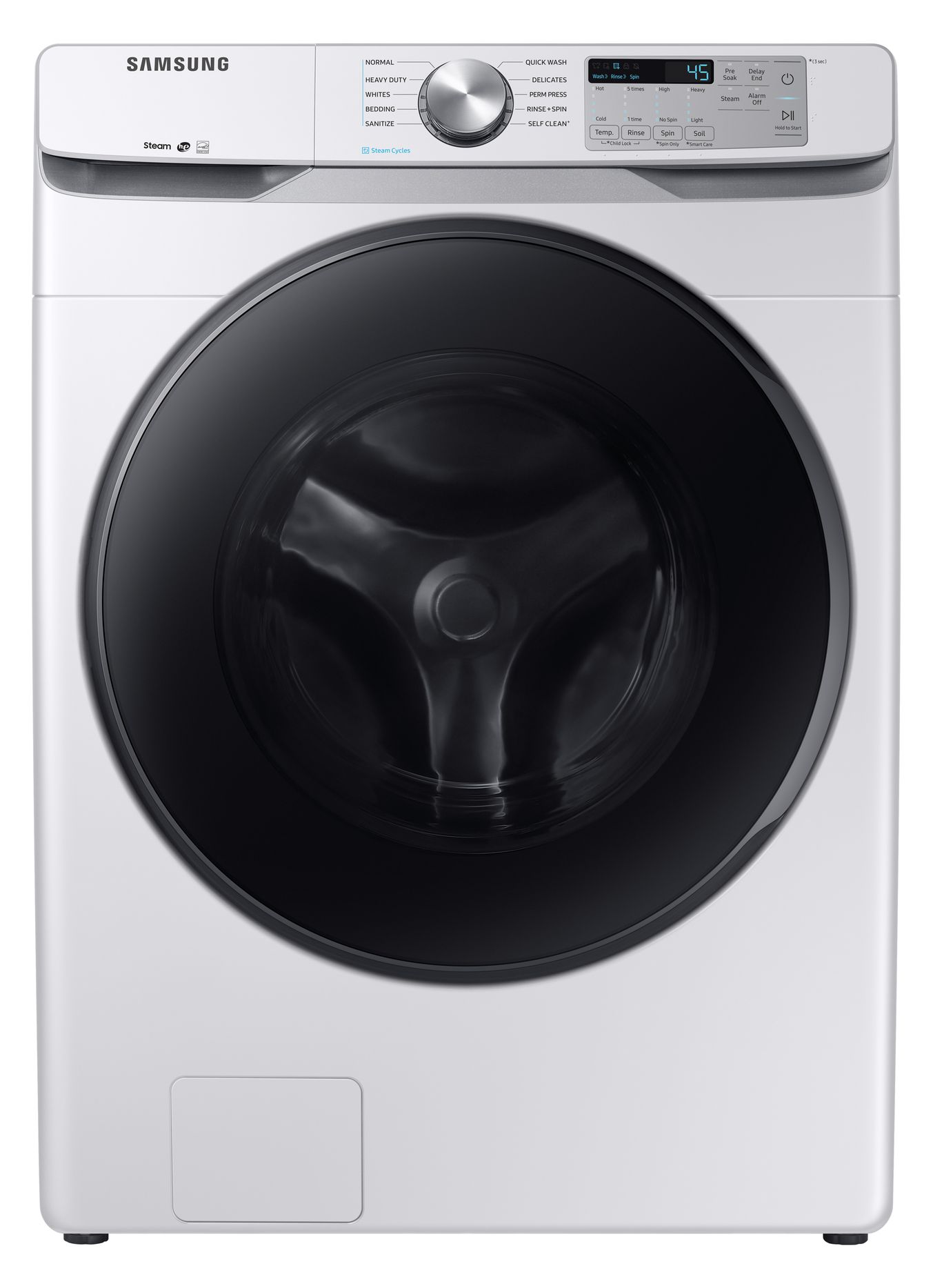
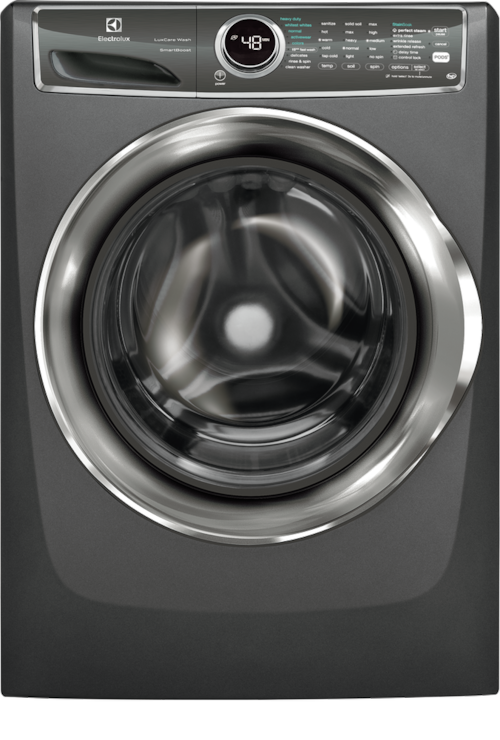
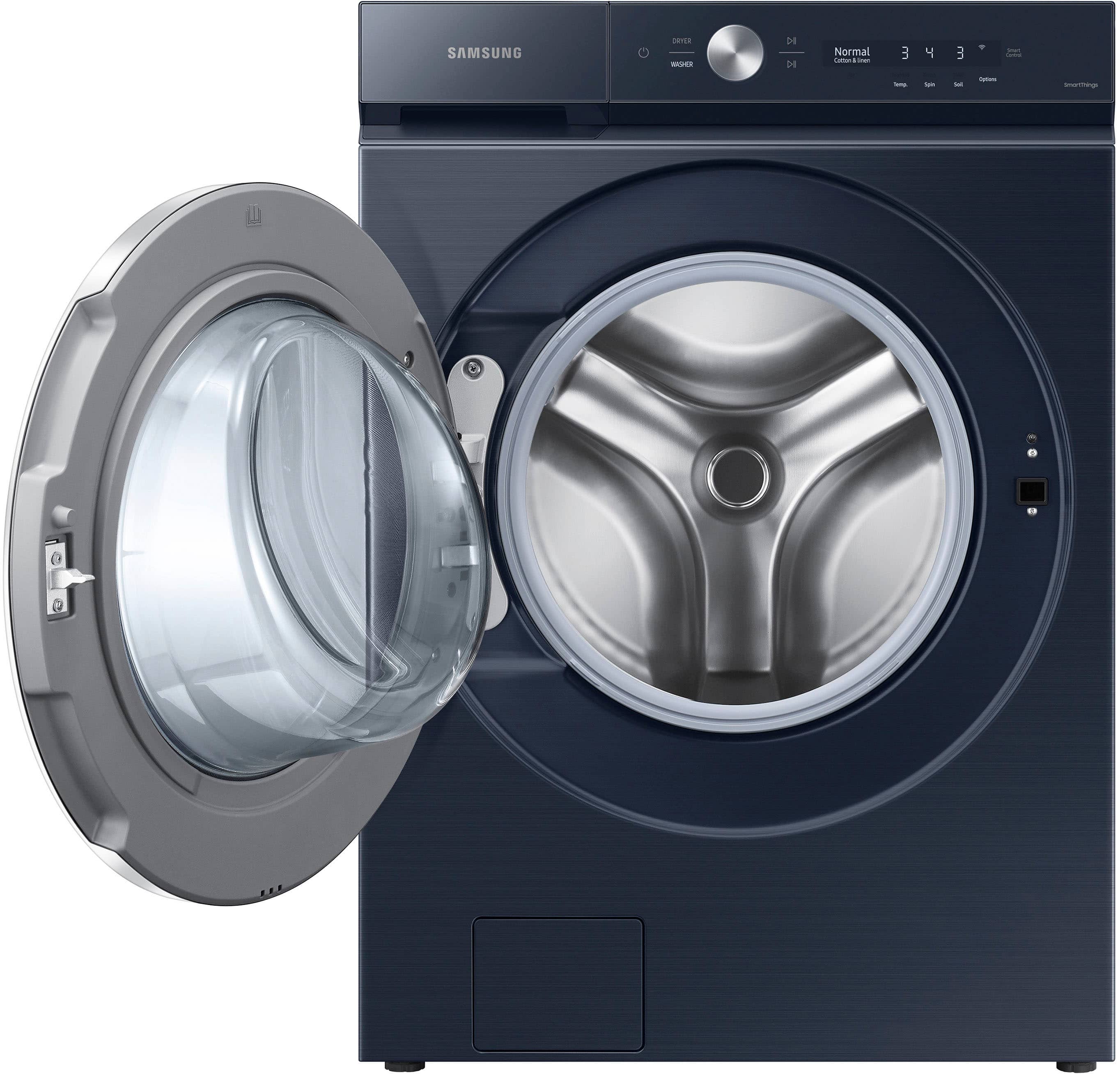
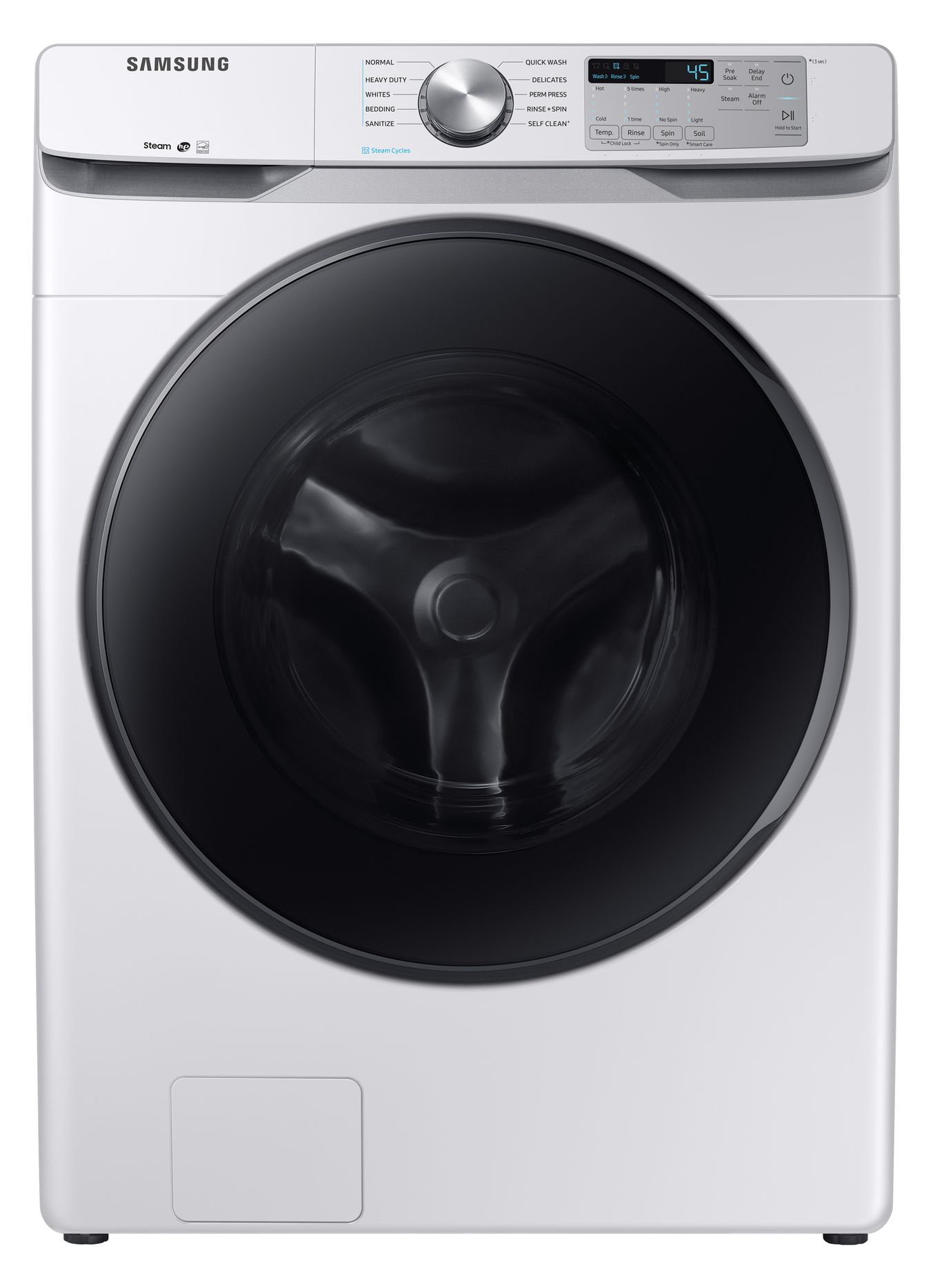
Standout models in this category include the Electrolux Front Load Washer with Steam and WiFi and the Samsung Front Load Washer with Steam and Self Clean Plus.Shoppers who prefer a black-steel finish should consider the LG TurboWash 360 Front Load Washer for the same technology in a darker cabinet.
The case for front loaders doesn't end at cleaning. Because the drum is oriented horizontally, there is no agitator twisting or pulling at your garments — clothes are lifted and dropped gently rather than scrubbed against a central post. This gentler action significantly extends the life of delicate fabrics, activewear, and woolens. Additionally, front loaders are stackable, making them the only practical choice for apartments, closets, or any space where floor footprint matters. Many models also accept pedestals to raise the door to a comfortable working height, eliminating the deep bend required to load and unload.
The downsides are real and worth acknowledging. Front loaders generally cost $200–$600 more than equivalent top loaders. The door gasket and drum interior are prone to mold and mildew if the door is not left ajar after each cycle and the drum is not cleaned regularly. You cannot add a forgotten sock mid-cycle (the door locks once water is detected, though some brands offer a "pause and add" feature). Cycle times are also longer — a standard wash can take 60–90 minutes compared to 40–60 minutes on a top loader.
Pros
- Superior cleaning and stain removal performance
- Uses 40–50% less water per cycle
- Higher spin speeds = shorter drying time
- Gentler on delicate fabrics and clothing longevity
- Stackable — ideal for small spaces
- Lower long-term operating costs
- Quieter vibration in most modern models
Cons
- Higher upfront purchase price
- Prone to mold/mildew if not maintained properly
- Longer cycle times (60–90+ minutes
- Cannot easily add items mid-cycle
- Requires bending down to load/unload (unless on a pedestal
- Pedestals add significant extra cost
- Door gasket can be expensive to replace
Looking for a compact steam-equipped front loader for a smaller space? The GE Front-load Washer with Steam is a strong stackable pick.
Related parts & accessories
If you need something even smaller, read our LG WM1455HWA compact washer review for apartments and closet laundry setups. International shoppers or those preferring a 9 kg drum should look at the Samsung WW90T684DLH EcoBubble as a compact alternative.
Top Load Washing Machines (With Agitator)
The traditional top load washer with a central agitator is the machine most of us grew up with, and it remains a bestseller for good reason. You lift the lid, toss in your clothes, add detergent, select a cycle, and press start. If you forget a shirt on the bedroom floor, you can toss it in a minute into the cycle without any drama. There's no gasket to clean, no door to prop open, and no steep learning curve around special HE detergent formulations. For households that prioritize simplicity and low maintenance above all else, agitator top loaders are genuinely hard to beat.
Speed is another area where agitator top loaders shine. A typical wash cycle runs 35–50 minutes, which is meaningfully faster than most front loaders. If you're doing multiple loads back-to-back on a Sunday — which is the reality for many large families — this time difference adds up fast. The machines are also less sensitive to detergent type; you can use standard detergent without worrying about over-sudsing, and they tend to rinse more thoroughly because of the large water volume used.
Where traditional agitator machines fall short is efficiency. These washers typically fill the drum with enough water to fully submerge the load, consuming 40–80 gallons per cycle compared to 13–25 gallons for a front loader. In states where water costs are high, or for households running 7–10 loads per week, this can add $100–$200 or more to your annual utility bill. The agitator's twisting and pulling action, while effective at removing dirt, is also harder on fabrics — pilling, stretching, and premature wear are more common, especially for delicates and workout clothes.
Reliability and repairability are genuine strengths. Agitator top loaders have fewer complex components than front loaders — no door gasket, no complex drum bearing system near the door seal — and when something does go wrong, parts and technicians are widely available. The machines also tend to have longer service lifespans in the field, and their simpler mechanics mean fewer expensive failure points. If you're buying for a rental property, vacation home, or any situation where appliances need to work without fuss for a decade, an agitator top loader is a sensible choice — the Amana Top-Load Washer with Deep Water Wash and Dual-Action Agitator is a popular budget pick that fits exactly this profile.
Related parts & accessories
Pros
- Lower upfront purchase price
- Faster cycle times (35–50 minutes)
- Easy to add items mid-cycle
- No mold or gasket maintenance required
- Ergonomic top-loading design (no bending)
- Simpler mechanics — easier and cheaper to repair
- Works with standard or HE detergent
Cons
- Much higher water consumption per cycle
- Higher long-term energy and water utility costs
- Agitator can tangle, stretch, or damage fabrics
- Cannot be stacked — takes up more floor space
- Generally lower wash performance scores
- Noisier and more prone to vibration
- Smaller effective capacity despite similar drum size
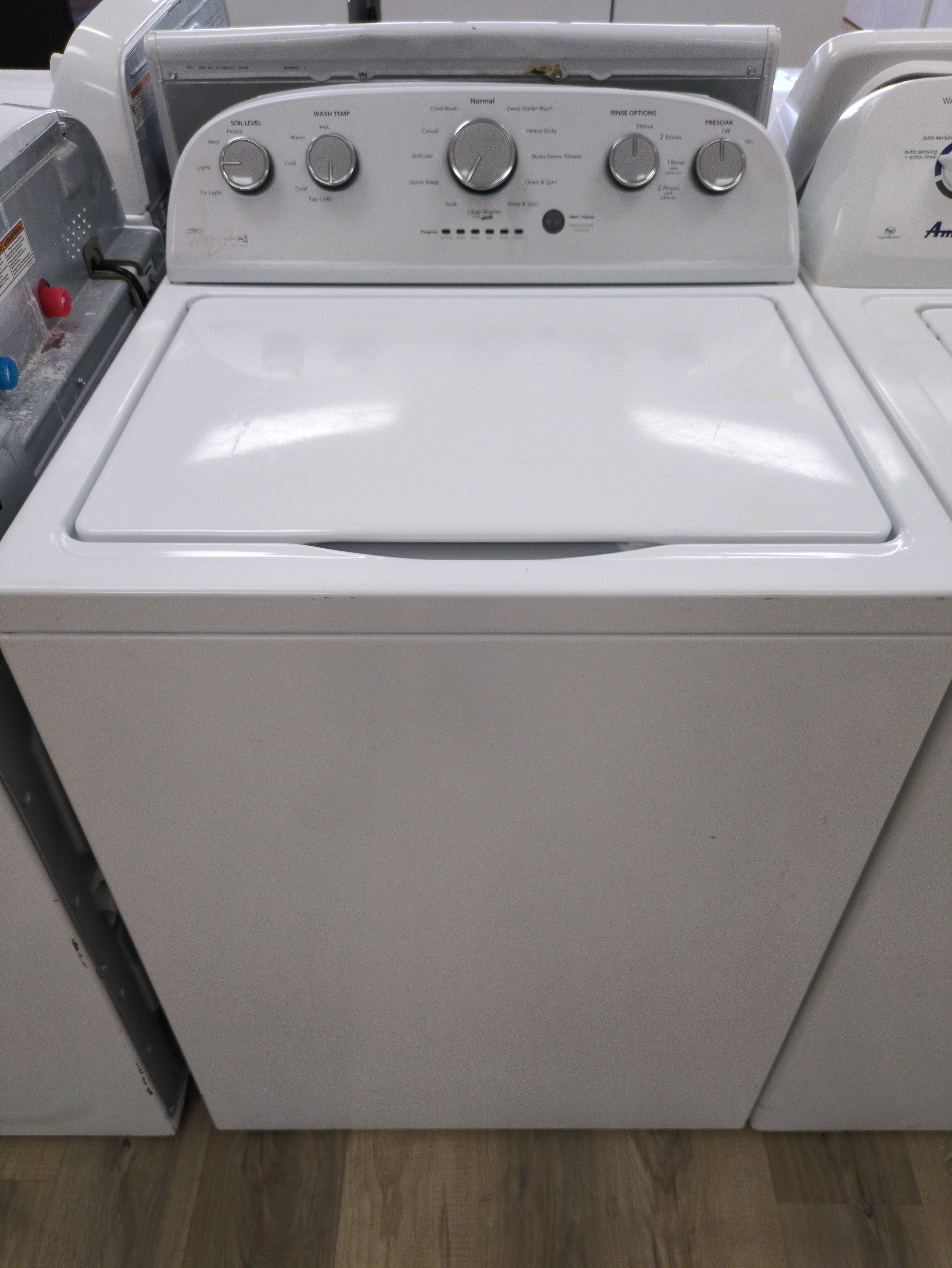
If you want a reliable, no-frills agitator top loader that's still widely available and well-supported, the Whirlpool Top Load Washer is the model we recommend most often — check its specifications to see if it fits your laundry room.
High-Efficiency (HE) Top Load Washers: Impeller / No Agitator
HE top loaders replace the central agitator with a low-profile impeller plate at the bottom of the drum. Instead of twisting clothes around a post, the impeller creates a dynamic water current that moves garments against each other to generate cleaning action. This design uses significantly less water than agitator models (though still more than most front loaders) and offers a much larger usable drum capacity — because there's no agitator eating up the center of the tub, you can wash king-sized comforters and large loads with ease.
In terms of efficiency, HE top loaders occupy a solid middle ground. They're not as water-efficient as front loaders, but they outperform traditional top loaders considerably. Many models carry the Energy Star certification and qualify for utility rebate programs. Cycle times tend to be moderate — shorter than front loaders on standard cycles, but some "deep clean" or heavily soiled cycles can run quite long. If you have a large household generating bulk laundry (sports uniforms, bedding, towels) this style's cavernous capacity is a legitimate advantage.
The trade-off with impeller models is wash performance for everyday mixed loads. Consumer testing shows that while HE top loaders handle large, loosely soiled items well, they can struggle with heavily soiled smaller items compared to front loaders. The water-current action is less mechanically aggressive than tumbling, which means it may not penetrate tightly woven fabrics as effectively. Tangling is also a concern — without the structured tumble of a horizontal drum, clothes can ball up, leading to uneven washing and high-speed spin imbalances.
For buyers who want the ergonomic convenience of top-loading (no bending, easy mid-cycle access), better efficiency than an agitator model, and a reasonable price point, HE impeller top loaders are a smart compromise. They're particularly well-suited to households that wash large, lightly-to-moderately soiled loads frequently — think gym clothes, bedding rotations, and everyday family laundry — rather than heavy-duty stain fighting.
A solid example in this category is the LG Top-load Washer, which pairs impeller-style cleaning with a large 5.0 cu. ft. drum.
Pros
- Very large usable drum capacity (no center agitator)
- Better water efficiency than agitator models
- Easy top-loading ergonomics
- No mold issues common to front loaders
- Can add items mid-cycle