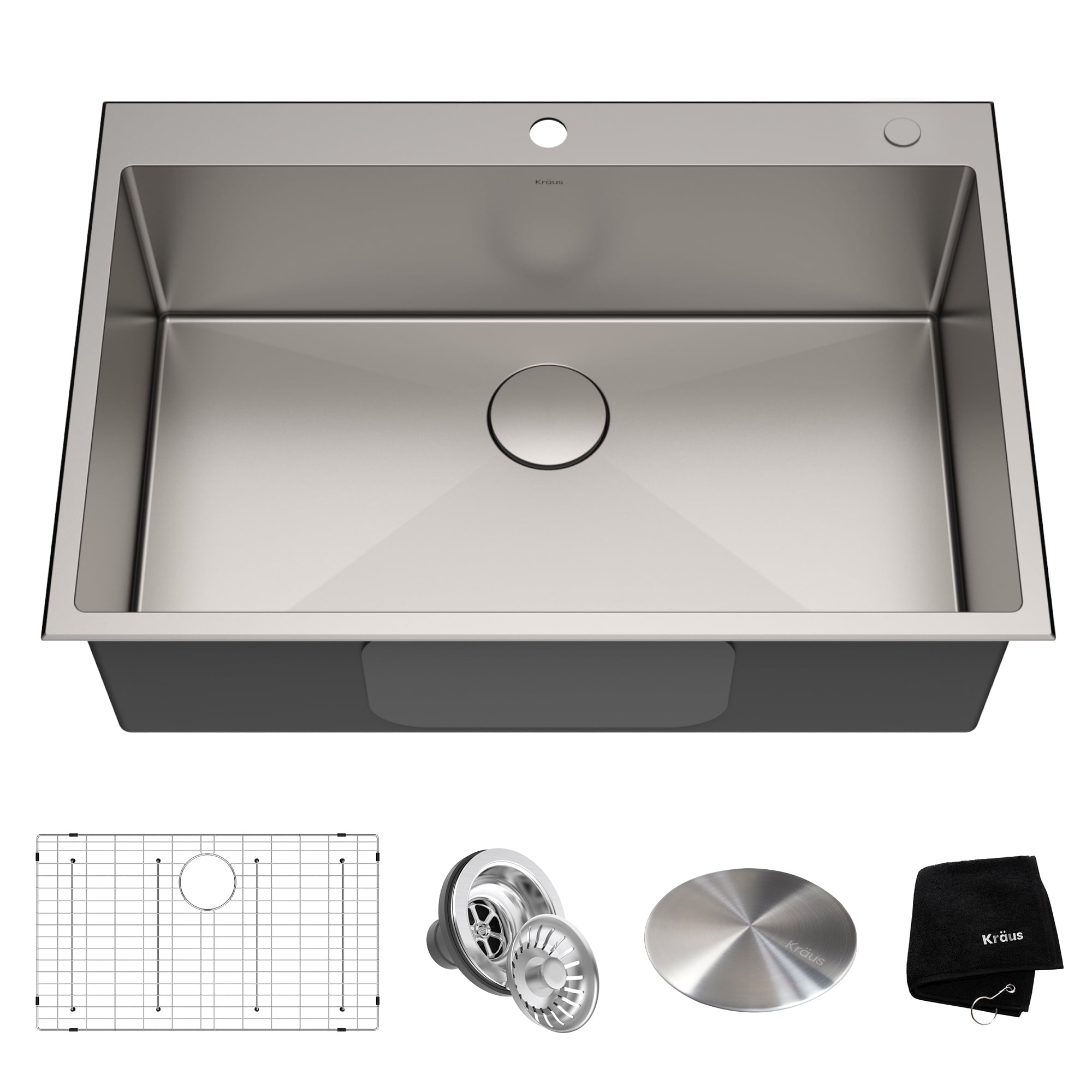
If you are upgrading your kitchen for maximum utility, the Kraus Standart PRO 33-inch 16 Gauge Undermount Single Bowl Stainless Steel Kitchen Sink is a professional-grade workhorse designed for homeowners who prioritize durability and workspace. With its massive single-bowl design and advanced NoiseDefend technology, it eliminates the constraints of traditional divided sinks. For those pairing this with high-end hardware, see our MOEN Chateau 7430 review for a matching professional setup.
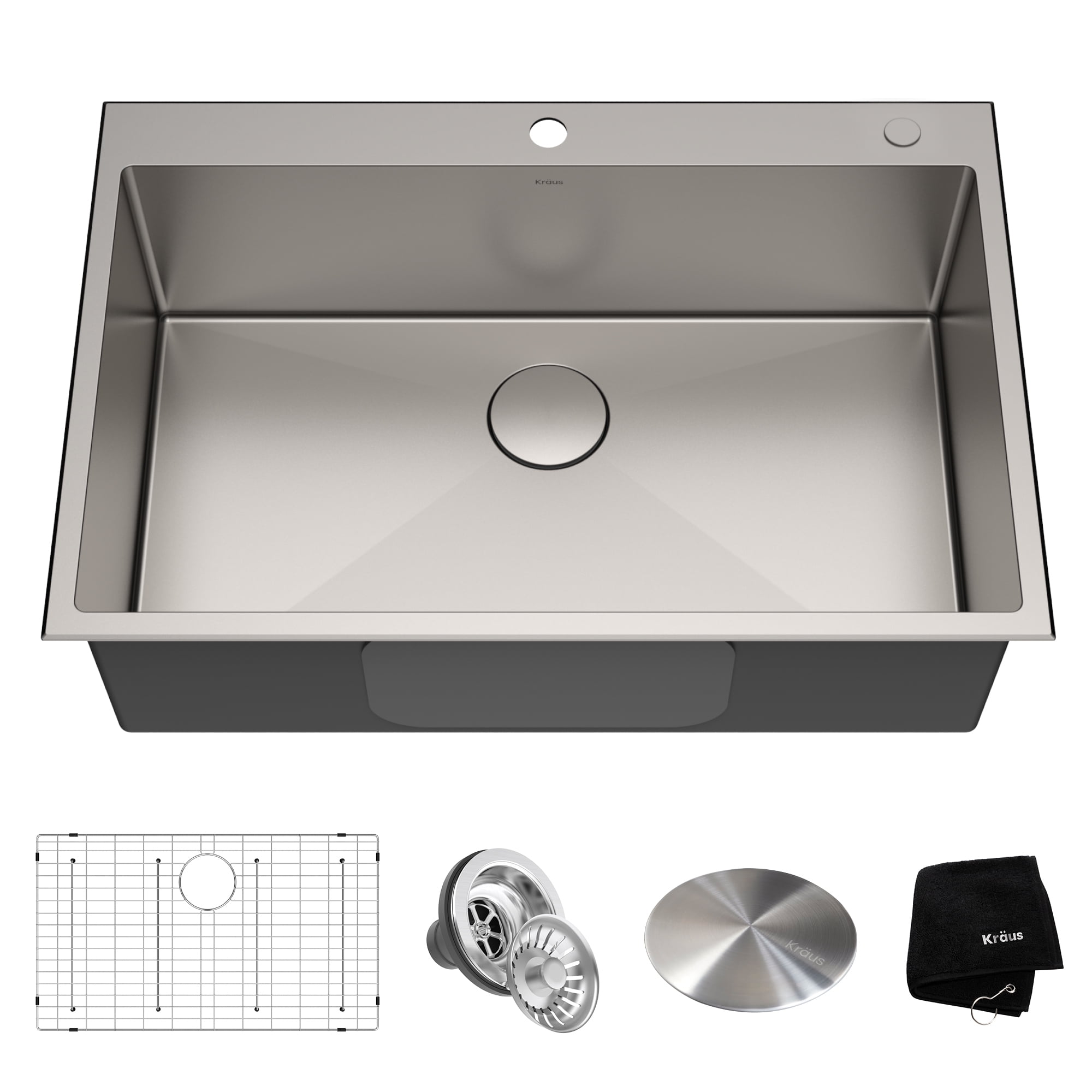
Top Pick: Kraus Standart PRO 33-inch 16 Gauge Undermount Single Bowl Stainless Steel Kitchen Sink (KHU100-33)
Score: 4.6/5 — A professional-grade, 16-gauge stainless steel workhorse that offers the best balance of durability, noise reduction, and price for modern kitchen remodels.
Kraus Standart PRO 33-inch 16 Gauge Undermount Single Bowl Stainless Steel Kitchen Sink
The Kraus Standart PRO 33-inch 16 Gauge Undermount Single Bowl Stainless Steel Kitchen Sink is a premier choice for those seeking a professional-grade undermount single bowl stainless steel sink that balances durability with a modern aesthetic.
With its 16-gauge construction, generous 33-inch footprint, and commercial-grade finish, it strikes a balance between professional performance and homeowner-friendly pricing (similar to the value found in the Pfister Stellen budget faucet review (see also our detailed buying guide)). It is typically available for significantly less than comparable sinks from high-end luxury brands while maintaining the same structural integrity.
Built from T304 stainless steel, the KHU100-33 is designed to withstand the rigors of a busy household. The single-bowl configuration is particularly prized by home chefs who frequently use oversized stock pots, baking sheets, or large cast-iron skillets that simply won't fit in a traditional divided sink. By eliminating the center divider, Kraus has maximized the usable volume, providing a deep 10-inch basin that minimizes splashing and allows for effortless soaking.
Beyond its dimensions, the engineering focuses on the sensory experience of the kitchen. Stainless steel sinks can often act like drums, amplifying the sound of running water or a garbage disposal. The Standart PRO series solves this with NoiseDefend technology, utilizing thick rubber undercoating and sound-dampening pads that cover the majority of the sink's exterior. This results in a muted, dampened sound that prevents the kitchen from becoming noisy during meal prep.
| Feature | Specification |
|---|---|
| Model Number | KHU100-33 |
| Outer Dimensions | 33" L × 18" W |
| Inner Bowl Dimensions | 30-3/4" L × 16" W × 10" D |
| Gauge | 16-gauge (1.5 mm thick) |
| Material | T304 Stainless Steel |
| Finish | Satin / Brushed |
| Mount Type | Undermount |
| Minimum Cabinet Size | 36 inches |
| Sound Dampening | NoiseDefend pads + protective coating |
| Warranty | Limited Lifetime |
Pros
- Heavy-duty 16-gauge T304 stainless steel construction
- Deep 10-inch bowl accommodates oversized cookware
- Effective NoiseDefend sound dampening technology
- Tight 10mm radius corners for a modern aesthetic and more space
- Includes bottom grid, basket strainer, and drain cover
- Commercial-grade satin finish hides minor scratches
Cons
- Requires a large 36-inch base cabinet
- Heavier than standard 18-gauge sinks during installation
- Hard water minerals can leave spots if not dried regularly
- No pre-drilled faucet holes (countertop drilling required)
As an affiliate, we may earn a commission from qualifying purchases — at no additional cost to you.
Understanding Sink Gauges and Material Science
When shopping for a stainless steel sink, the "gauge" is the most critical specification to understand. In the world of steel, the gauge refers to the thickness of the sheet metal. Counterintuitively, a lower gauge number indicates a thicker piece of steel. Most budget-friendly sinks are made of 18-gauge or even 20-gauge steel. The Kraus KHU100-33 utilizes 16-gauge steel, which is approximately 1.5 mm thick.
Why does this matter for your kitchen? Thicker steel provides several immediate physical benefits. First, it increases the structural rigidity of the sink. When you fill a 10-inch deep bowl with gallons of water, the weight is substantial. A thinner 18-gauge sink can experience slight "flexing" or bowing under extreme weight, whereas 16-gauge steel remains rigid. Second, thickness directly impacts sound. Thinner steel vibrates more freely, creating a high-pitched "clanging" sound when utensils hit the bottom. The 16-gauge walls of the KHU100-33 naturally absorb more energy, contributing to a quieter environment.
The material itself is T304 Stainless Steel. While this is the standard for the Kraus, those seeking an alternative material like granite composite might consider the Blanco Precis Compact Single-Basin Undermount Kitchen Sink, which offers a durable granite composite alternative. This specific composition is what makes the sink resistant to oxidation (rust) and corrosion from common kitchen acids, such as lemon juice or vinegar. The "Satin" finish is not just a stylistic choice; the brushed texture is designed to diffuse light, which helps camouflage the micro-scratches that inevitably occur over years of scrubbing pots and pans.
Pro Tip: If you are unsure about the quality of a stainless sink, check for the T304 designation. Lower-grade steels (like 430) are more prone to rust over time, especially in humid environments or areas with high salt content in the water.
Deep Dive: NoiseDefend and Acoustic Engineering
One of the primary complaints about stainless steel sinks is the "echo chamber" effect. Every time a faucet is turned on or a plate is placed in the basin, the sound resonates through the metal. Kraus addresses this with their NoiseDefend technology. This is not a feature but a system of three distinct layers of acoustic treatment.
First, the sink features oversized, thick rubber pads bonded to the exterior underside of the bowl. These pads act as dampers, breaking up the vibration of the steel and preventing the bowl from acting like a speaker. While some budget sinks only have small pads at the corners, the KHU100-33 features extensive coverage to ensure that no matter where the impact occurs, the sound is muffled.
Second, the entire exterior is coated in a non-toxic, thick rubberized undercoating. This coating serves two purposes: it adds another layer of sound insulation and prevents condensation from forming on the outside of the sink. In colder climates or during winter, the temperature difference between the cold water in the basin and the warm air in the cabinet can cause "sweating." The undercoating acts as a thermal barrier, protecting your wooden cabinetry from moisture damage.
Finally, the 16-gauge thickness itself provides the foundation for this acoustic success. By increasing the mass of the metal, the resonant frequency of the sink is lowered, meaning the sounds produced are deeper and less piercing. When combined, these elements make the KHU100-33 feel more like a solid piece of equipment and less like a thin metal shell.
The Single-Bowl Workflow: Who Is This For?
The decision between a single-bowl and a double-bowl sink is often the most debated part of a kitchen remodel. The KHU100-33 is a dedicated single-bowl unit, which fundamentally changes how you interact with your kitchen workspace. For the modern home cook, the single-bowl design is almost always the superior choice for functionality.
Consider the "Sheet Pan Problem." Standard double-bowl sinks usually have a divider that makes it impossible to fit a full-size baking sheet or a large roasting pan flat on the bottom. You are forced to prop them up at an angle, which leads to splashing and inefficient cleaning. With a 30-3/4 inch internal width, the KHU100-33 allows you to lay these items flat, making the cleanup process significantly faster.
Furthermore, the 10-inch depth allows you to hide dirty dishes from view, keeping the kitchen looking cleaner during a party or gathering. It also provides enough room to soak large pots without water overflowing the sides. For those who miss the "sorting" ability of a double sink, the included bottom grid can be used to elevate items, or a separate basin insert can be added to create a temporary divider.
Workflow Hack: Pair this sink with a high-arc pull-down faucet. For specific professional pairings, check out our MOEN Chateau 7430 review or the Kohler Artifacts K-72759-VS review. The combination of a deep basin and a flexible sprayer allows you to reach every corner of the sink and rinse large items without struggling to maneuver them inside the bowl.
Installation Masterclass: Getting it Right
Installing an undermount sink like the KHU100-33 is a precision task. Unlike drop-in sinks, which sit on top of the counter, an undermount sink is attached to the underside of the countertop. This creates a seamless edge that allows you to wipe crumbs and liquids directly into the sink without hitting a metal lip.
The Critical Role of the Base Cabinet
The most common mistake in undermount installation is ignoring the cabinet dimensions. The KHU100-33 requires a 36-inch base cabinet. This is because the sink's outer rim extends slightly beyond the bowl dimensions, and the mounting clips need a secure place to attach to the cabinet walls or the countertop underside. Attempting to squeeze this into a 33-inch cabinet will result in the sink hitting the cabinet sides, making installation impossible.
Step-by-Step Installation Process
For the best results, we recommend the following sequence, though professional stone fabricators may have their own preferred methods:
- Dry Fitting: Place the sink against the underside of the countertop cutout. Check for any gaps or misalignments. Ensure the rear-set drain aligns with your plumbing layout (similar to the plumbing considerations we discussed in our A.O. Smith water heater review).
- Silicone Application: Apply a thick, continuous bead of 100% silicone sealant around the top rim of the sink. This creates the waterproof seal that prevents leaks from seeping into your cabinets.
- Positioning: Lift the sink into place. Use a temporary support brace (such as a 2x4 piece of lumber) inside the cabinet to hold the sink firmly against the countertop while the silicone begins to tack.
- Securing Clips: Install the provided mounting clips. These should be spaced evenly around the perimeter. Tighten them until the sink is snug, but avoid over-tightening to the point of distorting the stainless steel rim.
- Curing Time: This is the most ignored step. Let the silicone cure for at least 24 hours. If you install the disposal and plumbing too early, the weight and torque of the plumbing can break the silicone seal, leading to leaks.
Laminate Warning: Do NOT install this undermount sink with a laminate countertop. Laminate countertops have a particle-board core that will absorb water and swell the moment moisture hits the cut edge. Undermount sinks are strictly for non-porous surfaces like granite, quartz, marble, or solid surface materials.
For those wanting a different aesthetic, the Ruvati Fireclay 30-inch Farmhouse Apron-Front Kitchen Sink Single Bowl White is a stunning high-end alternative for non-laminate counters.
Long-Term Maintenance and Surface Care
While T304 stainless steel is incredibly durable, it is not "indestructible." To keep the KHU100-33 looking like new for a decade, you need to follow a specific maintenance regimen. Stainless steel develops a protective chromium oxide layer that heals itself, but certain chemicals and habits can strip this layer away.
Avoiding the "Enemy" Chemicals
The biggest threat to a stainless steel sink is chlorine bleach. While bleach is a powerful disinfectant, it is an oxidizer that can eat through the chromium oxide layer of the steel, leading to "pitting"—tiny, permanent holes or black spots in the finish. If you must use a bleach-based cleaner, rinse it off immediately and thoroughly with water. Similarly, avoid using steel wool or abrasive scouring pads (like the green side of a heavy-duty sponge) as these can create deep scratches that disrupt the satin finish.
Managing Hard Water and Lime Scale
If you live in an area with hard water—which is why many homeowners invest in a GE whole-house water filtration system to prevent mineral buildup—you will likely notice white, cloudy deposits forming around the drain and edges of the bowl. This is calcium and magnesium buildup. To remove this without scratching the steel, use a mild acid. A mixture of white vinegar and water, or a dedicated stainless steel cleaner, will dissolve the mineral deposits. For stubborn spots, a paste of baking soda and water can be gently rubbed in with a microfiber cloth.
Daily Cleaning Routine
For daily maintenance, the "wipe and dry" method is the gold standard. Using a damp microfiber cloth with a drop of mild dish soap is enough to remove grease and food residue. The most important step, however, is drying the sink with a clean cloth after the final use of the night. By removing standing water, you prevent water spots from forming and maintain the luster of the satin finish.
Comparative Analysis: Single vs. Double Bowl Utility
When choosing the KHU100-33, buyers often wonder if they are sacrificing too much by giving up the second bowl. To determine the actual utility, we have to look at the physics of kitchen tasks. A double-bowl sink, such as the Elkay Crosstown Double Bowl Undermount Stainless Steel Kitchen Sink, essentially divides your 33 inches of space into two 14-15 inch spaces. While this allows for "zoning" (soaping in one, rinsing in the other), it creates a hard limit on the size of the objects you can clean.
The KHU100-33 removes this limit. In a professional kitchen setting, "prep sinks" are almost always single-bowl for this reason. Whether you are washing a large roasting pan for a holiday dinner or scrubbing a heavy-duty Dutch oven, the freedom of movement provided by the 30-inch internal width is an objective upgrade in productivity. For those who feel they need the separation, the included bottom grid acts as a "false floor," allowing you to keep items out of the standing water while still utilizing the full width of the basin.
Ergonomics and Depth
At 10 inches deep, the KHU100-33 is significantly deeper than the standard 7 or 8-inch sinks found in builder-grade homes. This depth provides two major advantages. First, it reduces "splash-back." Because the walls are higher, water bouncing off the bottom of the sink is more likely to be contained within the basin rather than splashing onto your countertops or clothing. Second, it allows for larger volume soaking. You can fill the sink halfway and still have enough room to submerge a large pile of vegetables or a heavy pot without the water overflowing.
Buyer's Guide: How to Choose the Right Stainless Sink
If you are currently shopping for a sink and weighing the KHU100-33 against other options, there are four primary criteria you should evaluate to ensure you aren't overpaying or under-specifying.
1. Material Grade (The T304 Standard)
Always verify that the sink is made of T304 stainless steel. Some lower-cost alternatives use T430 steel. While T430 looks identical at first glance, it contains less nickel and chromium, making it si