Buying a washing machine is one of those decisions you only make every 8 to 12 years, which is exactly why it's easy to get wrong. The wrong capacity, the wrong door type, or the wrong spin speed can mean a decade of mild frustration. This guide walks you through the choices that actually matter — and the ones marketing teams want you to obsess over but don't.
TL;DR
Match capacity to your household size, decide between front-load and top-load based on space and laundry habits, and prioritize spin speed, energy rating, and noise level over flashy app features. Measure your space — including doorways — before you buy anything.
Step 1: Figure Out the Right Capacity
Capacity is measured in kilograms of dry laundry the drum can hold. Bigger isn't automatically better — an oversized machine wastes water and energy on small loads, while an undersized one means running extra cycles every week.
6–7 kg is plenty. You'll run two or three loads a week without strain.
8–9 kg handles mixed loads and the occasional duvet. The most common sweet spot.
10 kg or more. Look for machines rated for bedding and larger items.
Add 1–2 kg above your household tier so duvets and pet bedding fit comfortably.
Step 2: Front-Load vs Top-Load
This is the biggest fork in the road. Both work fine — they just suit different homes and habits.
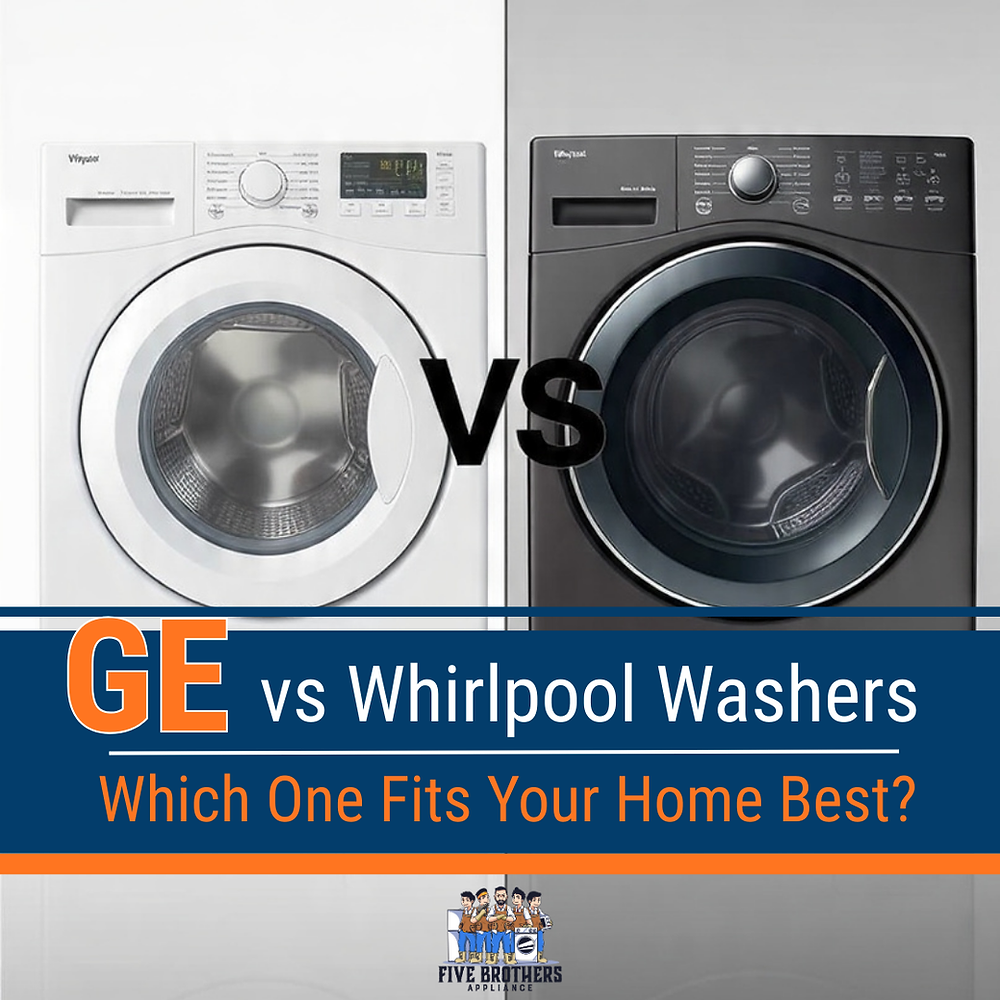
Front-load strengths
- Lower water and energy use
- Higher spin speeds, so clothes come out drier
- Gentler on fabrics
- Can fit under a counter or stack with a dryer
Front-load trade-offs
- Longer cycle times (often 2+ hours)
- Bending down to load
- Door seal needs wiping to avoid mildew
- Usually pricier upfront
Top-load strengths
- Faster cycles
- Easier loading — no bending
- You can usually add a forgotten sock mid-cycle
- Generally cheaper
Top-load trade-offs
- Uses more water (especially agitator models)
- Lower spin speeds, wetter laundry
- Can't stack with a dryer
- Agitator versions can be rough on delicates
Step 3: Measure Your Space — All of It
Standard front-loaders are roughly 60 cm wide, 60 cm deep, and 85 cm tall, but compact and oversized models exist. Don't just measure the gap where the machine will live.
- Width and depth of the alcove, with at least 2 cm of clearance on each side for airflow and vibration.
- Door swing for front-loaders — you need room to fully open the door and pull laundry out.
- Lid clearance for top-loaders — measure the height with the lid open, not closed.
- Delivery path: hallways, doorways, and any tight turns between the front door and the laundry room.
- Plumbing and power: location of the hot and cold taps, drain hose outlet, and a grounded outlet within reach.
Don't skip the doorway check. A 60 cm machine will not fit through a 58 cm doorway, and "we'll figure it out on delivery day" is how machines get returned.
Step 4: Spin Speed and Energy Rating
These two specs do more for your daily life than any "smart" feature.
| Spin Speed (RPM) | What It Means |
|---|---|
| 800–1000 | Budget tier. Laundry comes out wet; long dryer time or line-dry only. |
| 1200–1400 | Sweet spot for most households. Good balance of dryness and noise. |
| 1500–1600 | Drier laundry, shorter drying time, but more noise and vibration. |
For energy ratings, the scale varies by region (A–G in the EU, Energy Star in North America), but the principle is the same: a more efficient machine costs more upfront and pays you back over its lifespan. If you run more than four loads a week, the premium usually makes financial sense within 3–5 years.
Step 5: Noise Level
If your laundry area is near a bedroom, living room, or thin-walled apartment, noise matters more than you think. Look for two numbers in the spec sheet:
- Wash noise: under 50 dB is quiet; over 58 dB is noticeable from the next room.
- Spin noise: under 72 dB is good; over 78 dB will be hard to ignore during peak spin.
Inverter motors (sometimes called "direct drive" or "brushless") run quieter and last longer than belt-driven motors. Most mid-range and premium machines now use them.
Step 6: Programs You'll Actually Use
Modern machines advertise 15 to 25 programs. In reality, most households use four or five. Make sure these are included and well-implemented:
- Cottons / Daily — the workhorse program
- Synthetics / Mixed — gentler agitation, lower temperature
- Quick wash — 15 to 30 minutes for lightly soiled small loads
- Delicates or wool — if you actually own hand-wash items
- Eco — longer cycle, lower temperature, lower energy use
Tip: The "eco" program is usually the most efficient one even though it runs longer. It uses less water and heats less aggressively. If energy savings matter to you, use it as your default.
Step 7: Features Worth Paying For
Quieter, more efficient, longer warranty (often 10+ years on the motor).
The machine measures detergent per load. Saves money over time and prevents over-sudsing.
Useful for allergens, odors, and reducing wrinkles. Not essential, but genuinely effective.
Run the machine on off-peak electricity or have it finish right when you get home.
Features You Can Usually Skip
- Wi-Fi and app control — fun for a week, then ignored. You still have to load and unload it in person.
- Dozens of niche programs — "curtains," "sportswear," and "baby clothes" usually just adjust temperature and spin in ways the main programs already cover.
- Built-in dryer (washer-dryer combo) — convenient if space is tight, but drying performance is slow and clothes often come out damp. A separate dryer is almost always better if you have room.
Step 8: Budget and Lifespan
A decent machine should last 8 to 12 years. Cheaping out tends to backfire: low-end machines wear bearings and pumps faster, and repairs after the warranty often cost more than the machine is worth.
- Budget tier: basic capacity, belt-driven motor, 2-year warranty. Fine for light use or rentals.
- Mid-range: inverter motor, better build, 5-year+ motor warranty. The best value for most households.
- Premium: auto-dosing, steam, larger capacity, 10-year+ motor warranty. Worth it for heavy users or long-term homes.
Final Pre-Purchase Checklist
- Capacity matches your household size (with a little headroom).
- Front-load or top-load decision matches your space and habits.
- Machine dimensions fit the alcove, the doorway, and the delivery path.
- Spin speed is at least 1200 RPM unless you line-dry everything.
- Noise levels suit the room it's going in.
- Warranty covers the motor for at least 5 years.
- The programs you actually use are included.
Frequently Asked Questions
Is a bigger capacity always better?
No. A machine sized well above your needs wastes water and energy on small loads, and small loads also tumble poorly in oversized drums, leading to worse cleaning. Buy one tier above your average load size, not three.
How long should a washing machine last?
Eight to twelve years for a mid-range model with regular maintenance. Premium machines with inverter motors and longer warranties can go 15 years. Budget machines often need major repairs within 5–7 years.
Are washer-dryer combos worth it?
Only if you genuinely can't fit two appliances. They wash well but dry slowly and at smaller capacities than the wash drum, which means splitting loads. Two separate machines are faster, more efficient, and usually cheaper over their lifespan.
Do I need a hot water connection?
Most modern machines only use a cold inlet and heat water internally. A hot inlet can save energy if your home uses solar or gas-heated water, but it's not required.
What spin speed do I actually need?
1200 RPM is the sweet spot for most people. It gets laundry dry enough to cut tumble dryer time significantly without making the machine shake itself across the floor. Go higher only if you have a solid floor and noise isn't a concern.